
Swahili coastal cuisine
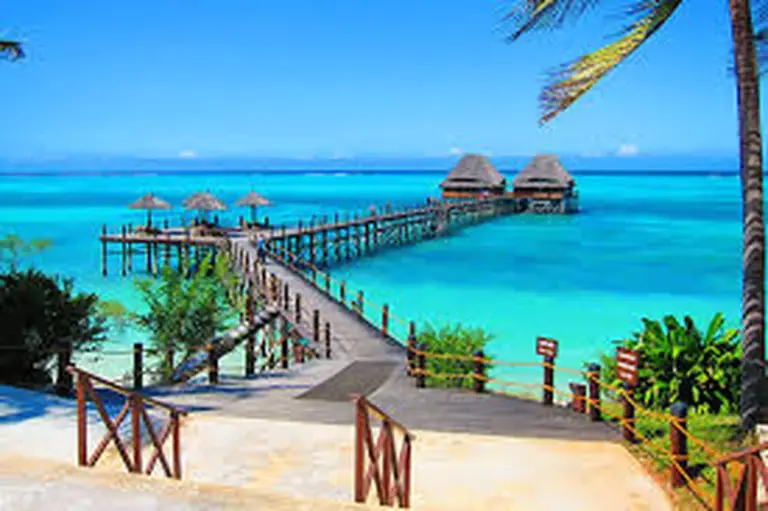
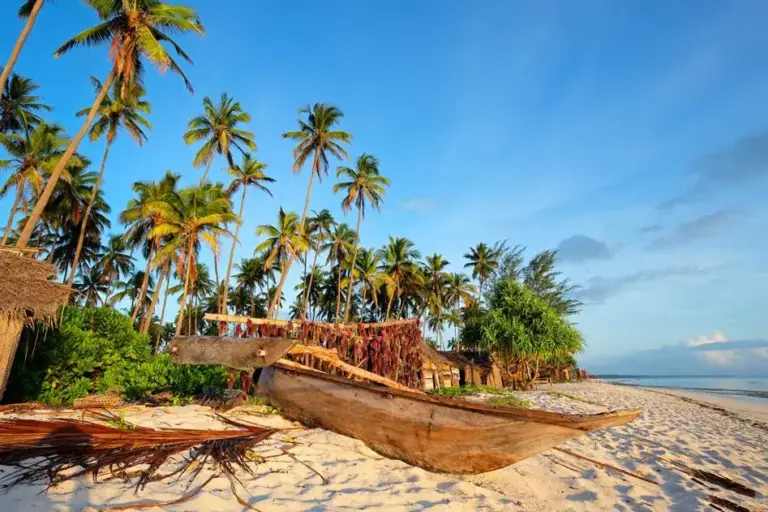
Centuries of trade across the Indian Ocean left the Swahili coast with a cuisine that blends African, Arab and South Asian influences: pilau and biryani spiced with cloves and cardamom, coconut-based curries, grilled seafood, and mandazi, a lightly sweet fried bread eaten at breakfast. Zanzibar’s Stone Town is the best place to eat it, its narrow streets lined with small kitchens serving dishes that have barely changed in generations, alongside Mombasa’s old town on the Kenyan mainland.

Forodhani Gardens night market
Every evening in Stone Town, stallholders set up along the waterfront at Forodhani Gardens, grilling skewers of octopus, king fish and prawns, frying Zanzibari pizza, a stuffed savoury pancake unrelated to its Italian namesake, and serving sugarcane juice pressed to order. It is the single best introduction to Zanzibari street food available anywhere on the island, cheap, informal and busy with both visitors and local families out for the evening.
Uganda’s matoke and luwombo
Inland, Uganda’s staple is matoke, a savoury green banana steamed and mashed rather than eaten raw or fried, served alongside groundnut sauce, beans or meat stews. Luwombo, a Buganda court dish of chicken or beef stewed with mushrooms or groundnuts and steamed inside banana leaves, is the more elaborate version, traditionally served at celebrations and now offered at restaurants around Kampala for visitors wanting a more formal introduction to Ugandan cooking.
Nyama choma across the region
Nyama choma, meaning simply “roasted meat” in Swahili, is East Africa’s most widely shared food tradition, found everywhere from roadside stalls to city restaurants across Kenya, Tanzania and Uganda alike. Goat is the most common choice, slow-grilled over charcoal and served with little more than salt, a chili relish called kachumbari and ugali, the thick maize porridge that anchors most inland East African meals the way rice or bread might elsewhere.
Rwanda’s brochettes and Kigali’s food scene
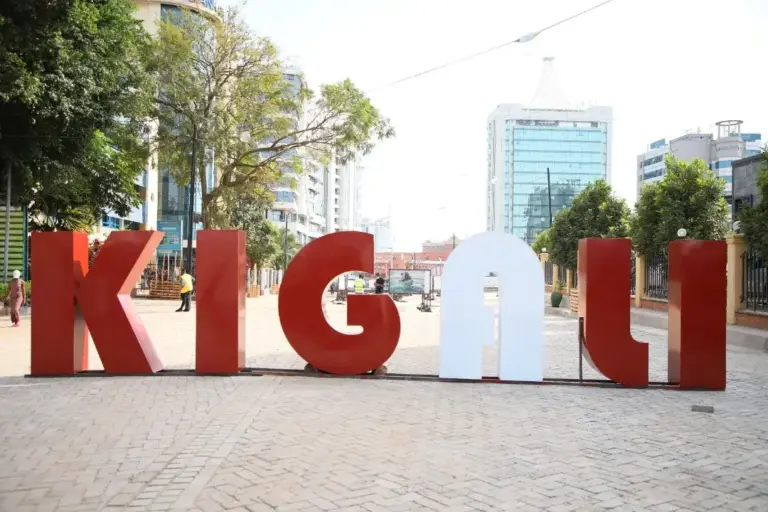
Rwanda’s answer to nyama choma is the brochette, skewered and grilled meat, usually goat or beef, sold everywhere from roadside braziers to Kigali‘s more polished restaurants, often alongside fried plantain and a simple tomato-onion salad. Kigali’s restaurant scene has grown quickly over the past decade, and a food-focused evening there now ranges from traditional Rwandan cooking to a wave of newer pan-African and international kitchens reflecting the city’s growing diaspora return.
Market visits and cooking classes
Several operators across the region now run guided market visits and hands-on cooking classes, walking visitors through a local produce market before a home or lodge kitchen session preparing that day’s ingredients into a full meal. These work well as a half-day activity in any of the region’s larger cities, giving a more active, participatory alternative to simply eating in a restaurant.
Tea, spices and other regional flavours
Tea grows widely across the same highland belts that produce the region’s coffee, particularly in western Uganda and around Kenya’s central highlands, and a cup of strong, milky chai spiced with ginger or cardamom is as much a daily ritual across East Africa as coffee is elsewhere. Zanzibar’s clove, nutmeg and cinnamon plantations add a further layer, their spices flavouring everything from coastal curries to the region’s distinctive spiced tea blends, and the island’s produce still finds its way into kitchens well beyond Zanzibar itself.
Eating with a local family
Several community tourism projects and homestay operators arrange meals cooked and shared inside a family home rather than at a restaurant, giving a more direct look at how a dish like matoke or luwombo is prepared day to day, often alongside the same family whose farm supplied the ingredients. These visits work well paired with a broader community or village-based itinerary, since the meal becomes one part of a fuller day rather than a standalone booking.
Dietary considerations
Vegetarian and vegan travellers are generally well catered for across the region, since staples like matoke, beans, rice and fresh vegetables are naturally meat-free and widely available; it is meat-heavy dishes like nyama choma and brochettes that are the exception to plan around rather than the rule. Seafood allergies are worth flagging clearly on the coast where fish and shellfish appear in the large majority of Swahili dishes.
Cooking classes and kitchen visits
Hands on food experiences let you learn as well as eat. In a village kitchen you might peel matoke, grind groundnuts for sauce and cook over a charcoal stove with a host who has done it all her life. In town, a chef may lead you through a market first and then to a cooking class where you prepare a full meal and sit down to eat it together.
Street food, markets and fresh produce
Markets are the quickest way into a local diet. Walk the stalls to see mountains of tomatoes, passion fruit, jackfruit and spices, then try rolex wraps, grilled meat on skewers, roasted maize and fresh juice from vendors your guide trusts. We choose busy stalls with high turnover, which are the safest and tastiest, and your guide explains what each dish is made of.
Regional flavours to look for
Uganda is known for matoke, groundnut sauce and grilled tilapia. Rwanda favours brochettes, beans and sweet potatoes, plus excellent coffee and tea. Kenya has nyama choma, ugali and sukuma wiki while Tanzania and Zanzibar bring Swahili curries, coconut rice and fresh seafood. Eating across the region becomes a journey of its own, and it pairs well with cultural visits.
Eating well and safely
Choose freshly cooked food that is served hot, drink bottled or treated water and wash hands before meals. Tell us about allergies, vegetarian or halal needs in advance, since lodges and guides can adapt almost any menu. Travel with a small bottle of hand sanitiser and keep an open mind about trying something new.
Planning your food experience
Tell us which cities or regions are already on your route, and we will point you to the specific market visit, cooking class or street food stop worth building into your itinerary there.