Kampala and Kigali
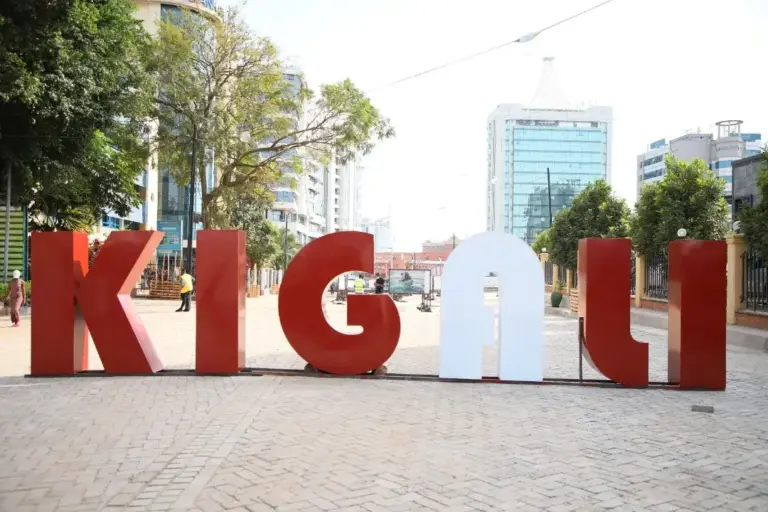
Kampala‘s Owino and Nakasero markets are among East Africa’s largest, sprawling produce and general-goods markets where fresh matoke, fish, spices and household goods move through in enormous volume daily, a working market rather than one adapted for visitors. Kigali‘s markets run smaller and considerably more orderly, reflecting the city’s broader reputation for cleanliness and organisation, with Kimironko Market a common stop for produce, textiles and craft alongside food.

Zanzibar’s Stone Town market
Stone Town‘s Darajani Market has operated as the old town’s main trading hub for generations, its narrow aisles carrying fresh fish brought in directly from the surrounding coast, spices grown on the island’s plantations, and produce from Zanzibar’s interior, all within a building whose architecture reflects the same Swahili, Arab and Indian influences visible throughout the rest of the old town.
Nairobi and Arusha
Nairobi’s City Market combines fresh produce with a strong craft and curio section, making it a practical stop for both food-focused and souvenir-focused visitors in the same outing, while Arusha’s central market anchors a town that functions as the main staging point for Tanzania’s northern safari circuit, giving visitors a genuine slice of local commerce before or after a Serengeti or Ngorongoro safari.
What a market visit involves
A guided market visit typically runs one to two hours, walking through different sections, produce, fish, spices, textiles and household goods, with a guide who can explain what’s being sold and negotiate on your behalf where useful. Markets are working spaces rather than tourist attractions so a slower, more observational pace generally suits them better than trying to see everything at once.
Combining a market visit with a cooking class
Several operators pair a guided market visit directly with a cooking class, buying ingredients at the market before preparing a meal from them at a home or lodge kitchen, giving the market stop a clear purpose beyond simply looking. This combination works particularly well in Kampala, Kigali and Stone Town, where market and cooking class operators are well established.
Practical notes
- Markets can be crowded and sensory-intensive; a guide familiar with the specific market makes navigating it considerably easier
- Photography is generally fine but worth asking individual vendors before photographing them directly
- Cash in small denominations is the standard payment method for most purchases
- Comfortable, closed shoes are worth wearing, since market floors can be wet or uneven
What markets reveal about daily life
Unlike a curated cultural performance or heritage site, a working market shows a city’s actual rhythm without any staging for visitors, from the specific vegetables and grains that anchor the local diet to the informal economy of porters, money-changers and small traders that keep a market functioning day to day. It’s one of the more honest single stops available on any itinerary, precisely because nothing about it is arranged for an audience.
Bargaining and market etiquette
Negotiating on price is standard practice at most East African markets, expected by vendors rather than considered rude, though a light, good-humoured approach generally works better than aggressive haggling. Building rapport with a specific vendor, even briefly, often improves both the price and the experience considerably compared with a purely transactional exchange.
Best time to visit
Markets run daily year-round, though mornings generally offer the freshest produce and the liveliest atmosphere before the day’s heat and crowds build.
Markets versus craft shopping
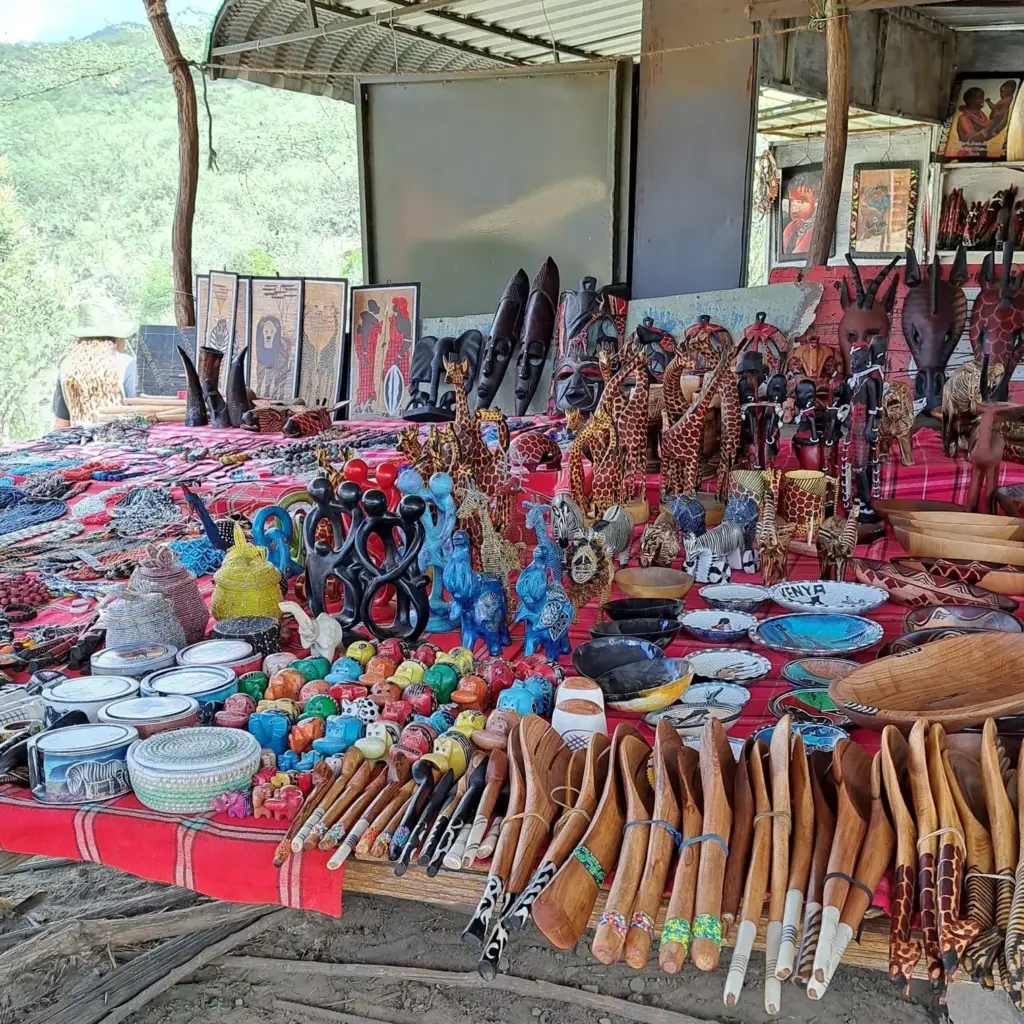
A produce market visit centres on food and daily commerce first, with craft and souvenirs as a secondary element at best, while dedicated craft shopping focuses specifically on finished goods for buying, often at a different location entirely from where fresh produce is sold. Travellers wanting both experiences generally benefit from treating them as two separate stops rather than expecting one market visit to satisfy both interests equally well.
What you will see and smell
Markets are loud, colourful and full of detail. Piles of fruit and vegetables, sacks of beans and grains, spices, dried fish, second hand clothes and hardware compete for space. Vendors call out prices, music plays, and the smell of frying snacks mixes with that of ripe mango. Walking slowly with a guide helps you absorb it without feeling overwhelmed.
Eating at the market
Markets are among the best places to try local food. Look for stalls with a crowd where food is cooked fresh and served hot and ask your guide for favourites. Grilled maize, samosas, chapati, roasted meat and fresh juice are all common. Wash your hands before you eat and carry small notes.
Photography and etiquette
Always ask before photographing people or their stalls, and be ready to buy something in return. A smile and a greeting go a long way, and a few words of the local language earn warm replies. Watch your belongings in crowded areas and keep your phone and wallet secure. Your guide will help with introductions.
Choosing the right market
Large markets are lively but overwhelming, and smaller neighbourhood markets are calmer and friendlier. We choose according to your interest, whether that is fruit and vegetables, spices, fabrics or fish. Ask your guide to introduce you to a few traders, and spend longer at fewer stalls. Morning is best, when stock is fresh and the heat is mild.
Wear comfortable shoes and light clothes, carry small notes and a cloth bag and keep valuables close. Do not be surprised if you are asked for a small fee to photograph a stall, and always ask first.
Making the most of a market
Markets are best enjoyed slowly. Walk once through the whole market to get a feel for it, then return to stalls that caught your eye. Try something new, such as a fruit you have never tasted and ask what it is called and how it is eaten. Buying a few small items to cook or share later turns the visit into a meal.
Planning your market visit
Tell us which cities are on your route, and we will build in a guided market visit, paired with a cooking class if that interests you.