How the route works
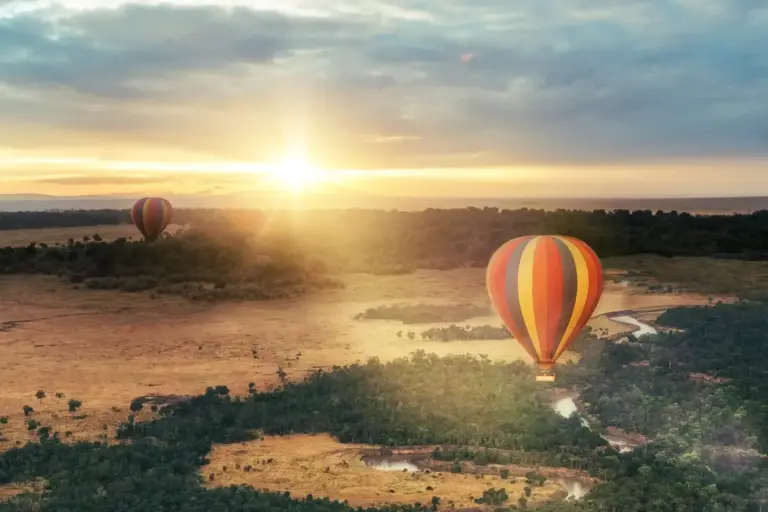
A typical itinerary spends the opening days in Kenya’s Maasai Mara or another savannah park, then crosses into Uganda, usually via a short flight to Entebbe, for gorilla trekking in Bwindi, chimpanzee tracking in Kibale, or the Nile at Jinja, depending on how much time is available and what draws you most.
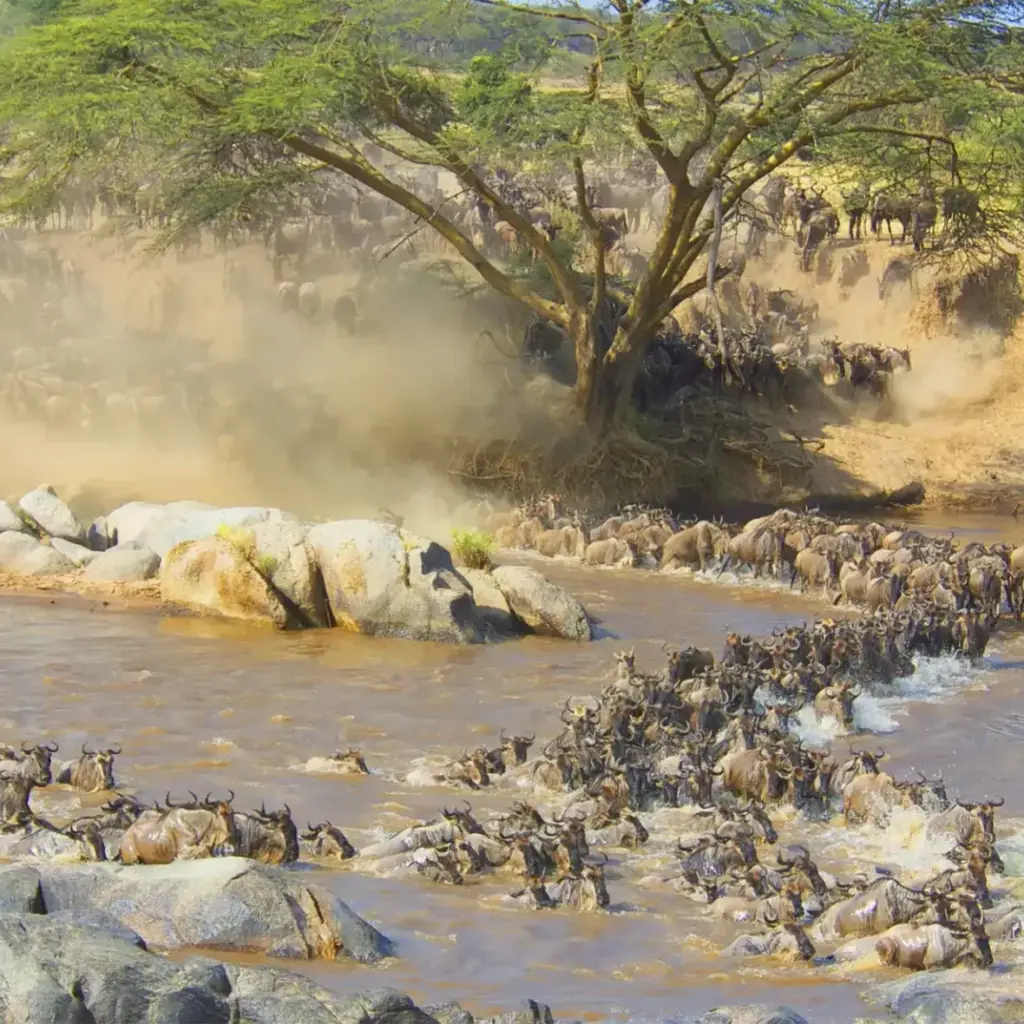
Why this pairing works well
Kenya delivers the wide-open plains game viewing most people picture first; Uganda adds primates, forest and river adventure that genuinely broaden the trip rather than repeating it. Together they cover a wider range of East African landscapes than either country alone.
Why combine Kenya and Uganda
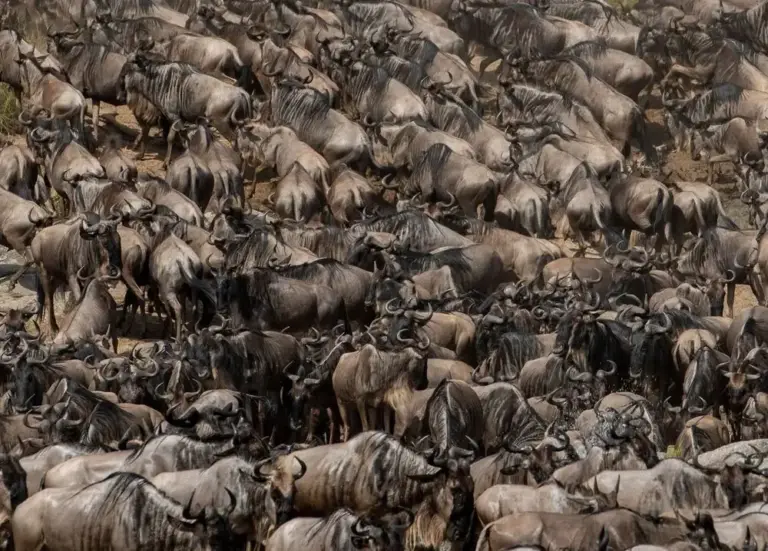
Kenya and Uganda are neighbours with very different strengths. Kenya delivers the plains game viewing most people picture first, led by the Maasai Mara and Amboseli. Uganda adds forest, wetland and river, with mountain gorillas in Bwindi, chimpanzees in Kibale, tree-climbing lions in Queen Elizabeth and the Nile at Murchison Falls and Jinja. Together they cover a wider range of East African landscapes and wildlife than either country alone, and for many guests this is the best value combination for primates plus the migration.
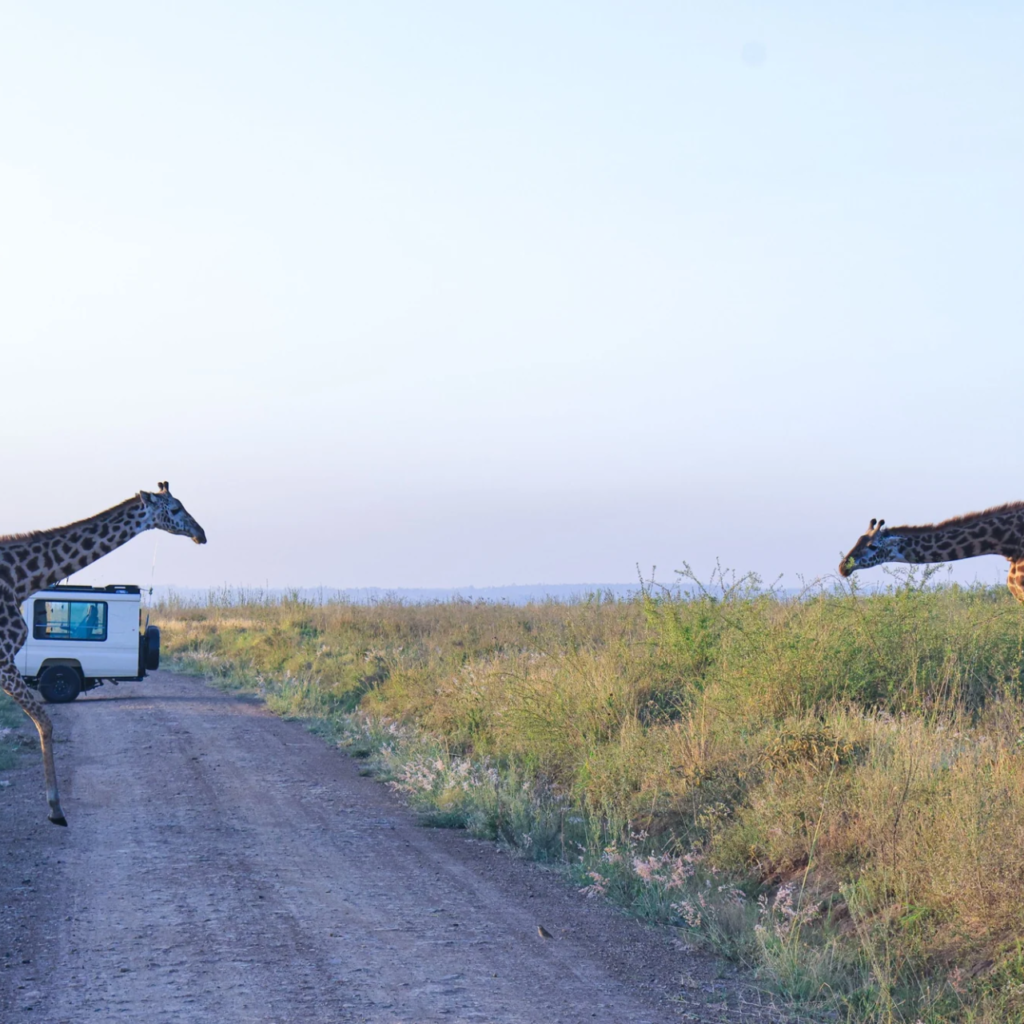
Sample Kenya and Uganda routes
A nine day route: three nights in the Mara, fly to Entebbe, then Bwindi for a gorilla trek, with a rest day. A twelve day route adds Kibale for chimpanzees and Queen Elizabeth for a boat trip and game drive. A fourteen day route adds Murchison Falls and a Jinja river day. Short on time? Fly directly into Bwindi's airstrips to save road time. See our Uganda gorilla tours page for sector choices, and our Bwindi sectors guide.
Getting between Kenya and Uganda
Nairobi and Entebbe are linked by a short flight of roughly one hour and a quarter, and this is the easiest way to move between the countries. Overland crossings exist but the roads are long, and we use them only when a route calls for them. Within Uganda, the distances between parks are long so we mix road and charter legs where it helps. Schedules change so we build around the current timetable.
Best time for Kenya and Uganda together
The Mara migration season of July to October lines up with the drier months in Uganda, which makes it the classic combined window. Uganda's gorillas and chimpanzees can be tracked all year, and its two drier seasons are June to September and December to February. If you are travelling outside the migration months, Kenya's resident big cats, Amboseli's elephants and the green-season value are still excellent. Read our Great Migration page for timing.
Where to stay
Kenya has the larger luxury camp scene, and Uganda has the more varied range of mid-range and budget options near the gorillas. See our accommodation in Kenya and accommodation in Uganda guides, and the tier pages for mid-range in Kenya and mid-range in Uganda. Many guests spend more on the Bwindi nights and keep other stays simple.
Visas, permits and practical notes
Kenya and Uganda are both covered by the East Africa Tourist Visa, but rules change, so check our visa and entry guide. Gorilla permits are limited and non-refundable, and chimpanzee permits are issued per forest and day. Read our gorilla permits page and chimpanzee permits page. Yellow fever and malaria advice is on our health and safety page.
Why plan it with Offmap Safaris
Offmap Safaris is based in Kampala so we know Uganda from the ground and we work with trusted partners in Kenya. You get one planner, one total price and a WhatsApp contact at +256 701 243 304. Read about Kenya safaris and Uganda safaris, then tell us your dates.
What you will see in Kenya
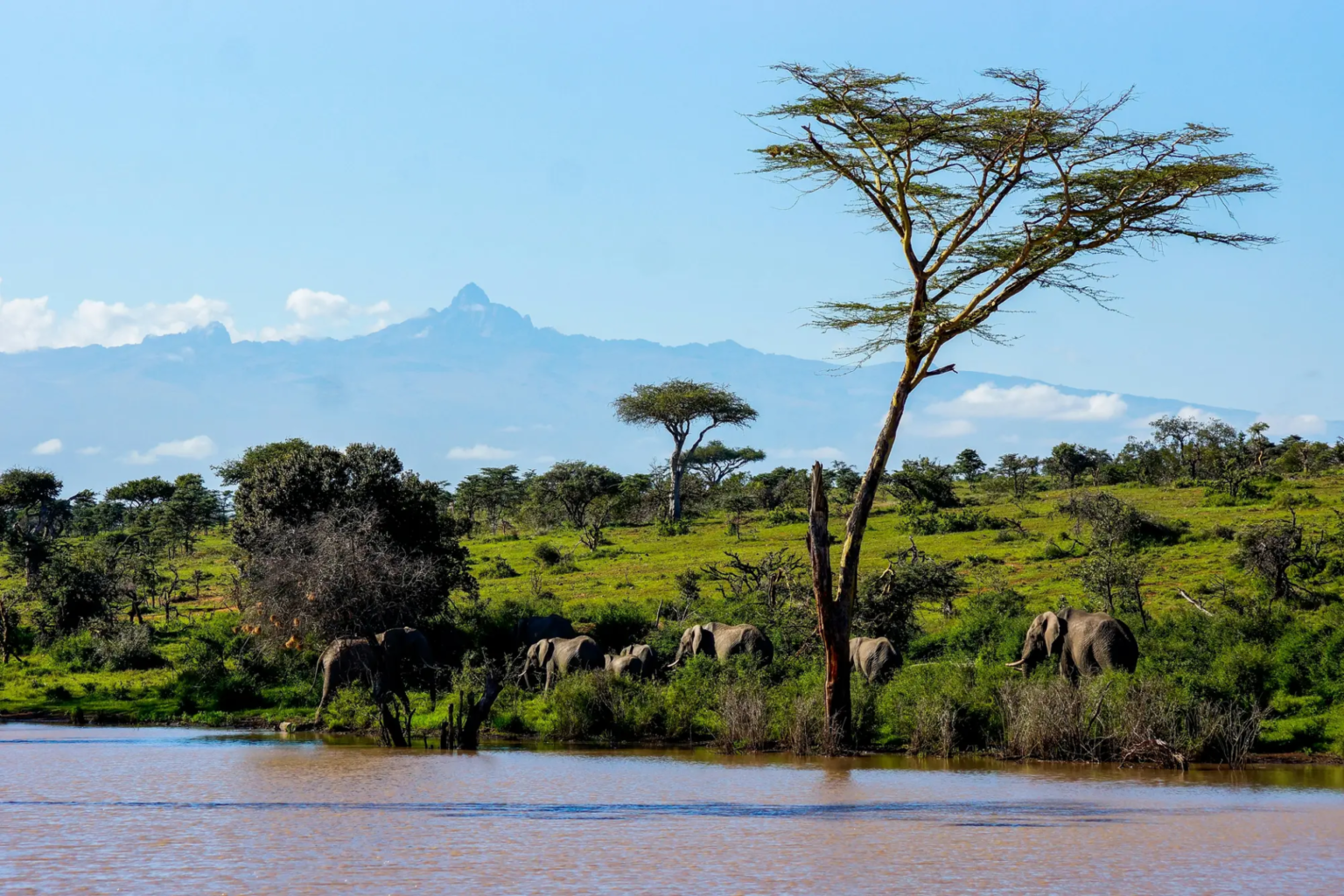
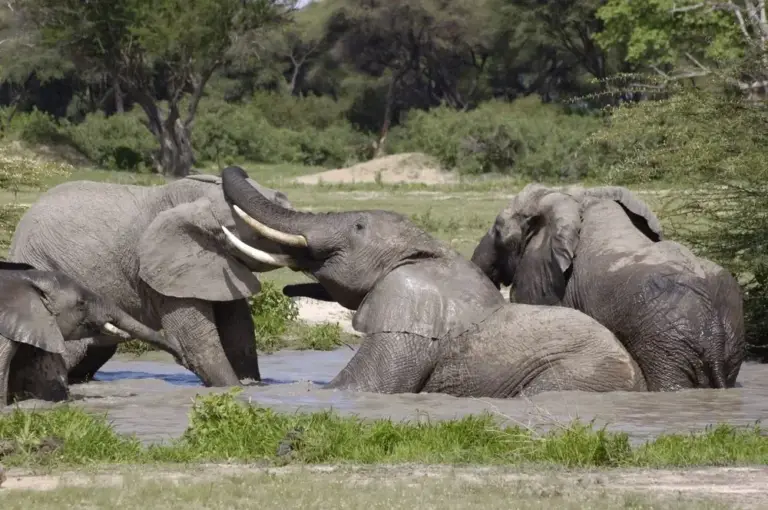
Kenya's draw is plains wildlife. In the Mara you can see lions, cheetahs, leopards, elephants and, from July to October, the migration. Amboseli adds elephants under Kilimanjaro, Samburu adds northern species and Laikipia adds rhinos and wild dogs. Camps range from tented luxury to simple budget stays. Read our Big Five guide and lions page.
What you will see in Uganda
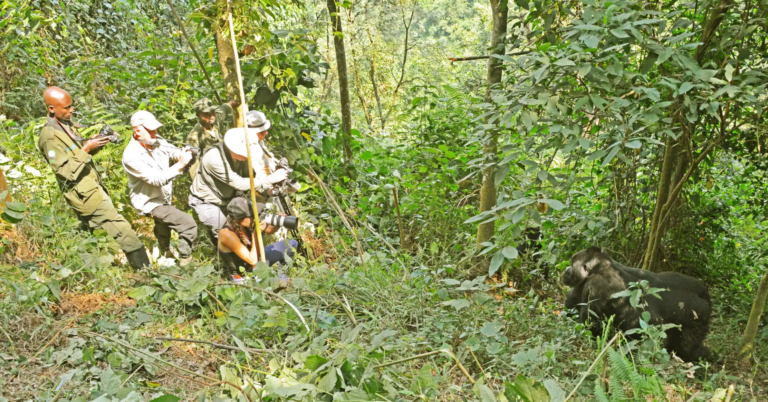
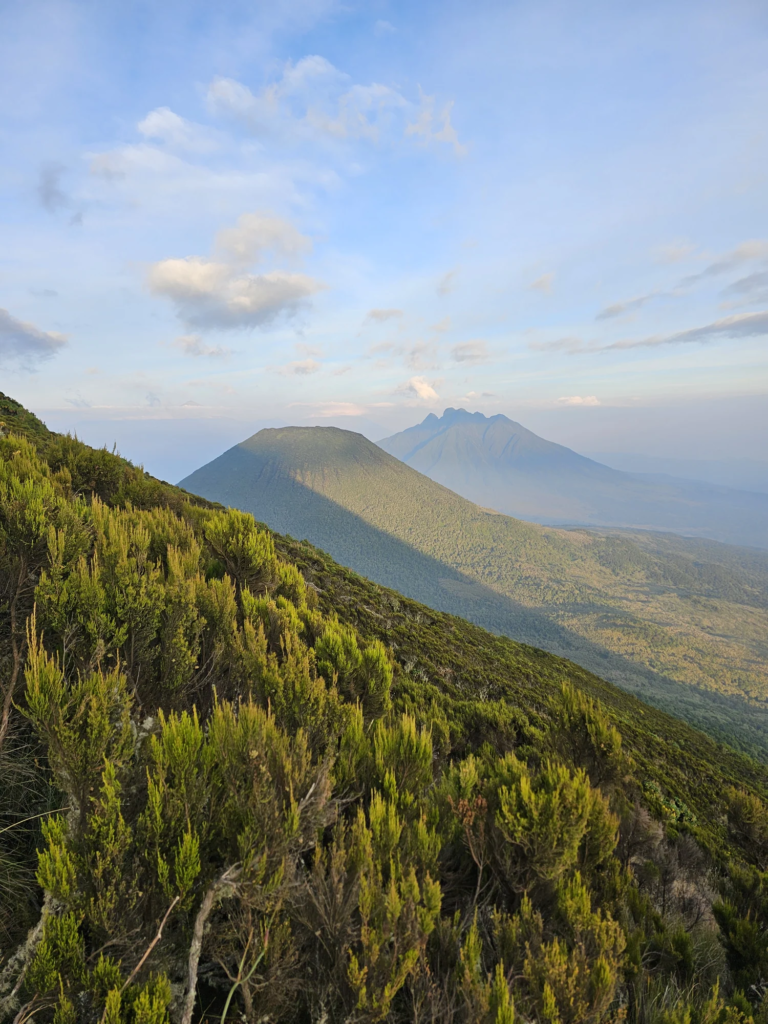
Uganda adds the primates and the water. Bwindi has roughly half the world's mountain gorillas, Kibale has chimpanzees and many other primates, Queen Elizabeth has tree-climbing lions and the Kazinga Channel, and Murchison Falls has the Nile, hippos, crocodiles and giraffes. Uganda also has outstanding birding. Read our mountain gorillas page, chimpanzee page, tree-climbing lions page and birding in Uganda.
Pace, fitness and what to pack
Kenya is relaxed and vehicle-based. Uganda includes treks at altitude and long drives. Pack layers, waterproofs, sturdy boots, gloves and a soft bag for light aircraft. We schedule rest days after the gorilla trek and keep driving days manageable.
Questions we are asked most
Guests ask whether Kenya or Uganda should come first, and we usually decide by the migration and the permit date. They ask about budget, and Uganda is generally the more affordable half so a blend of luxury Mara camps and mid-range Uganda lodges is popular. They ask about children: the gorilla minimum age is fifteen. Our safari budgets guide and family safaris pages help.
A day-by-day shape for twelve days
Day one is Nairobi arrival. Days two to four are the Mara with morning and afternoon drives. Day five is a flight to Nairobi and on to Entebbe. Day six is Kibale for chimpanzee tracking. Day seven is Queen Elizabeth with a Kazinga Channel boat trip. Day eight is Ishasha for tree-climbing lions and the drive to Bwindi. Day nine is the gorilla trek. Day ten is a rest day or Batwa visit. Day eleven is the return to Entebbe, and day twelve is departure. We adapt this to your permit date.
How the price is built
The price of a Kenya and Uganda safari is driven by the Mara camp category and season, the Uganda gorilla permit and chimpanzee permits, the flights between Nairobi and Entebbe and any charters, and your lodging level. Itineraries show no prices, and we give you one clear total for your dates. Uganda is usually the more affordable half, so many guests balance a Mara splurge with value in Uganda.
Plan a Kenya and Uganda safari
Tell us your dates, interests and pace and we’ll shape the sequencing and logistics into one connected itinerary.