Safari pricing varies more than most first-time travellers expect: accommodation style, group size, season and which countries and experiences are included all shift the number meaningfully, which is why we confirm a specific figure once we understand your priorities rather than quoting one blanket price for every trip.
What actually drives the cost
Accommodation is usually the biggest single factor; a comfortable tented camp costs meaningfully less per night than a luxury lodge with the same view. Gorilla permits carry a fixed government price regardless of operator, so this cost is consistent rather than negotiable. Group size matters too: a private vehicle and guide for two people costs more per person than the same setup split across a larger group, and peak season (matching the dry months and migration timing) generally commands higher rates than shoulder or low season.
What’s typically included
This is always confirmed in writing before booking and varies by itinerary, but a safari price typically covers accommodation, park and conservation fees, a guide and vehicle, and most meals during the trip. International flights, visas, gorilla and chimpanzee permits (sometimes quoted separately given their fixed government pricing), travel insurance and personal spending are usually excluded unless specifically arranged otherwise.
Ways to manage cost without cutting the experience short
Travelling in shoulder season, choosing tented camps over luxury lodges, joining scheduled small-group departures where available rather than booking fully private, and focusing on one country deeply rather than spreading a fixed budget across several all help manage cost without meaningfully compromising what the trip actually delivers.
Planning around your budget
Tell us your approximate budget alongside your dates and interests, and we’ll shape the destination mix, accommodation style and itinerary length to genuinely fit it, starting from what matters most to you, rather than a fixed package you have to stretch to afford.
The main cost drivers
Five things set the price of a safari: the accommodation level, the permits (gorilla and chimpanzee permits carry fixed government prices), park and conservation fees, transport (road, light aircraft and international flights) and group size. Season matters too, because July to October and December to February command higher rates. A trip's route changes the total more than any other choice, because distances in East Africa are long.
Cost by safari style
A budget safari uses simple lodges, shared or smaller vehicles and a compact route. A mid-range safari adds comfortable lodges and a private vehicle. A luxury safari adds the finest lodges, private guiding and charter flights. See our budget safaris, mid-range safaris and luxury safaris pages, and our tier pages for gorillas: budget, mid-range and luxury.
Cost by country
Uganda is generally the best value for gorilla permits and lodging, and offers the widest variety. Rwanda's permit is a premium but the country is compact. Kenya and Tanzania have wide-ranging costs, with park fees and camp rates varying by season, and the Serengeti and Mara camps highest in the migration months. See our accommodation guides for Uganda, Rwanda, Kenya and Tanzania.
Ways to save without losing the experience
Travel in shoulder months, share a vehicle, keep the route compact, choose one headline experience, stay in simpler lodges where the lodge matters least and upgrade where it matters most, such as near the gorilla trailhead or in the right Serengeti camp. Avoid cutting buffer nights before permits, because a missed permit is not refundable. Read our gorilla permits page and safari duration guide.
What is usually not included
International flights, visas, travel insurance, personal spending, tips and sometimes permits are usually excluded unless arranged. We list inclusions and exclusions in writing in your quote. Itineraries show no prices, and your quote shows one total. See our visa and entry guide and health and safety page for extra costs such as vaccinations.
Tips and gratuities
Tipping guides, drivers, porters and lodge staff is customary and appreciated. We advise on amounts for your trip so you can budget. Hiring a porter on a gorilla trek supports a local family.
Building a budget from the top down
Start with the total you are comfortable spending, then decide which costs are fixed (permits, park fees, flights) and which are flexible (accommodation level, vehicle type, length). Allocating money to the experiences that matter most makes the rest easy to decide.
Hidden costs to plan for
Allow for visa fees, vaccinations, insurance, laundry, drinks, curios, tips and airport transfers. Some lodges charge for premium drinks or activities. We list what is and is not included in your quote. See our visa and entry guide.
Group size and cost per person
A private vehicle and guide are split among the party, so a group of four pays much less per person than a couple. Solo travellers pay more because of single supplements, so joining a shared departure can help. See our solo traveller safaris and family safaris pages.
Seasonal price swings
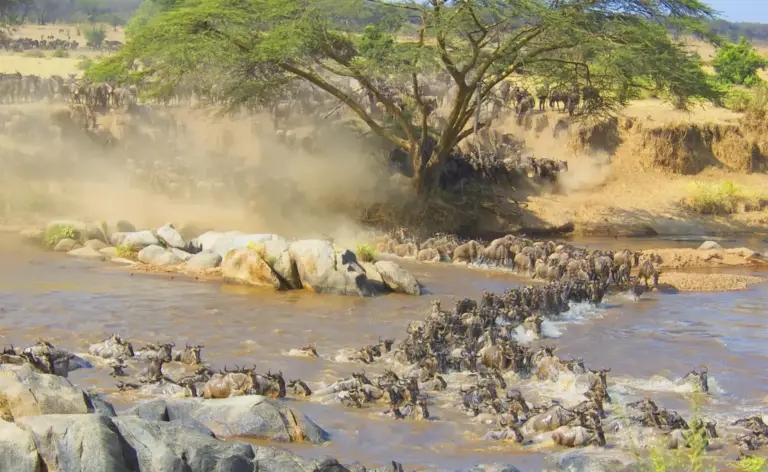
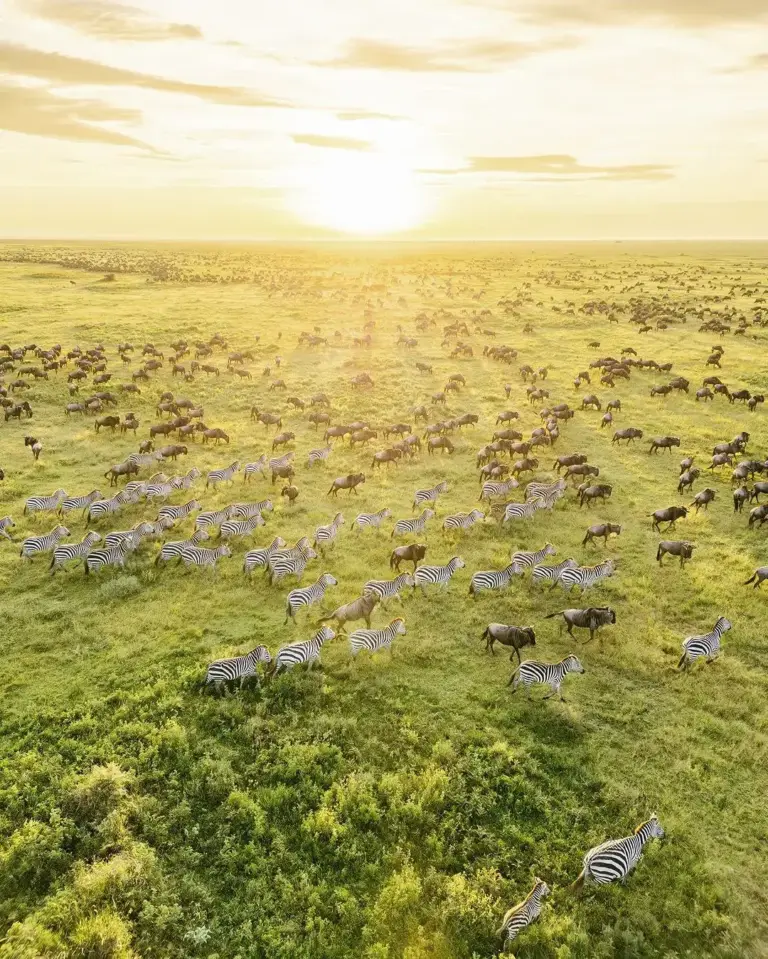
Rates are highest in the Mara and Serengeti from July to October and in December and January, when demand peaks. The green seasons of April, May and November often bring lower lodge rates, fewer vehicles and lush landscapes, though some camps close and roads can be slow. Gorilla permit prices are fixed, but lodges near the parks vary by season. Read our Great Migration page to match budget with timing.
Paying and cancellation terms
We state payment schedules and cancellation terms in writing. Gorilla and chimpanzee permits are non-refundable once purchased, so we confirm dates, names and passport details before buying. Travel insurance that covers cancellation is strongly advised. Read our gorilla permit checklist.
Comparing quotes fairly
When comparing quotes, check what is included: park fees, permits, meals, drinks, transfers, activities, taxes and the vehicle type. A low price may leave out items that you pay for later. We show one total and a clear list of inclusions and exclusions so that you can judge it properly.
How we quote
Tell us your dates, group size, interests and comfort level, and we send one clear total with inclusions, exclusions and cancellation terms. We compare options openly, and we tell you when a different route would save you money without costing you the experience.