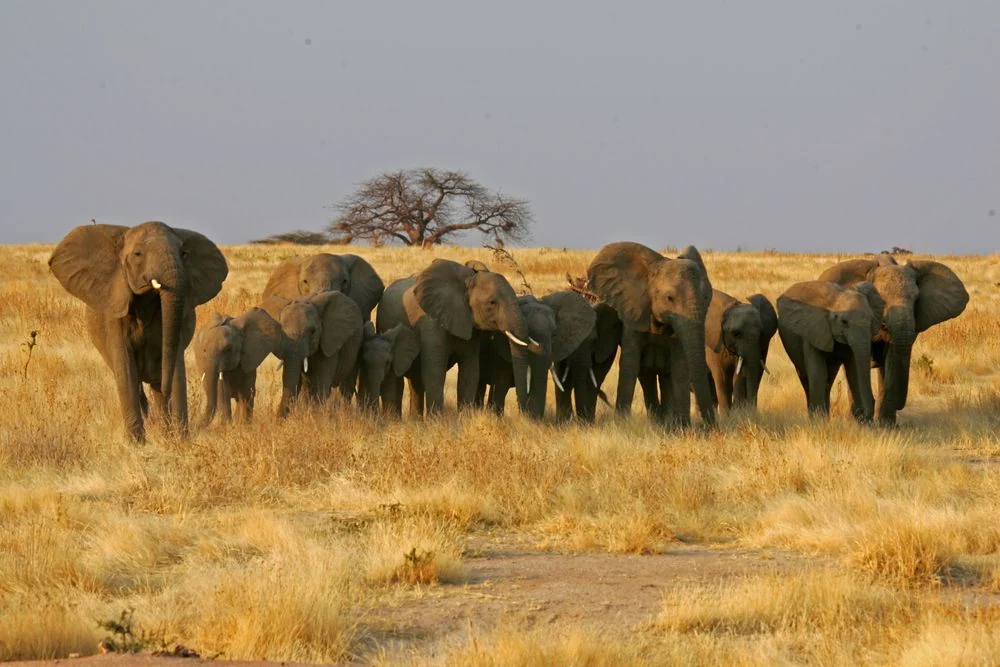
A budget safari in Tanzania is possible, but park and conservation fees are a large part of the cost, so savings come from lodging, shared vehicles and the choice of route. You sleep in simple lodges and basic camps, travel in a shared or smaller vehicle and keep meals plain. A well-planned budget route can still include the Serengeti, the Ngorongoro Crater and Tarangire. This guide explains what a budget safari in Tanzania includes, where you can save and what you give up.
What a budget safari in Tanzania includes
Accommodation is a simple lodge, a basic tented camp or a campsite. Rooms are clean and safe, with a bed and a bathroom, though bathrooms are sometimes shared in the simplest places. They are small and plain, without the pools and views of a higher-end lodge.
You travel with a guide and a vehicle, which may be shared with other travellers on some days. Meals are fresh and filling. Routes use road travel rather than flights, and some use group departures to share costs. The parks, the wildlife and the guiding standards are the same as at any other tier.
A budget route usually keeps days long and accommodation simple. You spend the day with the animals and return to a basic camp for dinner and sleep. Many travellers say the evenings around a fire, under a very large sky, are among the best parts of the trip.
Where a budget approach works best in Tanzania
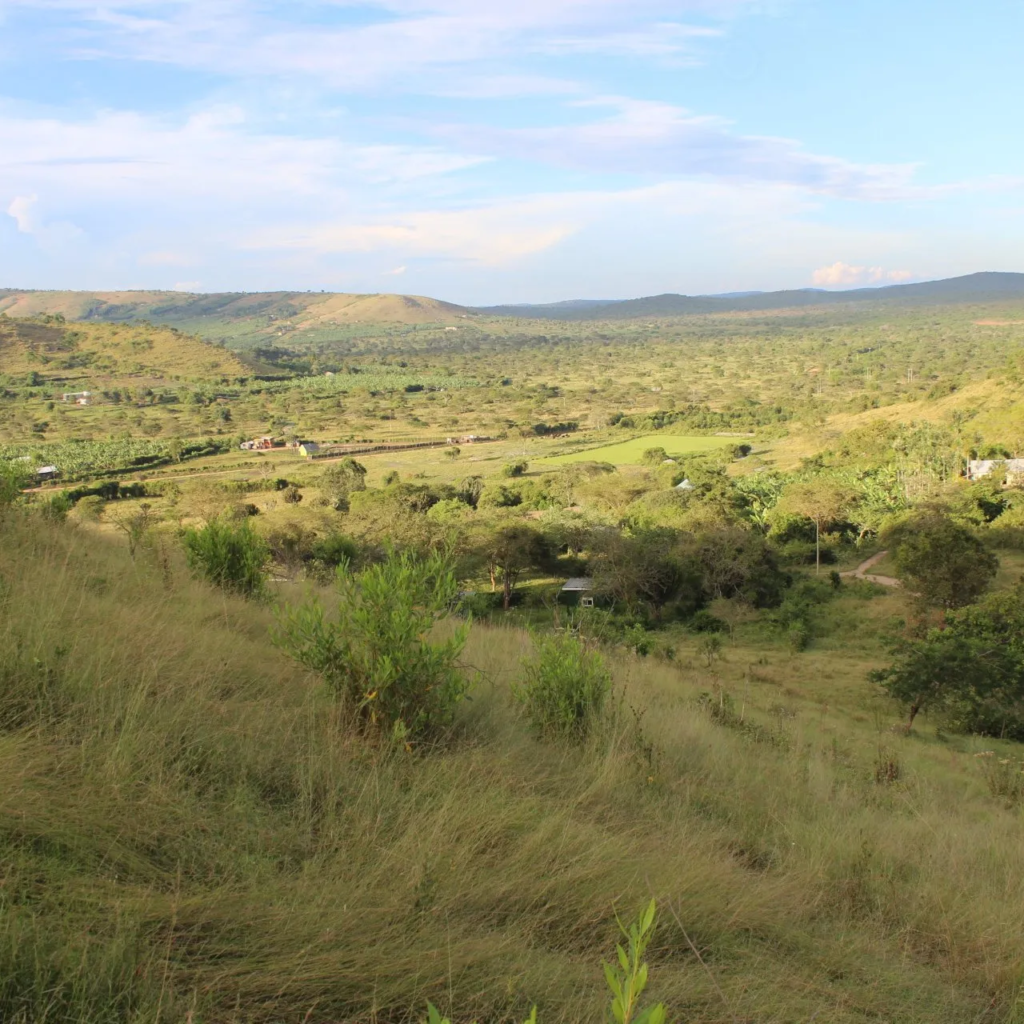
Tarangire and Lake Manyara are good value, with simple lodges and campsites near the gates, and they suit shorter routes. The town of Karatu has simple lodges a short drive from the Ngorongoro Crater, which saves money compared with staying on the rim.
In the Serengeti, simple lodges and public campsites keep costs down, though the fees are high. Many budget routes spend fewer nights in the park and more in cheaper areas nearby. We explain the trade-offs, such as longer drives, before you decide.
If you want one comfortable night, we can upgrade it. Many travellers choose a better lodge in the Serengeti and keep other nights simple. That puts the money where the experience is strongest, and the total stays within reach.
The migration and the crater on a budget safari in Tanzania
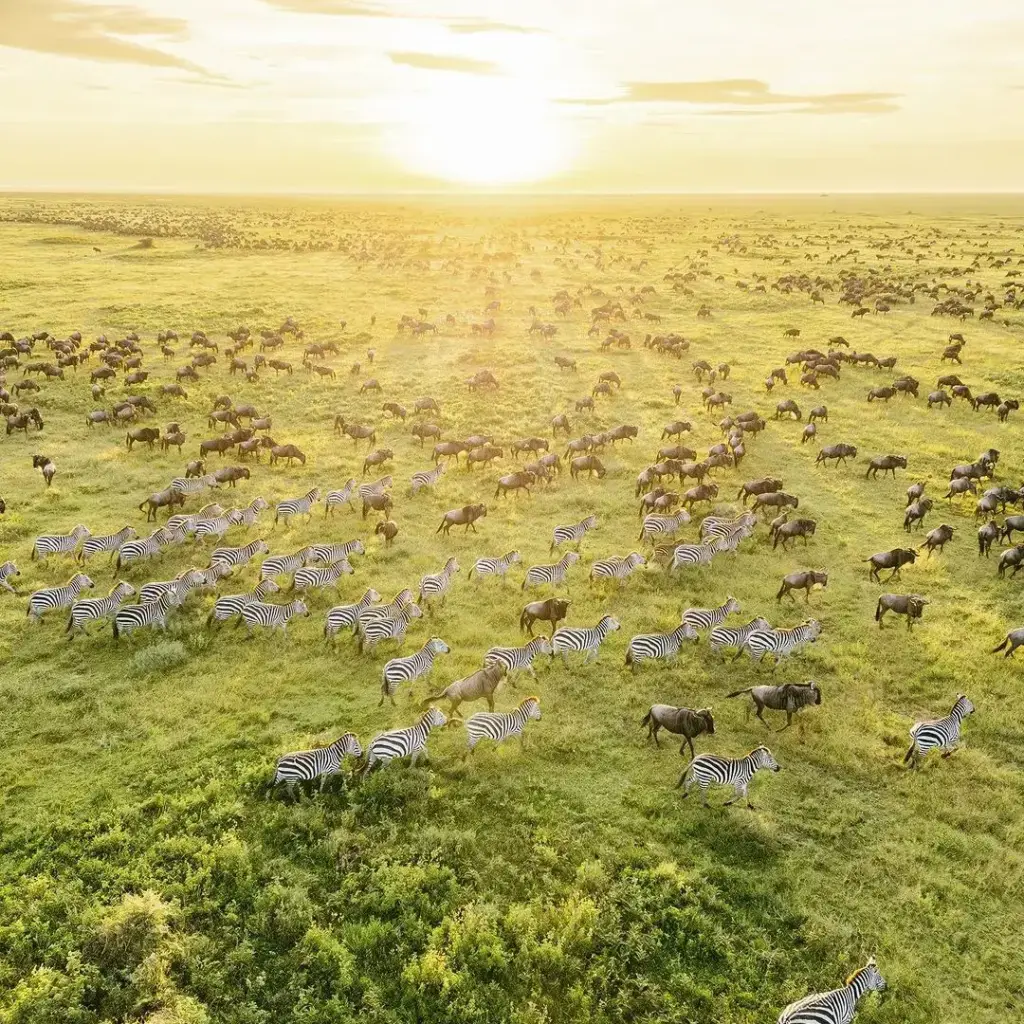
The migration moves through the Serengeti all year. A budget route can still reach the herds, with the time of year chosen to match your budget. January to March, for calving in the south, and the dry months around the central Serengeti offer good viewing at a measured cost.
The Ngorongoro Crater is a highlight of any route. A descent includes a vehicle fee and a crater fee, and the crater is one of the best places in Africa for rhinos and lions. Park and conservation fees are separate from lodging and change. Check current rates before you set a budget.
Tarangire adds elephants in the dry season, and Lake Manyara adds forest and birds. A route that includes these with the Serengeti and the crater covers the northern circuit in six or seven days.
Getting around Tanzania on a budget safari
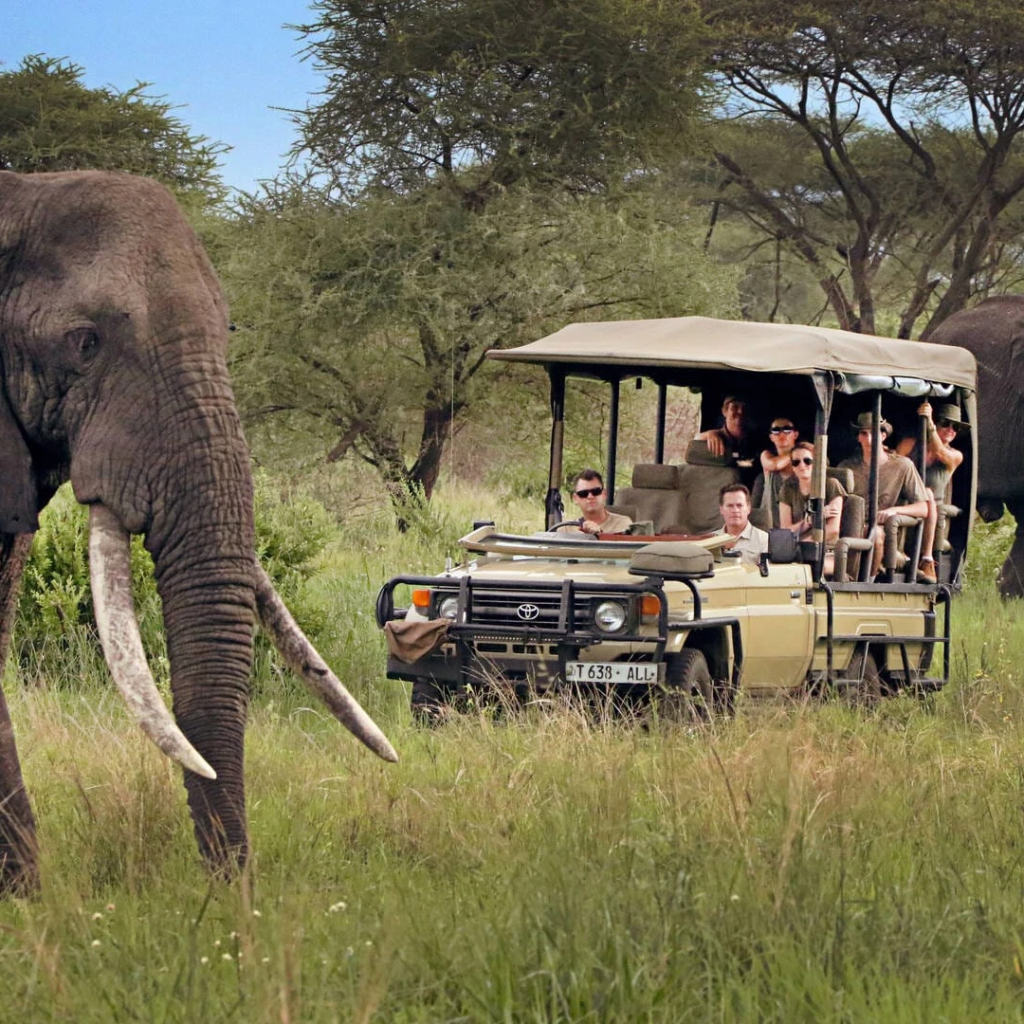
Budget routes travel by road from Arusha in a shared or smaller vehicle. Arusha to Tarangire takes about two to three hours, to the Ngorongoro Crater about four, and to the Serengeti about eight, usually with a stop. We choose the order so the longest drive comes when you have rested.
Group departures share the vehicle cost between travellers, and a small group of friends or family shares it too. Ask us to price your route for two, four and six people. The difference per person can be large, because the vehicle and the fees are a large part of the cost.
A typical budget route might run like this. Arrive in Arusha and spend a night in a simple hotel. Tarangire for one night, Karatu for one, the Serengeti for two, and back to Arusha. A longer route adds Lake Manyara. Each stage is by road, so the costs stay predictable and the scenery is part of the trip.
When to go for a budget safari in Tanzania
The Serengeti is good all year, but July to October is the busiest and most expensive time. January to March suits calving and has lower rates than the peak. Tarangire is best from June to October.
The long rains, April and May, bring the lowest rates, with green plains and muddy roads. The short rains, November and December, are lighter. Wildlife viewing continues all year.
Practical tips before you book a budget safari in Tanzania
Tell us your approximate budget at the start, and we will shape the route around it. Bring warm layers for early mornings and cold evenings on the crater rim, a rain jacket, a hat and a refillable bottle. Carry small cash for tips.
Allow time for long drives, and ask us about the order of the route. Check your travel insurance covers medical care and evacuation. Ask your doctor about malaria precautions. If you need a special diet, tell us in advance.
If you are unsure whether simple camps will suit you, ask. We describe each place honestly, including the plain parts, so you choose with open eyes. A rest afternoon after the longest drive makes the next morning’s game drive much better.
How Offmap plans a budget safari in Tanzania
We start with your dates and the budget you have in mind, then place the money where it matters most to you. That may mean simple lodging all the way, or one upgraded night for a highlight. We handle transport, lodging and fees, and one person looks after your trip.
To compare the three tiers, read our guide to a budget safari in East Africa or how to choose a safari budget. Browse our Tanzania safaris or the budget safaris page. When you are ready, tell us your plans on the Plan My Safari page.
Frequently asked questions
Can you do a Tanzania safari on a budget?
Yes. Savings come from simple lodging, shared vehicles and the choice of route. Park and conservation fees are a large part of the cost and cannot be reduced, so we plan around them. Check current rates. We shape the route around your budget.
Is the Serengeti possible on a budget?
Yes. Simple lodges and campsites, fewer nights in the park and a shared vehicle lower the cost. The wildlife is the same, though some drives are longer. We explain the trade-offs and build the route around your priorities. Tell us your dates and group size, and we will send a sample route and a clear price.
What is the best month for a budget safari in Tanzania?
April, May and November bring the lowest rates, but roads are muddier. January to March suits calving at a mid-level cost. June to October is the dry season and the busiest. We choose the month with you, based on your budget.
Are shared safaris safe and well run?
Yes. Shared departures use the same parks, guides and vehicles as private trips, with a group of travellers. We choose each camp ourselves and keep the group small. Tell us if you prefer a private vehicle, and we will price both.