
Where a Kenya safari can take you
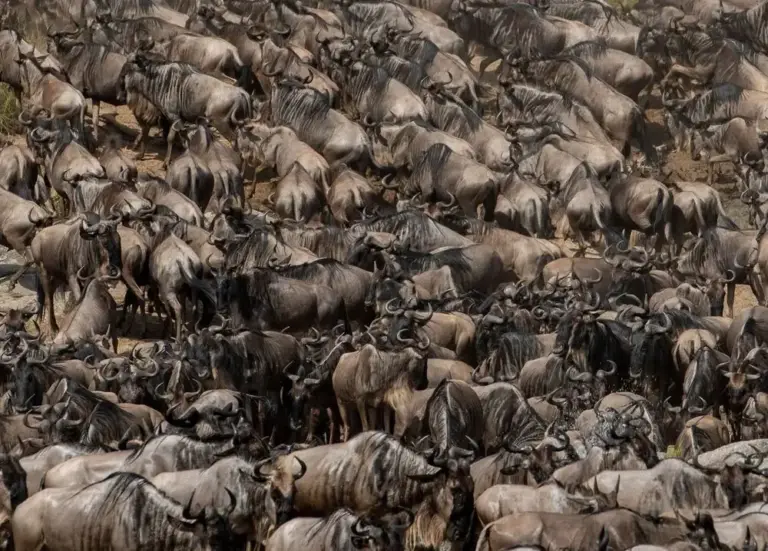
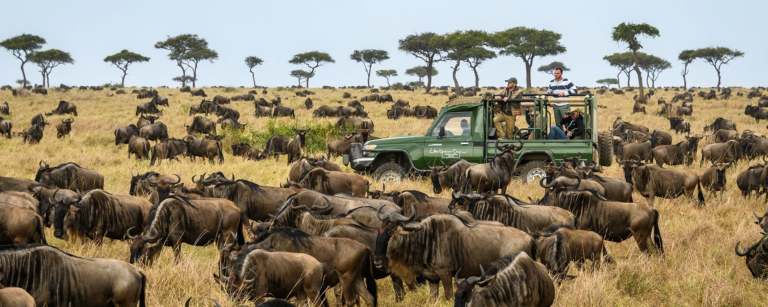
- The Maasai Mara. Big cats, open plains and the river crossings of the Great Migration. The Maasai Mara National Reserve is the headline and the private conservancies around it: Naboisho, Olare Motorogi and Mara North keep vehicle numbers low. Some conservancies also allow walking and night drives.
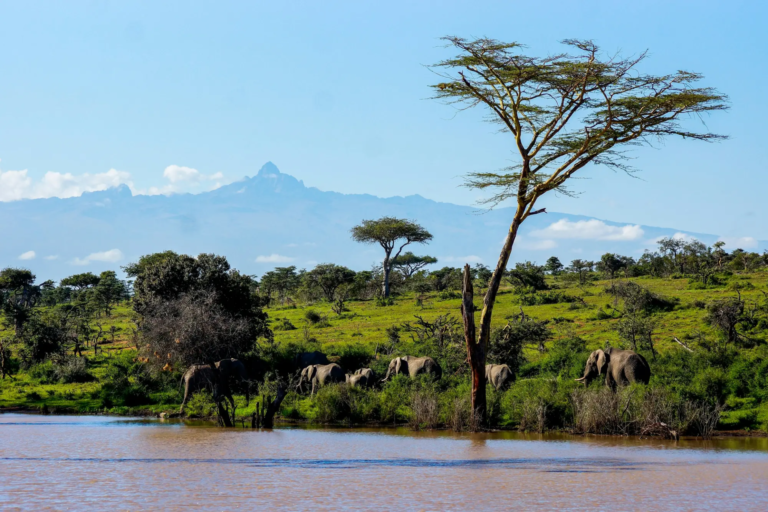
- Amboseli. Large elephant herds with Kilimanjaro rising behind them on a clear morning. Amboseli National Park is compact and works well as a two night stop.
- Samburu. A drier, wilder north. Samburu National Reserve is known for five species rarely seen further south: Grevy’s zebra, reticulated giraffe, Somali ostrich, gerenuk and beisa oryx. Meet the people of the region through Samburu culture.
- Laikipia and Lewa. Private conservancies where rhinos are protected and guests can ride, walk or track on foot. See Laikipia and Lewa Wildlife Conservancy.
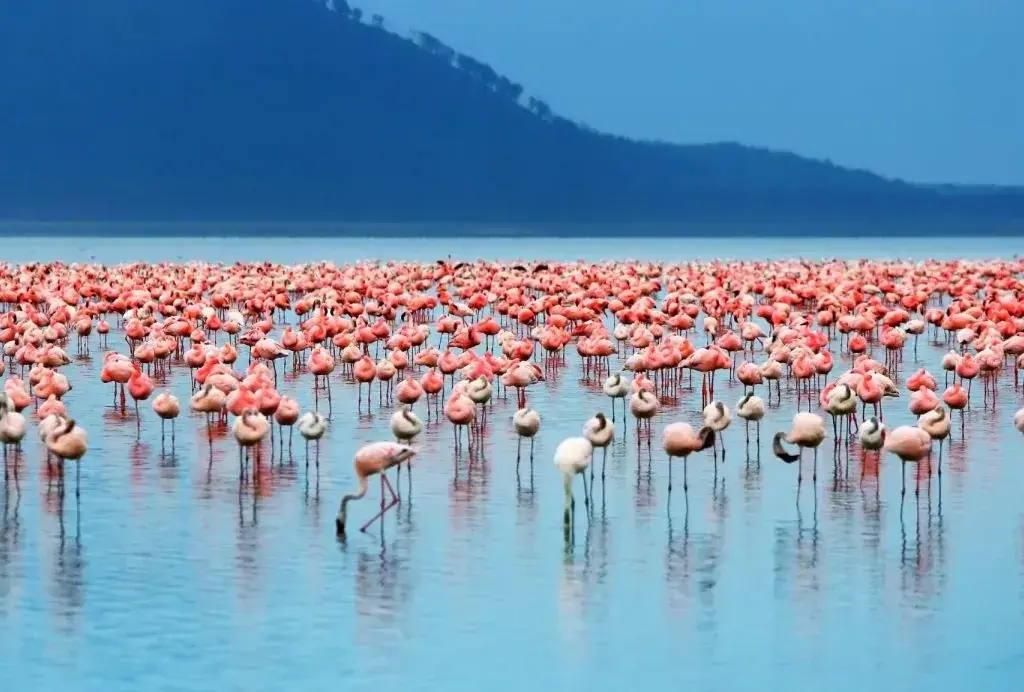
- Lakes and the Rift Valley. Lake Nakuru, Lake Naivasha and Hell’s Gate add birdlife and walking on the way between parks.
- The coast. Diani Beach, Watamu and Lamu Old Town finish a trip with sand and Swahili culture.
Three routes to start from
These are starting points. Every one of them changes once we know your dates and your pace.
- Seven nights, the classic: Two nights in Amboseli then fly to the Mara for four nights with a night in Nairobi at each end. Good for a first safari.
- Ten nights, wild north and the Mara: Add Samburu or Laikipia before the Mara and you see a different Kenya with fewer vehicles and more variety in the animals.
- Twelve nights, safari and ocean: The classic loop followed by four nights at Diani or in Lamu.
Prefer to see what we have already designed? Browse the Kenya safaris or look at the full list of Kenya itineraries and ask us to change anything.
When to go
The Mara River crossings usually fall between July and October which is also the busiest and most expensive stretch for lodges. January and February are dry and quiet. The long rains in April and May bring green landscapes, lower lodge / camp rates and some camps temporarily close for part of that period. Amboseli and Samburu work well in the main dry seasons: June to October and December to February. Our guide to the best time for an African safari shows the whole year month by month.
What you can shape
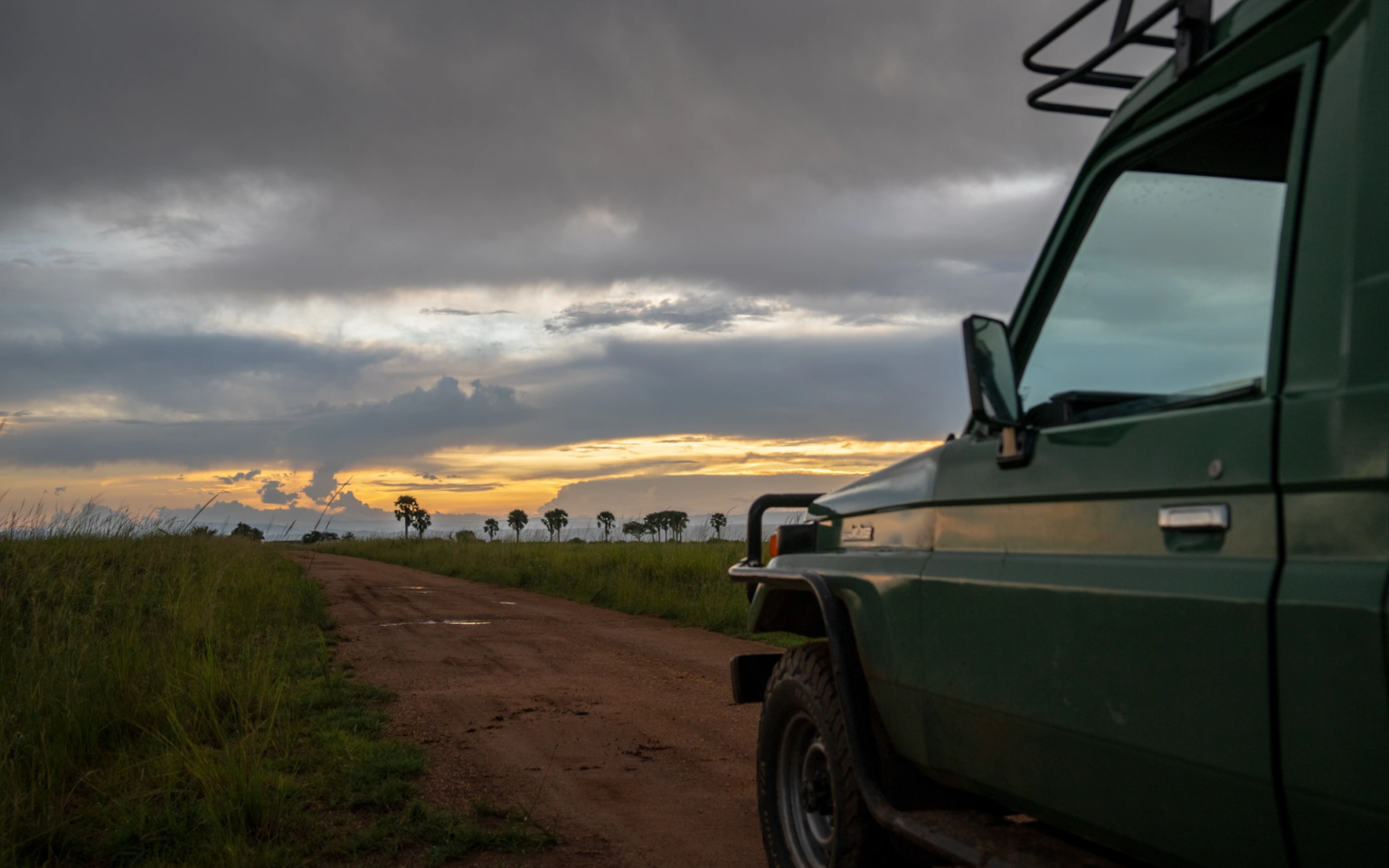
- Fly between parks to save road time or drive with a private guide and stop where you like.
- Stay in a classic tented camp, a conservancy lodge or a small private house.
- Add a walking safari, a hot-air balloon flight over the Mara or a visit to the David Sheldrick Wildlife Trust in Nairobi.
- Travel as a couple, as a family or as a small private group. Children are welcome and we match lodges to their ages.
- Combine Kenya with Tanzania, Uganda or Rwanda in one trip. See our combined safaris.
What to know before you book
Conservancy lodges and the Mara in migration season often sell out many months ahead so an early enquiry gives you the widest choice. We check entry requirements for your passport and share the current guidance on our visa and entry page. If you plan to add gorilla or chimpanzee trekking in Uganda or Rwanda, those permits are limited and non-refundable once issued. Read the gorilla permit checklist before you decide.
Offmap Safaris is a tour operator and our team designs and runs each trip with local drivers, guides and partner lodges. For how pricing works, read what an African safari costs. Travelling from abroad? We have notes for visitors from the UK and from the USA.
Other tailor-made safaris
See the main tailor-made safaris page or go straight to Tanzania, Uganda or Rwanda.
Start your Kenya safari
Send us your dates, your group and the animals you most want to see. We reply with a route and a single price. Use the Plan My African Safari form or contact us directly.
Plan a safari that includes Kenya
Our team plans private, tailor-made safaris, so we can build a trip around Kenya and adjust the days, lodges and pace to suit you.