Skip to content
UGANDA • RWANDA • KENYA • TANZANIA • PRIVATE & TAILOR-MADE SAFARIS
OFFMAPSAFARIS: Home

Kenya

Samburu Culture

Things to do: Cultural Experiences, Community Visits, Wildlife Safaris, Nature Walks.

About this place

Why come here.

The Samburu are a semi-nomadic pastoralist people of northern Kenya, closely related to the Maasai and sharing a dialect of the same Maa language alongside many cultural traditions. Concentrated in Samburu County and parts of Isiolo and Laikipia, the Samburu have herded cattle, goats and sheep across this arid and semi-arid landscape since migrating south from Ethiopia around the 16th century.

CountryKenya
RegionSamburu County, Kenya
Best timeYear-round; the drier periods generally offer easier conditions for outdoor activities.
Things to doCultural Experiences, Community Visits, Wildlife Safaris, Nature Walks

Explore Samburu Culture in detail →

Safaris in Kenya

Safaris built around Kenya

All Kenya Safaris →

In detail

Discover Samburu Culture.

The culture at a glance

  • A semi-nomadic pastoralist people of northern Kenya, closely related to the Maasai
  • Speak a dialect of the Maa language, shared with Maasai communities further south
  • Herd cattle, goats and sheep across Samburu County, Isiolo and Laikipia
  • Migrated to the region from Ethiopia around the 16th century
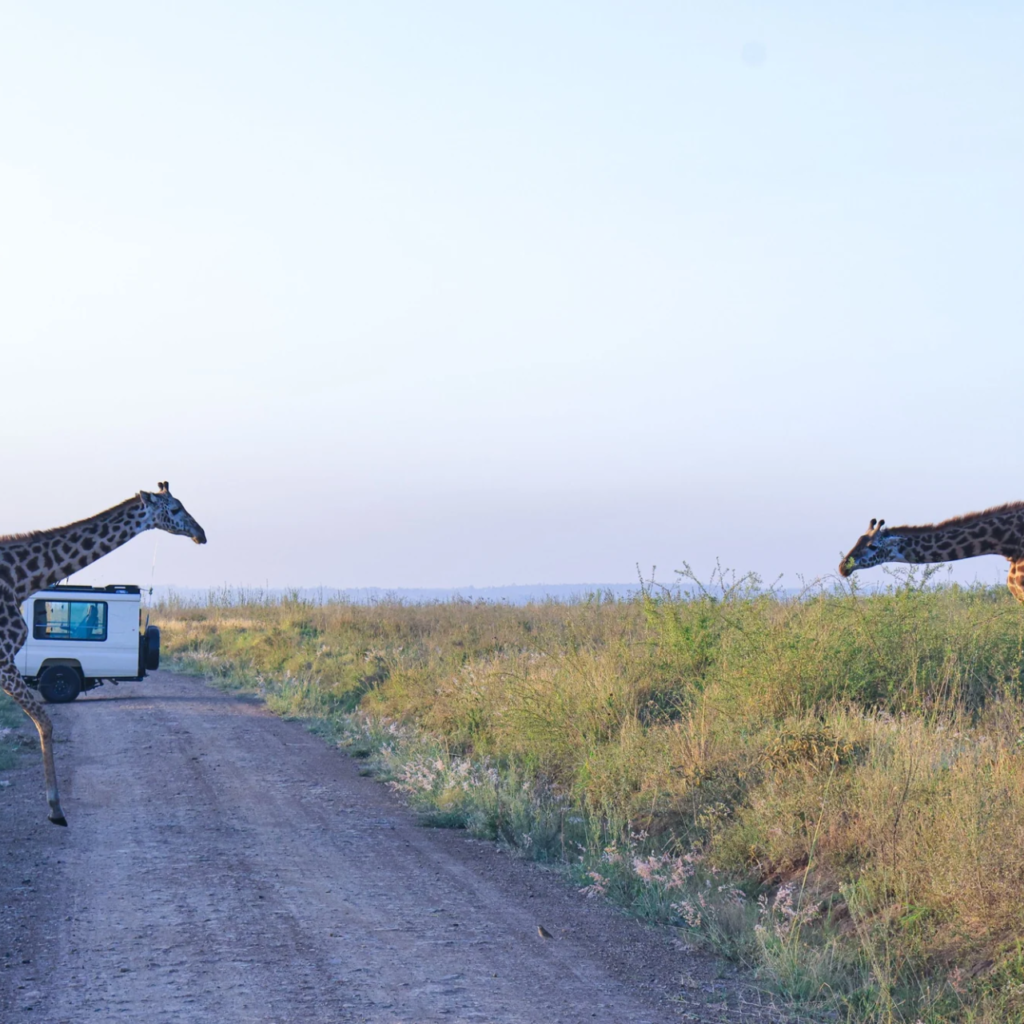
Uganda giraffes safari vehicle

A distinctive dress and beadwork tradition

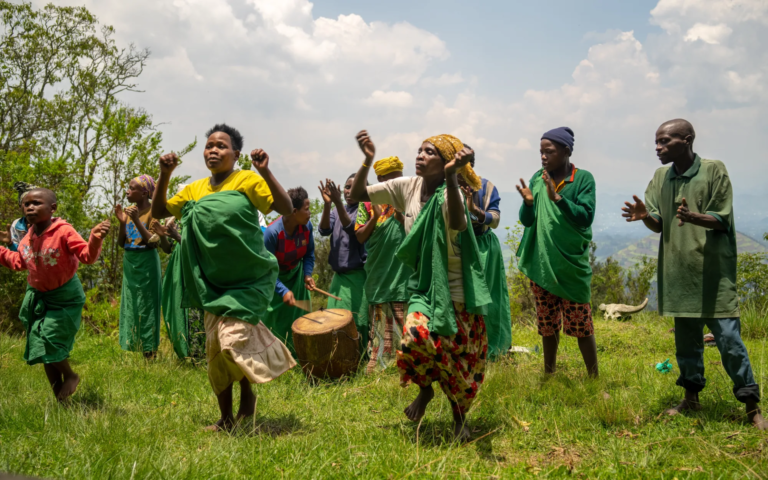
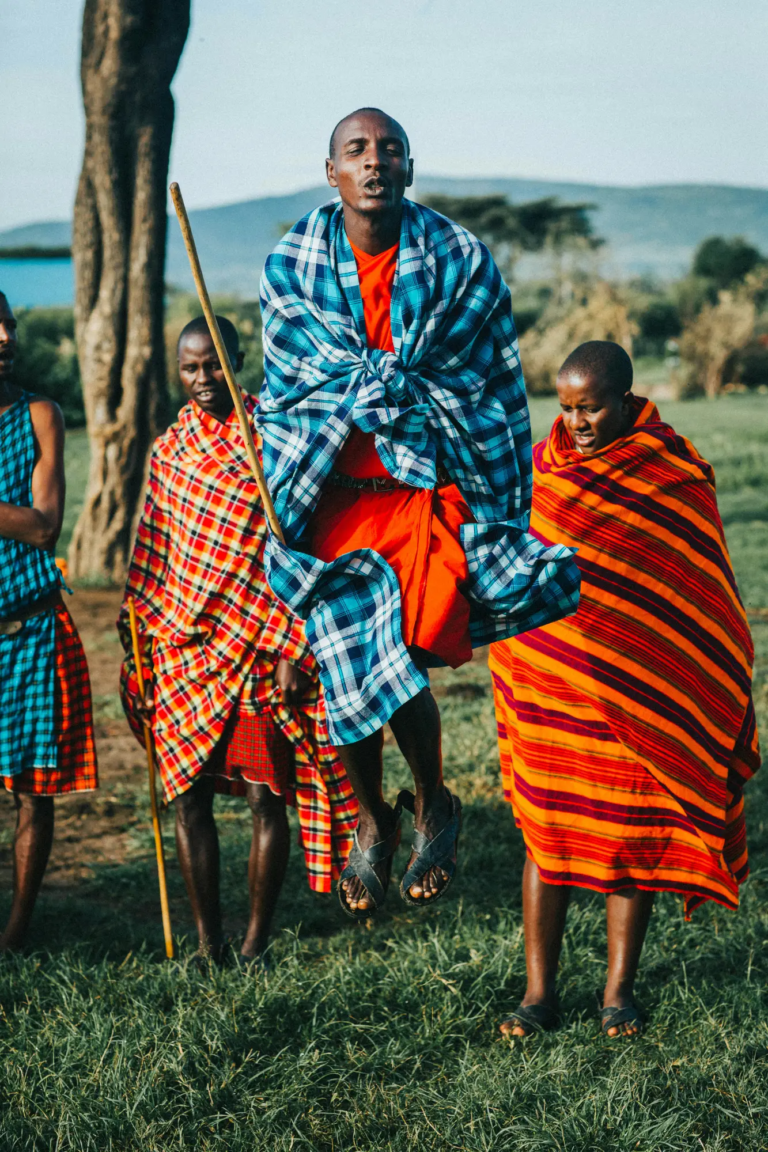
Samburu identity is expressed vividly through dress, with men typically wearing red shuka cloth and women adorned in elaborate, colourful beaded necklaces and jewellery. The beadwork carries real cultural meaning, with patterns and colours often signalling a wearer’s age, marital status and standing within the community, making it far more than decoration.

A pastoralist life shaped by the land

Livestock remains central to Samburu life and economy, with cattle, goats and sheep providing food, wealth and social status, supplemented by small-scale subsistence farming where conditions allow. This pastoralist rhythm, moving herds seasonally in search of water and grazing, continues to shape daily life across the dry landscapes of northern Kenya, even as more Samburu communities engage with tourism and modern livelihoods.
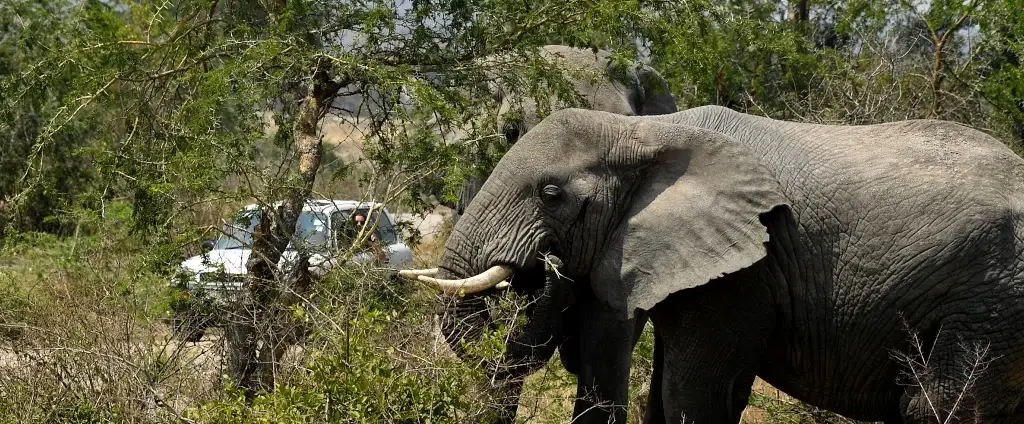
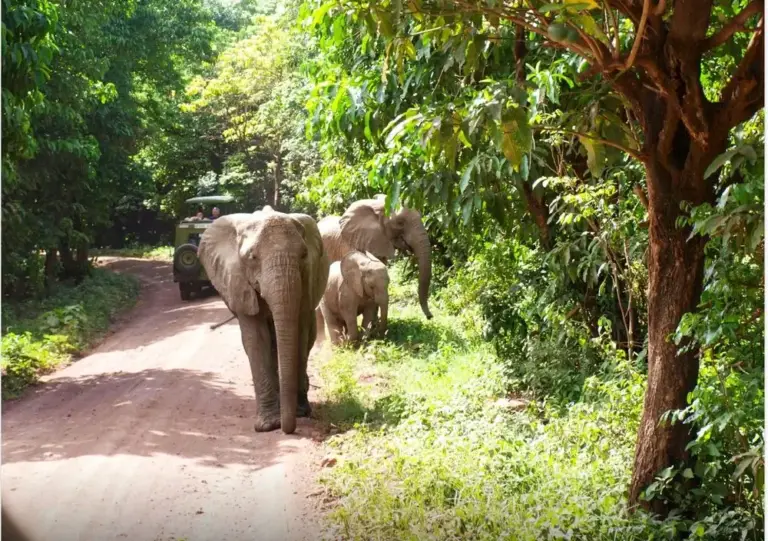
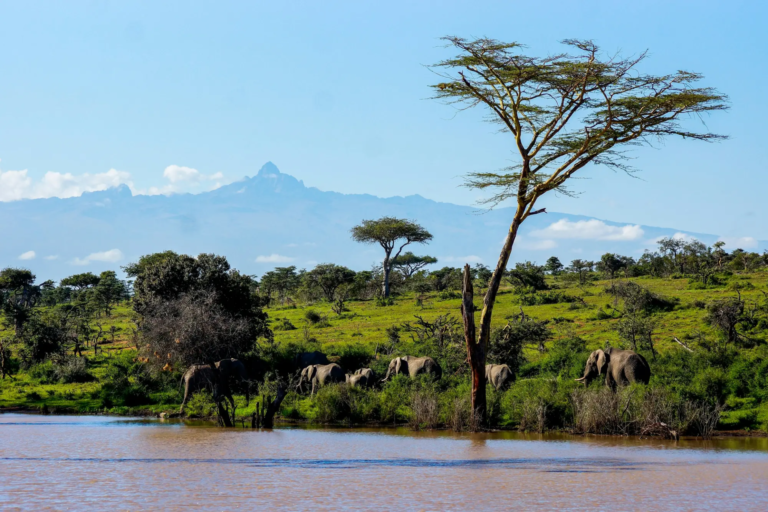
Safari elephant near vehicle

Things to do

  • Visiting Samburu villages for guided cultural encounters
  • Learning about traditional beadwork and its meanings
  • Combining a cultural visit with wildlife viewing in Samburu National Reserve

Practical information

  • Best experienced through community-led visits arranged with respect for local customs
  • Naturally combined with a safari to Samburu National Reserve in the same region
  • Photography of individuals should always be with permission, as is customary across Kenya

Samburu culture offers a genuine window into one of northern Kenya’s most distinctive living traditions. Offmap Safaris can build a respectful cultural visit into a northern Kenya itinerary. To start planning, visit Plan My African Safari, message us on WhatsApp at +256 701 243 304, or email [email protected]. See also our notes on health and safety and responsible travel.

Plan a safari that includes Samburu Culture

Our team plans private, tailor-made safaris, so we can build a trip around Samburu Culture and adjust the days, lodges and pace to suit you.
Plan my safari Ask us on WhatsApp All Kenya safaris

More places to explore in Kenya

Travel Guide

Knowledge connected to this page

Read planning and destination stories connected to this Offmap entity.

Explore the Travel Guide →

Need to know?

Questions about Samburu Culture

View all FAQs →
How are the Samburu related to the Maasai?

The Samburu are closely related to the Maasai, speaking a dialect of the same Maa language and sharing many cultural traditions, though the two are distinct communities.

Where do the Samburu people live?

The Samburu live in northern Kenya, concentrated in Samburu County and parts of Isiolo and Laikipia counties.

What does Samburu beadwork represent?

Samburu beadwork carries real cultural meaning, with patterns and colours often signalling a wearer’s age, marital status and standing within the community.

How do the Samburu make a living?

The Samburu herd cattle, goats and sheep across the arid and semi-arid landscapes of northern Kenya, supplemented by small-scale subsistence farming.

Can I visit a Samburu community on safari?

Yes, community-led cultural visits are commonly combined with a safari to nearby Samburu National Reserve, offering a respectful introduction to local traditions.

From the Offmap Travel Guide

More about Kenya

Read the Travel Guide →

Your Africa, your way

Ready to start planning?

Tell us what you want to experience and we will help shape the safari.

Plan My Safari →