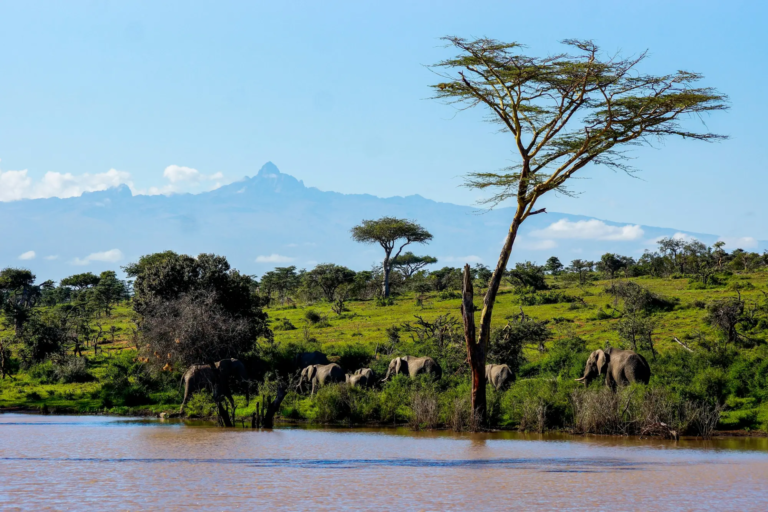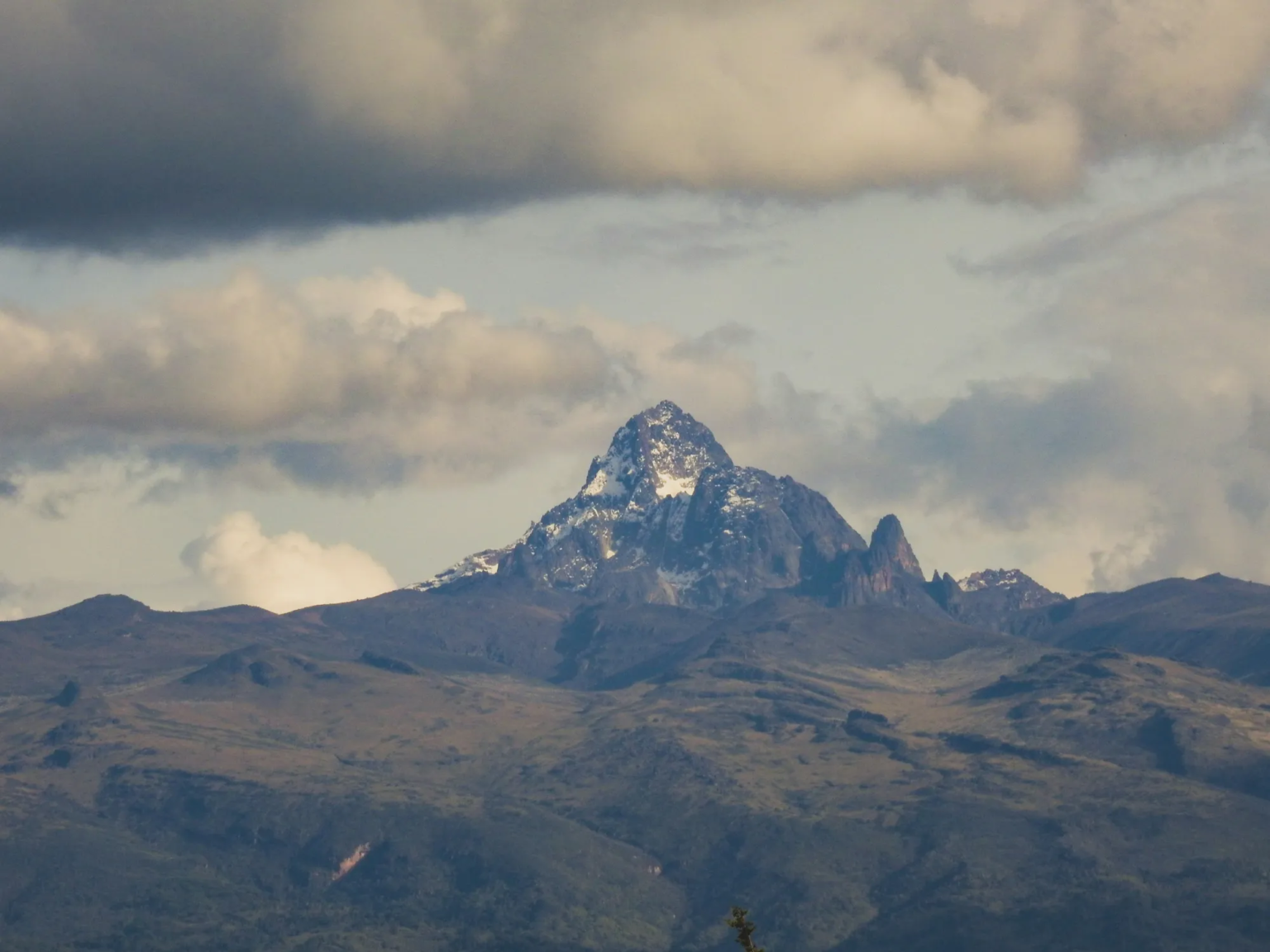
Lewa Wildlife Conservancy sits in Meru County, between Isiolo town and the slopes of Mount Kenya, and is one of the best-known private conservation success stories in East Africa. Together with the adjoining Ngare Ndare Forest, the protected area covers more than 250 sq km and forms part of the Mount Kenya UNESCO World Heritage Site.
The conservancy at a glance
- Over 250 sq km, combining the core conservancy and Ngare Ndare Forest
- Located between Isiolo and Mount Kenya, within the wider Laikipia-Samburu landscape
- Part of the Mount Kenya UNESCO World Heritage Site
- Run as a not-for-profit conservation and community organisation
From cattle ranch to rhino sanctuary
The Craig family received the land in 1922 and ran it as a cattle ranch for more than fifty years. In 1983, Ian Craig partnered with conservationist Anna Merz to set aside a fenced section as the Ngare Sergoi Rhino Sanctuary, a direct response to the poaching crisis that had devastated Kenya’s rhino population. The protected area was expanded over the following years, and by 1994 the adjoining Ngare Ndare Forest Reserve had been brought into the conservation area, creating the Lewa Wildlife Conservancy known today.
Rhinos and other wildlife
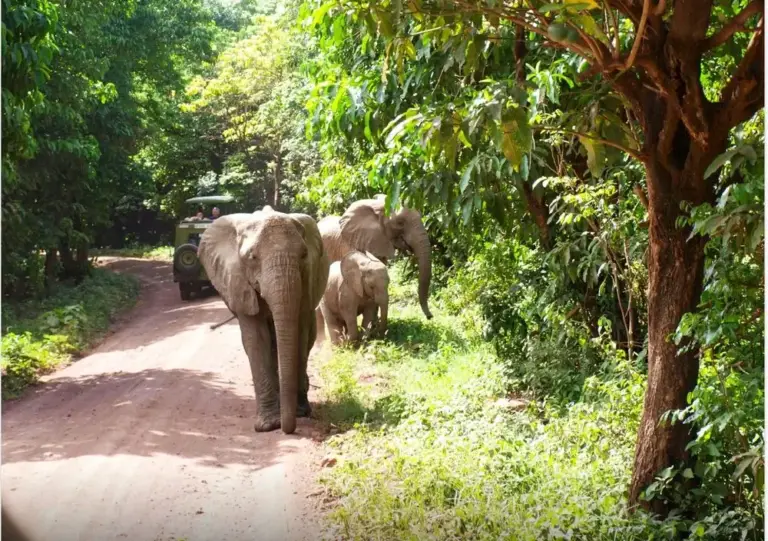
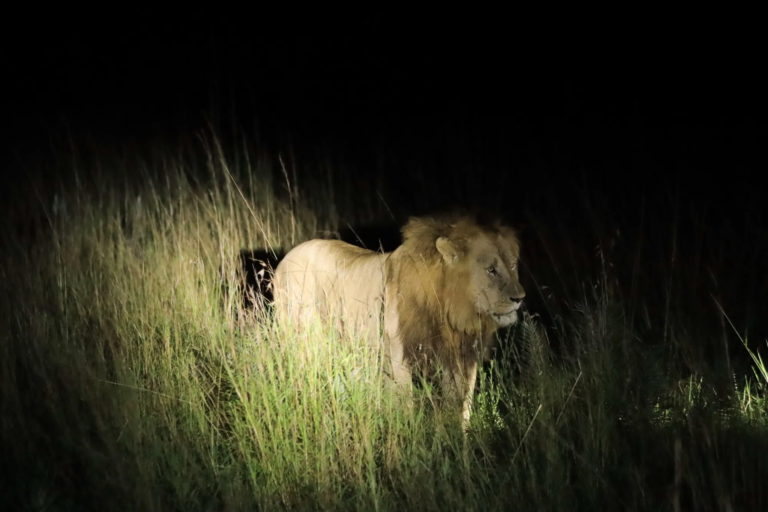
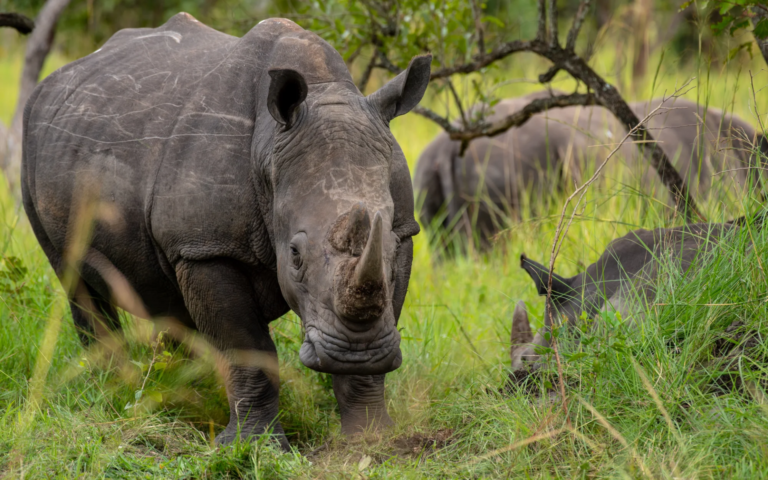
Lewa now protects more than a tenth of Kenya’s eastern black rhino population and also supports southern white rhino. It is home to the largest single population of Grevy’s zebra in the world, with several hundred individuals recorded. The conservancy also supports the “big five,” along with sitatunga in its wetter margins, and functions as an important wildlife corridor linking Mount Kenya to the wider Laikipia and Samburu ecosystems.
Community conservation
Lewa is widely cited as a model for community-centred conservation in Africa, running education programmes for local schools and channeling tourism revenue into surrounding communities, an approach that has been replicated by conservancies across northern Kenya.
Things to do
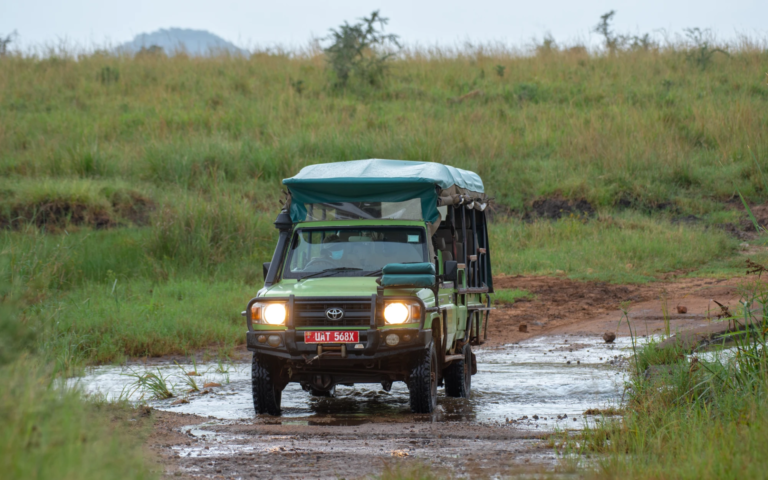
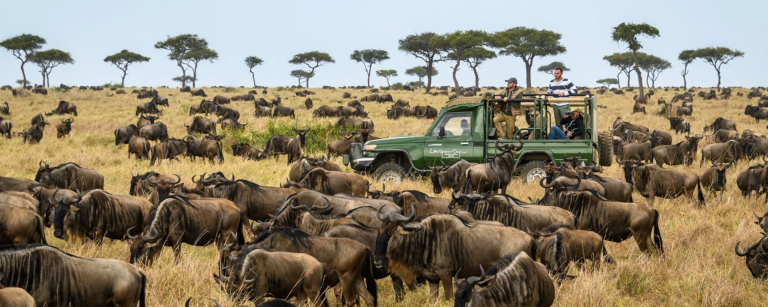
- Game drives focused on rhino, Grevy’s zebra and predators
- Guided walking safaris and horseback rides where offered by camps
- Community and conservation visits explaining Lewa’s rhino monitoring work
- Access to Ngare Ndare Forest, including its canopy walkway and natural swimming pools
Practical information
- Reached by road from Nanyuki or Isiolo, or by scheduled flights to Lewa’s airstrips
- Visits are arranged through the conservancy’s lodges and camps, which also cover conservation fees
- Best visited in the dry seasons from June to October and January to March
Lewa pairs easily with other parts of the Laikipia and Samburu region for travelers who want strong conservation stories alongside classic game viewing. Offmap Safaris can build a Lewa stay into a wider northern Kenya route. To start planning, visit Plan My African Safari, message us on WhatsApp at +256 701 243 304, or email [email protected]. See also our notes on health and safety and responsible travel.