
Ziwa Rhino Sanctuary
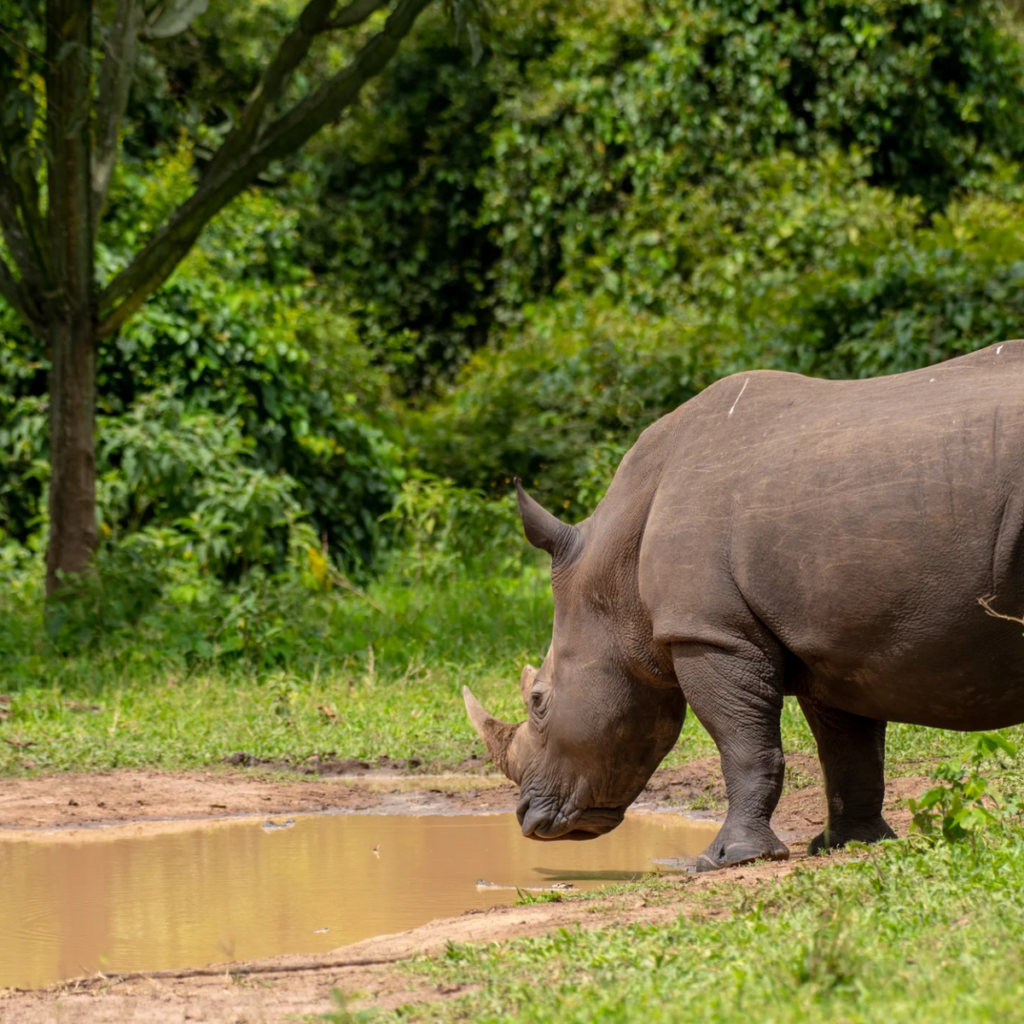
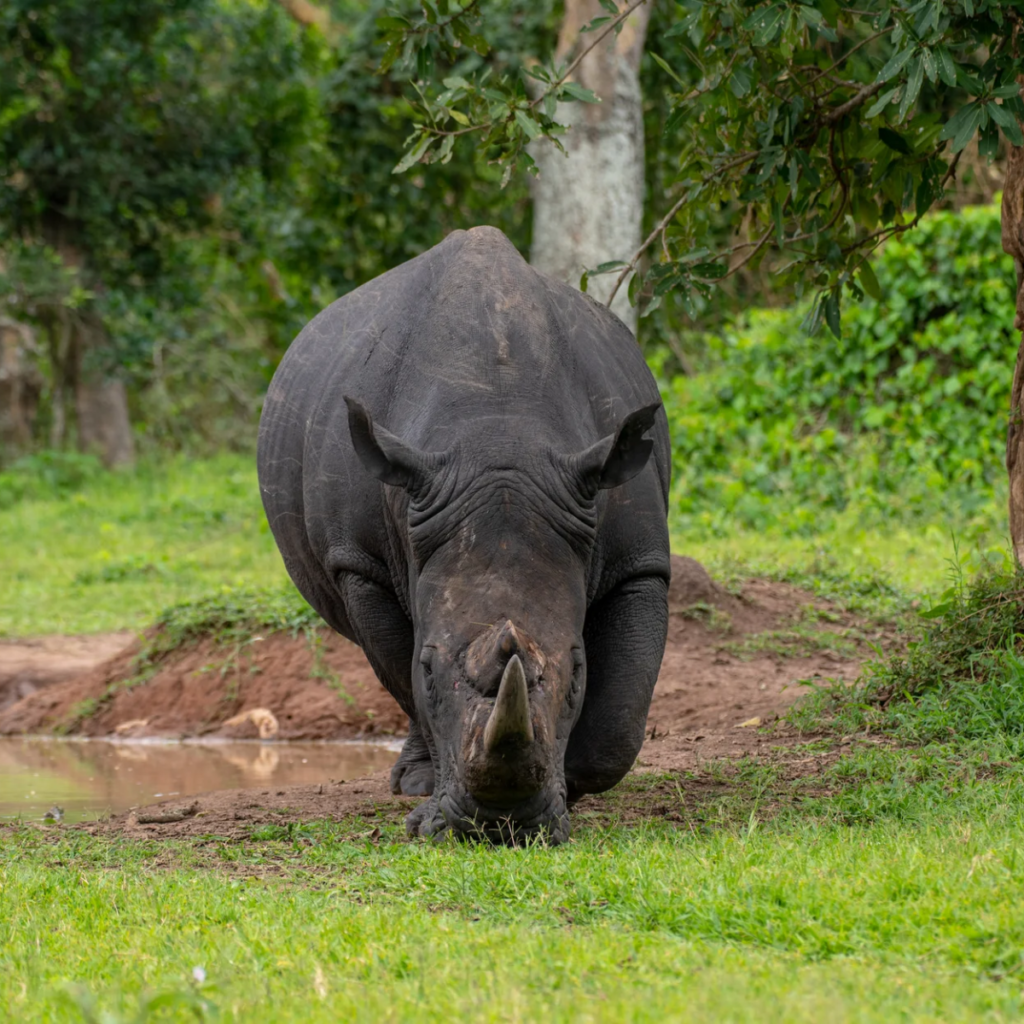
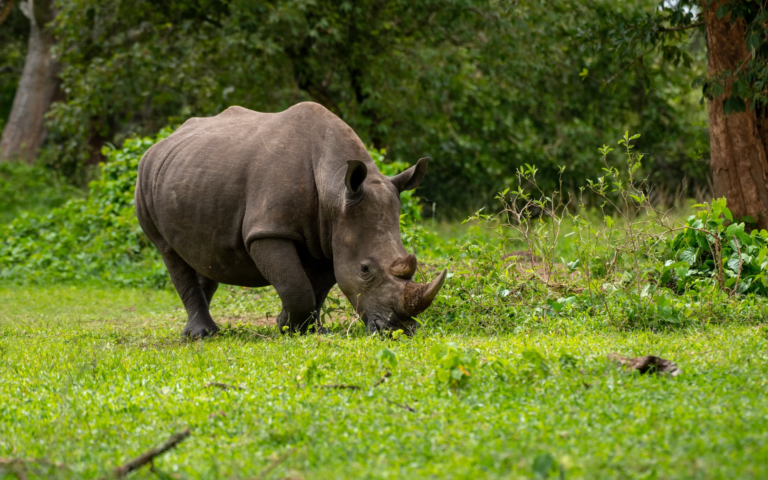
Ziwa Rhino Sanctuary, a 70-square-kilometre former cattle ranch on the Kampala-Gulu road near Nakasongola, holds Uganda’s entire rhino population under the Rhino Fund Uganda project, working with the Uganda Wildlife Authority toward the eventual goal of reintroducing rhinos into Uganda’s national parks. The sanctuary began with a handful of southern white rhinos donated from Kenya and Disney’s Animal Kingdom in the early 2000s, and the herd has grown through natural breeding since, with most of today’s rhinos born at Ziwa itself.
How tracking works
Visitors track rhinos on foot, accompanied by armed Uganda Wildlife Authority rangers who monitor the herd’s movements daily and know roughly where each animal is before a walk begins. Ziwa’s flat, open savannah terrain makes for an easy walk compared with forest-based tracking activities, typically taking under an hour from the visitor centre to reach the rhinos and back. Guides talk through rhino behaviour, diet and the sanctuary’s breeding history throughout, and closed shoes are recommended, since low ranch-land thorns are the main hazard rather than the animals themselves.
Southern white rhinos up close
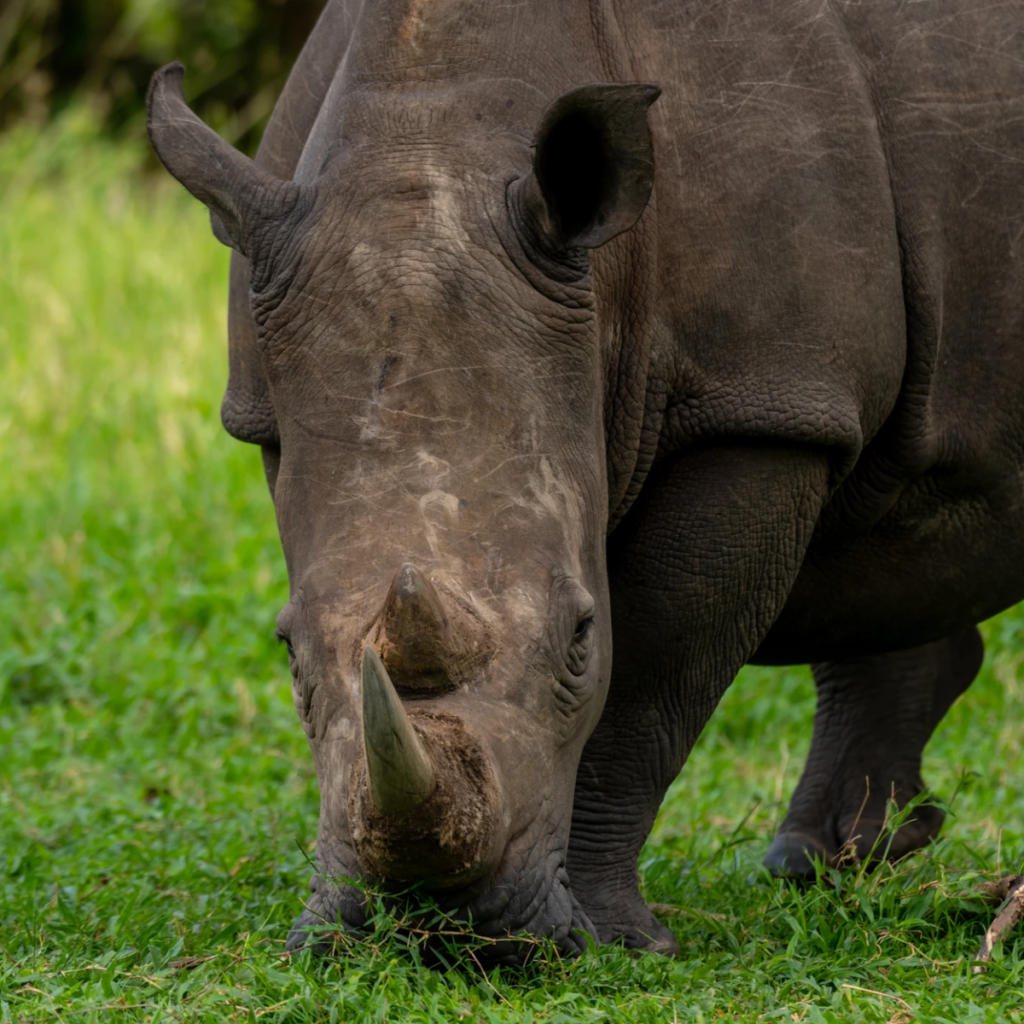
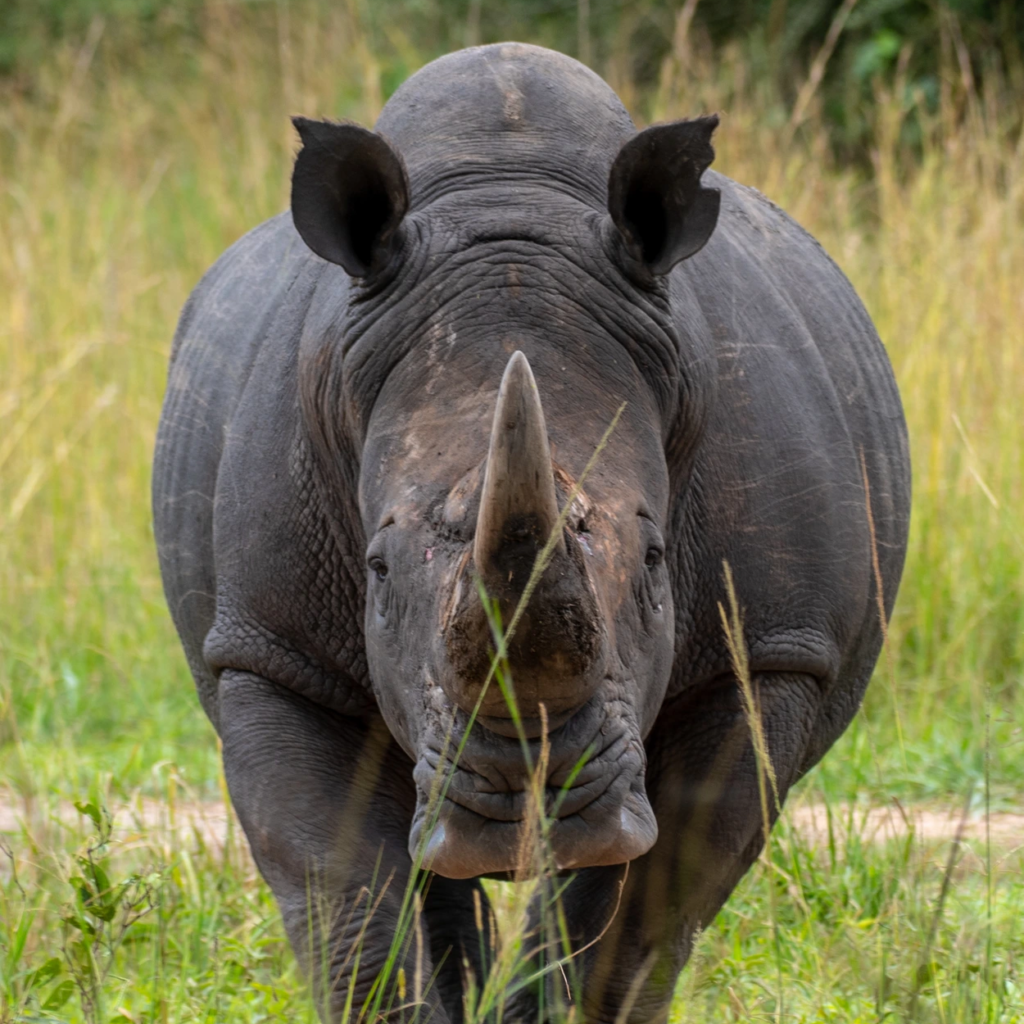
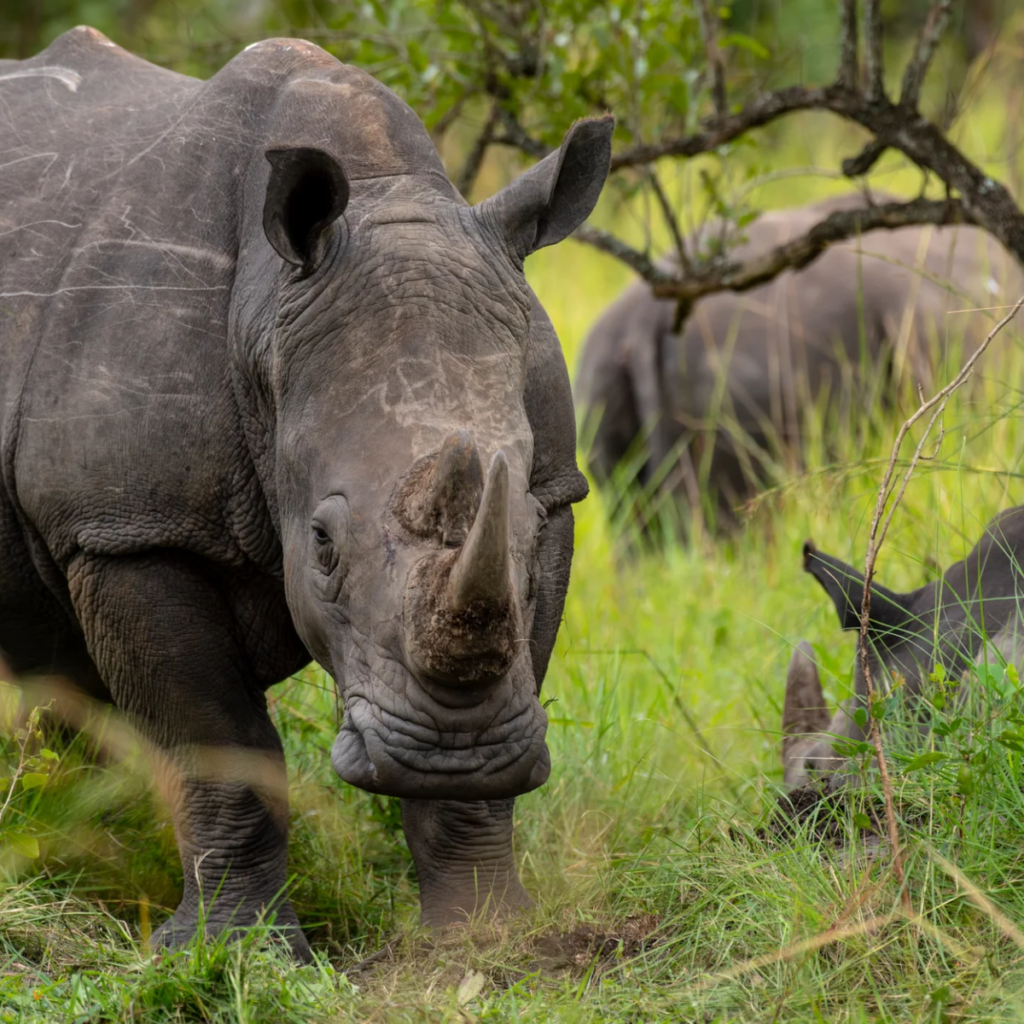
Southern white rhinos are the calmer of Africa’s two rhino species, grazing for much of the day on the 80 to 100 kilograms of grass an adult needs daily, and generally unbothered by a small group of visitors kept at a safe, ranger-managed distance. They can run at 40 to 45 kilometres per hour over short distances if startled, which is the reason rangers keep visitors upwind and at a set distance rather than approaching directly, but confrontations are rare outside a mother protecting a calf.
Beyond the rhinos
Ziwa’s grassland and wetland habitat supports over 350 recorded bird species alongside seven antelope species, and visitors combining a rhino walk with a canoe outing on the sanctuary’s wetland channels often add a strong morning of birding to the day. Leopards, hippos, crocodiles and aardvarks are also present, though far less visible than the rhinos, which are the sanctuary’s main draw.
Where it fits on a Uganda itinerary
Ziwa sits directly on the main road north from Kampala toward Murchison Falls National Park, making a rhino tracking stop a natural break on the drive rather than a dedicated detour. Most visitors combine it with an overnight or lunch stop en route to or from Murchison Falls, adding roughly two hours for the walk and a short stretch of the legs partway through a long drive day.
Rhino tracking elsewhere in East Africa
Kenya offers a different rhino-tracking experience at conservancies such as Ol Pejeta, where both black and southern white rhinos live in a larger, fenced wilderness area alongside other wildlife, and rhinos are more often seen from a vehicle during a normal game drive rather than approached on a dedicated walking track. Travellers whose Kenya itinerary already includes Ol Pejeta or a similar conservancy will likely see rhinos as part of the broader game-viewing programme rather than as a separate booked activity, unlike at Ziwa, where tracking is the specific reason to visit.
The road to recovery
Uganda’s wild rhino population was hunted and displaced to zero during the political instability of the 1970s and 1980s, and Ziwa exists specifically to reverse that. The long-term plan, run jointly by Rhino Fund Uganda and the Uganda Wildlife Authority, is to grow the sanctuary’s population to a level that allows some animals to be translocated into a properly protected national park, with Ajai Wildlife Reserve in West Nile identified as an early candidate. Every birth at Ziwa, several dozen since the project began, is a step toward that goal rather than simply a sanctuary attraction, which is part of why entry fees and tracking fees go directly back into the programme.
Best time to visit
Ziwa can be visited year-round, since the walk is short and the terrain stays passable through the rains, though a dry-season visit keeps the ground firmer underfoot and the grass shorter, which usually means an easier, quicker approach to wherever the rhinos are grazing that day.
Practical notes
- Closed, sturdy shoes are recommended over sandals; gum boots are available on-site if conditions are wet
- Rangers set the pace and distance throughout so no prior tracking experience is needed
- The walk suits most ages and fitness levels, being flat and typically under an hour
- A short canoe add-on the sanctuary’s wetland is worth arranging in advance if birding interests you
Black rhinos versus white rhinos
Ziwa’s herd is entirely southern white rhino, distinguished from the black rhino by its wider, flatter mouth built for grazing grass rather than browsing leaves, and by a generally calmer temperament that makes close, on-foot tracking practical in the first place. Black rhinos, more solitary and considerably more defensive of their space, are not tracked on foot anywhere in the region for that reason, and are instead viewed from a vehicle at the handful of conservancies in Kenya and Tanzania where they still survive in the wild.
How Ziwa’s population grew
The sanctuary’s founding rhinos arrived in two waves in the early 2000s: a small group from Kenya’s private conservancies, and additional animals donated by Disney’s Animal Kingdom in the United States as part of an international effort to rebuild Uganda’s population from scratch. Nearly all of the animals visitors track today were born at Ziwa itself, the result of two decades of careful management on the sanctuary’s fenced, protected land, making a rhino tracking visit here as much a look at a conservation success story in progress as a wildlife encounter.
Planning your rhino tracking stop
Tell us where Ziwa fits on your route to or from Murchison Falls, and we will build in enough time for the walk without adding an extra overnight to your itinerary.
Photo Gallery