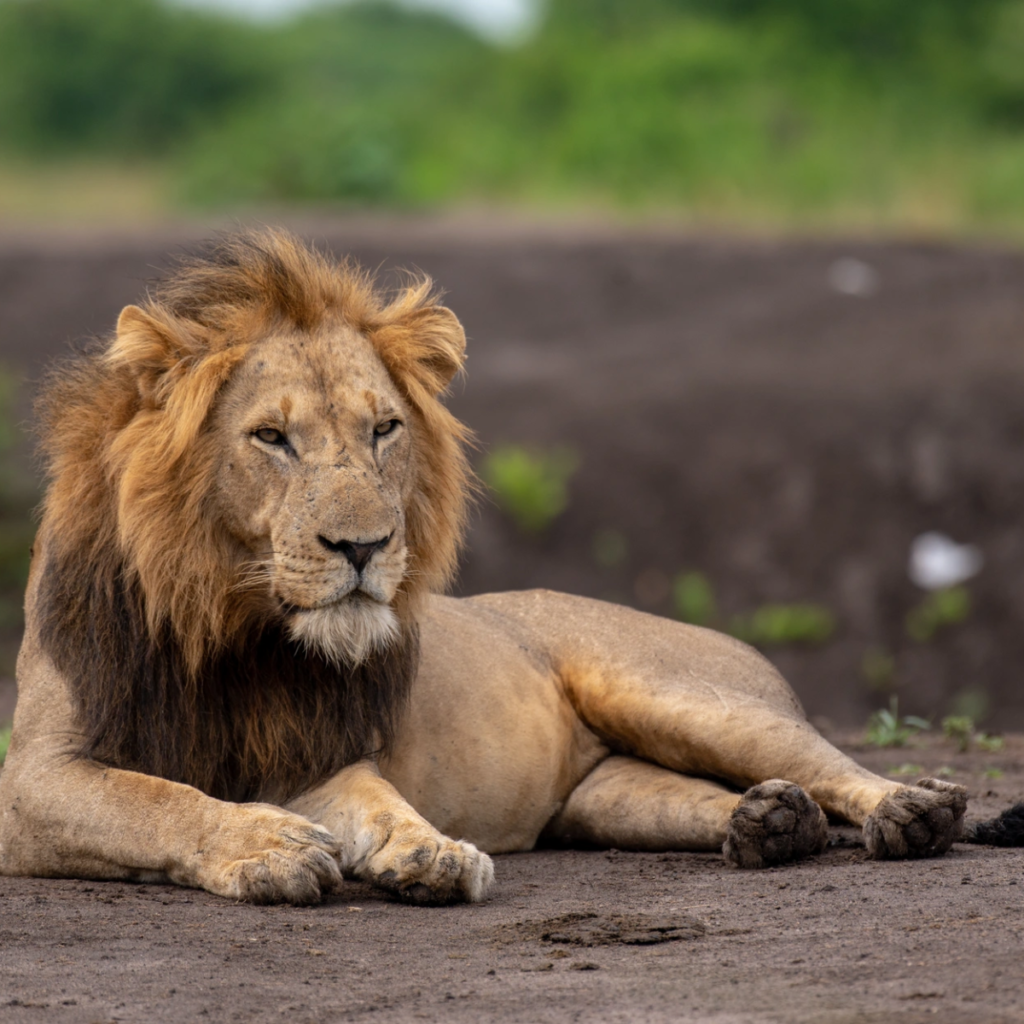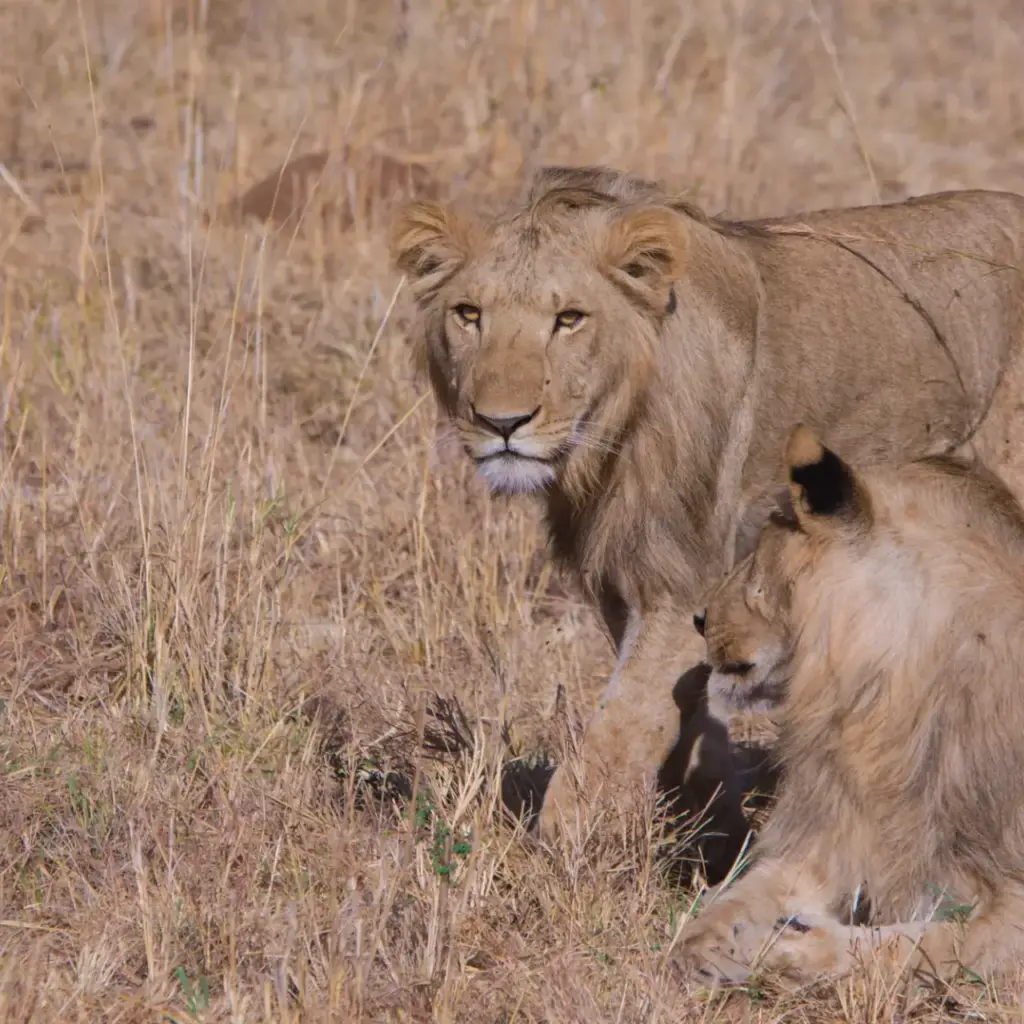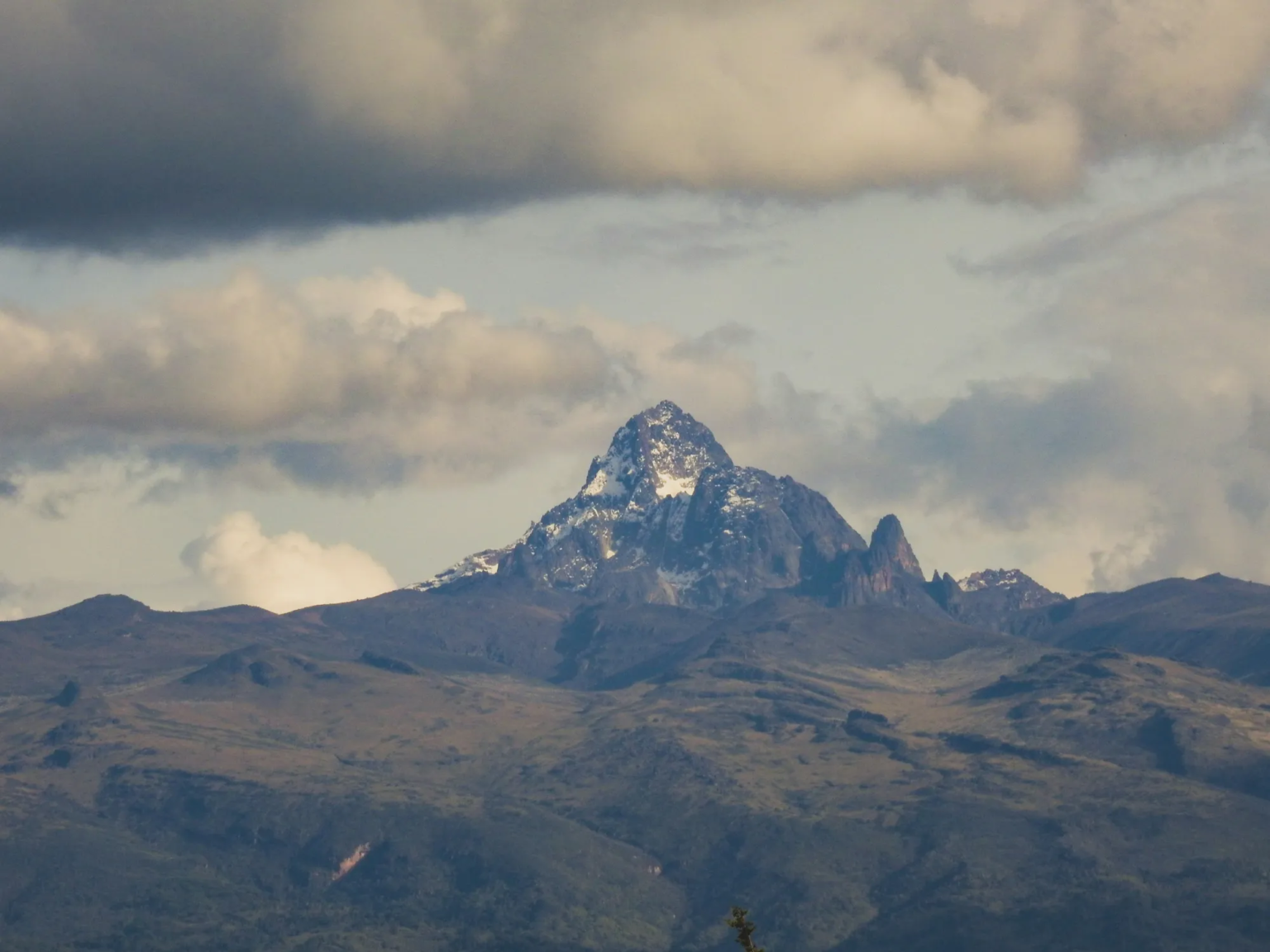
On the Laikipia Plateau, in the shadow of Mount Kenya, a former cattle ranch has become one of the most important wildlife sanctuaries in Africa. Ol Pejeta Conservancy is home to the largest black rhino sanctuary in East Africa, the only chimpanzees you can see in Kenya, all of the Big Five, and the last two northern white rhinos left on Earth. Visiting is exciting, and it is also a direct contribution to some of the most urgent conservation work in the world.
The conservancy at a glance
- Size: about 360 square kilometres (roughly 90,000 acres), a private, fenced conservancy.
- Location: Laikipia County, between Mount Kenya and the Aberdare Range, at an altitude of around 1,800 to 2,000 metres. The equator runs across it.
- History: a working cattle ranch from colonial times, which set land aside for rhinos in 1988 and became a conservancy that funds its conservation through tourism and a working livestock programme.
- Wildlife: lions, leopards, elephants, buffalo, black and white rhinos, cheetahs, African wild dogs, hyenas, reticulated giraffes, Grevy’s zebras, oryx, hippos and hundreds of bird species.
The rhinos
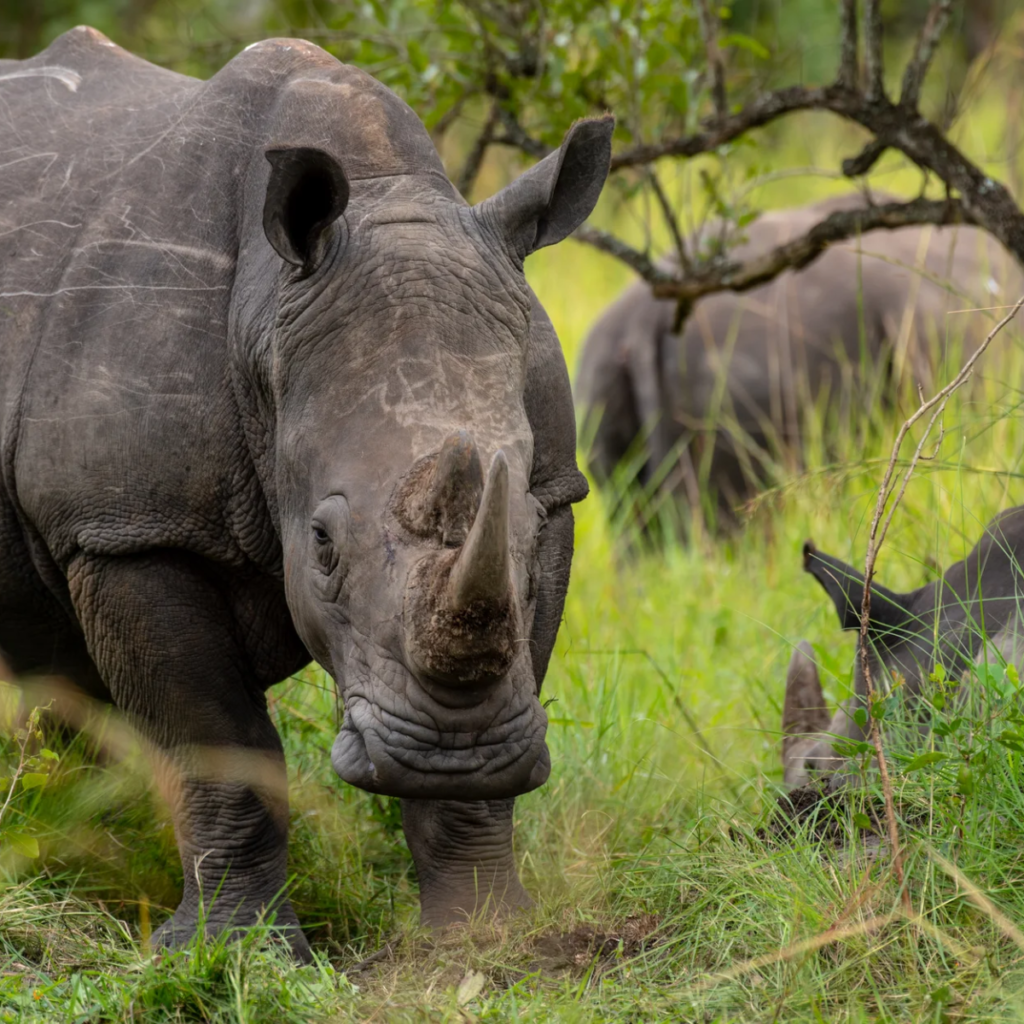
Ol Pejeta’s black rhino programme began with a small founding group, and the population has grown to well over a hundred animals, making it the largest black rhino sanctuary in East Africa. Rangers protect the rhinos around the clock and monitor each animal. There are also southern white rhinos, brought back from the edge of extinction in the last century.
The last northern white rhinos
The most poignant residents are Najin and Fatu, the last two northern white rhinos in the world, a mother and her daughter. The northern white rhino was driven to near extinction by poaching, and the last male, Sudan, who lived here, died in 2018. The two females are guarded around the clock in a large enclosure, and visits are made with rangers, at a respectful distance. Scientists are working on assisted-reproduction techniques to try to save the subspecies. Standing near the last two of a kind is a humbling experience, and one that stays with many visitors.
Baraka the blind rhino
Another favourite is Baraka, a blind black rhino cared for at the conservancy, whom rangers have helped to live a safe, full life.
Sweetwaters Chimpanzee Sanctuary
Chimpanzees are not native to Kenya, but Ol Pejeta hosts a sanctuary for rescued chimps, the only place in the country where they can be seen. The sanctuary was created in 1993, when a rescue centre in Burundi had to close because of civil war, and orphaned chimpanzees were brought to Ol Pejeta with the support of the Jane Goodall Institute. Around three dozen chimpanzees live on a large riverside site, protected in enclosures, and visitors learn about their stories and the threats chimpanzees face in the wild.
Things to do
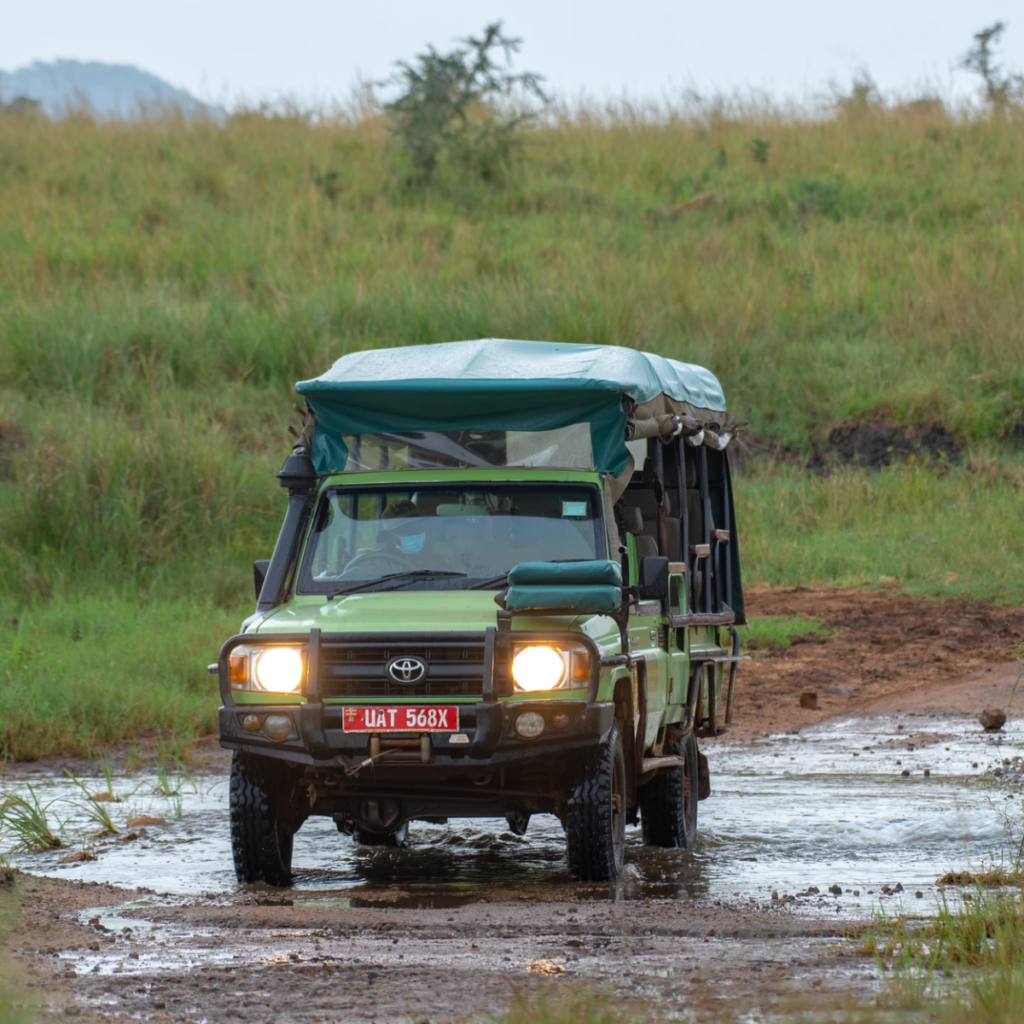
- Game drives: morning and afternoon drives through open grassland and acacia woodland, with excellent chances of lions, leopards and cheetahs.
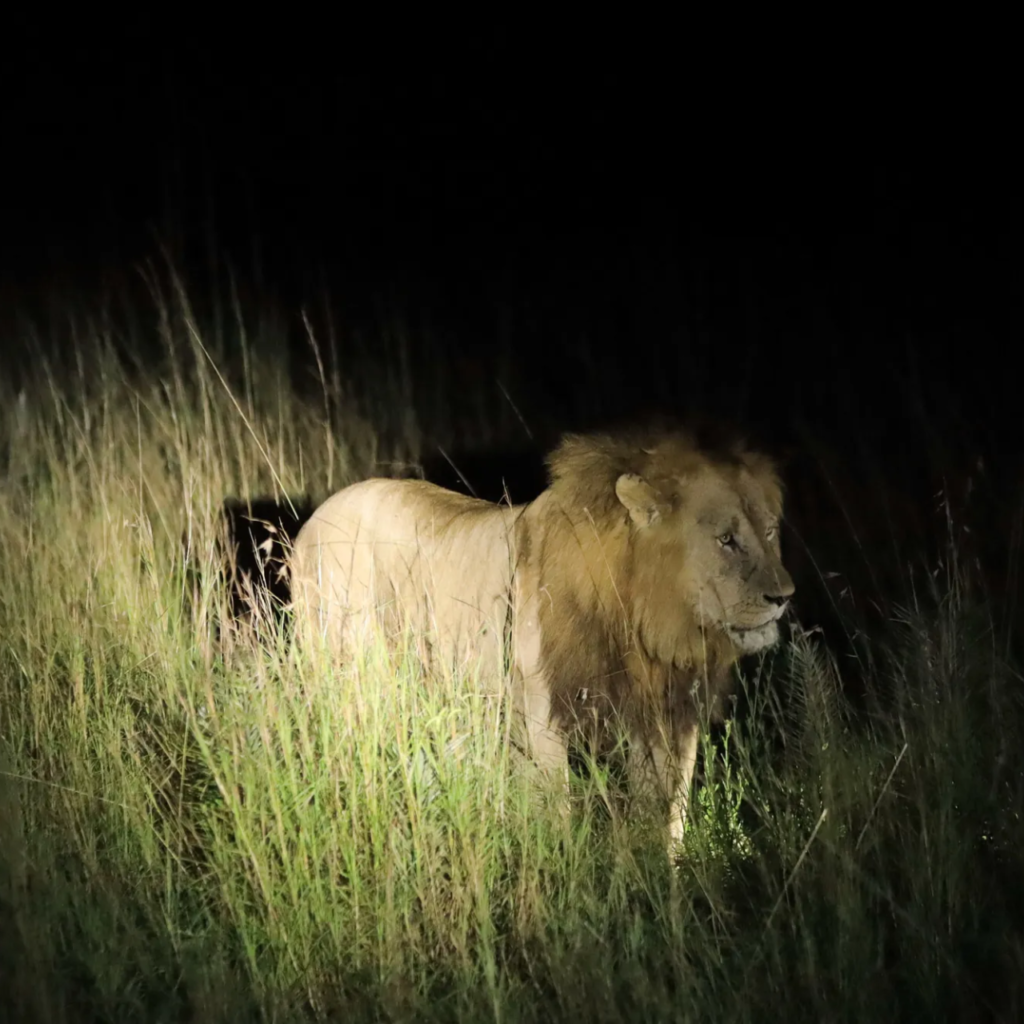
- Night drives: permitted here, and a chance to see nocturnal animals such as aardvark, bushbabies and hyenas.
- Rhino visits: accompanied meetings with black and northern white rhinos.
- Chimpanzee sanctuary visit.
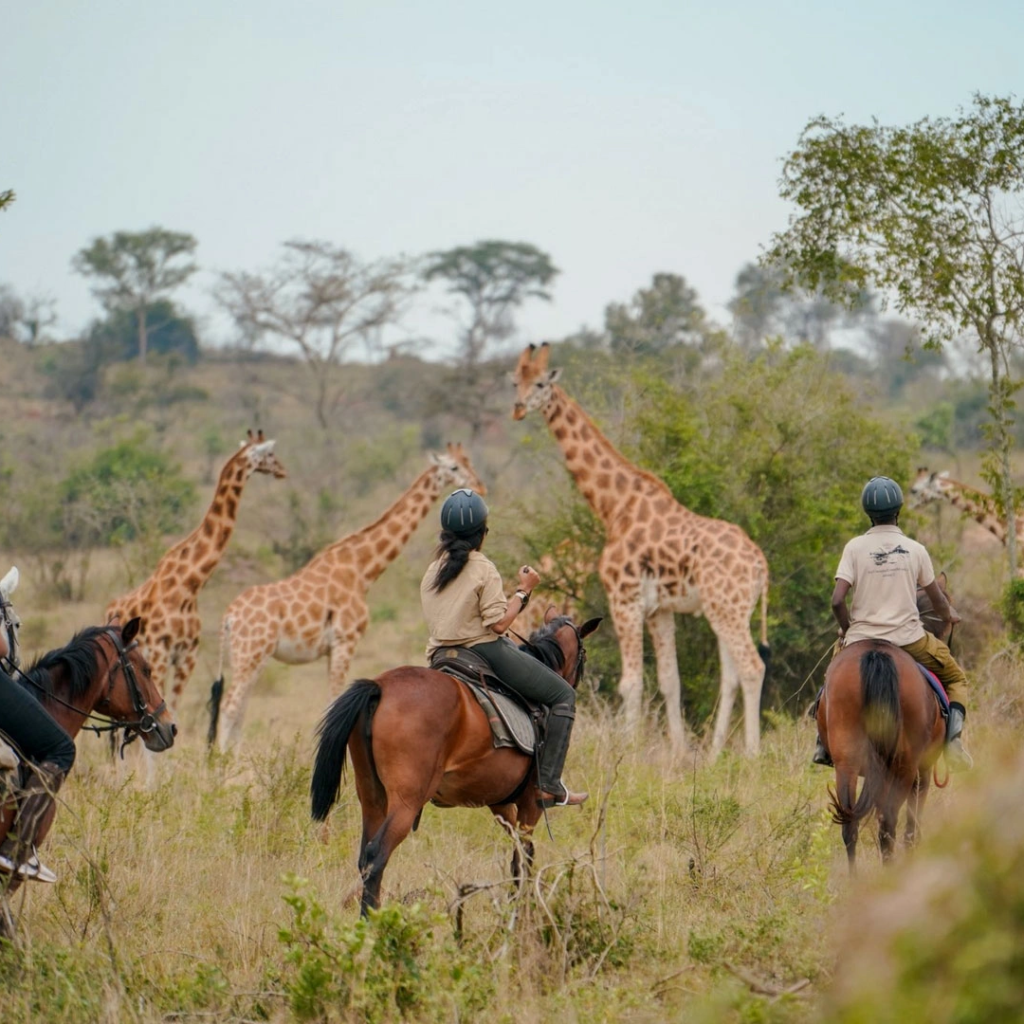
- Walking and cycling safaris in permitted areas, and horseback safaris among the plains game.
- Lion tracking with rangers using radio collars, and behind-the-scenes conservation experiences.
- Community visits: to schools and projects supported by the conservancy.
Conservation that pays for itself
Ol Pejeta shows that conservation and local livelihoods can work together. Tourism revenue pays for rhino security and species recovery, while a livestock programme lets cattle graze alongside wildlife, supporting the herders who share the landscape. Community projects assist neighbouring villages with education, health and water. By staying here, you help fund all of it.
Practical information
- Getting there: about three to four hours by road from Nairobi via Nyeri and Nanyuki, or a short flight to Nanyuki or the conservancy airstrip.
- Best time: the conservancy is open all year. June to October and January to March are drier, with clear views; the rainy seasons are green and quieter.
- Time needed: at least two nights, ideally three, to include a night drive and the sanctuary.
- Combines with: Laikipia conservancies, Lewa, Mount Kenya, Samburu and Lake Nakuru.
- Health: the altitude is cool at night, so bring a warm layer. Malaria risk is lower at this altitude but not zero; see our Health & Safety page.
Ol Pejeta with Offmap Safaris
We place Ol Pejeta in Kenya routes between Nairobi and Samburu or the Maasai Mara, or as a stand-alone rhino and conservation stay. Plan your safari, message us on WhatsApp +256 701 243 304 or email [email protected]. See our Responsible Travel page for guidance on wildlife viewing.