
What makes photography-focused game drives different
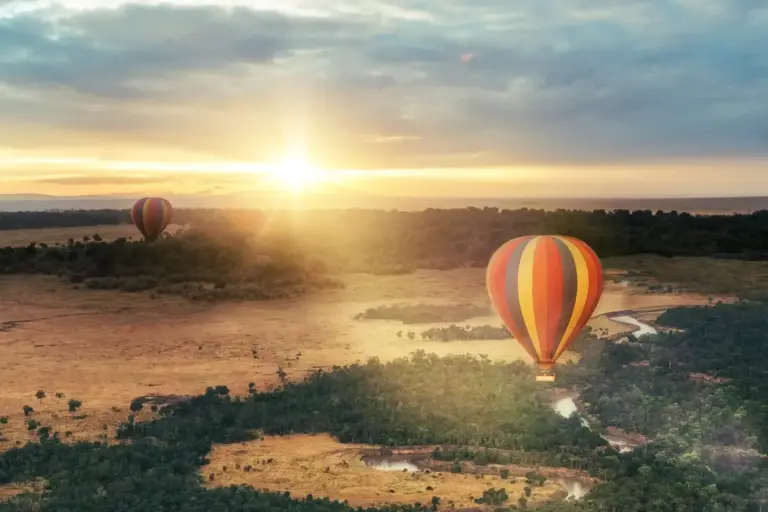
A standard game drive moves between sightings; a photography-focused drive often stays with one sighting far longer, waiting for better light, a change in behaviour or a cleaner background. Drives are typically timed around golden hour, the hour after sunrise and before sunset, when low, warm light flatters both landscape and animal portraits far more than the harsh overhead sun of midday. Guides experienced in photographic safaris know how to position a vehicle for clean sightlines, avoiding other vehicles in frame and keeping the sun at a useful angle, skills that differ meaningfully from simply finding wildlife.
The Maasai Mara and Serengeti’s open plains
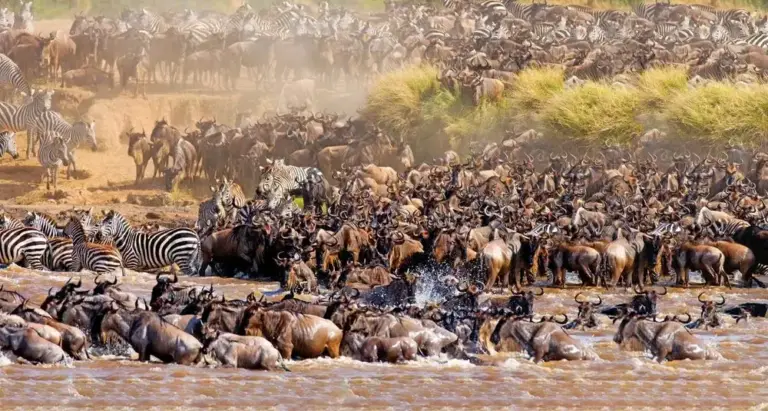
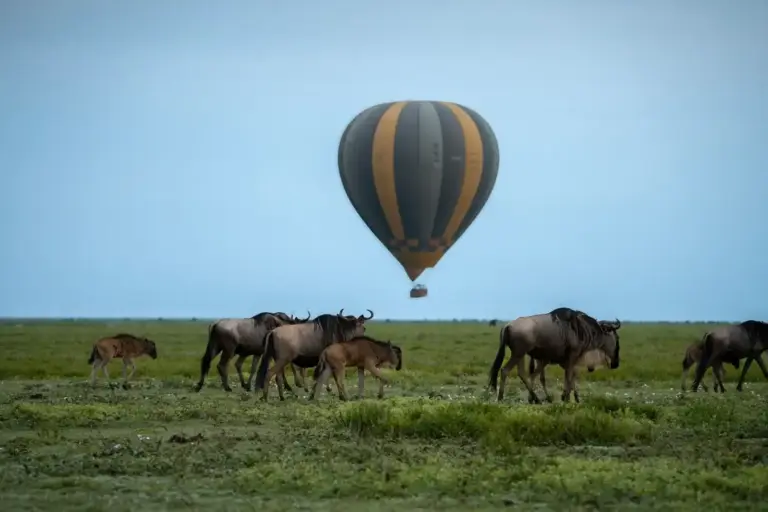
Maasai Mara National Reserve in Kenya and its Tanzanian continuation, Serengeti National Park, offer wide, largely unobstructed plains that suit both close portraits and expansive landscape shots showing animals within their environment. During the wildebeest migration’s river crossings, typically at the Mara River between July and October, photographers gather at established viewpoints for what is among the most photographed wildlife spectacles in Africa, though patience is essential since crossings happen on the animals’ own schedule, not a fixed timetable.
Amboseli’s Kilimanjaro backdrop
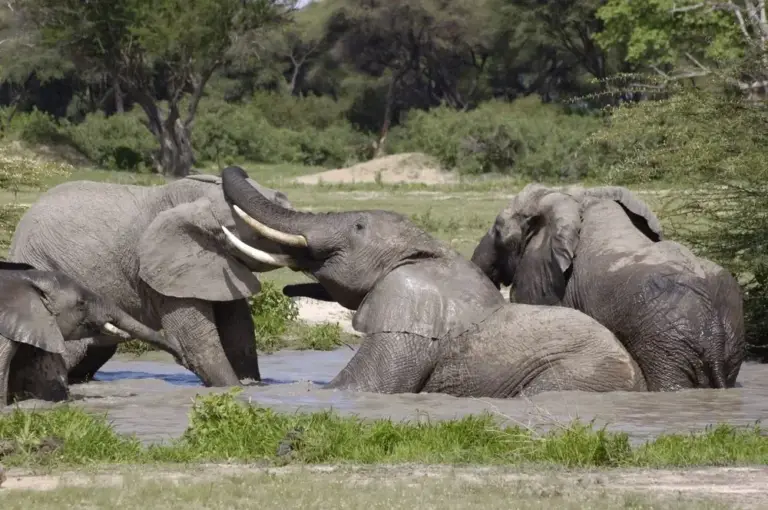
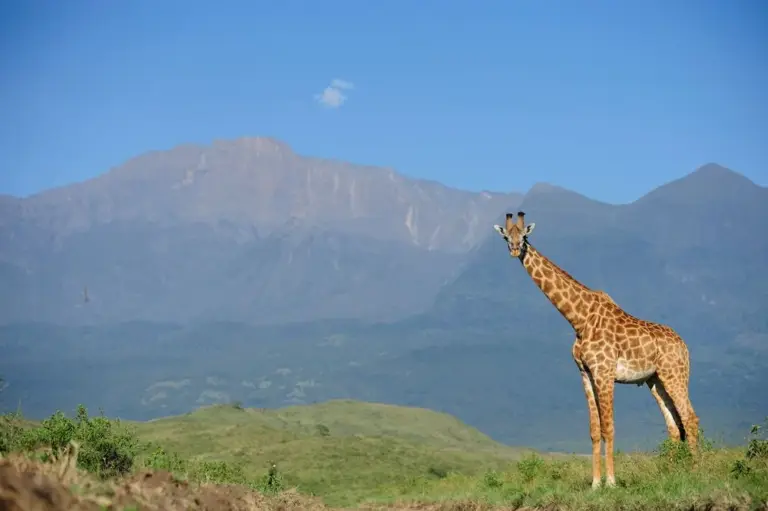
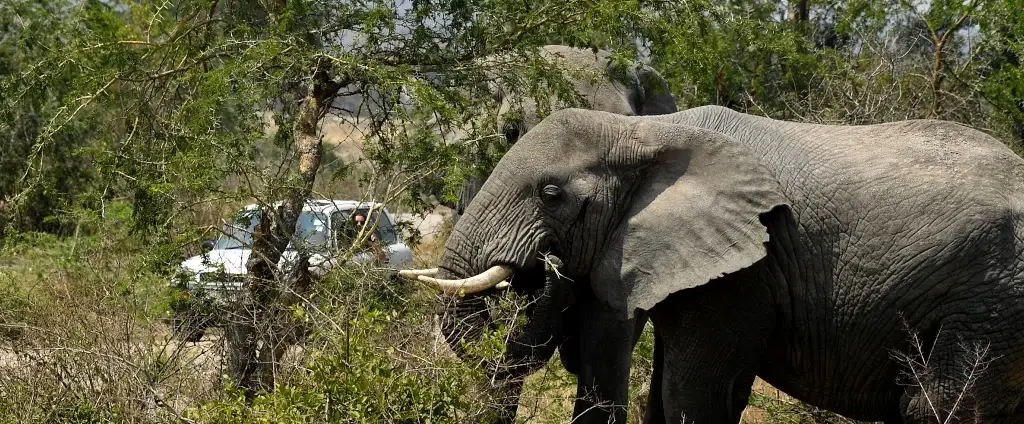
Amboseli National Park is unusual in offering a near-guaranteed dramatic backdrop: Mount Kilimanjaro rising directly behind its elephant herds on clear mornings, a combination that has made Amboseli one of the most recognisable settings in African wildlife photography. The mountain is most visible at dawn, before cloud typically builds around its slopes later in the day, so early starts matter more here than almost anywhere else on the northern circuit.
Forest photography: gorillas and chimpanzees
Photographing primates in Bwindi, Volcanoes National Park or Kibale Forest is a different discipline from open-plains photography. Low light under a closed forest canopy, frequent movement and the one-hour limit on gorilla encounters all demand a camera and lens capable of performing well without flash, which is prohibited around gorillas to avoid disturbing them. A fast lens and a camera that handles high ISO settings cleanly matter more here than reach or zoom range.
Ngorongoro and the crater floor
The Ngorongoro Conservation Area‘s crater floor concentrates an unusually high density of wildlife within a contained, walled landscape, giving photographers repeated opportunities at close range without the long searches sometimes needed elsewhere. The crater’s own dramatic walls and frequent morning mist add atmosphere that few other locations in the region can match.
Working with a photographic guide
Not every guide has the same eye for photography, and a growing number of camps now offer guides specifically trained in vehicle positioning, light reading and knowledge of individual animals’ habits, useful for anticipating behaviour before it happens rather than reacting to it. Requesting a photography-experienced guide when booking, rather than assuming any guide will double as one, generally makes a meaningful difference to the quality of a safari built primarily around images.
Birds and smaller subjects
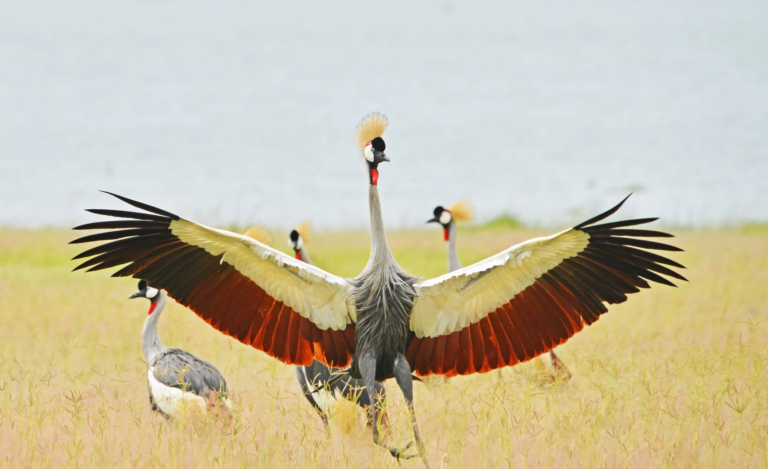
Photography-focused travellers with an interest in birds often add stops built around specific species or habitats, since bird photography demands different equipment again: longer lenses, faster shutter speeds and considerable patience for a much smaller, quicker subject than a lion or elephant. Wetland and forest-edge locations across the region offer strong birding alongside the larger game-viewing highlights.
Queen Elizabeth and the Kazinga Channel
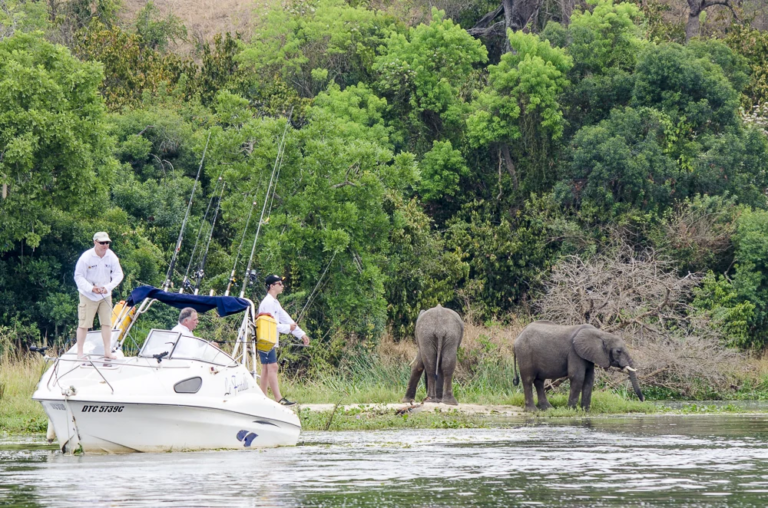
Uganda’s Queen Elizabeth National Park offers a different kind of photographic opportunity, built around water rather than open plains. Boat cruises along the Kazinga Channel, which connects Lake Edward and Lake George, bring photographers close to some of the densest hippo concentrations in Africa alongside buffalo, elephants and a wide range of waterbirds along the shoreline, all from a stable boat platform that makes handheld shooting considerably easier than a moving vehicle.
What to bring
- A telephoto lens of at least 300mm equivalent for close portraits from a safe, legal distance
- A beanbag or window mount for stability, since tripods are impractical inside a safari vehicle
- Spare batteries and memory cards; charging opportunities can be limited at remote camps
- A dust-resistant camera bag, given the dry-season dust common across much of the region
Vehicles built for photography
A handful of specialist camps run vehicles specifically modified for photography, with individual swivel seats, low sides for an unobstructed sightline and beanbag rests built into the doors, a meaningful upgrade over a standard shared safari vehicle where other passengers and window frames can easily intrude on a shot. These are usually booked as private vehicles rather than shared game drives, reflecting both the specialist setup and the slower, more deliberate pace photography demands.
Light and timing
The best photographs are made in the soft light of early morning and late afternoon, when shadows are long and colours warm. Plan drives around these windows and use the middle of the day to rest, edit and charge batteries. Be ready for dramatic skies in the rainy season and keep lens cloths and covers handy against dust and rain.
Settings and technique
Use a fast shutter speed to freeze action, a wide aperture to isolate subjects and a high ISO in dim forest. Shoot in burst mode for moving animals, and focus on the eyes. Anticipate behaviour, and wait for the moment instead of rushing. A beanbag on the window frame steadies a long lens better than a tripod in a vehicle.
Planning your photography safari
Tell us your experience level, the equipment you already carry and what you are hoping to capture, whether that is the Mara’s migration, Amboseli’s elephants against Kilimanjaro, or the low-light challenge of a forest primate encounter, and we will shape an itinerary and daily pace around light and sightings rather than ground covered.