The pans at a glance
- A network of salt pans, including Sua Pan and Ntwetwe Pan, in central Botswana
- The remains of an ancient super-lake that dried out over thousands of years
- Dry, white and silent from about May to October, and green and wet from November to March
- Includes Makgadikgadi and Nxai Pan National Park and the Boteti River
- Reached from Maun, usually with an overnight stay at a camp near the pans
The dry season: space and silence
When the pans are dry, they are blindingly white, with a horizon that curves slightly and a silence so complete that visitors often remark on it. Quad biking across the pan, on a guided route, gives a sense of scale. Guided walks with local Bushmen guides, where offered, explain how people lived in this landscape. A night spent sleeping on the pan, in a simple camp under a huge sky, is one of the most unusual experiences in Botswana, and the stars are extraordinary.
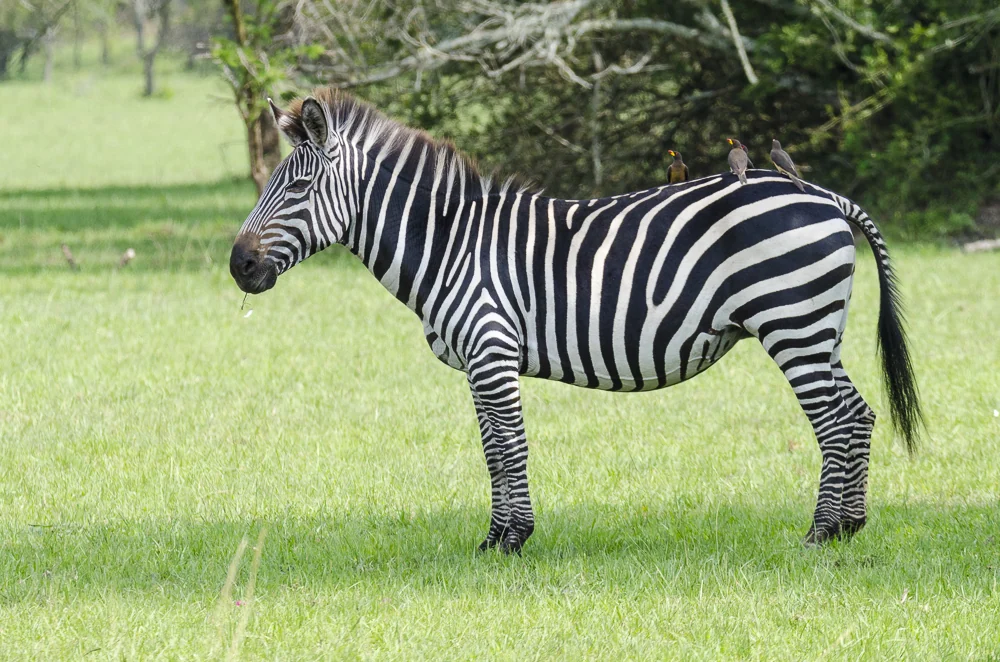
The wet season: zebra, wildebeest and flamingos
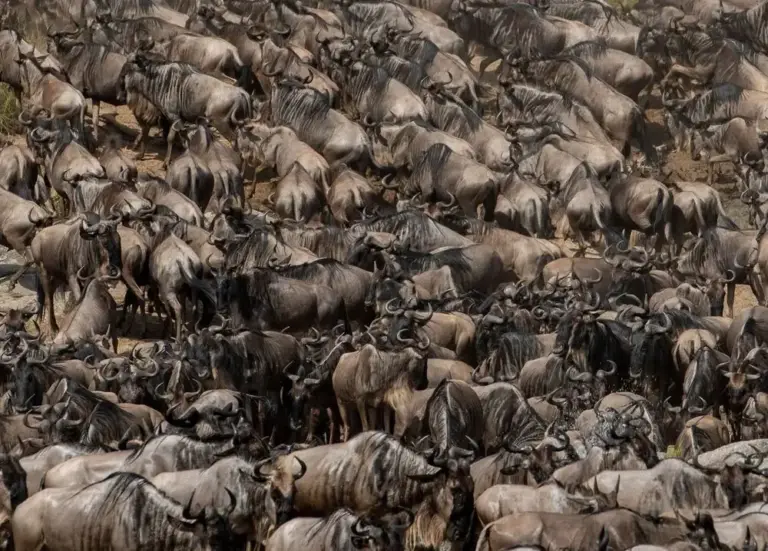
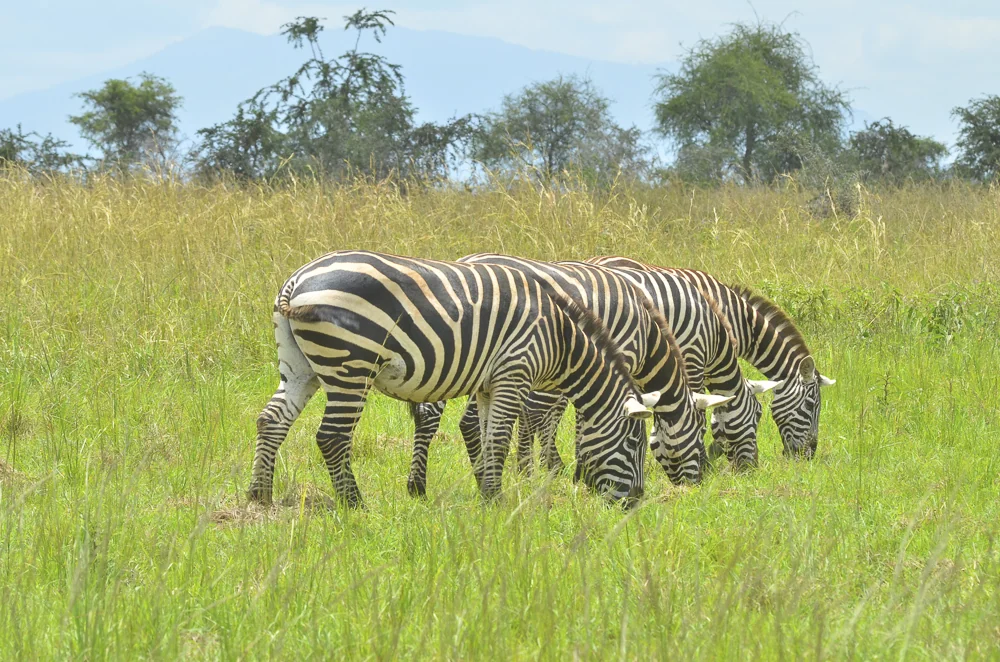
When the rains arrive, from about November, the grass turns green and animals move to the grasslands. Zebra migrate from the Boteti River and the dry-season ranges in one of the longest large mammal migrations in Africa, and wildebeest and other herbivores follow. When enough water fills the shallow pans, thousands of flamingos arrive to feed and, in good years, to breed. The scene, with pink birds on a silver sheet of water, is a surprising and beautiful sight. Not every season is the same, since the flamingos depend on the water, so we check conditions before you commit to dates.
Meerkats, baobabs and Kubu Island
- Meerkats: in some areas, families of habituated meerkats can be watched at close range, standing sentry, digging for insects and sunning in the early morning.
- Baobabs: several ancient baobab trees stand on the edge of the pans, including a group painted by the explorer Thomas Baines in the 1860s.
- Kubu Island: a rocky granite outcrop rising from the pan, covered with baobabs and weathered stones, which is a sacred place for local people and offers wonderful views at sunrise and sunset.
When to go
The experience is quite different depending on the month. From about May to October, the pans are dry, and activities such as quad biking, sleeping out and walking are at their best. Days are warm and nights can be cold. From November to March, the green season brings wildlife, birds and a dramatic sky, although quad biking and driving on the pan may be restricted when the surface is wet. In the hottest months, October and November, the heat can be intense, and conditions are best in the early mornings and late afternoons.
Getting there and where to stay
The pans are a day’s drive from Maun, or a short flight to airstrips near the camps. Accommodation ranges from simple fly camps on the pan to permanent tented camps and lodges, many of which combine a stay on the pans with a visit to the Boteti River or the Okavango Delta. Because the area is remote, we recommend allowing at least two nights so that you have time to experience both the landscape and the wildlife.
Practical information
- Bring sunglasses, a hat, high-factor sunscreen and plenty of water, because the glare is intense
- Layers matter, since nights on the pan can be very cold in the dry season
- Stay on marked tracks, because driving on wet pan surfaces can cause serious damage and vehicles can get stuck
- Follow your guide’s instructions when quad biking and wear closed shoes
- Check health advice, including malaria, before you travel
How the pans fit an East Africa safari
The Makgadikgadi is a good addition for travellers who want variety and quiet after a busy route in East Africa. It works well as a contrast to the Okavango Delta and the river-based wildlife of Chobe, and it combines naturally with the Moremi Game Reserve. See our Botswana overview and our multi-country safaris for ideas, start planning at Plan My African Safari, and read visa and entry and health and safety before you go.
Plan a safari that includes Makgadikgadi Pans
Our team plans private, tailor-made safaris, so we can build a trip around Makgadikgadi Pans and adjust the days, lodges and pace to suit you.