Extend your safari
Botswana
The Okavango Delta, Chobe and Moremi: water-led wildlife that pairs naturally with East African primates and savannah.
Botswana as part of a wider African safari
Botswana is known for wildlife that lives in some of the most unspoiled wild country in Africa. A great inland delta, a river lined with elephants and a vast salt pan system sit within a country that has protected a large share of its land and has built a tourism model based on small camps and low numbers of visitors. That approach gives Botswana a quieter, more exclusive feel than most safari countries, and it suits travellers who have already experienced the classic East African parks and want something different.
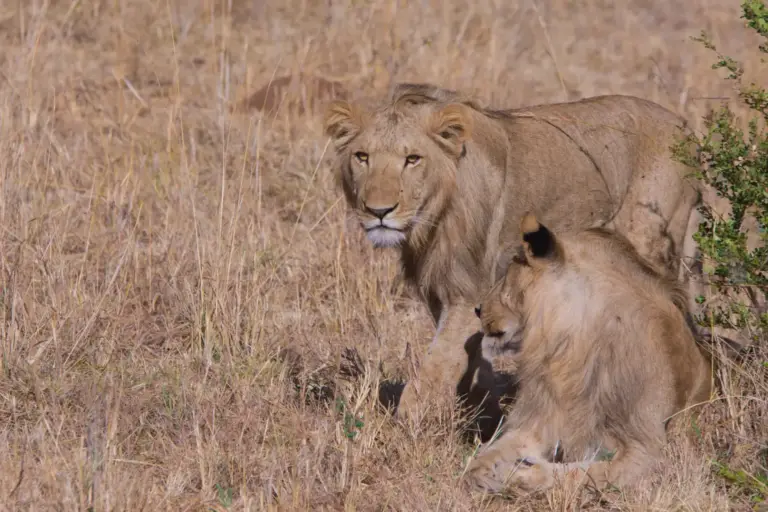
The contrast is the point. After the primates and forests of Uganda and Rwanda, or the open plains of Kenya and Tanzania, Botswana adds water in the desert, wildlife seen from a canoe and the sound of a lion in the dark from a camp with no fence between you and the bush.
The main regions
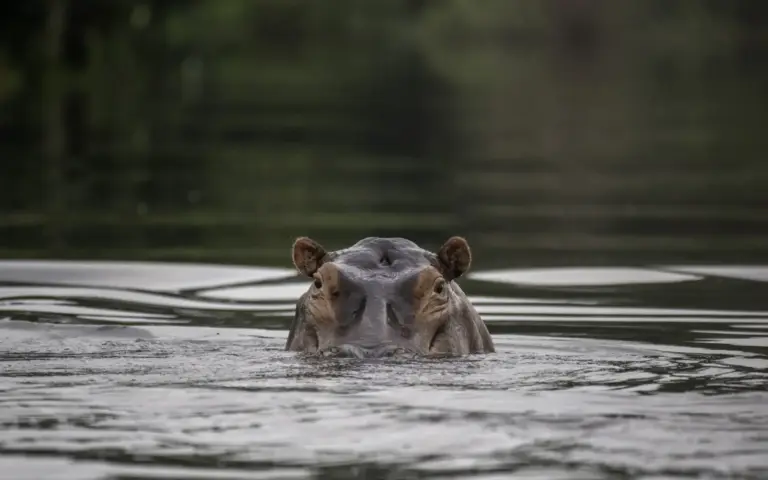
- The Okavango Delta: the heart of Botswana safaris, with mokoro trips, island camps and abundant wildlife. See the Okavango Delta.
- Moremi Game Reserve: the eastern Delta, where land and water habitats meet and predators are easy to find. See Moremi.
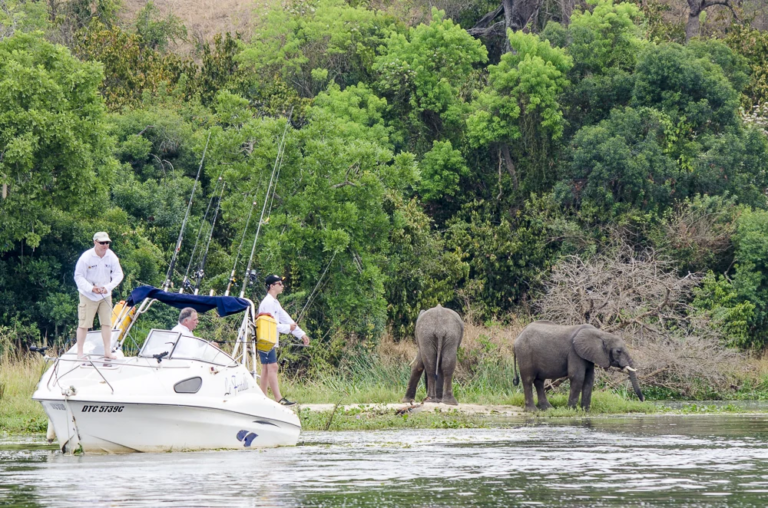
- Chobe National Park: the elephant capital, with river cruises and game drives, close to Victoria Falls. See Chobe.
- The Makgadikgadi Pans: a spare, extraordinary salt landscape with meerkats and baobabs. See the Makgadikgadi Pans.
How a Botswana extension works
Most travellers add Botswana as a chapter of five to eight days. A common pattern is a night or two at Victoria Falls, a boat safari at Chobe and a few nights in the Delta, with light aircraft linking the camps. A longer route might add Moremi or the pans, or finish in Namibia. Because camps are small and the best ones book up early, planning ahead matters, particularly for July to October.
Many Botswana camps are reached by small aircraft with luggage limits of around twenty kilograms in soft bags. We pack your plan around that, and arrange storage for larger luggage in Maun or Kasane.
When to go
The dry season, roughly May to October, is the main safari period. As the flood arrives in the Delta from about June, animals concentrate around water, and the weather is dry and clear. From November to March, the green season brings rain, lush landscapes and excellent birding, with fewer visitors, though some activities and camps are limited. Choose according to what you want to see: the flood and predators in the middle of the year, or green landscapes, newborn animals and zebra on the pans earlier or later.
Practicalities
- Entry: check visa requirements for your passport before you travel, using our visa and entry page as a starting point.
- Health: malaria risk exists in the north, especially in the wet months. Take medical advice. See health and safety.
- Money: the local currency is the pula, and cards are widely accepted in tourist businesses, with small cash for tips.
- Style of travel: camps are designed to be low-impact, and guides are well trained so most visitors travel in a small group or privately.
- Connectivity: signal is limited in the Delta and the pans, which is part of the appeal.
Travelling responsibly in Botswana
Botswana's reputation rests on careful tourism. Camps limit numbers, use renewable energy where they can and employ people from nearby villages. Support this by following your guide's rules, keeping noise low, taking your litter with you and staying in camps that share benefits with local communities. Water is precious in a dry country. Use it thoughtfully.
Three ways to shape the trip
The water and elephants route. Start with a night at Victoria Falls, cross to Kasane for two nights at Chobe, with river cruises and game drives, and then fly to the Okavango Delta for three nights of mokoro trips, boat outings and walks. This is the classic first Botswana trip, and it works well after the primates and forests of Uganda or Rwanda.
The Delta in depth. Spend five or six nights split between two camps, one on an island among the channels and one in a drier area such as Moremi, so that you see both water and land habitats. This version suits travellers who enjoy staying put and learning one ecosystem well.
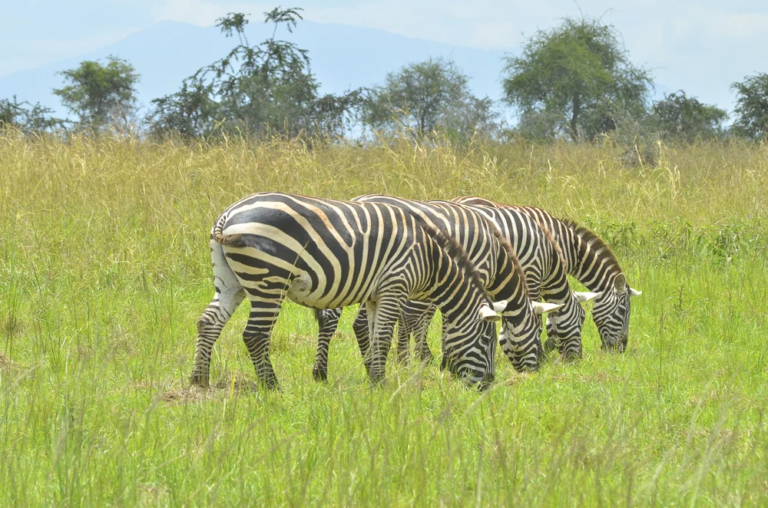
The Delta and the pans. Combine the Delta with two nights on the Makgadikgadi Pans, with quad biking, a night under the stars in the dry season or zebra and flamingos in the green season. It adds a landscape of emptiness that contrasts beautifully with the life of the Delta.
Each route can be lengthened or shortened, and we can add Zimbabwe or Namibia if you have time. The best camps fill early so planning several months ahead is wise, especially for July to October.
Questions we are often asked
Is Botswana worth the extra cost and effort? It is a different kind of safari, quieter and more exclusive. If you have seen East Africa's classics and want to try something new, it often becomes the highlight of a long journey.
Can I combine it with Zimbabwe? Yes. Victoria Falls and Chobe are close together. See our Zimbabwe overview for the falls and Hwange.
How do I plan it with East Africa? Tell us your dates and the East African countries you are visiting. Our multi-country safaris explain how routes link, and Plan My African Safari is the place to begin.
Places to discover
Where the experience happens in Botswana.
Experiences
Experiences in Botswana.



Safaris including Botswana
Safaris built around you.
Built to order.
Botswana is added to a safari as a tailored extension. Tell us your dates and the countries you are combining it with, and we will shape the route.
Plan My Safari →From the Offmap Travel Guide
More about Botswana
No stories yet
New Botswana guides are coming soon.