
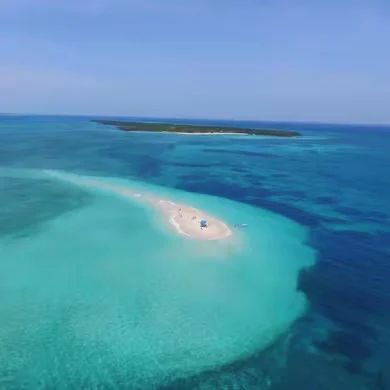

Diani Beach, Kenya
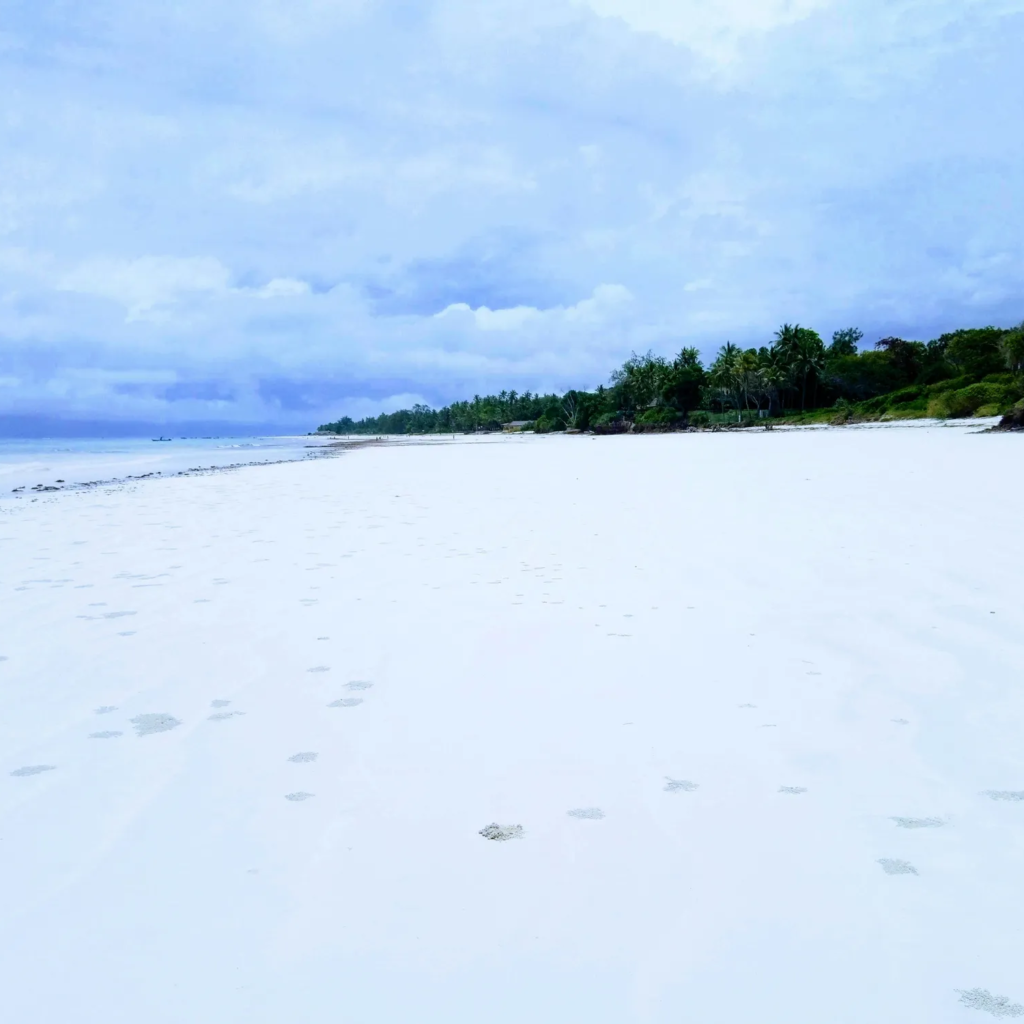
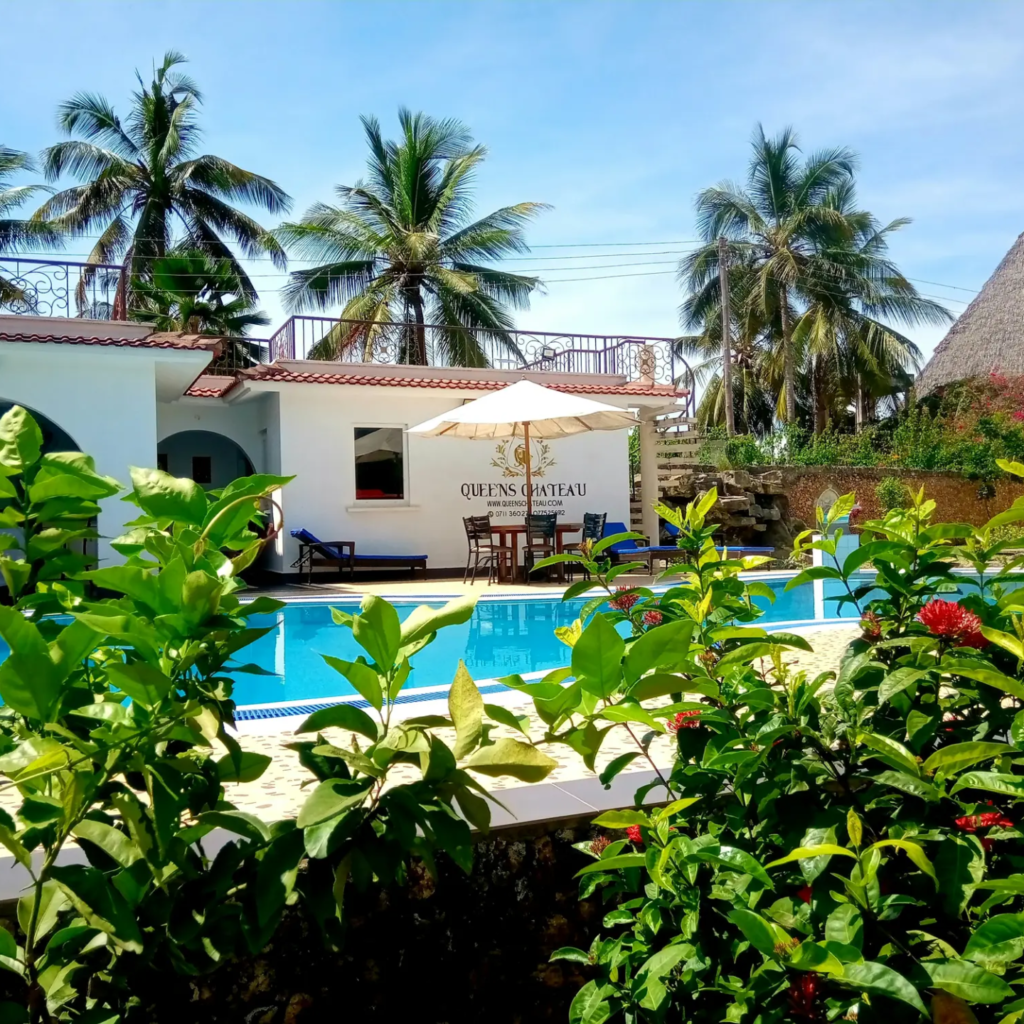
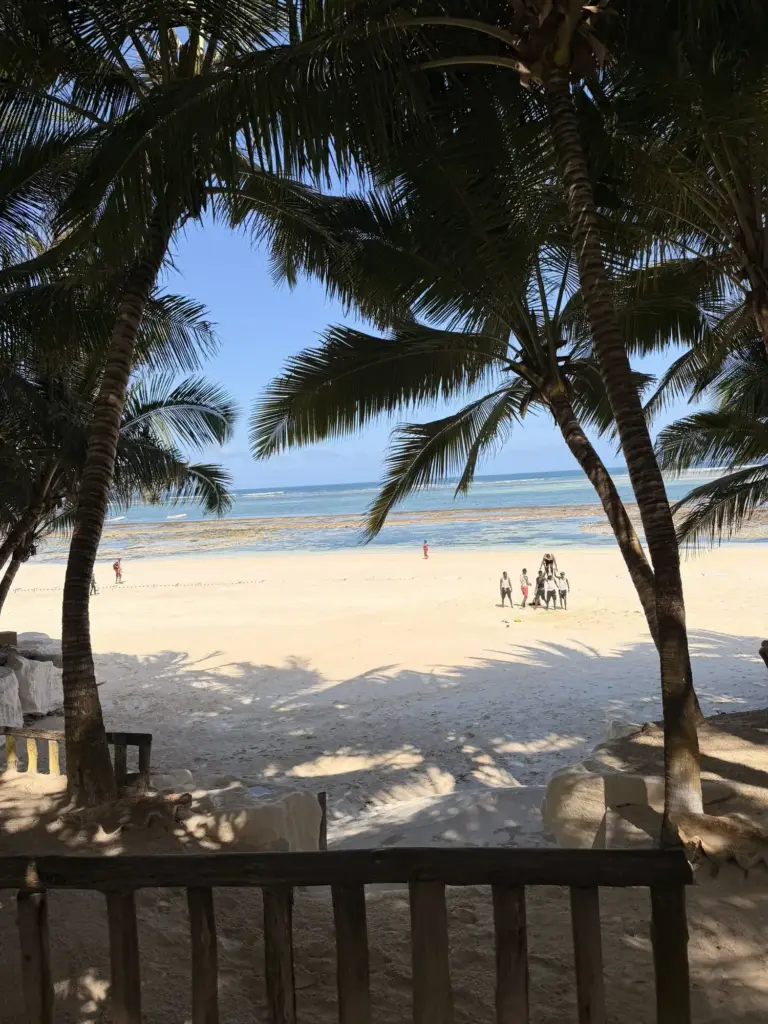
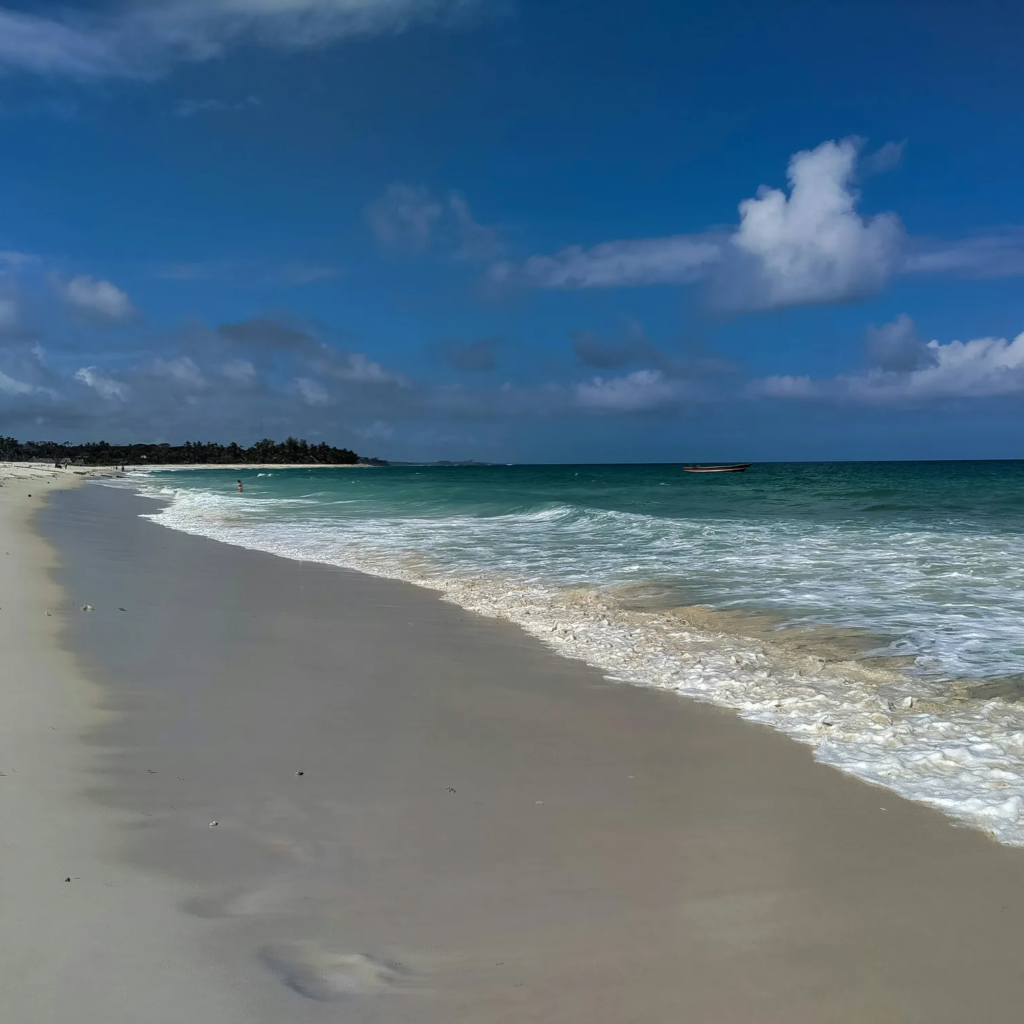
Diani Beach, south of Mombasa, is Kenya’s best-known stretch of coast, a long run of white sand backed by palm groves and protected by an offshore reef that keeps the water calm for swimming most of the year. It sits close enough to Mombasa’s airport for a short transfer, making it a natural add-on after a Kenya safari rather than a destination requiring its own long transfer, and its resort infrastructure is the most developed of any beach covered here.
Watamu, Kenya
Watamu, further up the Kenyan coast, offers a quieter alternative to Diani with a marine national park directly offshore protecting some of the coast’s best snorkelling and diving reefs. It suits travellers who want beach time built around the water itself, rather than around a resort strip, and its turtle nesting programme and mangrove creeks give it a stronger conservation-tourism identity than the busier stretches further south.
Lamu, Kenya
Lamu‘s beaches sit apart from both, reached only by boat or small plane and backed by a UNESCO-listed Swahili old town rather than a resort strip. Shela Beach, Lamu’s main stretch, has no cars on the island at all, donkeys and dhows handling transport instead, and the pace here is markedly slower than anywhere else on this list. It suits travellers looking for a cultural and beach stop combined, rather than pure resort time.
Zanzibar’s northern beaches: Nungwi and Kendwa
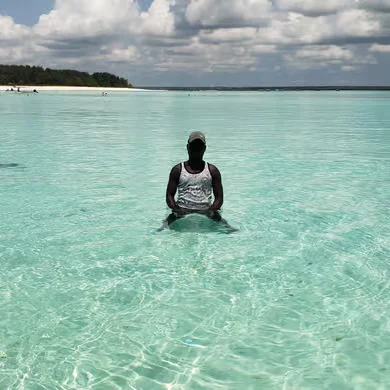
Nungwi and Kendwa, at Zanzibar’s northern tip, are the island’s most swimmable beaches year-round, largely unaffected by the tidal swing that empties much of the rest of Zanzibar’s coastline at low tide. Nungwi is livelier and more developed, with a working dhow-building tradition still visible along the shore, while Kendwa, a short distance south, is quieter and known for its beach parties around the full moon.
Zanzibar’s east coast: Paje
Paje, on Zanzibar’s east coast, has a dramatic tidal range that pulls the water out hundreds of metres at low tide, exposing sandbars and seaweed farms tended by local women’s cooperatives. That same wind and shallow water make it East Africa’s main kitesurfing hub, and travellers who want an active beach stop rather than a purely restful one generally head here over the calmer northern beaches.
Choosing between the mainland coast and Zanzibar
Kenya’s mainland beaches suit travellers extending a Kenya safari without an extra international leg, since Diani and Watamu are both a short drive or flight from Mombasa. Zanzibar suits travellers already moving through Tanzania, particularly after a Serengeti or Ngorongoro safari, with a direct flight from Arusha or Dar es Salaam. Lamu sits apart from both routes and works best as a dedicated addition for travellers with extra time who want its old town and slower pace specifically.
Tides and swimming conditions
Zanzibar’s beaches are more tide-dependent than Kenya’s reef-protected coast: swimming at Paje or the island’s eastern beaches generally needs to work around the tide table, with the water receding a long way at low tide, while Nungwi and Kendwa stay swimmable through most tide states. Diani and Watamu’s offshore reefs keep both largely swimmable throughout the day regardless of tide.
Water sports beyond swimming
Beyond simply swimming, the coast supports a wide range of water-based activities depending on which beach you choose: Watamu and the reefs off Diani are the region’s strongest snorkelling and diving spots, Paje’s steady cross-shore wind makes it East Africa’s kitesurfing capital, and Nungwi’s dhow-building tradition means a sunset sail on a traditional wooden boat is easy to arrange almost anywhere along Zanzibar’s northern coast. A single beach stay can combine several of these without needing to change location.
Getting between beaches
Zanzibar’s beaches are all reachable within an hour or two of each other by road, making it easy to base at one and day-trip to another; Nungwi to Paje, for instance, is a straightforward transfer across the island. Kenya’s coast is more spread out, with Diani and Watamu roughly two hours apart by road, so most itineraries pick one rather than splitting time between the two unless the visit is long enough to justify the extra travel.
Best time to visit
The coast’s driest, sunniest months run from roughly June to October and again from December to February, avoiding the long rains of April and May, which bring heavier daily downpours across both the Kenyan and Tanzanian coastlines and Zanzibar alike.
Beach days after a safari
A beach stay works best as the last chapter of a trip. After early starts, dust and long drives, a few slow days with warm water and no schedule let the body recover and let the memories settle. Plan at least three nights so that you are not leaving as soon as you have unpacked and keep one day free for doing absolutely nothing. Many travellers also add a gentle activity such as a dhow cruise, a spice farm visit or a snorkelling trip, which gives the stay shape without taking away the rest.
Families, couples and groups
Beaches suit almost every kind of traveller, but the right stretch of coast differs. Families do well on beaches with shallow, protected water and a kids’ club nearby while couples often prefer quieter stretches with small lodges and private dinners on the sand. Groups of friends tend to enjoy livelier areas with water sports and evening restaurants. Tell us who is travelling and what each person enjoys, and we will match the beach and the lodge to the group.
Planning your beach stop
Tell us whether you are extending a Kenya or Tanzania safari, and how active or restful you want your beach days to be, and we will match you to the stretch of coast that fits your route best.
Photo Gallery