The park at a glance
- Size: about 4,471 square kilometres, the third-largest national park in Tanzania.
- Established: 1974, in the Katavi Region of western Tanzania, not far from Lake Tanganyika.
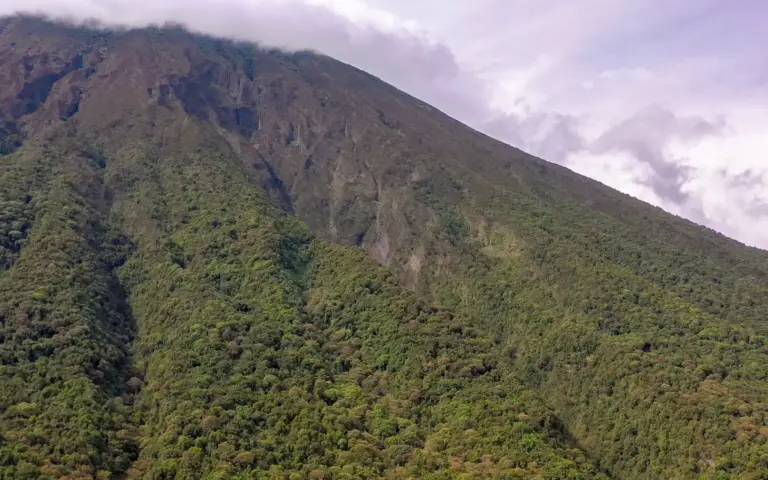
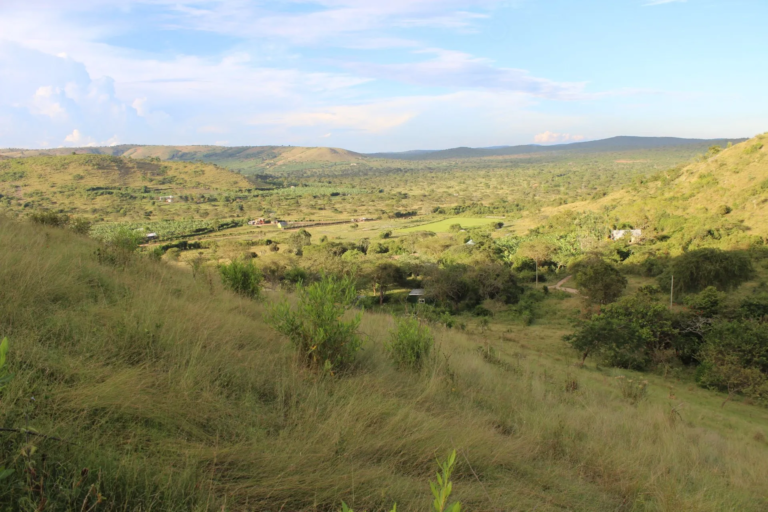
- Landscape: a mosaic of vast brachystegia (miombo) woodland, open grassy floodplains, seasonal lakes and palm-fringed pools. The main features are the Katuma River, and the seasonal Lake Katavi and Lake Chada floodplains.
- Visitors: very few. Katavi is among the least visited parks in Tanzania, because it is remote and has only simple accommodation.
The park takes its name from a legendary hunter, Katabi, whose spirit is believed to live in a tamarind tree. Local people still leave offerings at its base to ask for his blessing.
The dry-season spectacle
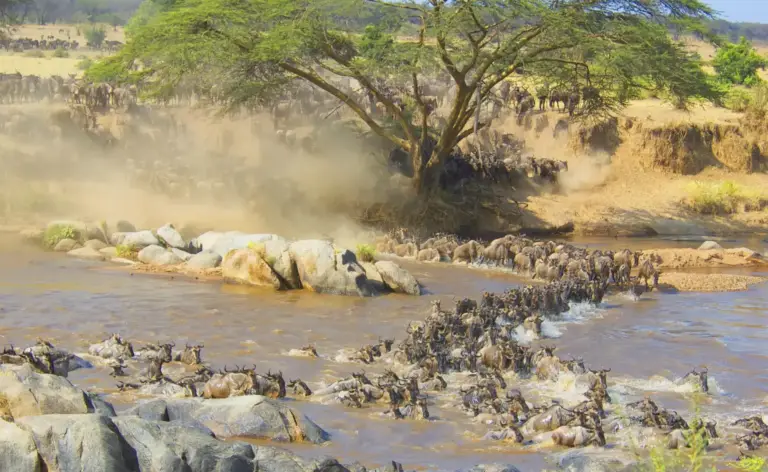
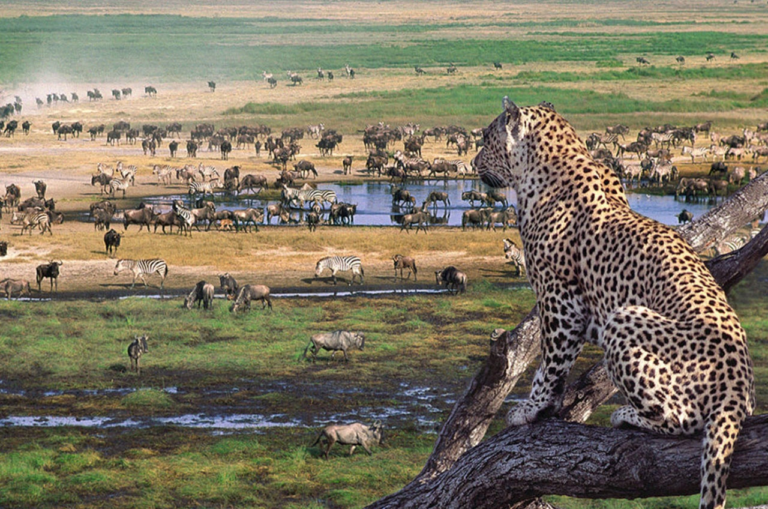
Katavi truly comes into its own between about May and October. As the rains end, the Katuma River shrinks to a muddy trickle and a chain of pools, the only water for miles. The animals converge:
- Hippos crowd into remaining pools, up to two hundred in a single pool at the height of the dry season. Rivalry runs high, and territorial fights between males are frequent.
- Crocodiles gather in huge numbers. Tanzania’s largest concentrations of both crocodiles and hippos are found here, and crocodiles shelter in mud and river banks as the water drops.
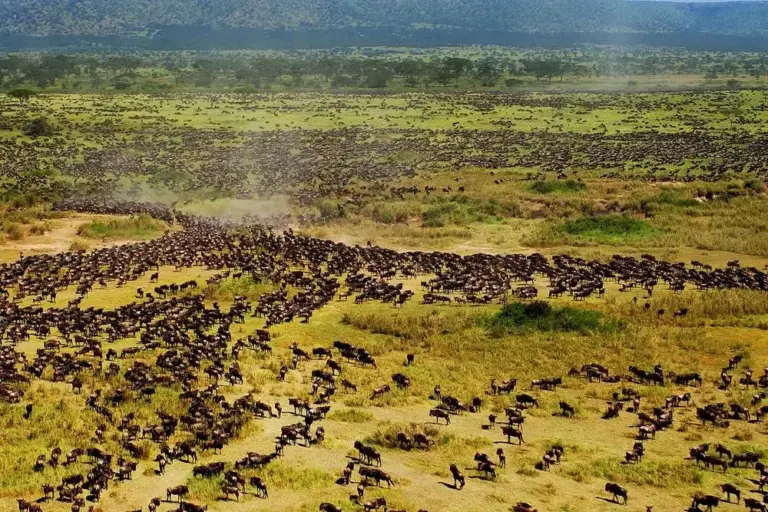
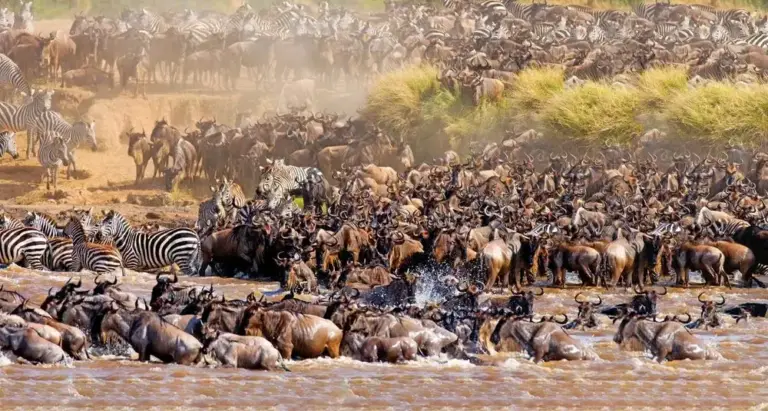
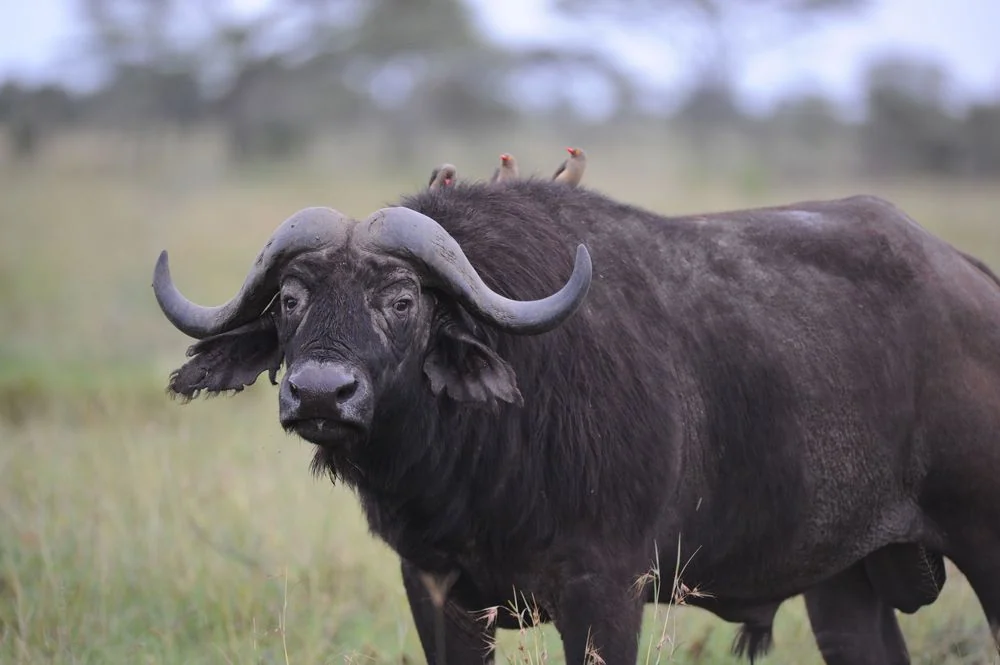
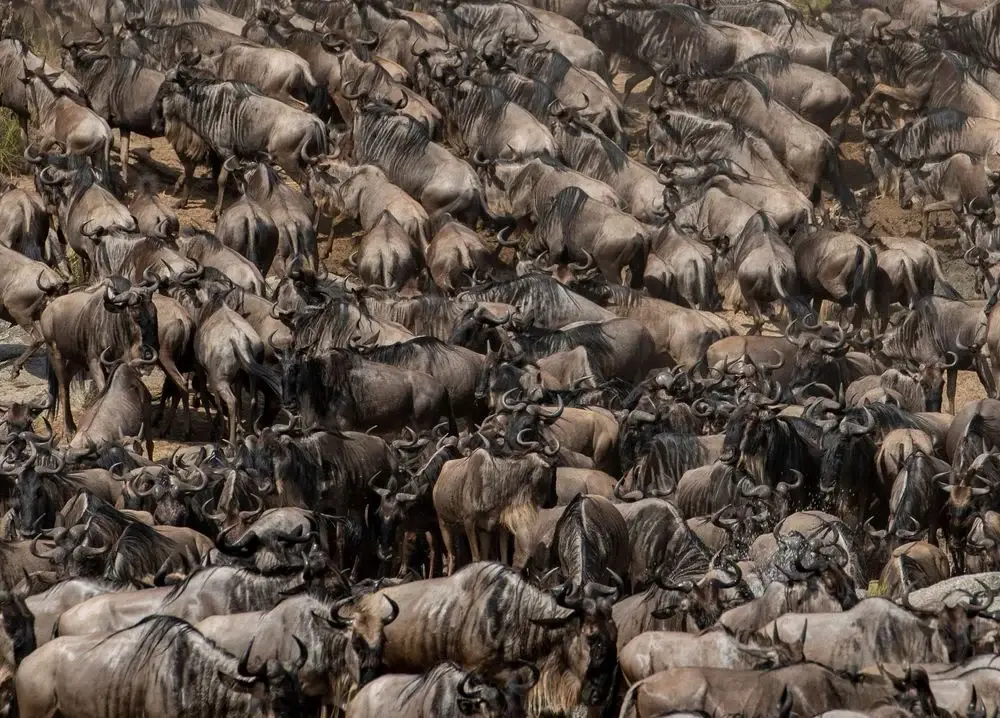
- Buffalo come together in enormous herds, often numbering well over a thousand, a sight rarely seen elsewhere.
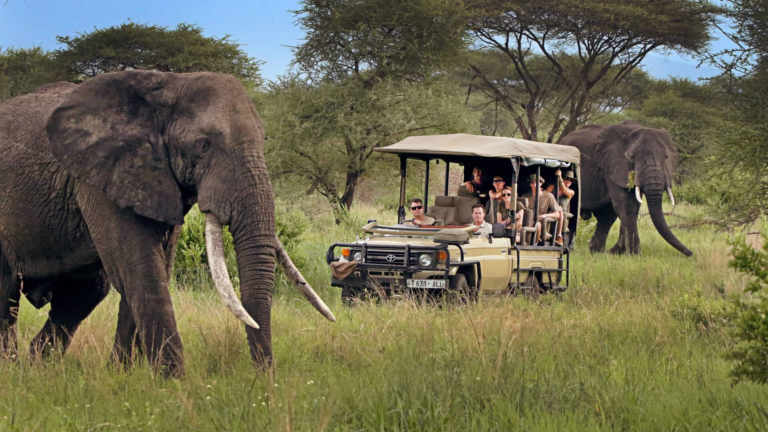
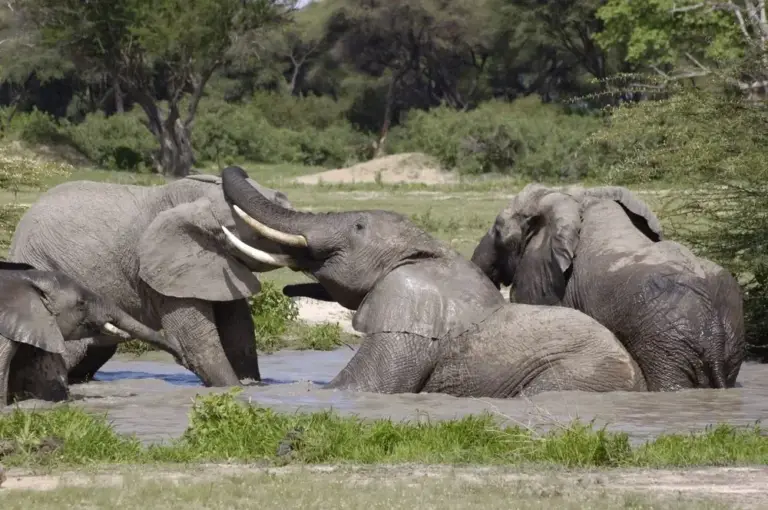
- Elephants, giraffe, zebra, topi and impala gather along the river and the floodplains.
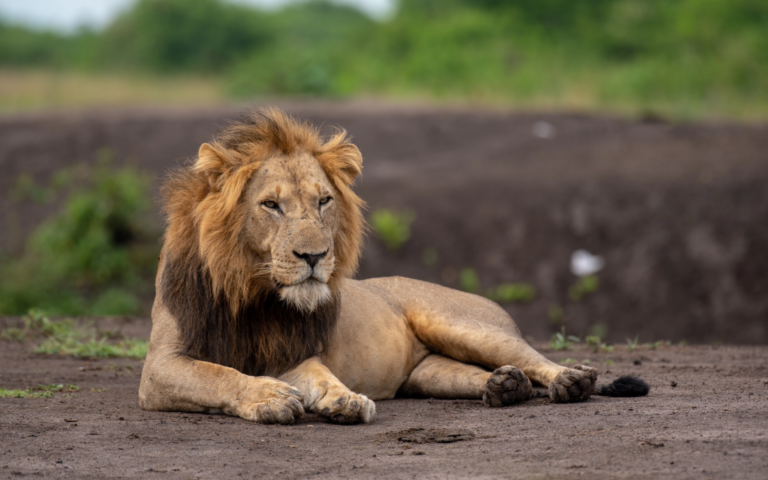
- Predators follow: lions in large prides, leopards, spotted hyenas and, occasionally, wild dogs.
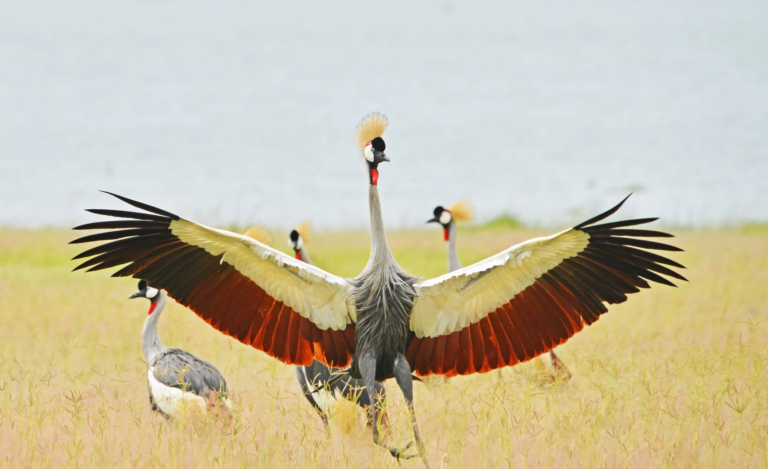
The woodland also holds sable and roan antelope, eland, and the rare, honey-coloured puku. Bird life is rich, with more than 400 species recorded, including storks, pelicans, fish eagles and lilac-breasted rollers.
The green season
When the rains arrive, Katavi turns green and the animals disperse. The floodplains fill, roads become difficult, and some camps close. This is a time for birdwatching, and for those who like emptiness, but it is not the time for classic game viewing. Most visitors come in the dry season.
What to do
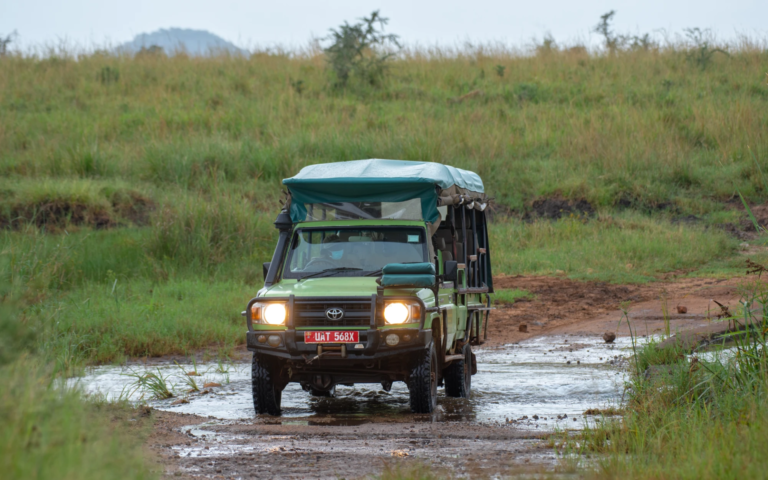
- Game drives in open vehicles across the floodplains and along the river.
- Walking safaris with armed rangers, which bring you close to the smaller details of the bush.
- Birdwatching along the lakes and in the woodland.
- Sundowners beside a hippo pool, and long evenings with a fire under the stars.
- Night drives where allowed, or walking in the camp’s surroundings.
Accommodation is in a small number of tented camps, some of them mobile and seasonal, so book early.
Getting to Katavi
Katavi is remote. Most travellers fly in on small aircraft from Arusha, Dar es Salaam, Ruaha or Mahale to one of the park’s airstrips. Katavi and Mahale are often combined, since a light-aircraft hop links them. The road from the town of Mpanda is long and rough. We plan flights carefully, since baggage limits apply on light aircraft.
Practical information
- Best time: dry season, especially August to October, when wildlife concentration is at its peak. Some sources also recommend May to July and December to February.
- Time needed: at least three nights, ideally four, to explore properly.
- Health and comfort: the dry season is hot, and tsetse flies can be a nuisance in the woodland. Wear neutral colours and use repellent. Malaria is a risk; see our Health & Safety page.
- Fees: park and camp fees are confirmed when you book.
- Insurance: because Katavi is remote, robust insurance with evacuation cover matters. See Visa & Entry Requirements for Tanzania’s compulsory inbound insurance.
Katavi with Offmap Safaris
We build Katavi into Western Circuit safaris with Mahale and Gombe, or into the southern circuit with Ruaha and Nyerere. Plan your safari, message us on WhatsApp +256 701 243 304 or email [email protected]. Please also read our Responsible Travel page.
Plan a safari that includes Katavi National Park
Our team plans private, tailor-made safaris, so we can build a trip around Katavi National Park and adjust the days, lodges and pace to suit you.