In July 1960 a young Englishwoman with no university degree stepped ashore on a narrow beach on the shore of Lake Tanganyika, in what was then Tanganyika Territory, to begin a study that would change how the world thinks about animals. Her name was Jane Goodall, and the forest behind that beach is Gombe Stream National Park. More than sixty years later, the chimpanzee research she began is one of the longest continuous studies of any wild animal in history, and Gombe remains one of the best places on Earth to walk among wild chimpanzees.
A small park with a large reputation
- Size: about 52 square kilometres, Tanzania’s smallest national park (sources differ slightly).
- Established: 1968, on the eastern shore of Lake Tanganyika, around 20 kilometres north of Kigoma.
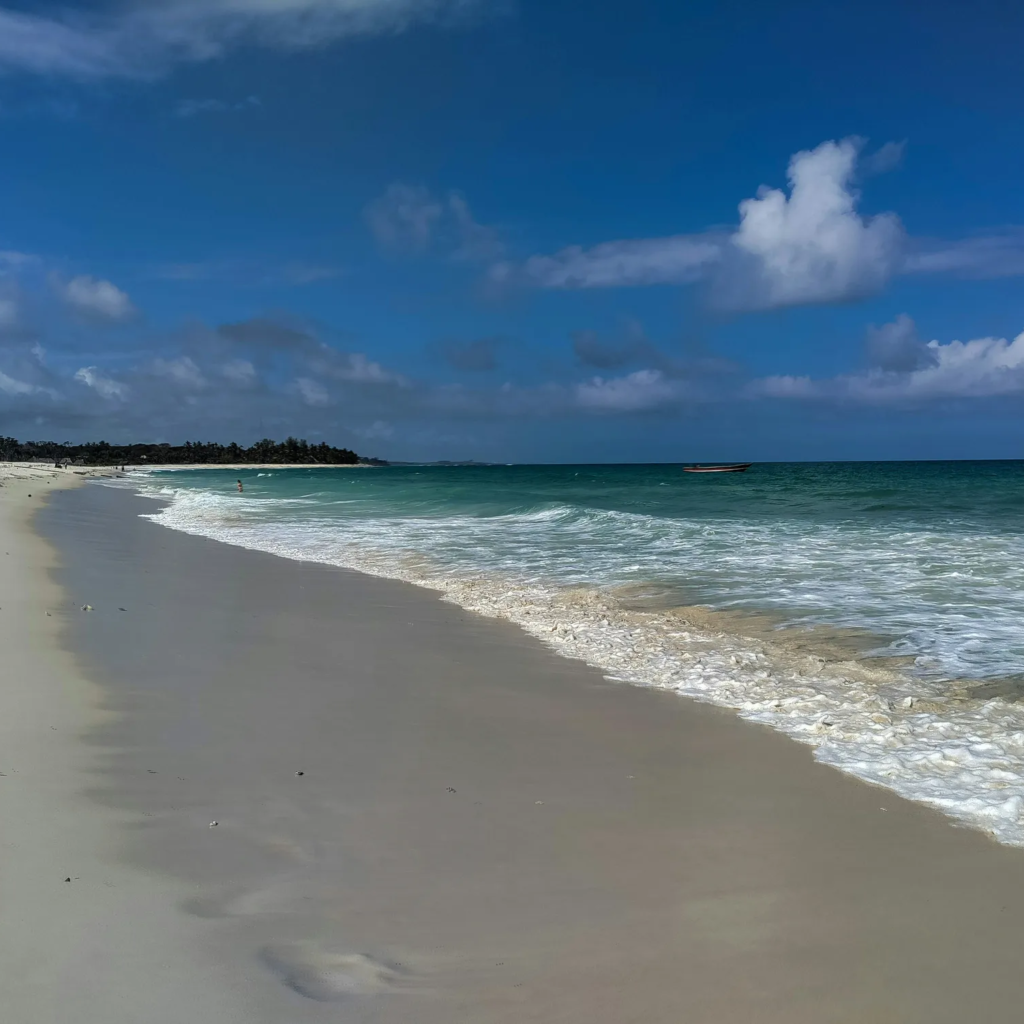
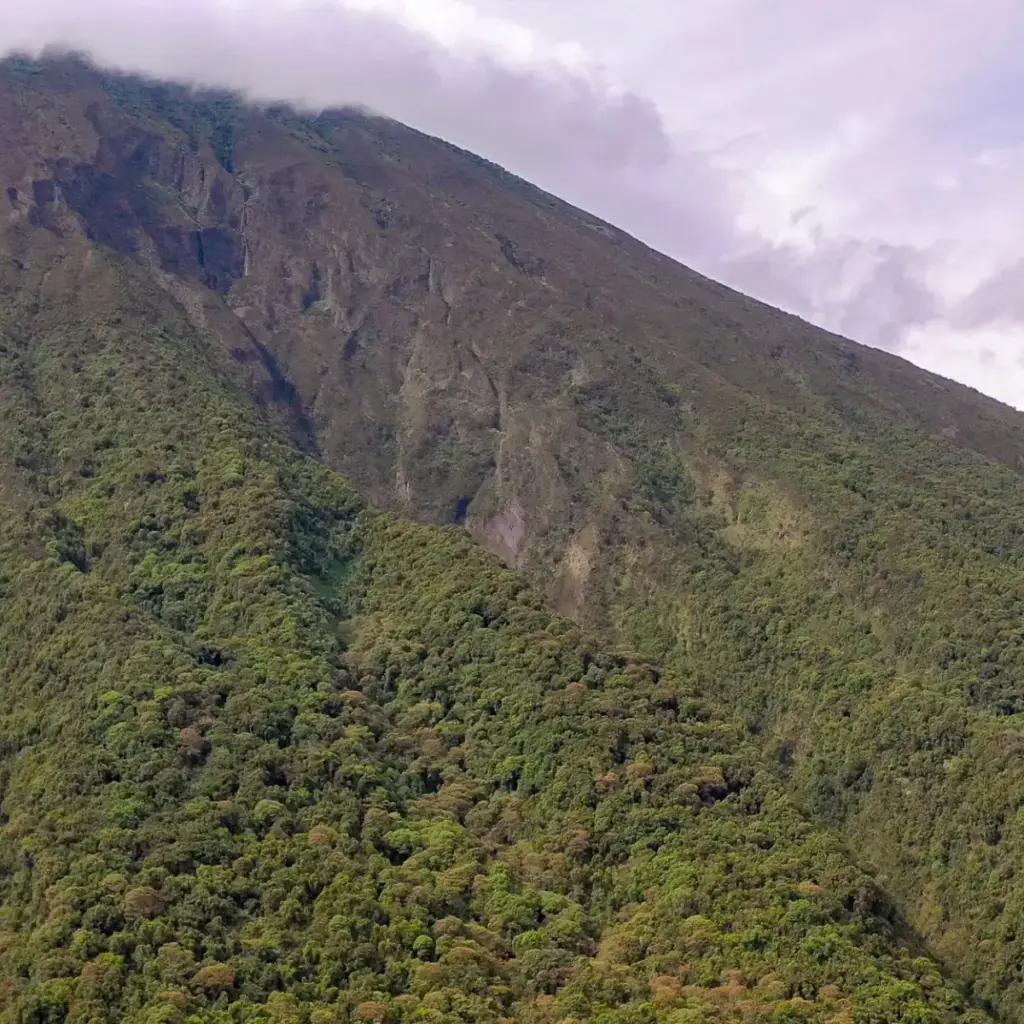
- Terrain: a narrow strip of steep, forested valleys running down to the lake, with about sixteen streams and a long beach of clear water.
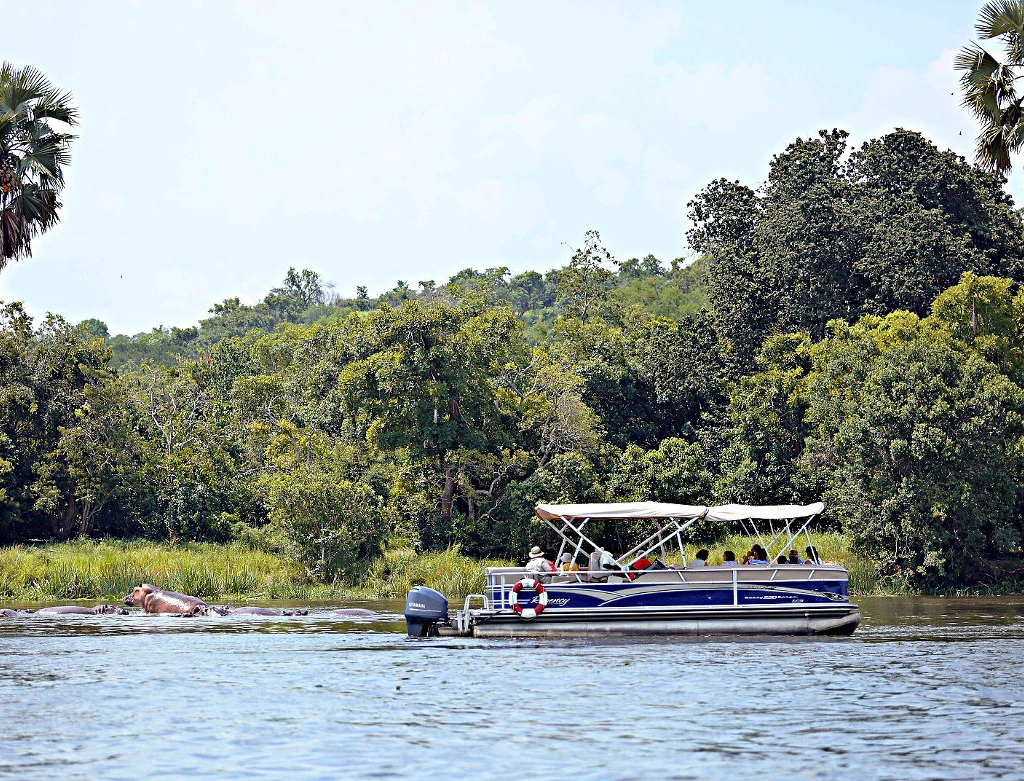
- Access: there are no roads. You reach the park only by boat from Kigoma or the nearby port at Kibirizi, a lake ride of about an hour and a half.
- Vegetation: a mix of rainforest, woodland, bamboo and open grassy ridges.
The chimpanzees
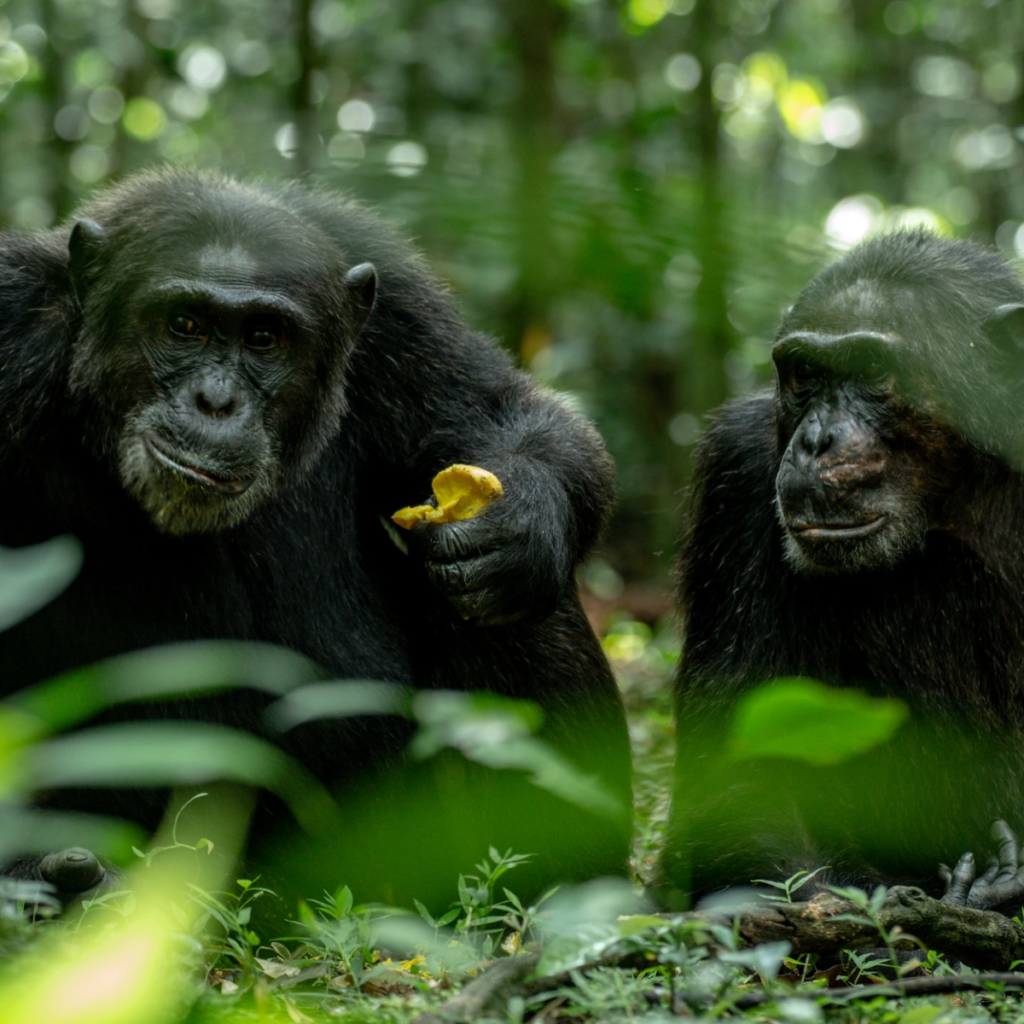
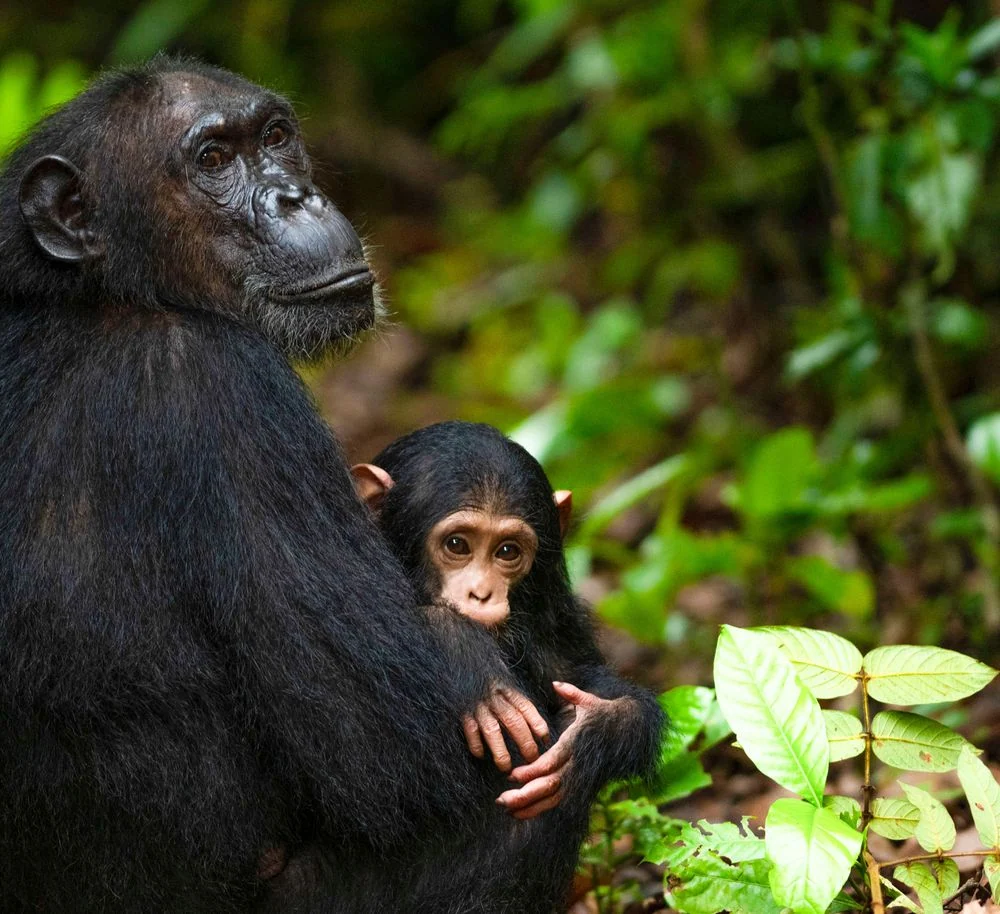
Gombe is home to several communities of chimpanzees, and one has been studied for decades, so the animals are used to people. Individuals are known by name, their family histories are recorded, and rangers can often say who is who and what they are up to. Guided walks lead through the forest to find them, and encounters can be astonishingly close: mothers grooming infants, males displaying, groups feeding in fig trees or crossing the path.
The research produced discoveries that shaped science: that chimpanzees make and use tools, that they hunt and eat meat, and that they have complex social lives and emotions. Studies continue today through the Jane Goodall Institute, in partnership with Tanzania National Parks. Your visit helps to fund protection of the forest.
The park also holds other primates, including red colobus, red-tailed and blue monkeys and olive baboons, as well as forest birds and butterflies.
How a visit works
- Get to Kigoma, by scheduled flight or by long road or lake connections.
- Take the boat north along the shore to the park headquarters at Kasekela, watching villages, fishing boats and forested slopes.
- Register with rangers, receive a briefing and meet your guide.
- Trek into the forest for chimpanzees. Walks may last from an hour to most of a day, on steep slopes that can be muddy or hot. When chimps are found, you may spend up to an hour with them, keeping a set distance.
- Add walks: the easy Jane Goodall Trail, the walk to Kakombe waterfall, and the longer climb to Jane’s Peak, which has a view over the lake.
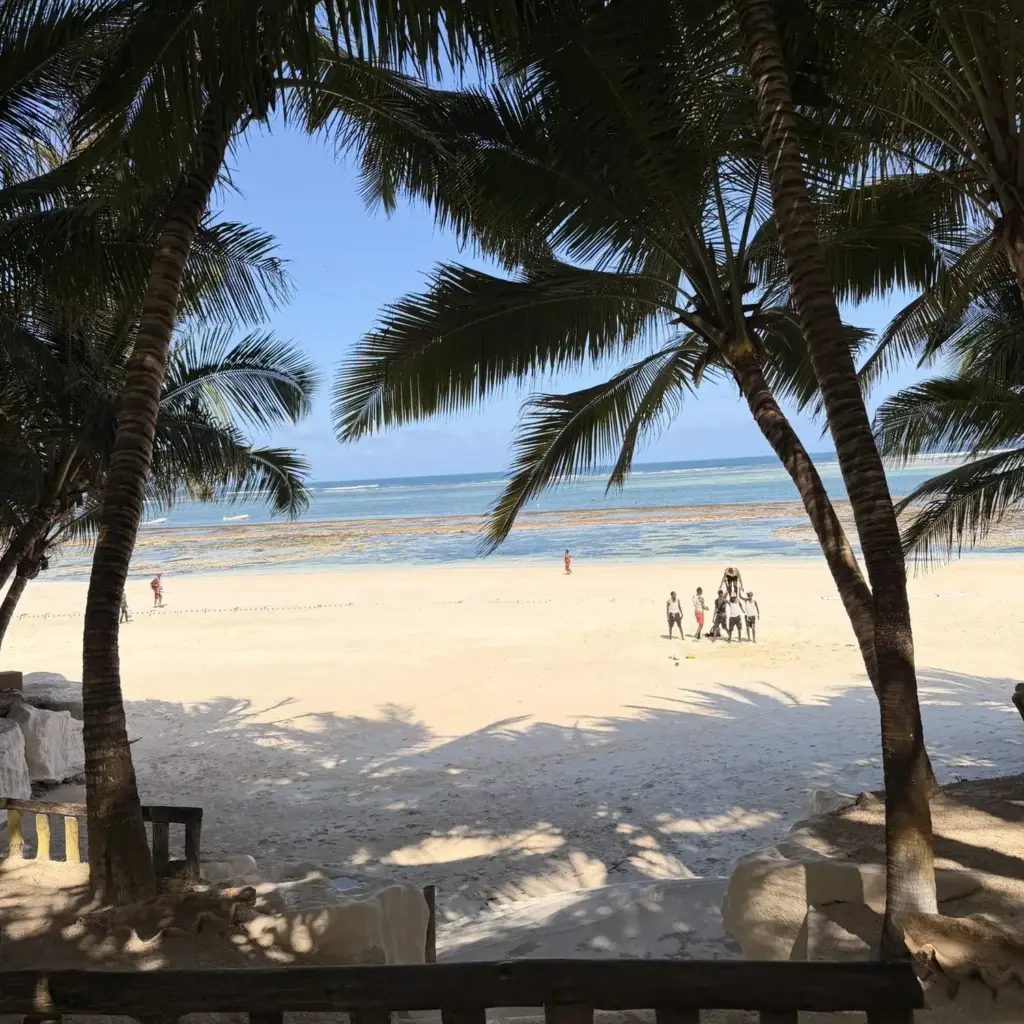
- Swim and relax on the beach and cruise on the lake at sunset.
Most visitors stay two nights, so there is time for at least two chimpanzee treks, and lodging is simple and close to nature.
Rules that protect the apes
Chimpanzees share diseases with humans. Rangers apply strict rules that we follow exactly: a minimum viewing distance (usually about ten metres), limited group sizes, no visiting when sick and no eating in front of the animals. Photography is allowed without flash. See our Health & Safety page and the permit conditions in our Terms & Conditions.
Kigoma and Ujiji
Most visits pass through Kigoma, a relaxed lakeside town, and nearby Ujiji, where in 1871 Henry Morton Stanley found David Livingstone. A visit to the Livingstone Memorial, the fish market and the harbour is a fine way to fill a spare morning. See our page on Lake Tanganyika for the wider region.
Practical information
- Getting there: Kigoma has scheduled flights from Dar es Salaam and Arusha; road links are poor. From Kigoma, a boat takes about one to one and a half hours.
- Best time: Gombe can be visited most of the year. In the wetter months chimps often stay lower in the forest and can be easier to find, though the slopes are slippery; in the drier months, roughly May to October, walking is easier. Sightings are never guaranteed.
- Fitness: steep trails and heat: moderate fitness is needed.
- What to bring: hiking shoes, long trousers, a rain jacket, insect repellent, binoculars and a water bottle.
- Combining: Gombe pairs with Mahale Mountains National Park to the south, which is reached by boat or light aircraft, and with Katavi. Together they form Tanzania’s Western Circuit.
- Permits and fees: chimpanzee trekking permits are limited and fees change, so we confirm them at booking.
Gombe with Offmap Safaris
We plan Gombe as a two-night chimpanzee stay, often paired with Mahale and the Livingstone sites of Ujiji. Plan your safari, message us on WhatsApp +256 701 243 304 or email [email protected]. See Visa & Entry Requirements for Tanzania’s visa and compulsory insurance.