
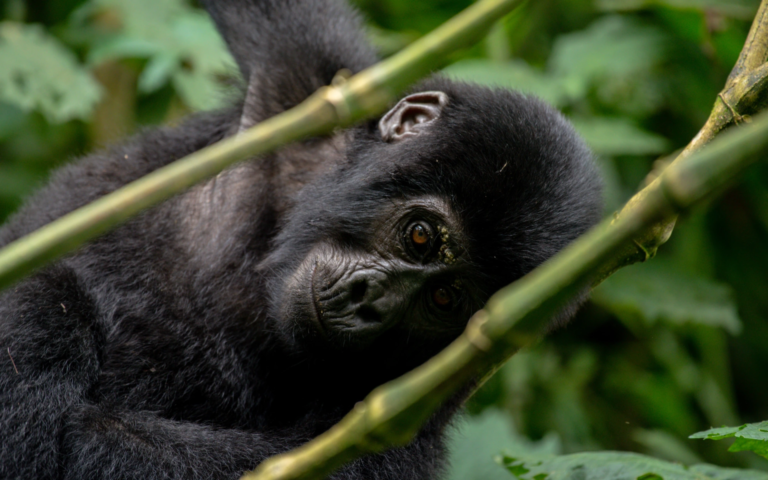
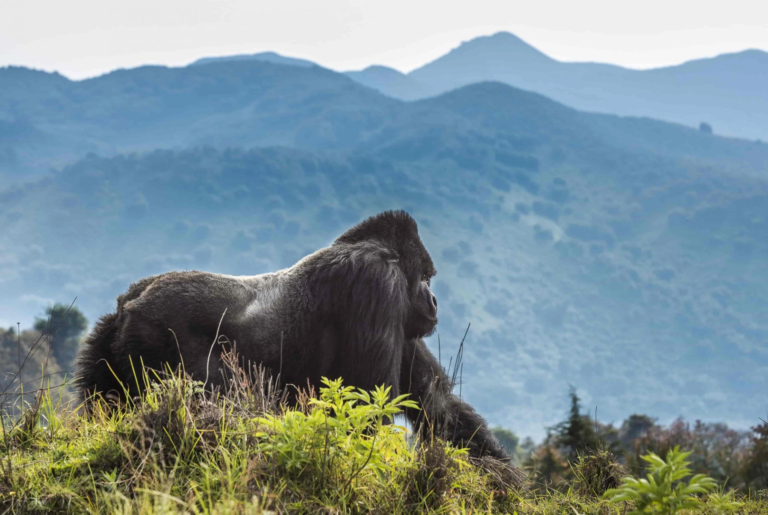
Where gorilla trekking happens
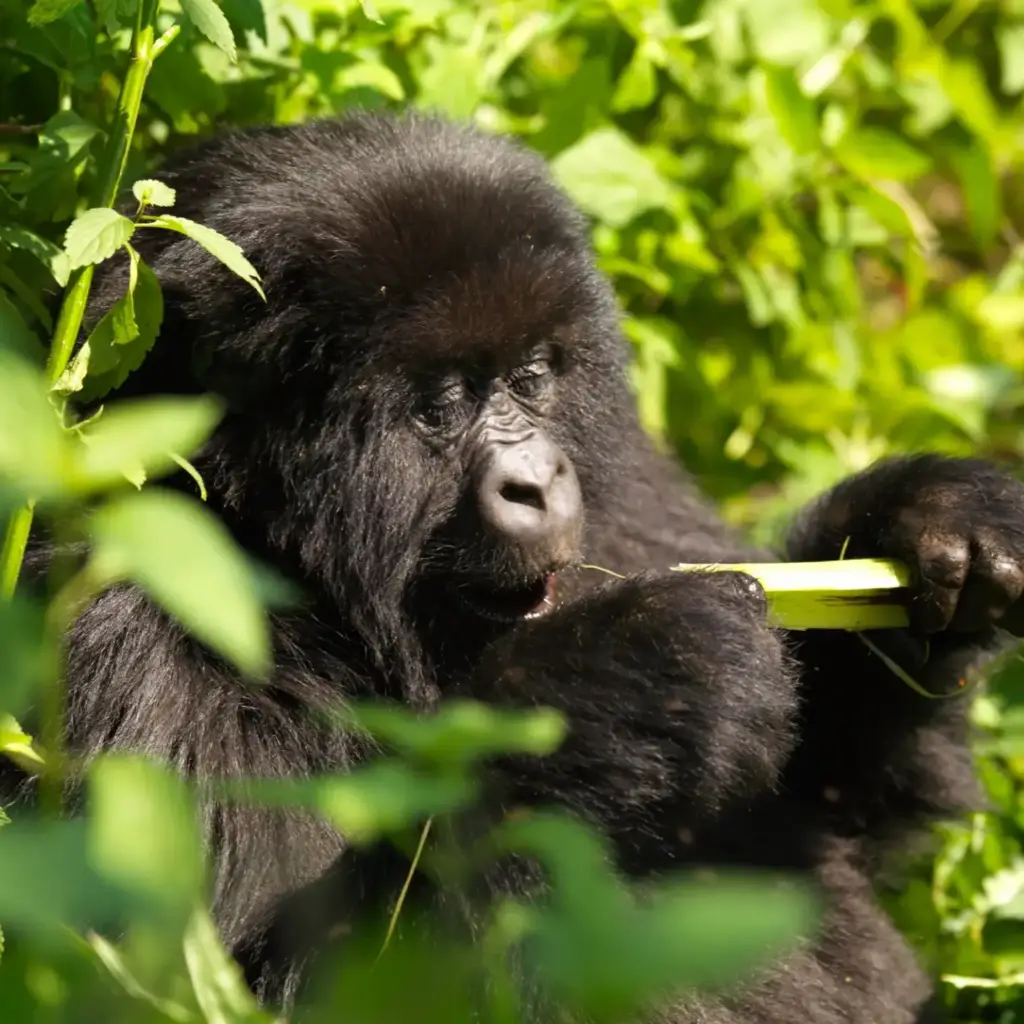
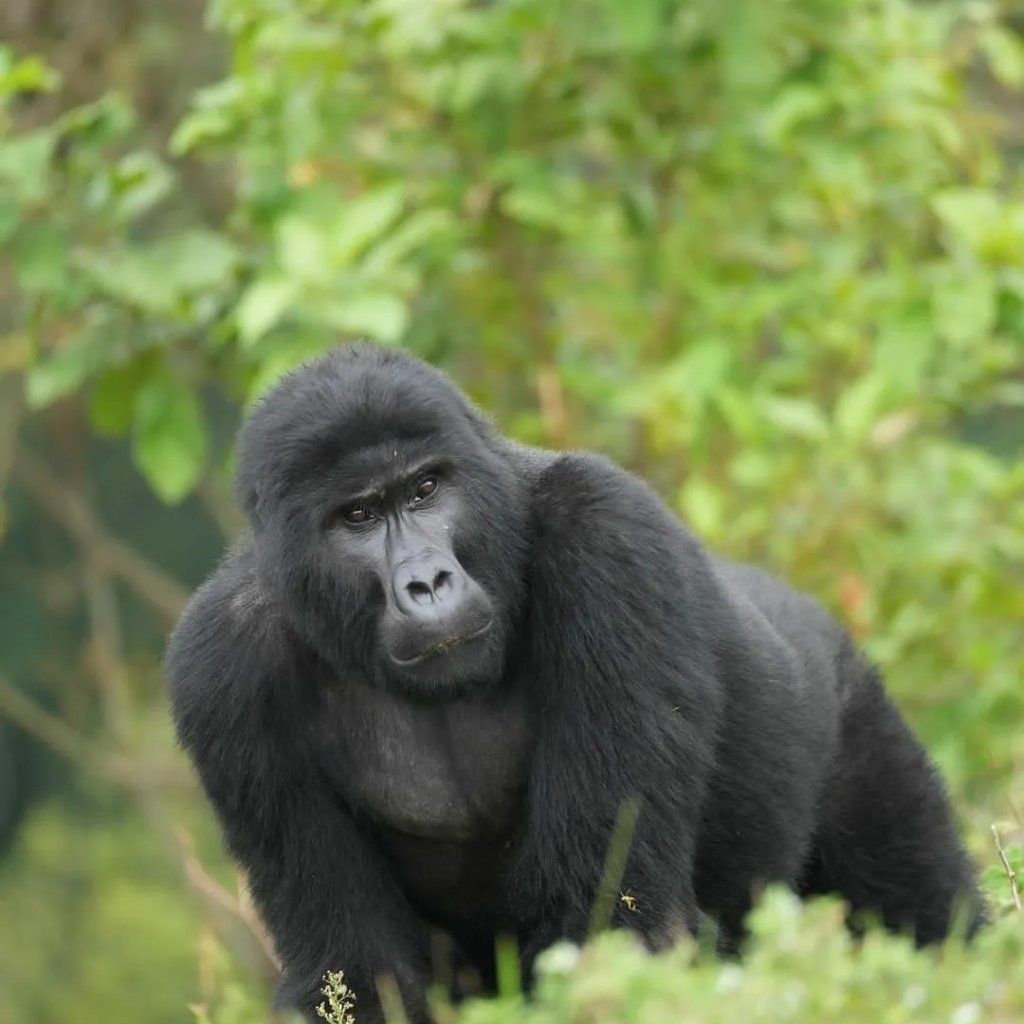
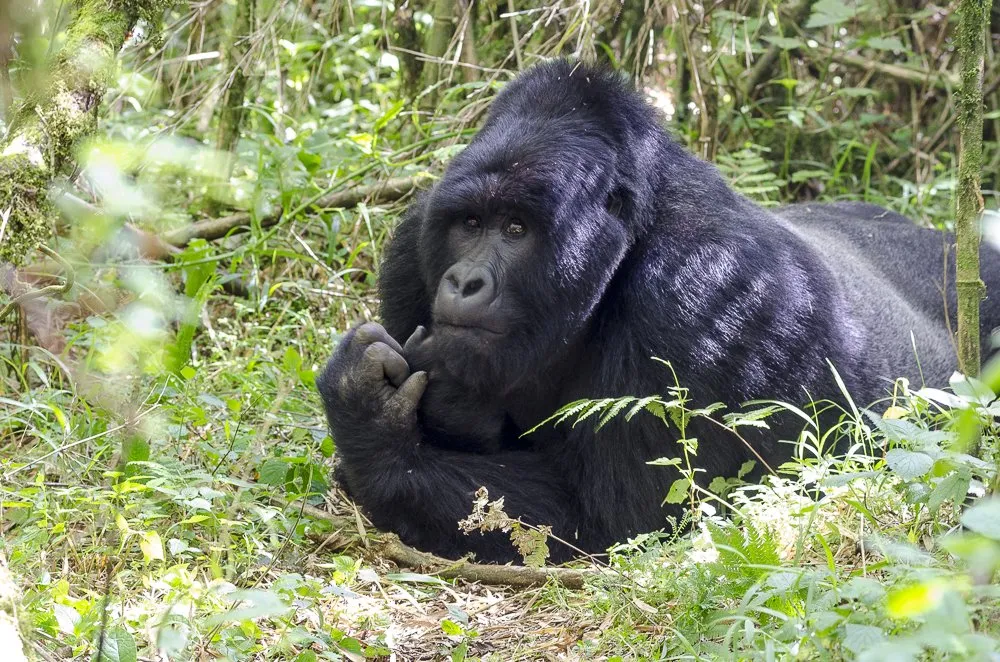
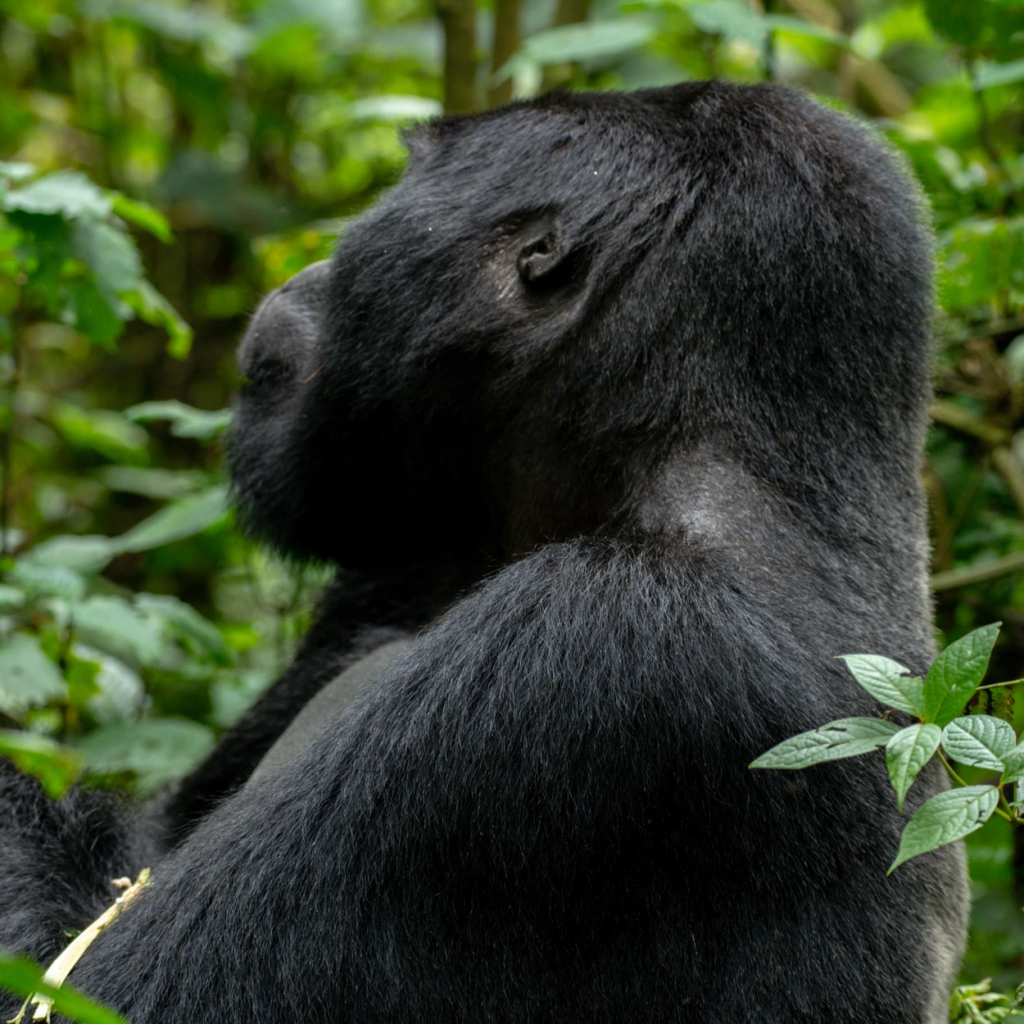
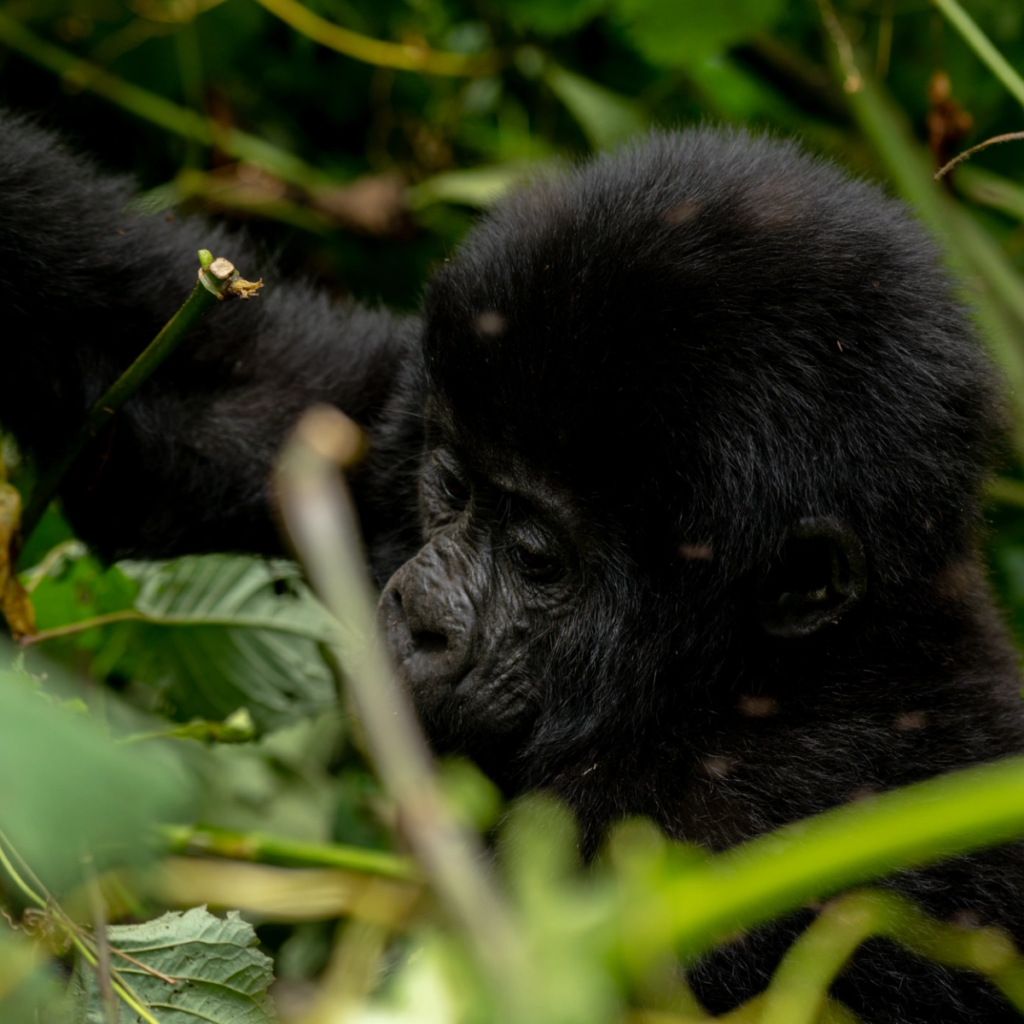
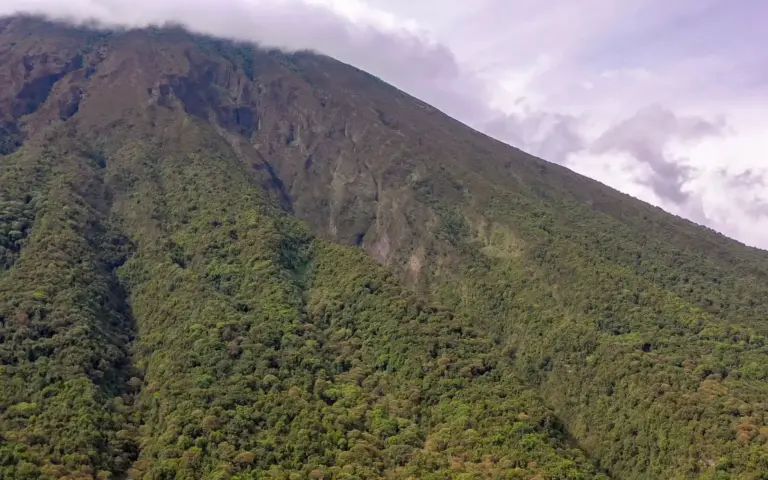
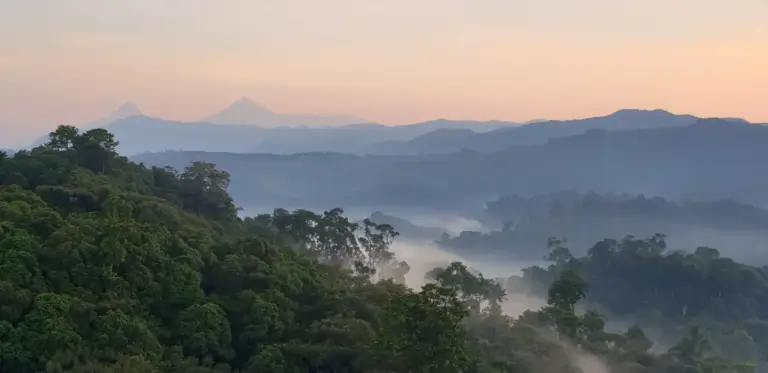
Mountain gorillas live in just two forest regions: the Virunga volcanoes, which Uganda, Rwanda and the Democratic Republic of Congo share, and Bwindi Impenetrable National Park in southwestern Uganda. For visitors that means three destinations. Bwindi and Mgahinga Gorilla National Park are in Uganda, and Volcanoes National Park is in Rwanda.
Bwindi holds close to half of all mountain gorillas and has four trekking sectors, Buhoma, Ruhija, Rushaga and Nkuringo, each with its own gorilla families, terrain and lodges. Mgahinga is smaller and more volcanic. Volcanoes National Park lies above the town of Musanze, roughly two hours by road from Kigali, which makes Rwanda the quickest route from an airport to a gorilla family.
How a trek works
The day starts early with a briefing at the park headquarters where rangers assign each visitor to a gorilla family. No more than eight people may visit a family in a day. Trackers set out at first light from the spot where the family nested the night before and radio back its position, and your group follows with a guide and armed rangers, who are there to deal with forest elephants and buffalo rather than the gorillas.
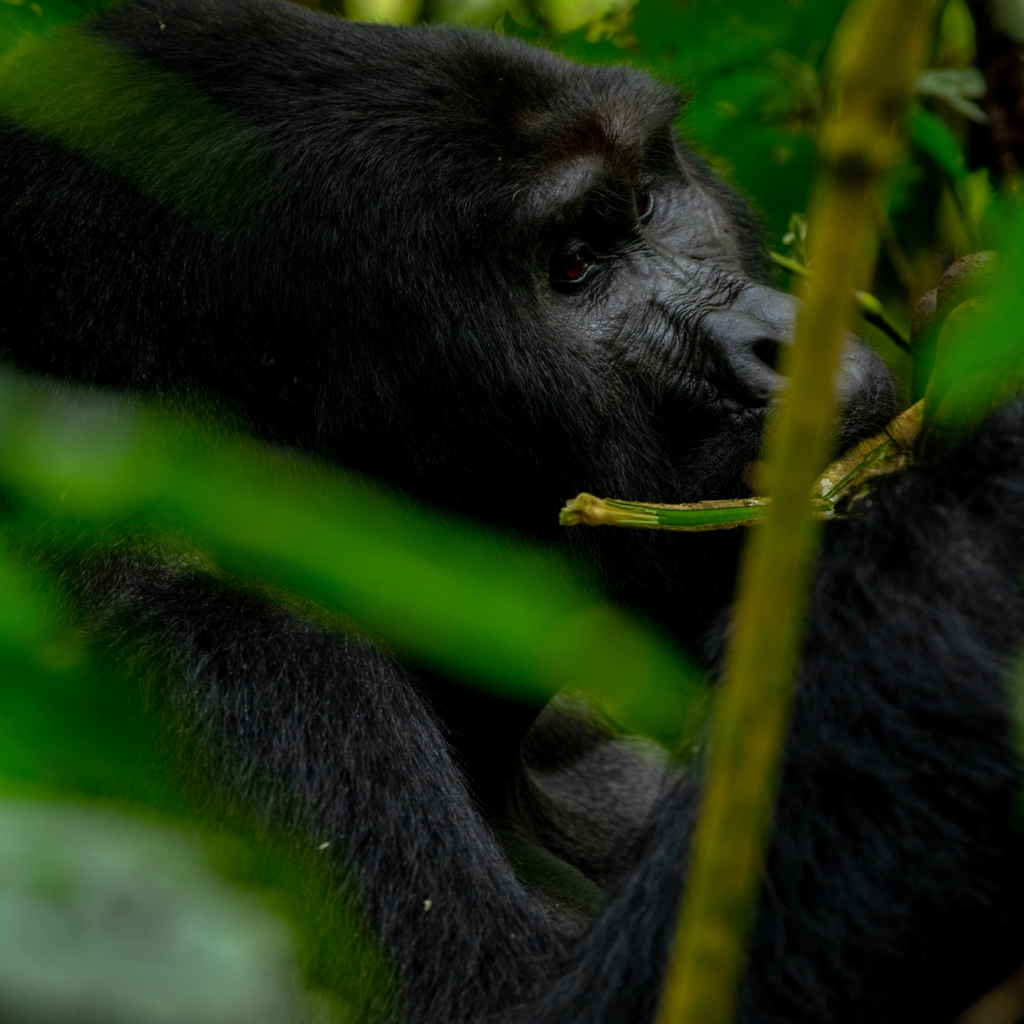
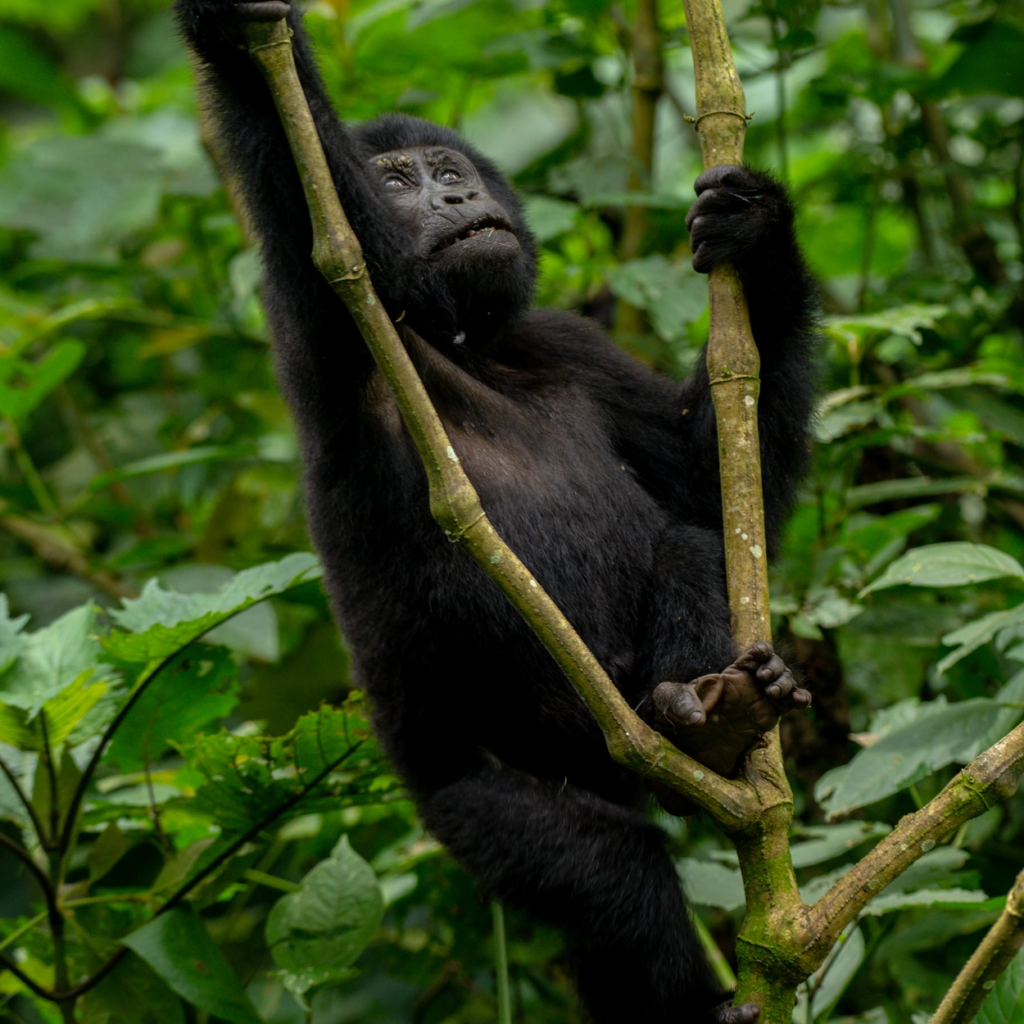
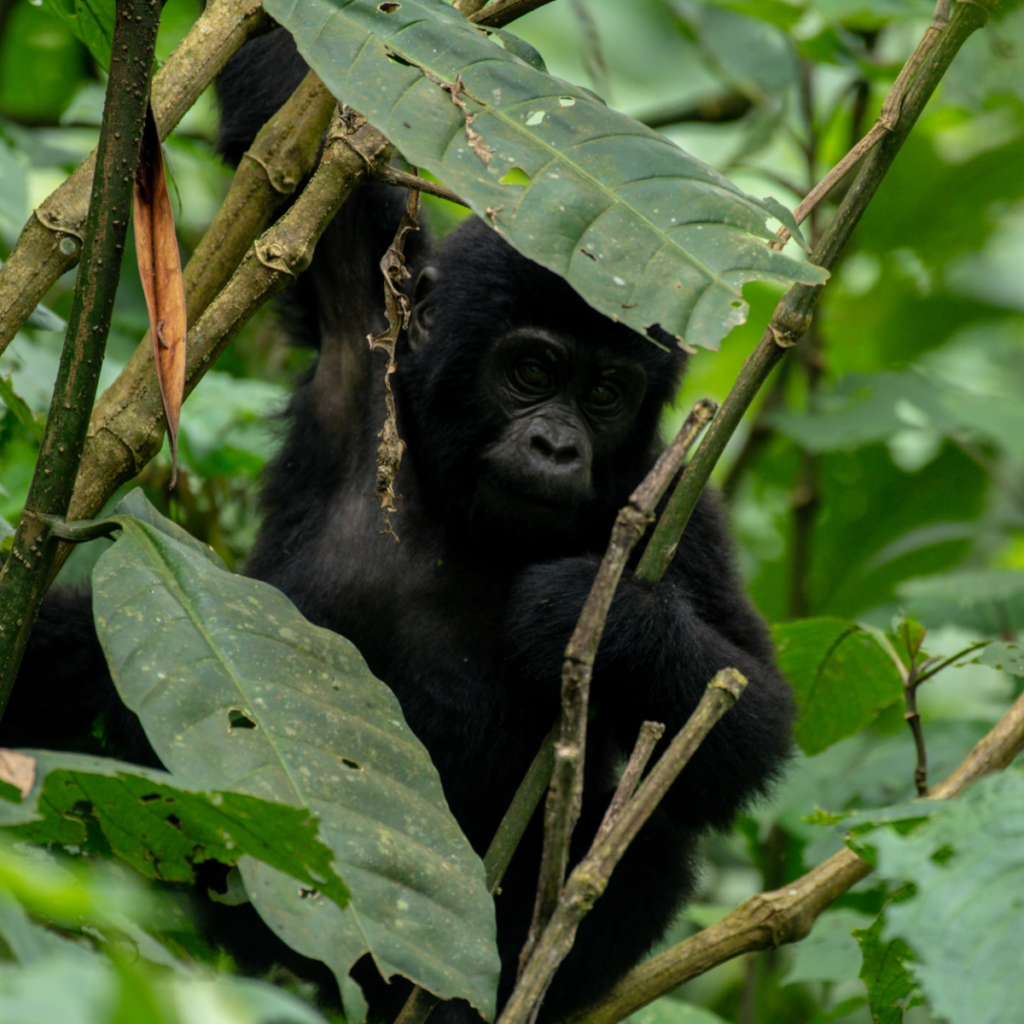
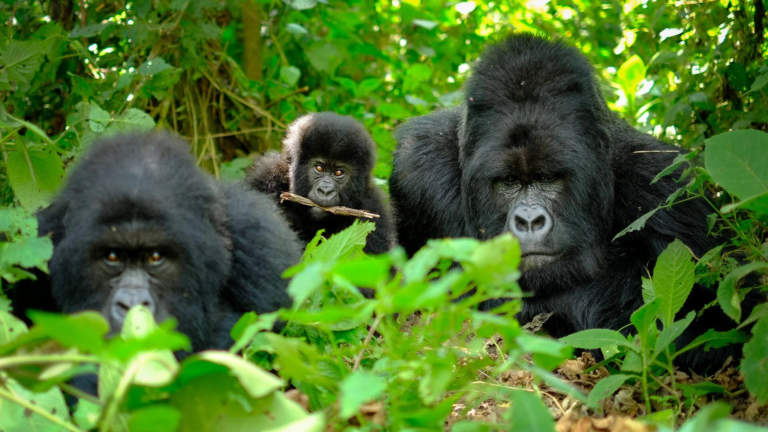
Finding the family can take under two hours or most of a day, depending on how far they have moved. Once you reach them, you are allowed one hour in their company. The rule is to stay about seven metres back, although the gorillas do not always observe it and your guide will show you how to step aside calmly if one approaches. Flash photography is forbidden and you keep your voice low and your movements slow.
How demanding is it?
Bwindi’s name is accurate. The slopes are steep, the undergrowth is thick and the ground can be slick with mud, even in the dry season. Volcanoes National Park is generally more open, with bamboo and lower forest, but it sits between roughly 2,400 and 3,000 metres, so the altitude is noticeable. Expect anything from a gentle walk to a hard day of climbing, at a pace set by the slowest person in the group.
Local porters will carry your daypack and give you a hand on the difficult stretches, and hiring one puts income directly into the communities beside the forest. You can ask for an easier allocation when you book, but the final choice depends on where each family has moved by that morning.
Permits and booking
Permits are issued by the Uganda Wildlife Authority and the Rwanda Development Board, and the number available each day is deliberately small. Fees differ considerably between the two countries and change over time so we confirm the current price in writing when we quote. A permit covers your park entry and ranger guides, but not your porter, tips or transport.
For June to September and December to February, the most sought-after sectors can sell out many months ahead, so booking six to twelve months early is sensible. Permits are tied to a named person and date. The minimum age is 15, and anyone with a cold or other infectious illness may be refused on the day, because gorillas are highly vulnerable to human respiratory disease. Rangers also ask visitors to wear masks near the gorillas.
When to go
Gorilla trekking runs all year. The drier months, June to September and December to February, make the trails easier and the views clearer. March to May and October to November bring heavier rain, greener forest and thinner crowds, and permits are easier to secure, but the paths can be very muddy.
What to bring
- Sturdy, waterproof hiking boots with good grip
- Long trousers and a long-sleeved shirt, for nettles and biting insects
- Lightweight gardening gloves, gaiters and a rain jacket
- Water, a packed lunch and any personal medication
- A camera that works in low light, with the flash switched off
Uganda or Rwanda?
Uganda offers more sectors, a lower permit fee and easy pairing with chimpanzee tracking in Kibale Forest and wildlife viewing in Queen Elizabeth National Park. Rwanda offers a short transfer, polished infrastructure and extras such as golden monkey tracking. The border at Cyanika links the two, so many travellers see gorillas in both countries.
Choosing a sector in Bwindi
Buhoma, the oldest sector, is well established and comfortable, with a strong community programme and good birding. Ruhija sits higher, cooler and greener, and is a favourite with birdwatchers. Rushaga has a large number of gorilla families and a reputation for reliable sightings while Nkuringo is steep and dramatic, with wide views across the valleys. Each has a different feel, and the right choice depends on your fitness, your lodge preference and where the rest of your safari takes you.
Why the permit matters
Mountain gorillas were once critically endangered, and their recovery is one of conservation’s real successes. Permit fees pay for the rangers, trackers and veterinary teams who protect the gorillas every day, and a share of park revenue goes to neighbouring communities, so that people living beside the forest have a reason to value it. Following the rules on distance and health is part of that partnership.
Planning your gorilla trekking safari
Tell us your dates, your walking fitness, the size of your group and the budget you have in mind. We secure the permits, choose the sector and lodge that suit you, and build the rest of the safari around that one hour in the forest.
Gorilla trekking by country
Gorilla trekking happens in two countries, each with its own permits, forests and habituated families:
- Gorilla Trekking in Uganda: Bwindi Impenetrable and Mgahinga Gorilla National Parks
- Gorilla Trekking in Rwanda: Volcanoes National Park
Photo Gallery