
Who are the Sebei?
- Numbers and place: roughly 270,000 to 300,000 people, living mainly in the districts of Kapchorwa, Kween and Bukwo on the slopes and foothills of Mount Elgon.
- Language: Kupsabiny, a Southern Nilotic language of the Kalenjin group, spoken across the Elgon slopes and related to languages in Kenya.
- Related peoples: Kalenjin communities in Kenya. The Sebei and the smaller groups of the Kenyan side of Elgon are sometimes collectively called the Sabaot.
- Religion: most Sabiny are Christian, with Muslim and traditional minorities.
- History: under British rule, Sebei was administered as a county of Bugisu district before becoming a district of its own.
Way of life
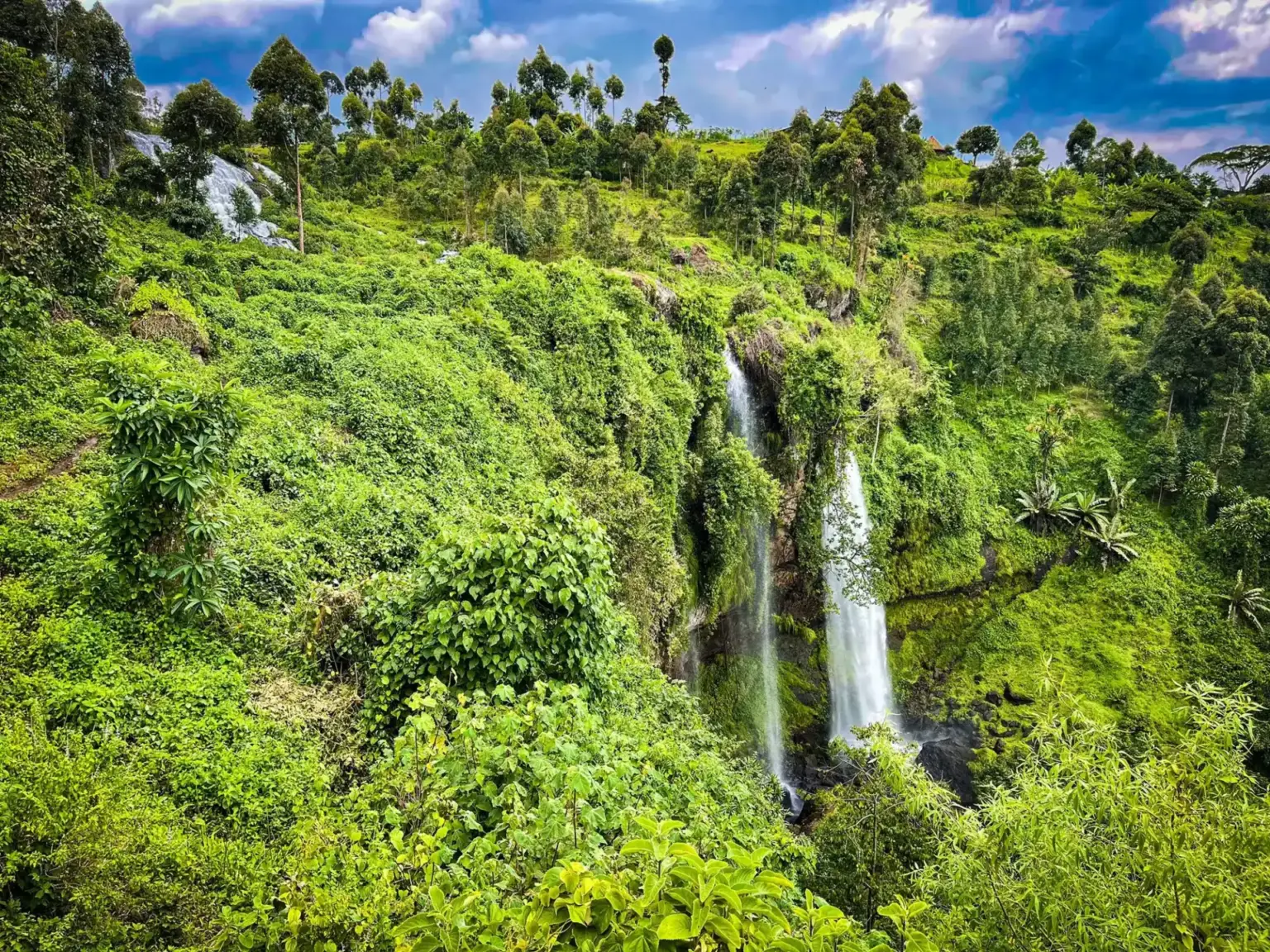
Traditionally the Sebei were pastoralists who kept cattle, goats and sheep. Land pressure and past cattle raiding from neighbours have made farming more important, and today people grow coffee, maize, bananas, beans and vegetables on the terraced slopes. About three-quarters of the Sabiny live on the escarpment where forests and fast rivers such as the Sipi shaped the settlement. Millet beer, shared at gatherings, has a place in social life.
Songs, dance and festivals
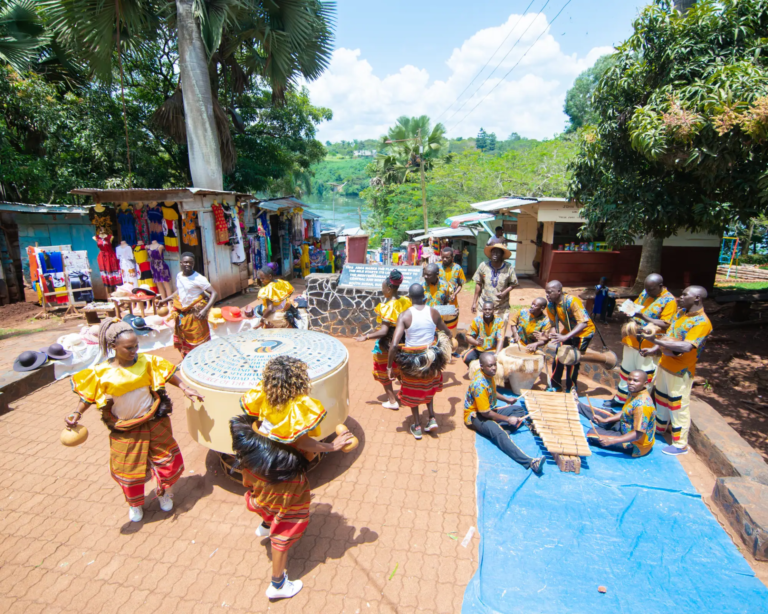
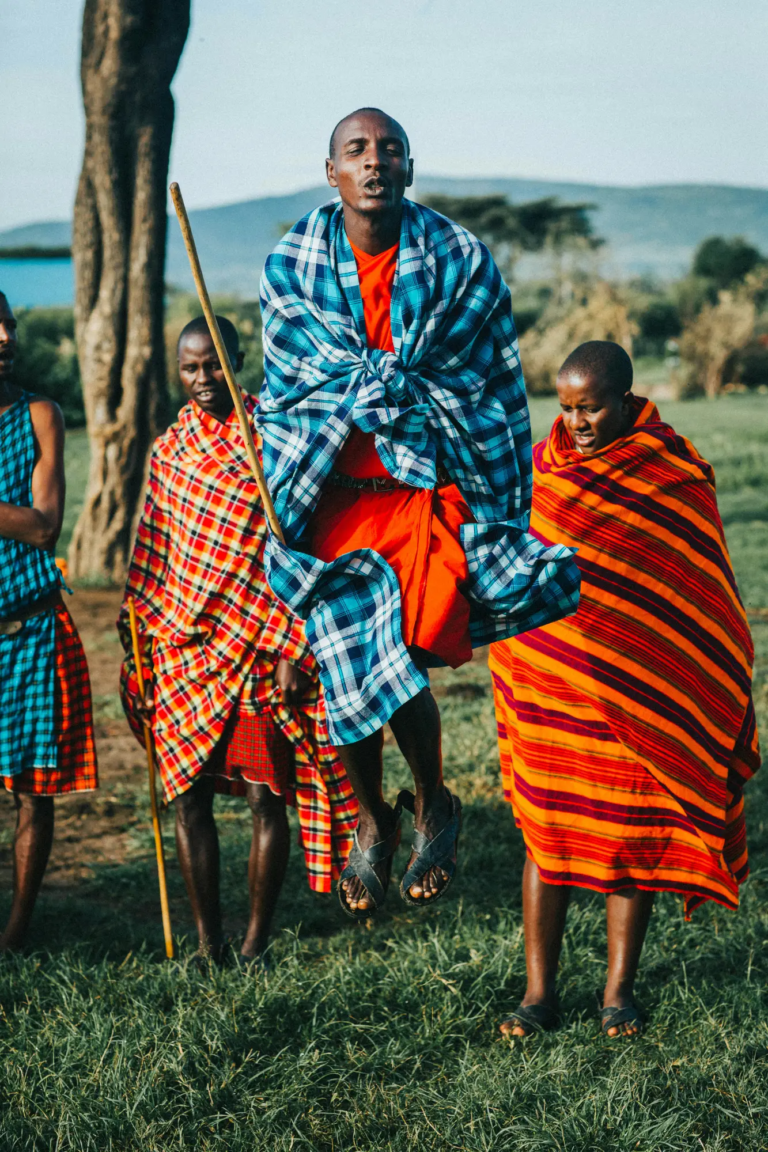
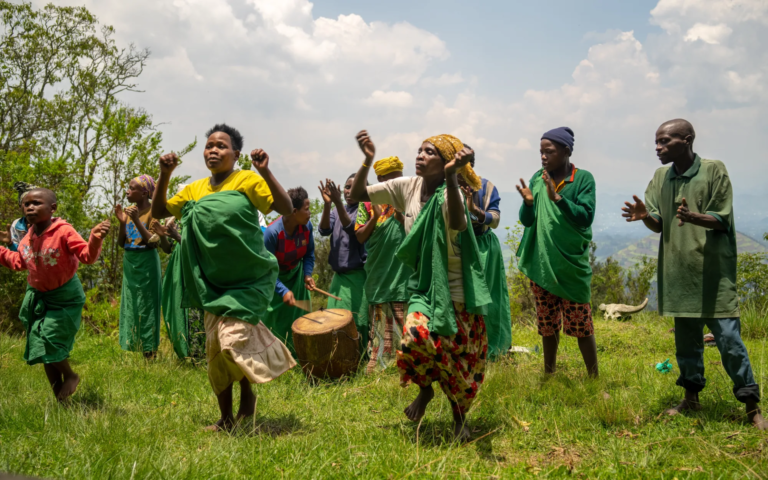
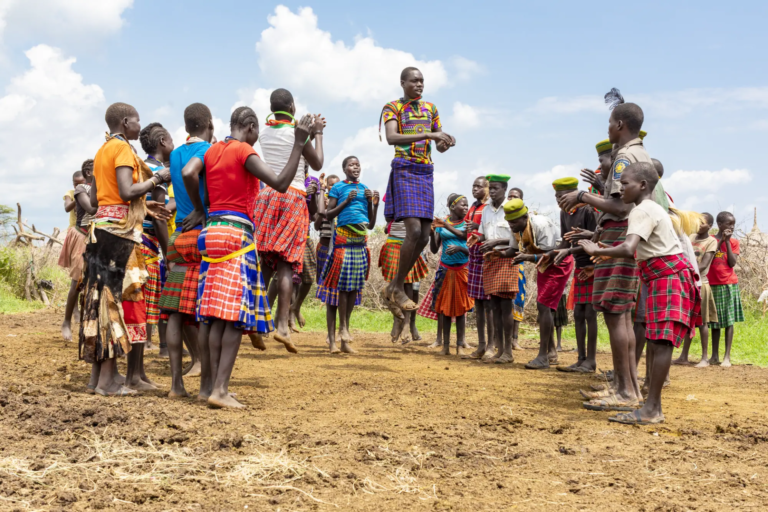
Sebei festivals bring communities together for dance, song and music, with headdresses and costumes of animal skin. The dances can be energetic, the songs powerful and the rhythm hypnotic. A cultural village has been established at Kapkway, in Tegeres, and the Sebei Cultural Centre in Kapchorwa offers guided tours about traditional architecture, clothing, totems, food and ways of life.
Champions
Kapchorwa is known as the Land of Champions. The Sebei have produced some of the world’s best distance runners, including 2022 world 10,000-metre champion Joshua Cheptegei and world championship medallist Jacob Kiplimo. The altitude, the terrain and a strong running culture make the slopes of Elgon a training ground for athletes from many countries.
Experiencing Sebei culture
- Guided tours at the Sebei Cultural Centre.
- Village walks, coffee farm visits and home cooking with local families.
- Cultural evenings with dance and music.
- Running or walking with local training groups.
- Craft and market visits.
As always, ask before photographing people, agree fees in advance so that the money reaches hosts, and buy crafts directly from makers. See our Responsible Travel page.
Practical information
- Getting there: Kapchorwa is roughly five to six hours from Kampala. See our page on Kapchorwa.
- Best time: year-round; December to March is driest.
- Combining: Sipi Falls, Mount Elgon hiking, Mbale and Karamoja to the north.
Sebei culture with Offmap Safaris
We include Sebei cultural visits and coffee walks on Sipi and Kapchorwa stays. Plan your safari, message us on WhatsApp +256 701 243 304 or email [email protected].
Plan a safari that includes Sebei Culture
Our team plans private, tailor-made safaris, so we can build a trip around Sebei Culture and adjust the days, lodges and pace to suit you.