
Eleven chiefdoms, one Kyabazinga
Before the arrival of Europeans, the Basoga lived in a group of hereditary chiefdoms, traditionally counted as eleven, among them Bukooli, Bulamogi, Bugabula, Kigulu, Bunya, Bunyole, Busiki, Luuka, Bukono, Butembe and Bugweri. According to tradition, some of the ruling houses trace their roots to Bunyoro and others to Buganda. The chiefs would meet to discuss common matters and choose one of their number to chair the discussion, but there was no king.
That changed in 1939 when the chiefs, supported by the British administration, created the office of Kyabazinga, whose title Isebantu means “father of the people”. The first Kyabazinga was Ezekiel Tenywa Wako. Traditionally the throne rotates between the ruling houses. The institution was abolished in 1967 and restored in 1995. The present Kyabazinga is William Wilberforce Gabula Nadiope IV, who has held the office since 2014. The kingdom’s headquarters are on Igenge Hill in Bugembe, where a government-built palace stands. Like every kingdom, Busoga is a cultural institution and has no formal political power.
Language and culture
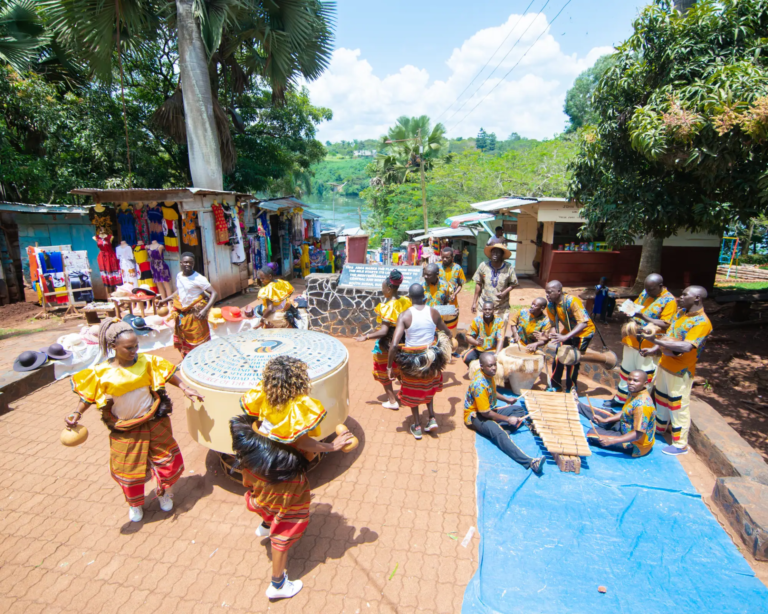
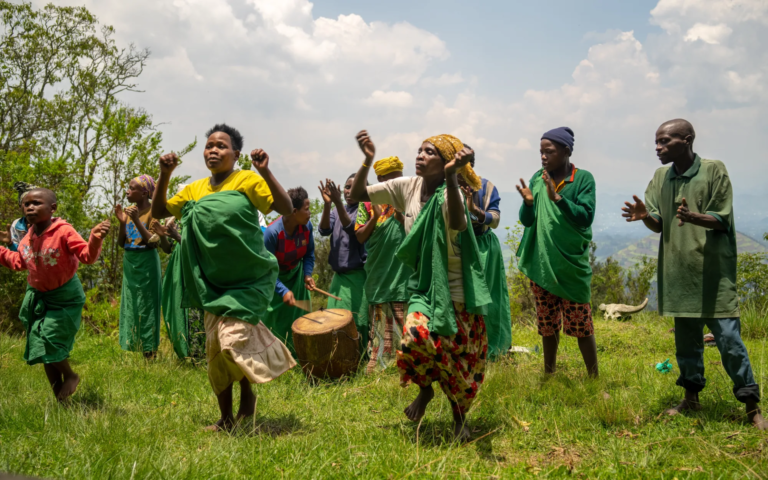
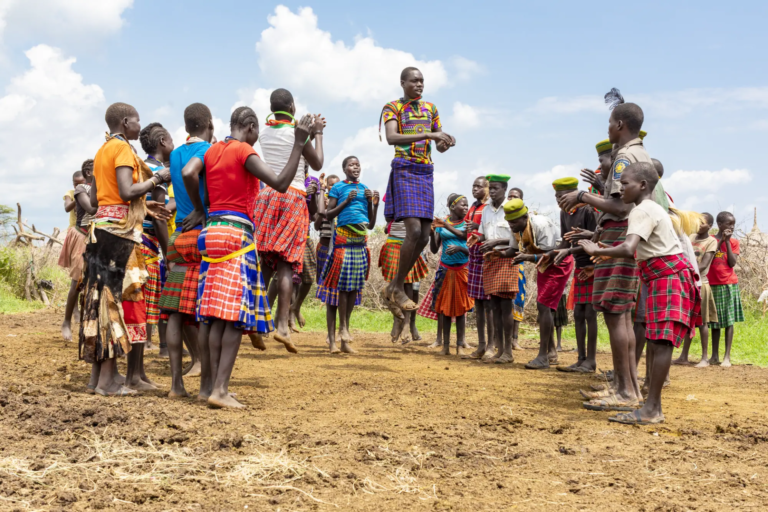
The Basoga speak Lusoga, and are known for their music and dance, their skill in drumming and the xylophone-like amadinda, their clan system, with hundreds of clans, and their use of totems. Clan and lineage still shape social life, marriage and ceremony. Busoga is also one of Uganda’s main sugar- and cotton-growing regions, and the villages around Jinja, Kamuli and Iganga give a glimpse of rural life that few tourists see.
Things to see and do
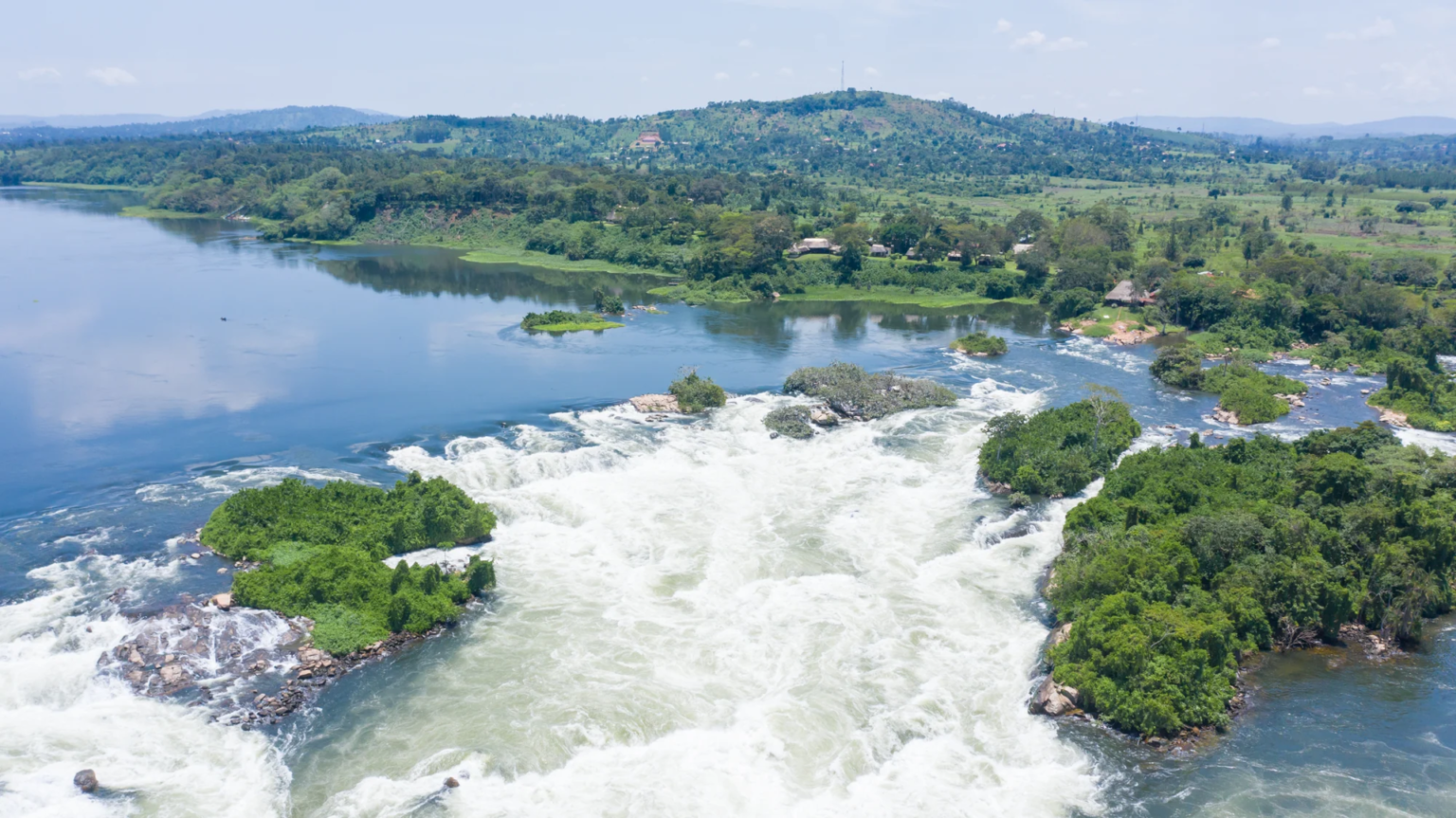
- The Source of the Nile: the outlet of Lake Victoria at Jinja lies in Busoga, and is described in our page on the Source of the Nile.
- Jinja and the river: rafting, kayaking, bungee jumping and sunset cruises. See our pages on Jinja and Itanda Falls.
- Igenge Hill and Bugembe: the seat of the Kyabazinga. Visits to the palace depend on the royal calendar and should be arranged in advance.
- Mpumudde Hill (Mpumwire): the place near Jinja where Omukama Kabalega of Bunyoro died in 1923 on his return from exile. It is part of the Kabalega Tourism Trail. See our page on Bunyoro-Kitara Kingdom.
- Cultural experiences: village visits, drumming and dance evenings, crafts, and food tasting can be arranged with local groups around Jinja and Kamuli.
- Cultural events: the kingdom holds celebrations, including anniversary events, that may be open to respectful visitors. Ask us if your dates coincide.
Combining Busoga with other places
- Buganda to the west, along the Kampala–Jinja road, with Ssezibwa Falls and the royal sites.
- Mount Elgon, Sipi Falls and Mbale to the east.
- Lake Kyoga and the northern route to Kidepo and Karamoja.
Practical information
- Getting there: Jinja is around two to four hours from Kampala depending on traffic.
- Time needed: a night or two in Jinja gives time for the source, a river activity and a cultural visit.
- Behaviour: dress modestly at royal and community sites and ask before photographing people.
- Health and water safety: see our Health & Safety page.
Busoga with Offmap Safaris
We build Busoga into eastern routes as a two-night stay in Jinja that combines the Nile with cultural visits. Plan your safari, message us on WhatsApp +256 701 243 304 or email [email protected]. Please also read our Responsible Travel page.
Plan a safari that includes Busoga Kingdom
Our team plans private, tailor-made safaris, so we can build a trip around Busoga Kingdom and adjust the days, lodges and pace to suit you.