Kenya is one of the easiest countries in Africa for a budget safari. There are simple camps, lodges and campsites near most major parks, vehicles and guides are widely available, and the route from Nairobi to the Mara, Amboseli and Tsavo is well established. This guide to budget accommodation in Kenya explains what to expect, which places we use in each region, where budget works best and how to keep the overall cost of a Kenya safari sensible without missing the wildlife.
What budget means in Kenya
Budget stays in Kenya are simple tented camps, basic lodges, guesthouses and campsites. Rooms or tents are clean and usually en suite, though facilities are plain. Meals are filling, often buffet style, and game drives are in shared vehicles or minibuses with pop-up roofs. You may stay outside the park gate rather than inside, which adds some driving time. Hot water may be limited.
Budget stays in the Maasai Mara
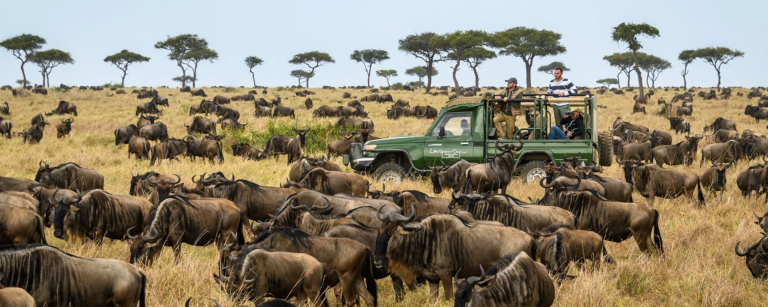
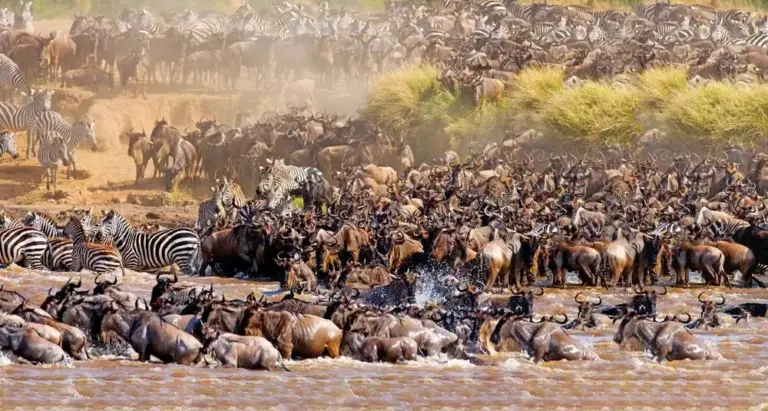
Around the Mara, Kambu Mara Camp in Sekenani, Rhino Tourist Camp near Oloolaimutia Gate and Masai Mara Manyatta Camp near Keekorok are known budget options. They put you within reach of the reserve and the migration season, and the wildlife is the same as what the luxury guests see. Read our Maasai Mara guide and Great Migration page.
Budget stays in Amboseli, Tsavo, Nairobi and Nakuru
In Amboseli, Kilima Safari Camp, AA Lodge Amboseli and Sentrim Amboseli Lodge are affordable options on the Kimana side. In Tsavo, Ngutuni Safari Lodge, Voi Wildlife Lodge and Manyatta Camp suit travellers heading to Tsavo East. In Nairobi, Wildebeest Eco Camp, Karen Camp and Hotel Troy are examples of budget stays. Around Lake Nakuru, Sleepway Cottages and Hotel Citymax in town are simple choices. See our Amboseli guide.
Where budget works best
Budget works best for travellers who plan to be out all day. It works less well in remote places with poor roads, where a long transfer can eat into game viewing time. We choose budget camps with a decent location and a good record, and we are honest when a slightly higher rate gets you a much better position for the migration.
Every traveller to Kenya does not need the same kind of stay, and many itineraries mix tiers: a mid-range stay in the park you care most about, then a luxury option elsewhere. Our Kenya accommodation guide shows all three side by side, and our team will tell you honestly where spending more changes the experience and where it does not.
Keeping a Kenya safari affordable
Travel in the green season, share a vehicle, keep the route compact and choose fewer parks for more time. A four or five day trip to the Mara and Amboseli gives a wonderful safari. Avoid peak July to October unless the migration is your priority, because rates rise sharply. Our budget safaris and safari budgets guide explain how.
What to bring and expect
Bring layers, a warm jacket for early drives, binoculars, sun protection and a power bank. Camps may have limited charging points. Bottled water is provided or available. Kenya has good mobile coverage in many areas, but not in the deep park. Tip your guide and camp staff, and we advise on amounts. Always follow your guide's advice on safety at night.
Sample budget route
A five day budget route could be: Nairobi, drive to the Mara for two nights with morning and afternoon drives, then to Amboseli for one night, and back to Nairobi. Camping and simple lodge stays keep the cost low, and a shared vehicle spreads the fuel and guide cost. In Tsavo, a three day extension suits those who love elephants. Keep driving days manageable, because Kenyan roads can be slow.
Booking early helps because budget camps are small. We confirm what is included, such as meals, park fees and game drives, so that there are no extras at the gate.
Safety and comfort tips
Follow your guide's advice, keep tent zips closed, never leave food in tents and do not walk alone at night. Carry cash in small notes for tips and snacks. Mobile networks cover many areas but not all. Malaria precautions are advised, so see our health and safety page. A yellow fever certificate may be needed depending on your journey, and our visa and entry guide explains entry rules.
Budget with Tanzania and Uganda
Kenya makes a good starting point for a budget East Africa trip. Many guests combine the Mara and Amboseli with the Serengeti and Ngorongoro in Tanzania, using road or air connections between Nairobi and Arusha. Others fly to Entebbe for Uganda. See our Tanzania budget accommodation and Uganda budget accommodation pages. We can show you how to do two countries without doubling the cost.
Food, water and daily rhythm
Expect early starts, a hearty breakfast, a long morning game drive, lunch at camp, a rest through the midday heat and a late afternoon drive. Meals are simple and filling: rice, stews, vegetables, fresh fruit and chai. Drinking water is provided or sold. Tell us about dietary needs at booking. The days are full, so a good sleeping routine helps, and ear plugs are sensible if your camp is near a busy waterhole.
Booking and payment
Budget camps are small and book out in the peak months. We confirm what is included, take a deposit to secure your place and give you one clear total. Always check which park fees and game drives are included, because these make up a large share of the cost.
At a glance
- Simple camps and lodges outside park gates
- Shared vehicles keep costs down
- Green season rates are lower
- Same wildlife as luxury guests see
- Compact routes save time
Keep exploring
- Accommodation in Kenya
- Mid-range accommodation in Kenya
- Luxury accommodation in Kenya
- Budget safaris
- Safari budgets
- Maasai Mara
- Kenya safaris
Plan a safari around Budget Accommodation in Kenya: Affordable Safari Camps and Lodges
Tell us your dates and what you most want to see, and we’ll time your safari to match it as closely as nature allows. Talk to us, or browse our safari packages to see how a migration-timed itinerary is put together.
Budget Accommodation in Kenya: Affordable Safari Camps and Lodges