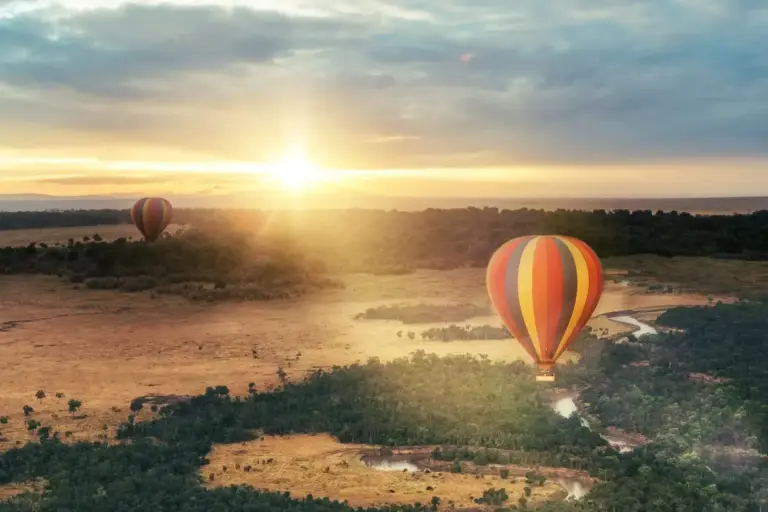
Mid-range accommodation in Kenya is the backbone of the safari industry, and for good reason: it gives you a comfortable lodge or tented camp, good food and well-run game drives at a level that suits most travellers. Kenya has a large choice of mid-range lodges and camps in every major park, and many sit in prime locations for the Great Migration, elephants and big cats. This guide explains what mid-range means in Kenya, which lodges we use by region, and how to plan a mid-range Kenya safari that feels good value.
What mid-range means in Kenya
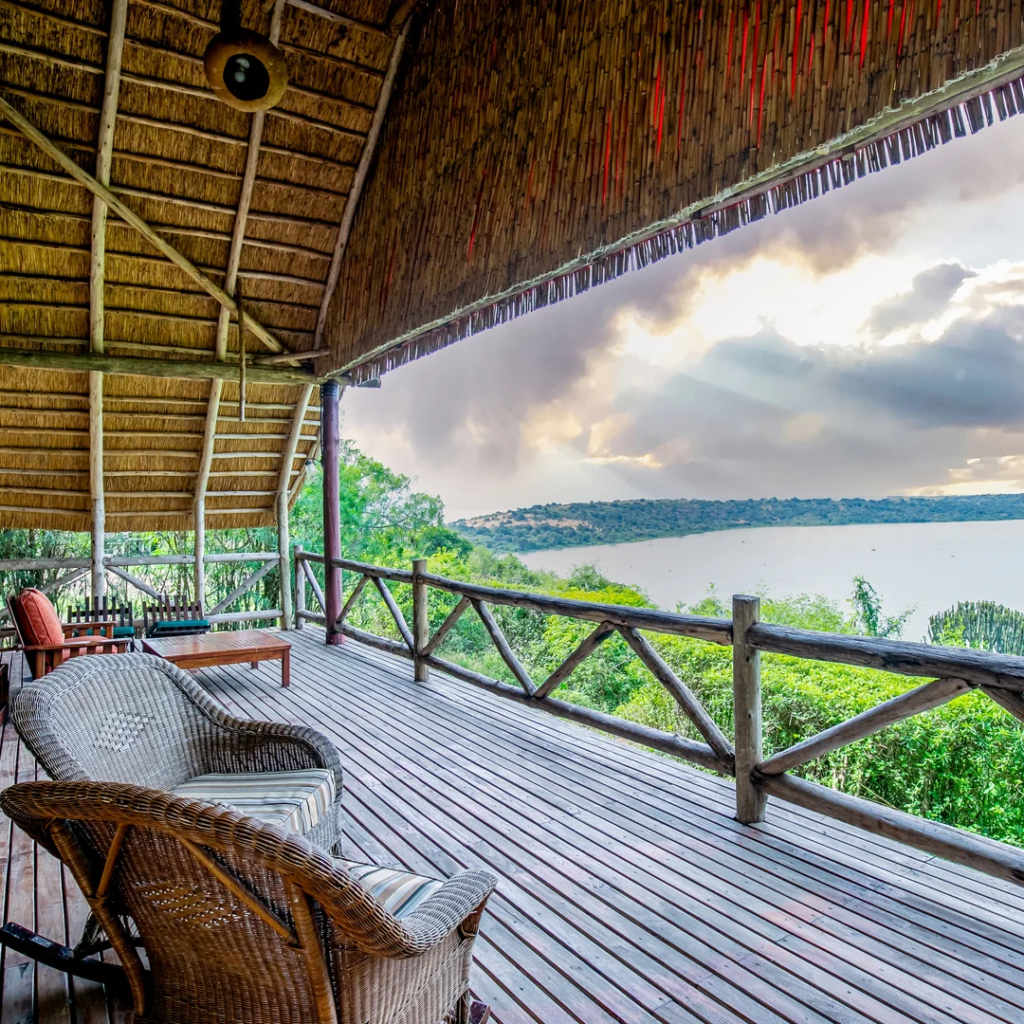
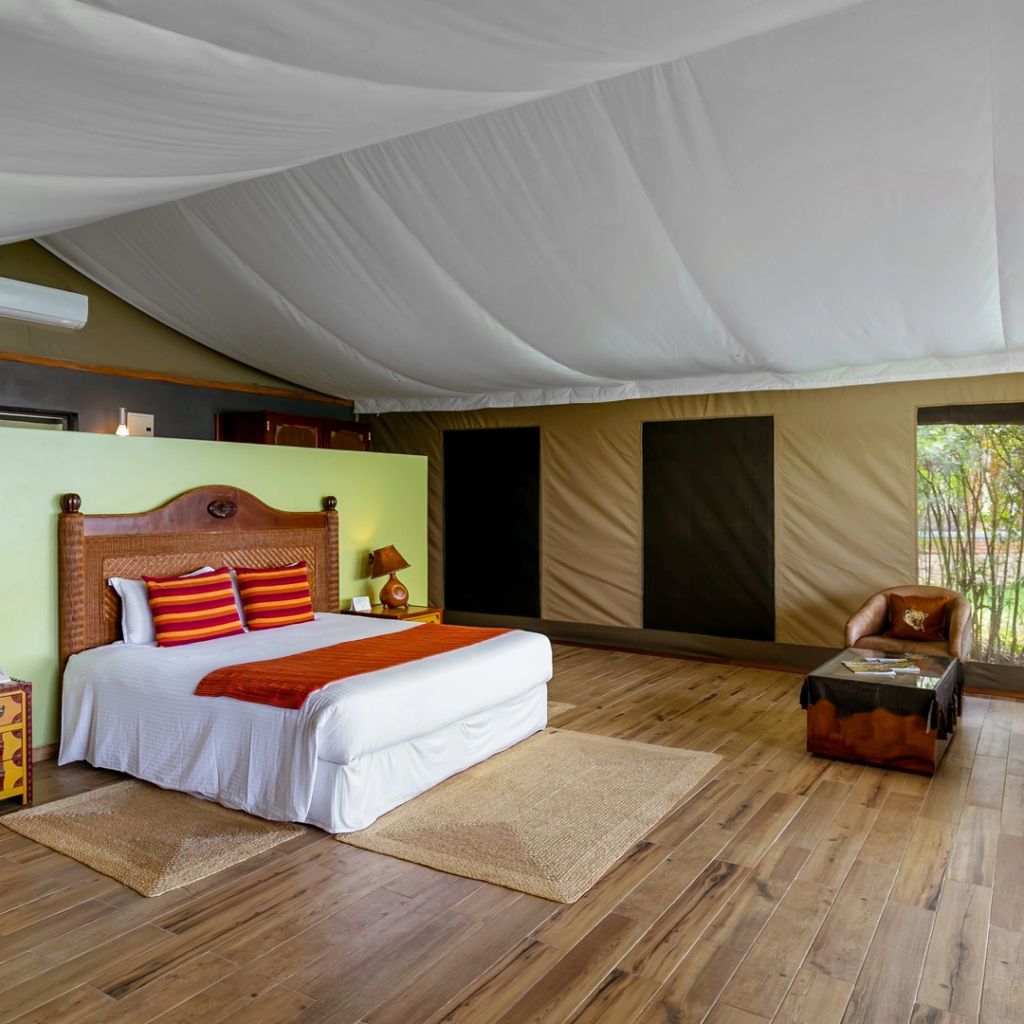
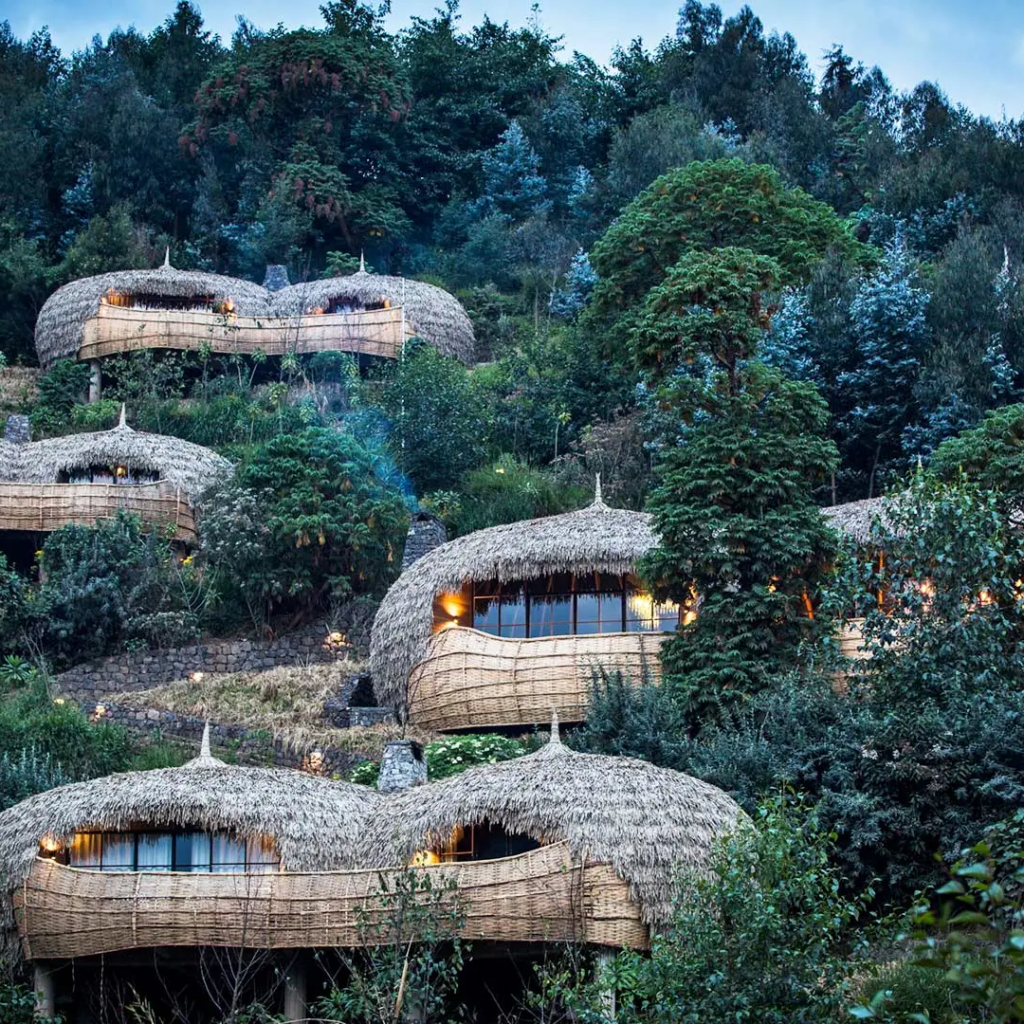
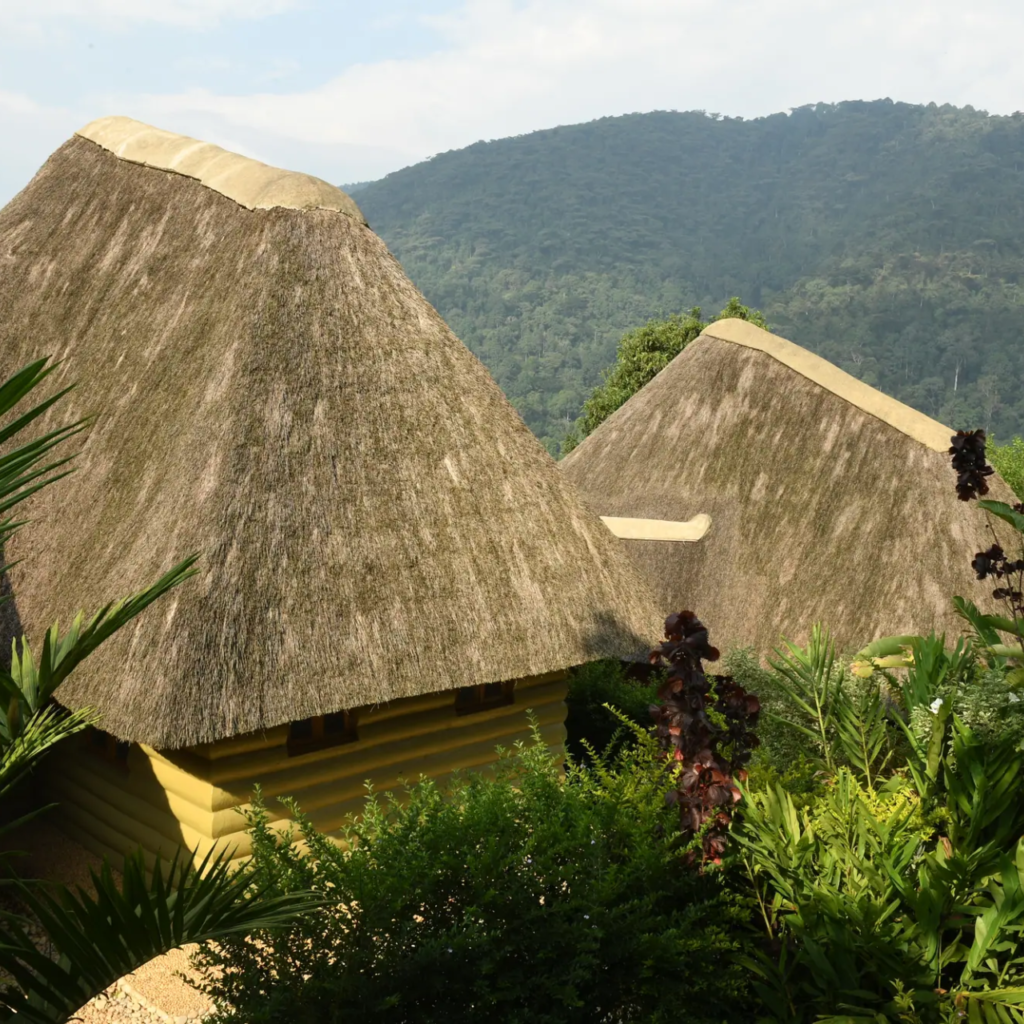
Mid-range lodges and camps usually offer en suite rooms or tents, hot water, a restaurant with buffet or set meals, a bar and a pool at some lodges. They are larger than luxury camps, so the feel is more social, and game drives are often in shared vehicles unless you book a private one. Standards are good and the guides are knowledgeable. Prices vary by season, so travelling outside July to October can save a good deal.
Mid-range in the Maasai Mara
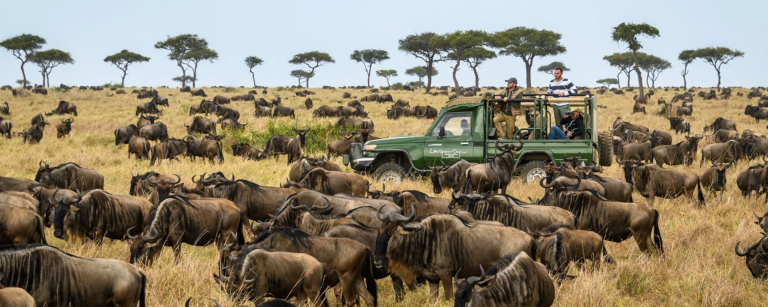
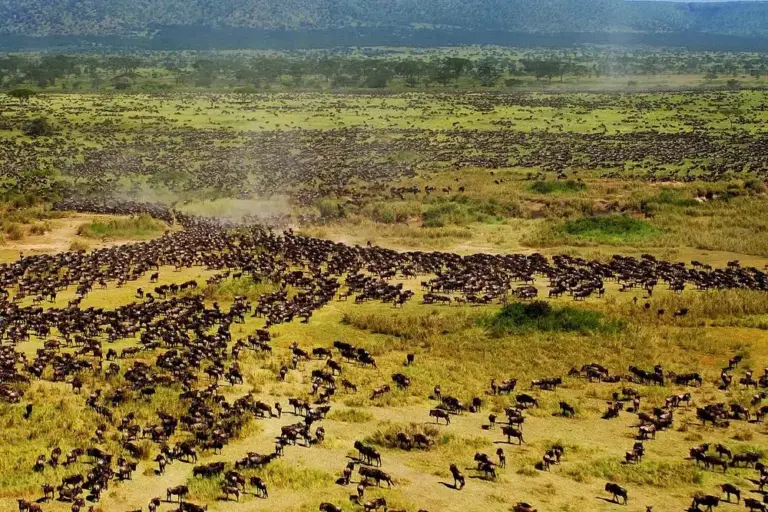
In the Mara, Masai Mara Sopa Lodge, Jambo Mara Safari Lodge, Ashnil Mara Camp and Mara Intrepids are examples of mid-range or upper mid-range stays, and Sekenani area camps give good access to the reserve gate. The Mara River crossings are best viewed with a guide who knows where to wait, so see our Mara river crossings guide and Maasai Mara guide.
Mid-range in Amboseli, Tsavo, Nakuru and Ol Pejeta
In Amboseli, Amboseli Serena Safari Lodge, Kibo Safari Camp and Tulia Amboseli Safari Camp are popular. In Tsavo, Ashnil Aruba Lodge, Sentrim Tsavo East Camp and Voyager Ziwani Camp are examples, and the red elephants of Tsavo are a highlight. Around Lake Nakuru, Sarova Woodlands Hotel and The Ole-Ken Hotel are comfortable town options. At Ol Pejeta, Pelican House and Sweetwaters Serena Camp put you close to rhinos and chimpanzees. Our Amboseli guide explains the elephants.
When mid-range is the smart choice
Mid-range suits families, groups, first-time visitors and anyone who prefers to invest in more days or experiences, such as a balloon flight, rather than a higher-end camp. It also suits travellers who like a lively lodge with a pool and bar. If you want walking, night drives or a very private feel, a conservancy camp may be better, and we tell you when that is worth it.
Every traveller to Kenya does not need the same kind of stay, and many itineraries mix tiers: a budget stay in the park you care most about, then a luxury option elsewhere. Our Kenya accommodation guide shows all three side by side, and our team will tell you honestly where spending more changes the experience and where it does not.
A sample mid-range route
A seven day route might be: Nairobi, Lake Nakuru or Naivasha for one night, the Mara for three nights, then Amboseli for two. Roads in Kenya can be slow, so we use a mix of road and fly-in legs when time is short. Add a coast extension using our safari and beach page.
What to expect day to day
You will usually have an early game drive, breakfast, a rest or pool time, a second drive in the afternoon and dinner. Packed breakfasts are available for early starts. Many lodges have a good buffet, and special diets are catered for with notice. Wi-Fi is usually in public areas. Evenings can be cool in the highlands. Tipping is customary, and we advise on amounts.
Questions we are asked most
Guests ask whether mid-range lodges are safe and whether fences or guards are in place. They are, and rooms in unfenced areas come with a briefing and an escort at night. They also ask if children are welcome, and most are, with age limits on some activities. Our family safaris page explains how we plan.
Seasons and what you will see
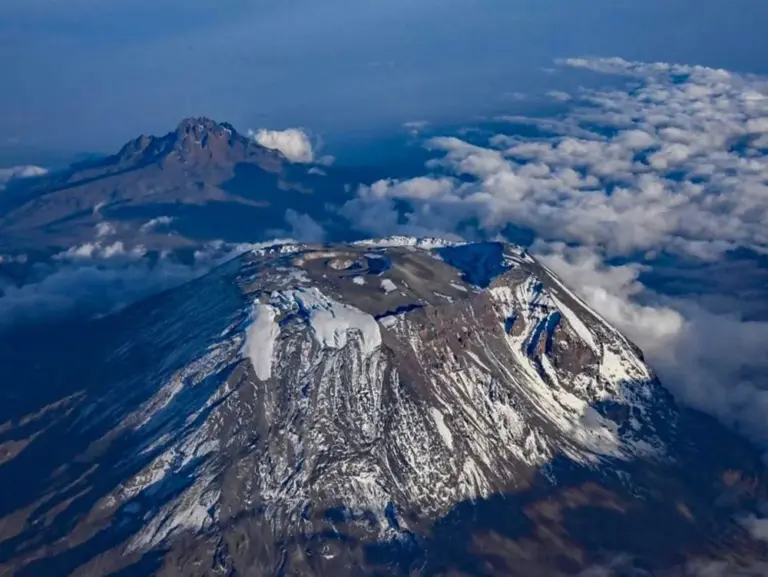
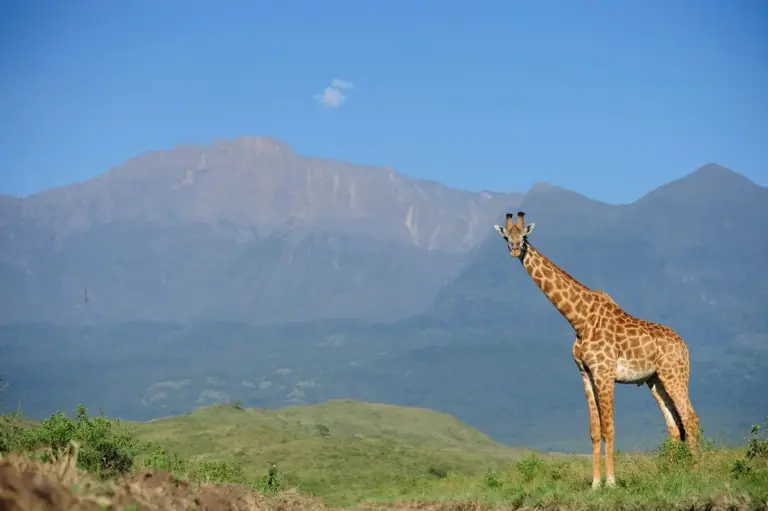
The Mara is busiest from July to October when the migration is in Kenya, but resident wildlife, including lions, cheetahs, leopards and elephants, can be seen all year. Amboseli is best in the dry months for elephants against Kilimanjaro, and Tsavo is dramatic in the dry season. The long rains in April and May are quieter, greener and cheaper, though roads can be slow. Mid-range lodges drop their rates in these months, so it can be good value if you are flexible.
Lake Nakuru is known for rhinos and flamingos, and Ol Pejeta is known for the last northern white rhinos and a chimpanzee sanctuary. Both are easy additions.
Mid-range with a purpose
Many mid-range lodges employ people from nearby Maasai communities and buy food locally. Ask us which lodges run community projects, and we will tell you what your stay supports. Visiting a Maasai village is possible on some itineraries, though we suggest choosing visits that are run by the community and explained by a local guide rather than staged for tourists. We would rather recommend fewer, better experiences.
A word on tented camps
Many Kenyan mid-range camps are tented, which means canvas walls on a solid base with real beds, en suite bathrooms and often a veranda. They give you the sounds and smells of the bush at night in comfort. Some have electric fences or guard escorts at night for safety, and your host will brief you on the rules. If you prefer walls, many lodges offer brick or stone rooms.
Tips for first-timers
Ask for a room away from the dining area if you are a light sleeper, request an early breakfast on drive days and bring a power bank. Keep valuables in the safe, and follow your guide's advice about night-time walking.
At a glance
- Comfortable lodges and tented camps
- Prime locations for the migration and elephants
- Good value outside July to October
- Fly-in options for short trips
- Beach extension available
Keep exploring
- Accommodation in Kenya
- Luxury accommodation in Kenya
- Budget accommodation in Kenya
- Mid-range safaris
- Great Migration
- Amboseli
- Kenya safaris
Plan a safari around Mid-Range Accommodation in Kenya: Best Value Safari Lodges and Camps
Tell us your dates and what you most want to see, and we’ll time your safari to match it as closely as nature allows. Talk to us, or browse our safari packages to see how a migration-timed itinerary is put together.
Mid-Range Accommodation in Kenya: Best Value Safari Lodges and Camps