The park at a glance
- A World Heritage Site on the Zambezi, in the north of Zimbabwe, bordering Zambia
- One of the few places in Africa where visitors can walk without a guide in some areas, though a guide is strongly advised
- Open mainly in the dry season, from about May to October
- Remote and uncrowded, with a limited number of campsites and lodges
- Reached by road or light aircraft, most often from Harare, Kariba or Victoria Falls
The landscape
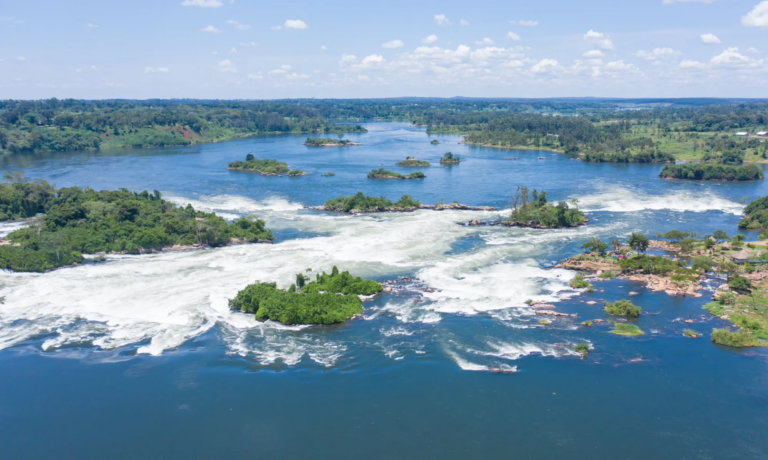
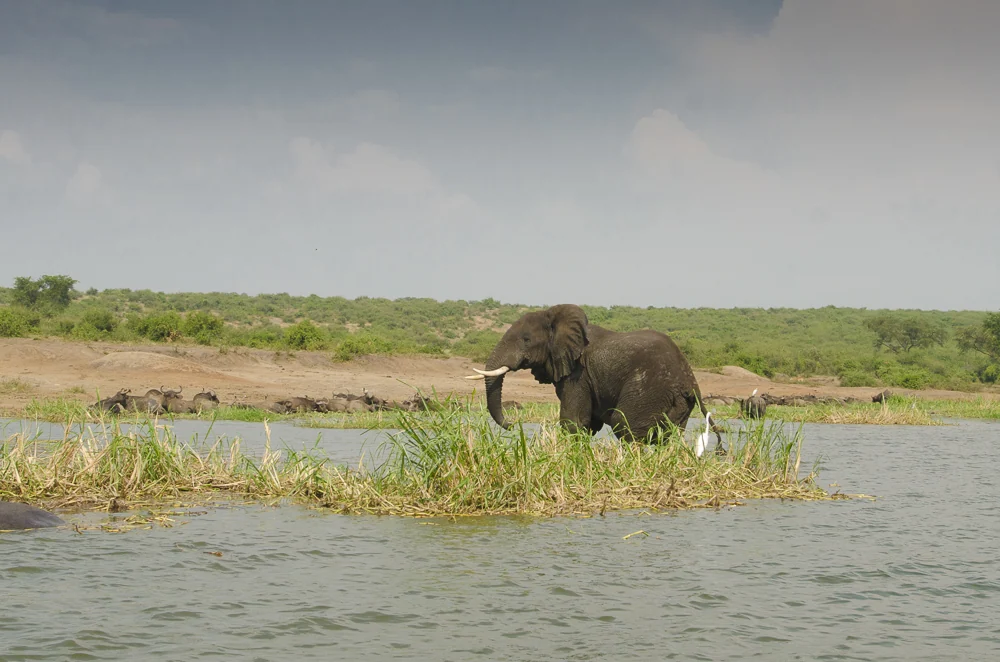
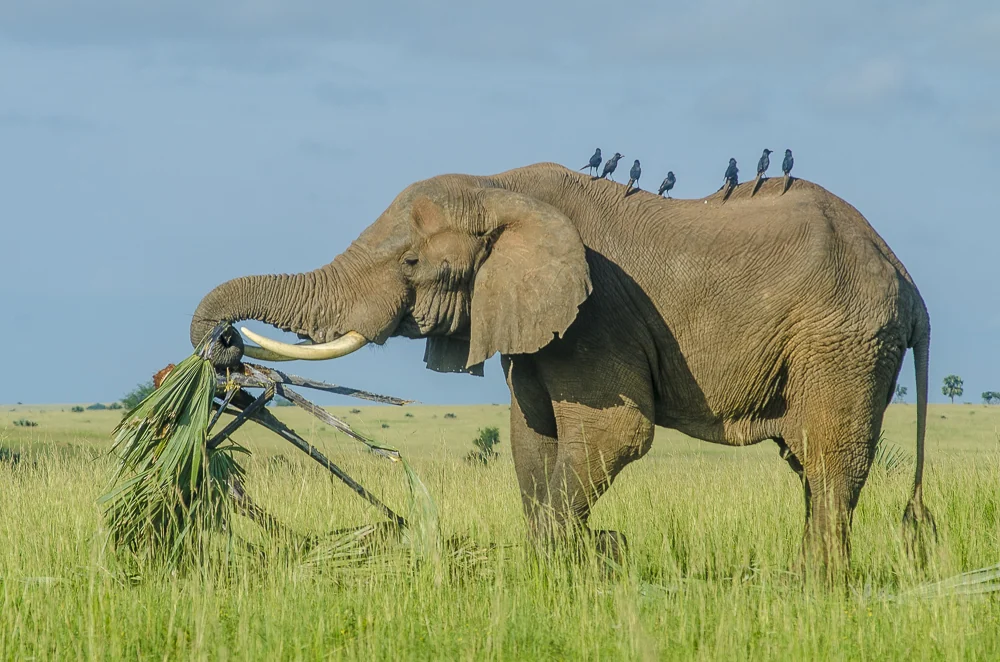
The Zambezi here is wide, slow and braided with sandbanks, and in the dry season the floodplain forms a long green strip between the river and the escarpment. Large stands of old Faidherbia trees, also known as apple-ring acacias, shade the ground. These trees drop their pods in the dry season, when most other food is scarce, and elephants arrive to feed on them. The result is a famous sight: a bull elephant balancing on his hind legs, reaching into the canopy while the rest of the herd waits below.
Walking safaris
Walking is what sets Mana Pools apart. Accompanied by a licensed guide, you move quietly through open woodland and along the riverbank, stopping to learn about tracks, birds, plants and the behaviour of animals. Walking changes the scale of everything. A herd of elephants feels enormous, a buffalo bull in the shade can be the focus of a long, careful observation and even small things, such as the call of a bird or the line of a lion’s tracks, take on meaning. Guides set a slow pace, keep the group together and follow strict safety routines, and you will be briefed on what to do if animals approach. A reasonable level of fitness is helpful, but the walks are rarely long or steep.
Canoeing and game drives
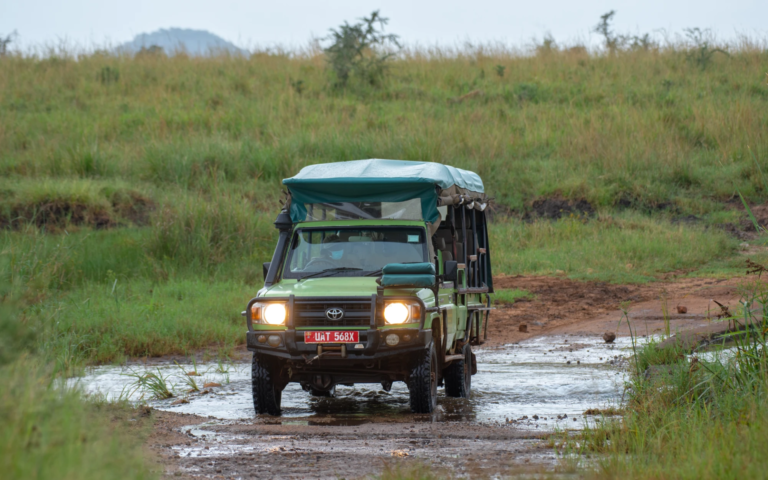
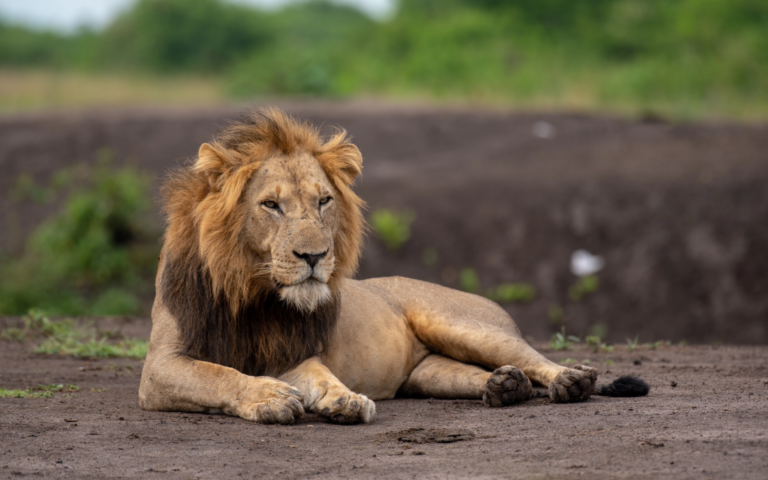
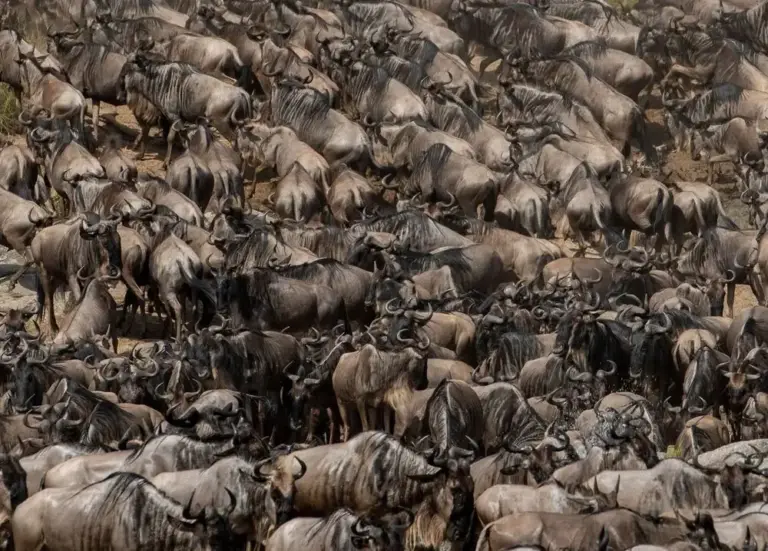
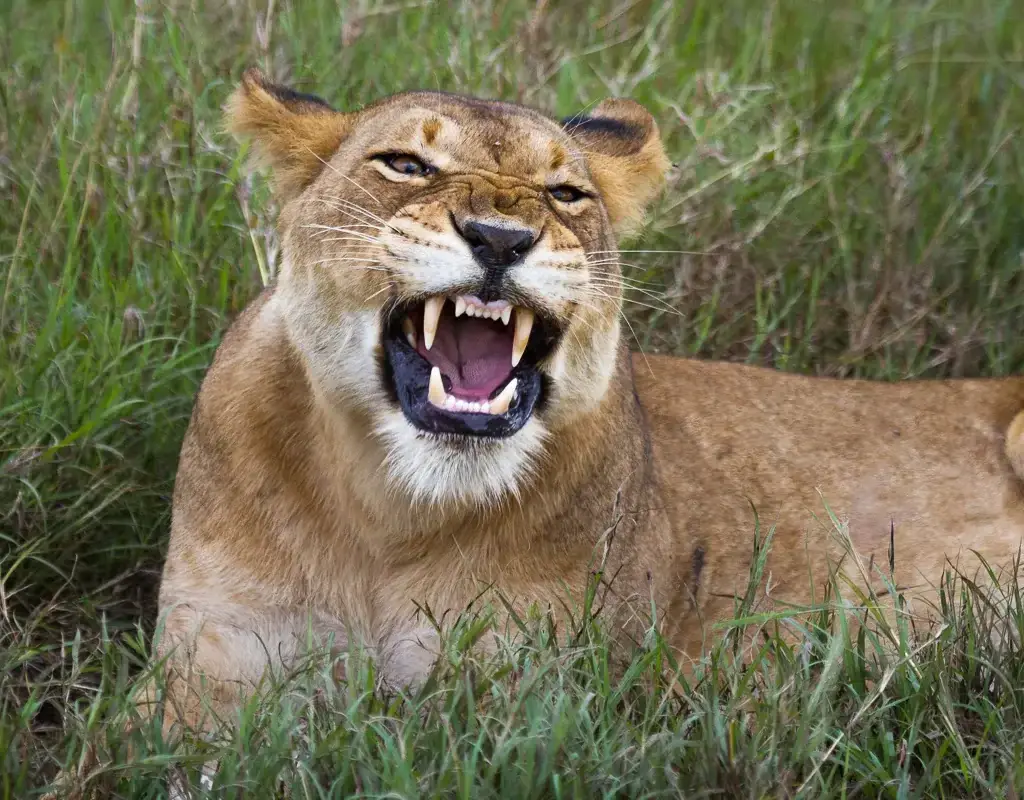
Canoe safaris on the Zambezi are the other classic activity. Guided trips drift down quiet channels between sandbanks, past hippos, crocodiles, elephants on the bank and a rich variety of water birds. Canoeing suits those who want to watch wildlife in silence, and usually runs for a morning or for several days with camping on the riverbank. Game drives in open vehicles cover the park’s tracks and give you the chance to see predators such as lion, leopard, spotted hyena and wild dog, as well as buffalo, eland, zebra, waterbuck and impala. Wild dogs are a highlight, and Mana Pools is regarded as one of the better places in Africa to see them.
Birds and photography
More than 380 bird species have been recorded, with carmine bee-eaters nesting in the riverbanks in the late dry season, skimmers and plovers on the sandbanks, and fish eagles calling from the trees. For photographers, the light on the river at sunrise and sunset is exceptional, and the open floodplain allows low, intimate angles on wildlife. A long lens is useful, but a wide lens is just as valuable for landscape and for elephants coming close.
When to go
The park is accessible roughly from May to October. Early in the season, the floodplain is still green and the weather is mild. By August and September, animals concentrate along the river and the pools, game viewing is at its best, and temperatures climb. October can be very hot, but wildlife is easy to find and the dry landscape is dramatic. During the rains, from about November to April, roads become impassable, camps close and wildlife disperses into the escarpment.
Getting there and where to stay
By road, Mana Pools is a long drive from Harare, and the final stretch is on gravel tracks. Light aircraft flights land on airstrips close to the park and are the simplest way to travel for most visitors. Accommodation includes tented camps, small lodges run by operators in the park and simple campsites for self-sufficient travellers. Because the number of sites is limited, advance booking is essential, especially in August and September. We handle the arrangements, flights and guides.
Practical information
- Wear neutral-coloured clothes, closed shoes and a wide-brimmed hat and carry plenty of water
- Always follow your guide’s instructions on foot, and never approach animals
- Bring a head torch and a warm layer for cold dry-season nights
- Malaria prevention is advisable, and a health check before travel is wise
- Mobile coverage is poor. Plan communication and emergency arrangements in advance
How Mana Pools fits an East Africa safari
Mana Pools suits travellers who have already enjoyed the East African classics and want a more intimate, remote experience, or those who love walking. It can follow a few days at Victoria Falls and Hwange, with a light aircraft transfer across northern Zimbabwe, or it can stand alone as a week in the Zambezi Valley. For the wider region, see our Zimbabwe overview and our multi-country safaris. Walking-focused travellers may also like our walking safaris in East Africa, and you can start planning at Plan My African Safari. See visa and entry and health and safety before travelling.
Plan a safari that includes Mana Pools National Park
Our team plans private, tailor-made safaris, so we can build a trip around Mana Pools National Park and adjust the days, lodges and pace to suit you.