The town at a glance
- Located on the Tanzanian coast, north of Dar es Salaam
- Its name is popularly translated as “lay down your heart” or “take a load off your heart”
- Served as the capital of German East Africa in the early colonial period
- On Tanzania’s UNESCO tentative list as a historic trading town
Trade history
Bagamoyo grew into a major terminus for 19th-century caravan routes where porters arrived from as far as the Great Lakes region carrying ivory, gum copal and other goods for onward shipment. A large caravanserai in the town once housed thousands of porters at a time. Bagamoyo’s connection to the slave trade is often emphasised in popular accounts, though historians note that Kilwa and Zanzibar were the region’s primary slave-trading ports, with Bagamoyo’s main economic role centred more on the ivory and porter trade.
Colonial and religious history
Germany made Bagamoyo the first capital of German East Africa in the 1880s, and the town’s Old Fort served as an administrative headquarters during this period. French Catholic missionaries also established an early mission in Bagamoyo, working to convert long-distance traders passing through the town, part of a wider effort to extend Christian influence into the African interior.
Architecture
Bagamoyo’s old town blends Swahili, Omani and German architectural styles, a visible record of its layered history, though its buildings are generally less polished than the comparable structures of Zanzibar’s Stone Town further along the coast.
Things to do
- Visiting the Old Fort and its exhibits on Bagamoyo’s trading and colonial history
- Exploring the old caravanserai and former mission buildings
- Walking through the historic old town’s mixed architecture
- Combining a visit with a Dar es Salaam stay or a wider coastal route
Practical information
- Reached by road from Dar es Salaam, about one to two hours
- Year-round warm coastal climate, with the wettest months typically March to May
- A good day visit or overnight stop rather than a multi-day destination
The wider Bagamoyo area
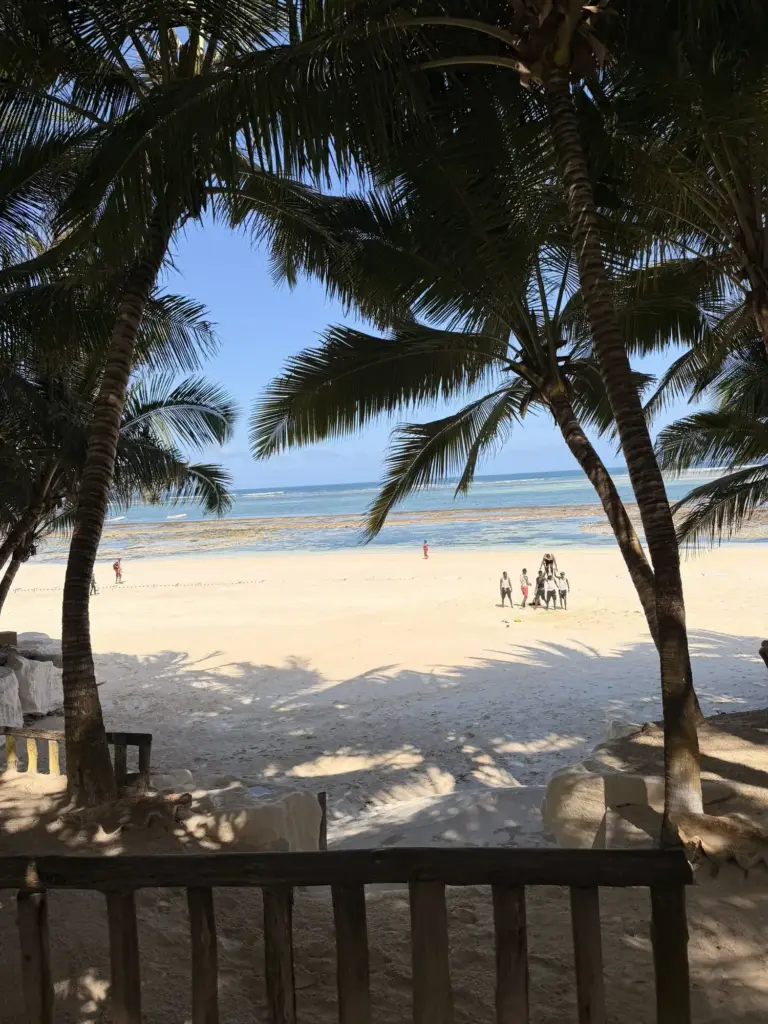
Bagamoyo is more than its old town. The district stretches along the coast and inland to villages, farms and mangrove creeks. Beaches north of the town are quiet and suit relaxed stays while the coast road passes fishing villages where boats are built by hand. The area is close enough to Dar es Salaam for a day trip, and calm enough for a weekend.
Kaole ruins and nearby sites
South of town lie the Kaole ruins, the remains of a medieval Swahili settlement with two mosques and a group of pillar tombs. The site sits above the shore and is shaded by trees. Guides explain the trade links with Arabia and India. Other sites include old German buildings and mission churches, and each tells part of the history of the coast.
Beaches, birds and boat trips
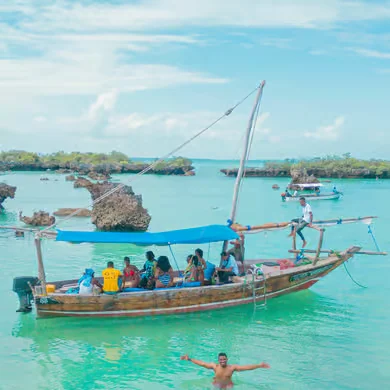
Quiet beaches north of Bagamoyo offer swimming, kayaking and birdwatching on the mangrove creeks. Local fishermen run boat trips, and visitors can watch dhows under sail at the end of the day. Saadani National Park, where savannah meets the sea, is not far north and can be added for a coastal safari.
Practical advice
The best months are June to October and January to February, when the weather is dry. Pack light clothes, a hat and repellent. Respect the Muslim character of the town and dress modestly. Carry cash, because cards are less common outside the main hotels.
How to plan it
A day trip suits a short stay in Dar es Salaam, and a two night stay lets you slow down. Combine it with Bagamoyo Old Town and with the southern parks. Talk to us on the Plan My African Safari.
Fishing, boats and daily life
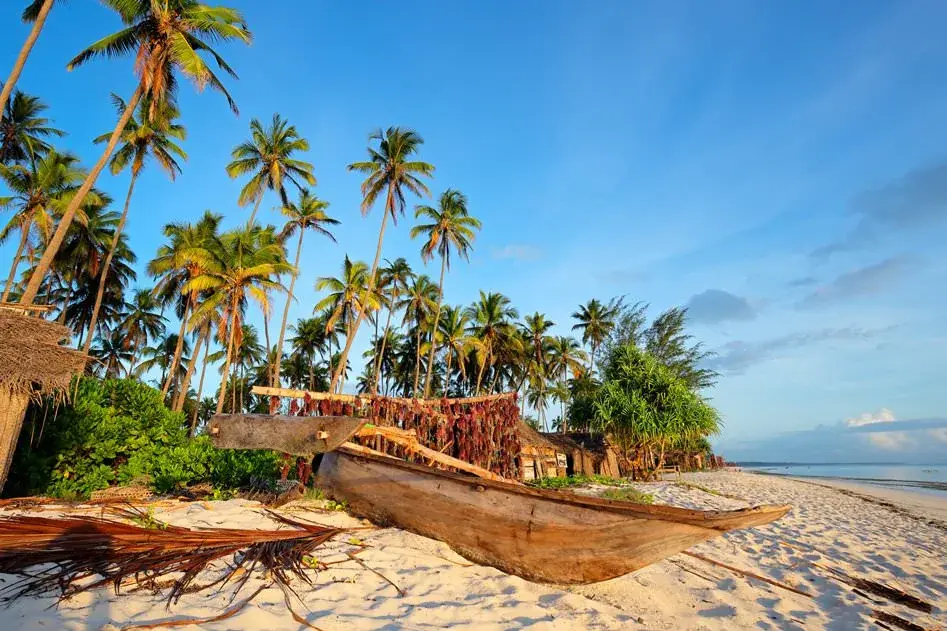
Dhows built from local wood still sail from the beach. Boat builders work in the open, and visitors can watch planks being shaped by hand. Fishermen sell the morning catch at the beach market, and you can buy fish to grill. Respect their work and ask before taking photographs.
Eating and staying
Small guesthouses, beach lodges and a few mid range hotels offer rooms and restaurants serve fresh fish, coconut curries and chapati. Many places close early. Plan dinner before dark. Prices are modest, and cash is the usual method of payment.
Seasons and the sea
The sea is warm throughout the year. The rains fall in March to May and again in November. Dry months give the best weather for walking and boat trips. Dress in light clothes, protect yourself from the sun and carry repellent.
Saadani and the coastal safari
Saadani National Park lies north of Bagamoyo, where the savannah meets the Indian Ocean. It has elephants, giraffes, buffalo and birds, and turtles nest on the beach. Boat safaris on the Wami River show hippos and crocodiles. It can be reached by road or a short flight from Dar es Salaam, making it a good add on for beach travellers.
Day trip or overnight
A day trip from Dar es Salaam allows a visit to the old town and a beach lunch. An overnight stay gives time for Kaole, a sunset on the shore and a slow morning. Lodges range from simple bungalows to refined beach houses. Book ahead in the high season.
Questions visitors often ask
How far is Bagamoyo from Dar es Salaam? About 75 kilometres, or two hours. Can I combine it with Zanzibar? Yes, by road and ferry or flight from Dar es Salaam. Is it good for families? Yes, because beaches are calm and distances are short. When is the best time? June to October. Can I see wildlife? Saadani National Park is nearby and offers game drives and boat trips.
Responsible visiting
Hire local guides, buy from local makers and respect fishing beaches. Ask before taking photographs of people and avoid leaving litter on the sand. Small gestures protect a quiet coast.
Bagamoyo offers a quieter, more layered history than Zanzibar’s Stone Town, worth a stop for travelers interested in East Africa’s trading past. Offmap Safaris can combine it with a Dar es Salaam or Zanzibar itinerary. To start planning, visit Plan My African Safari, message us on WhatsApp at +256 701 243 304, or email [email protected]. See also our notes on health and safety and visa and entry requirements.
Plan a safari that includes Bagamoyo
Our team plans private, tailor-made safaris, so we can build a trip around Bagamoyo and adjust the days, lodges and pace to suit you.