
Origins
In the early 1960s, the Bakonzo and Baamba of the Rwenzori region felt marginalised within the Toro administration, and they demanded recognition of their identity and greater autonomy. In 1962 a former schoolteacher, Isaya Mukirania, declared the Kingdom of Rwenzururu, and a period of conflict and unrest followed, ending in 1982 with a peace agreement. Isaya Mukirania died in 1966, and his son Charles Wesley Mumbere inherited the title as a teenager.
The kingdom was formally recognised by the Uganda government in 2009, when Mumbere was crowned Irema-Ngoma I in Kasese. He had spent years abroad working as a care assistant in the United States before returning. Like the other kingdoms, Rwenzururu is a cultural institution with no formal political power, and its people number several hundred thousand.
Recent events
In November 2016 a security operation at the kingdom’s Buhikira palace in Kasese led to a violent confrontation in which scores of people were killed, and the palace was destroyed. The Omusinga was arrested and held for nearly seven years, until charges were dropped in 2023, after which he returned to Kasese. Government and the kingdom have since discussed rebuilding a palace and a museum on the site. This is a painful subject for many families in the region, and visitors should approach it with care, listening more than asking, and letting local people choose what to say.
Bakonzo culture
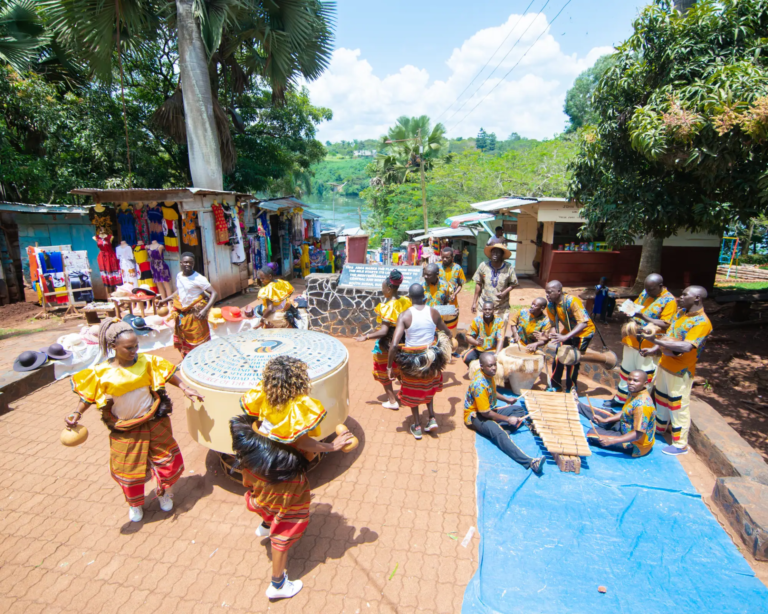
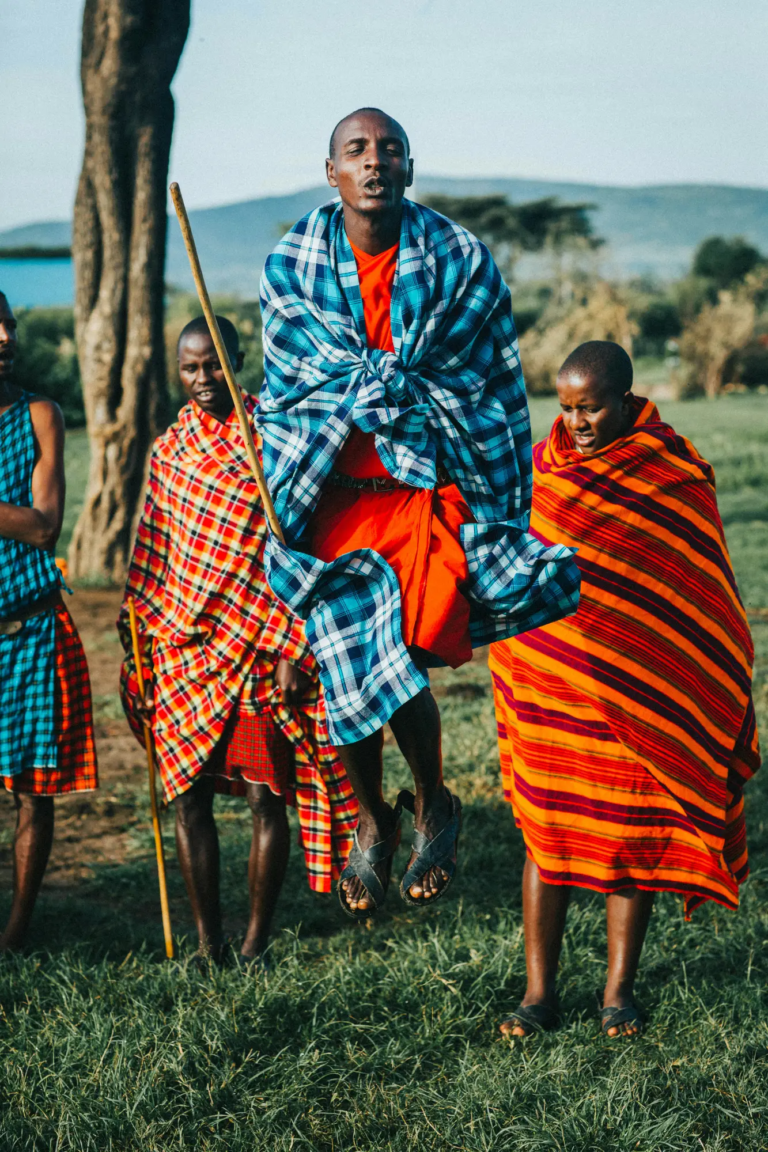
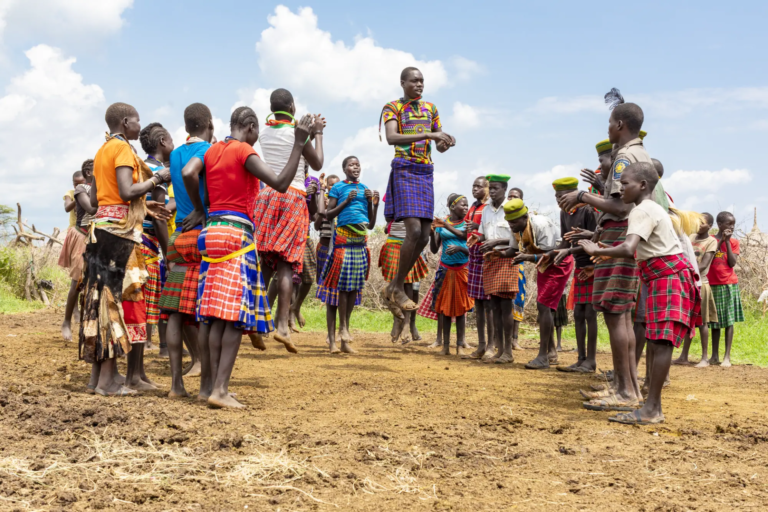
The Bakonzo speak Lhukonzo, and their culture is bound up with the mountains. Their traditional life centres on farming steep slopes, growing coffee, cocoa, bananas, beans and vegetables, on close community ties and on beliefs about the spirits of the Rwenzori peaks. Music, dance, storytelling and crafts are part of daily life, and community-run initiatives around the mountain give visitors ways to meet people who guide, cook, sing and farm.
Places and experiences
- Kasese town: the kingdom’s seat, a busy market town at the foot of the mountains, with the Kilembe golf course where cultural events have traditionally been held.
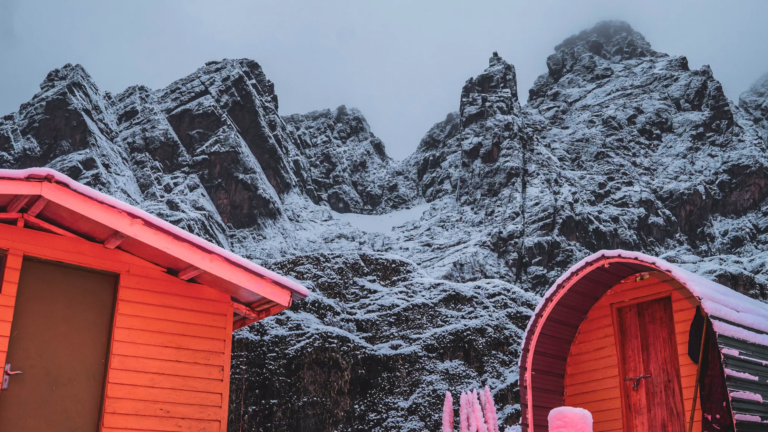
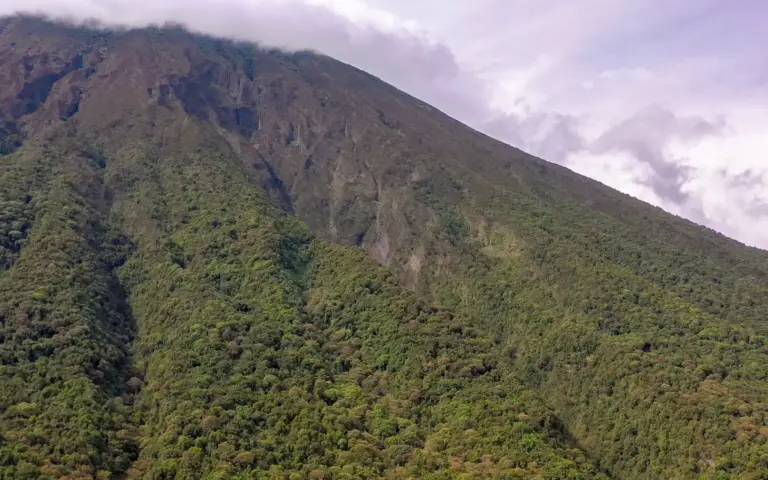
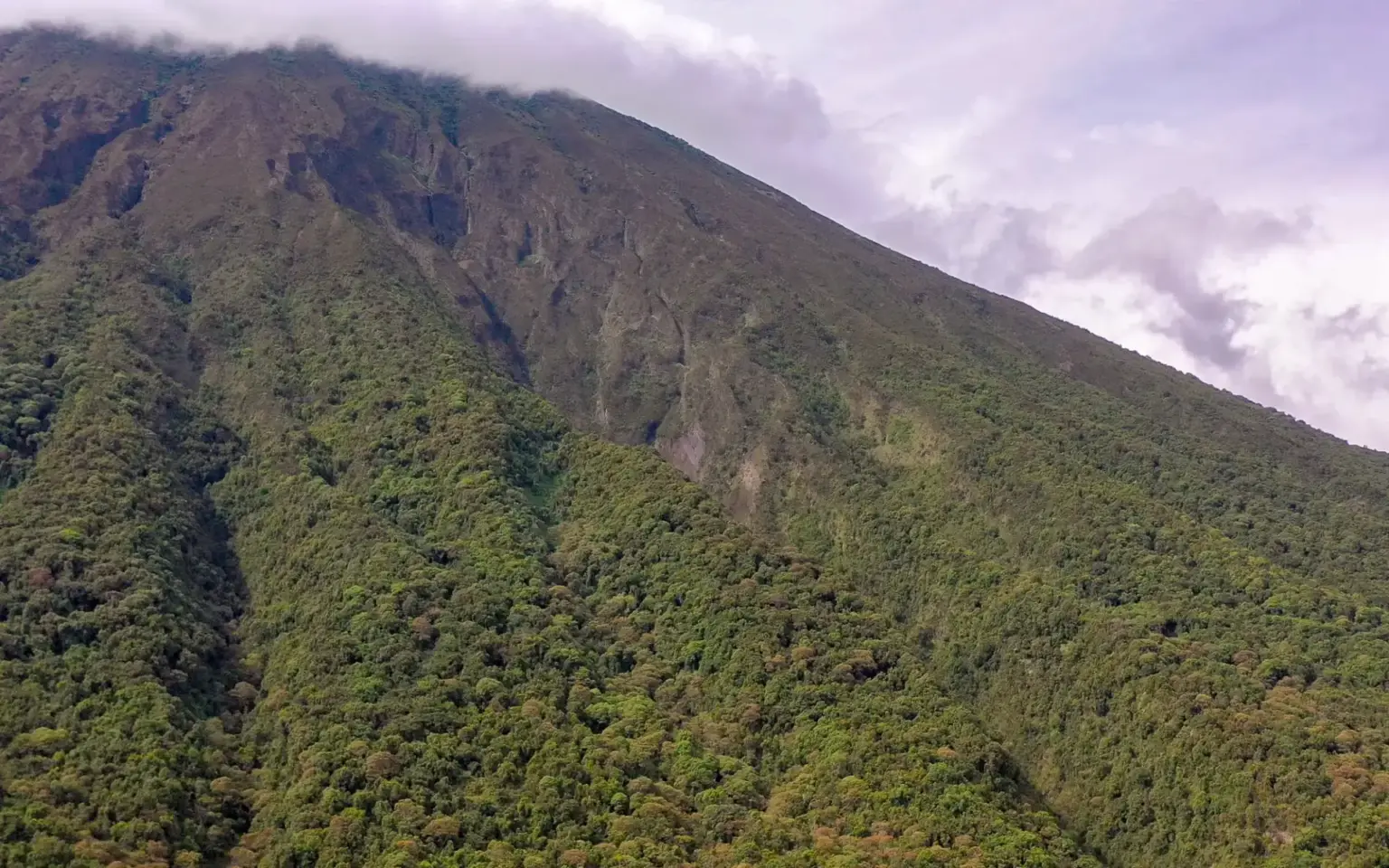
- Rwenzori Mountains National Park: the trekking routes, such as the Kilembe and Central Circuit, are guided and supported largely by Bakonzo guides and porters. See our page on the Rwenzori Mountains.
- Community and cultural walks on the lower slopes, with homestay and village-based programmes in places such as Ruboni. These are best arranged through community organisations, and we can advise.
- Kilembe Mines: the old copper mining area above Kasese, with historic buildings and views.
- Queen Elizabeth National Park and the salt lake at Katwe, close by. See our pages on Queen Elizabeth National Park and Lake George.
Visiting with sensitivity
- Employ local guides and porters, who are the heart of the Rwenzori trekking economy and make sure they are fairly paid and properly equipped.
- Ask permission before photographing people, homes and cultural ceremonies.
- Do not press people about the events of 2016 or about politics. Let them raise it if they wish.
- Check with us for the latest situation. Cultural sites and events can change at short notice.
Please read our Responsible Travel page too.
Practical information
- Getting there: Kasese is around seven to eight hours by road from Kampala, or reached by a short flight to Kasese airstrip. It is a natural base for Queen Elizabeth National Park.
- Time needed: one to two nights in Kasese; longer for a Rwenzori trek.
- Health and altitude: see our Health & Safety page.
Rwenzururu with Offmap Safaris
We include Bakonzo community visits and Rwenzori foothills walks in western Uganda itineraries, working with community organisations. Plan your safari, message us on WhatsApp +256 701 243 304 or email [email protected].
Plan a safari that includes Rwenzururu Kingdom
Our team plans private, tailor-made safaris, so we can build a trip around Rwenzururu Kingdom and adjust the days, lodges and pace to suit you.