The kingdom of Nkore
Ankole grew from a small state in the fifteenth century into one of the main kingdoms of the Great Lakes, ruled by an Omugabe from the Bahinda clan. Its society had two main groups: the Bahima, pastoralists whose wealth and identity centred on cattle, and the Bairu, cultivators who grew the food. The relationship between the two was central to Nkore life, and the language of the kingdom, Runyankole, is closely related to those of Bunyoro, Tooro and Kigezi.
The kingdom entered the British protectorate through the Ankole Agreement of 1901, and its monarchy was abolished in 1967 with the other kingdoms. When the kingdoms were restored in 1993, the government did not restore the Ankole monarchy, saying that the people of Ankole should decide. The matter remains sensitive. A cultural leader has been recognised by some Banyankole since 2011, but the institution’s official status is unsettled. On this page we simply describe the culture and the sites and leave the politics to the people of Ankole.
The cow at the heart of it all
Ankole cattle are among the most striking animals in Africa: slim, tall, with enormous lyre-shaped horns. For centuries a person’s wealth and standing were measured in cattle, and the animals feature in songs, poems, ceremonies and marriage customs. Cross-breeding with imported dairy cattle has reduced the number of pure Ankole cattle, and many families keep herds mainly for cultural pride. Mbarara is known as the milk capital of Uganda, and many farms along the highway welcome visitors to see herds, learn to milk a cow by hand and taste fresh dairy.
Igongo Cultural Centre
Igongo Cultural Centre, at Biharwe, about 10 to 16 kilometres before Mbarara on the Masaka road, was opened to preserve and present the culture of south-western Uganda. It sits on the site of a former royal palace and includes:
- Eriijukiro, the Museum of Western Uganda: displays of traditional objects, dress, crafts, pots and photographs, telling the story of the region’s peoples.
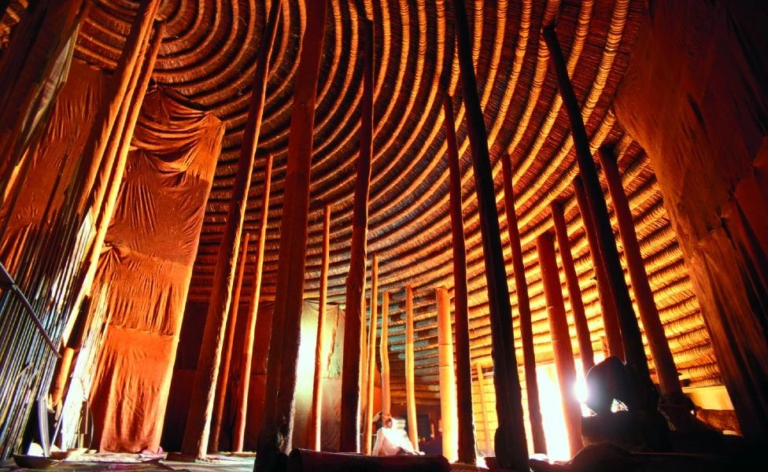
- Eitaramiro Cultural Village: a reconstruction of a traditional household, showing animal skins, milk gourds, calabashes, grinding stones and a hearth.
- The Biharwe Eclipse Monument: marking the “Eclipse of Biharwe”. According to tradition, when Bunyoro forces invaded Nkore around 1520 and a great battle was fought at Biharwe, a total eclipse of the sun forced the invaders to flee, leaving the captured cattle behind. Historians use this eclipse to date events across the Great Lakes region.
- Nkwanzi crafts and bookshop: locally made baskets, pottery and books.
- A restaurant serving Ankole dishes, including matooke, millet and eshabwe, a savoury sauce made from ghee, and a comfortable place to stay.
Other places connected with Ankole
- Nkokonjeru Tombs (Kakiika, Mbarara): the burial place of two of the last kings of Ankole, with the graves of other prominent Banyankole. Ask locally about access.
- Kamukuzi: the hill in Mbarara that housed the kingdom’s administration.
- Cattle farms and dairies: along the Kampala–Mbarara road and near Lake Mburo.
- Lake Mburo National Park and Bwindi, which Ankole culture places on the doorstep. See our pages on both.
- Kitagata hot springs and the hills of Sheema and Bushenyi, for a countryside detour.
Experiences
- Visit a cattle farm and milk a cow.
- Learn how eshabwe and millet bread are made.
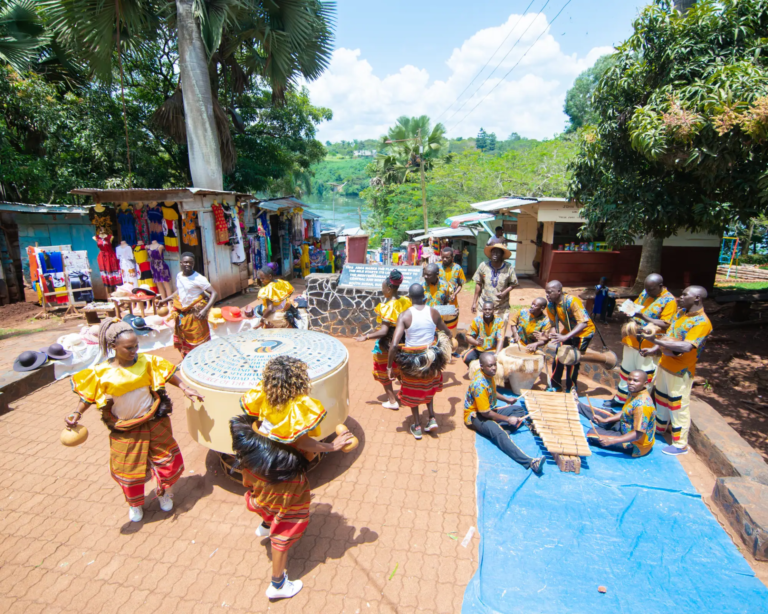
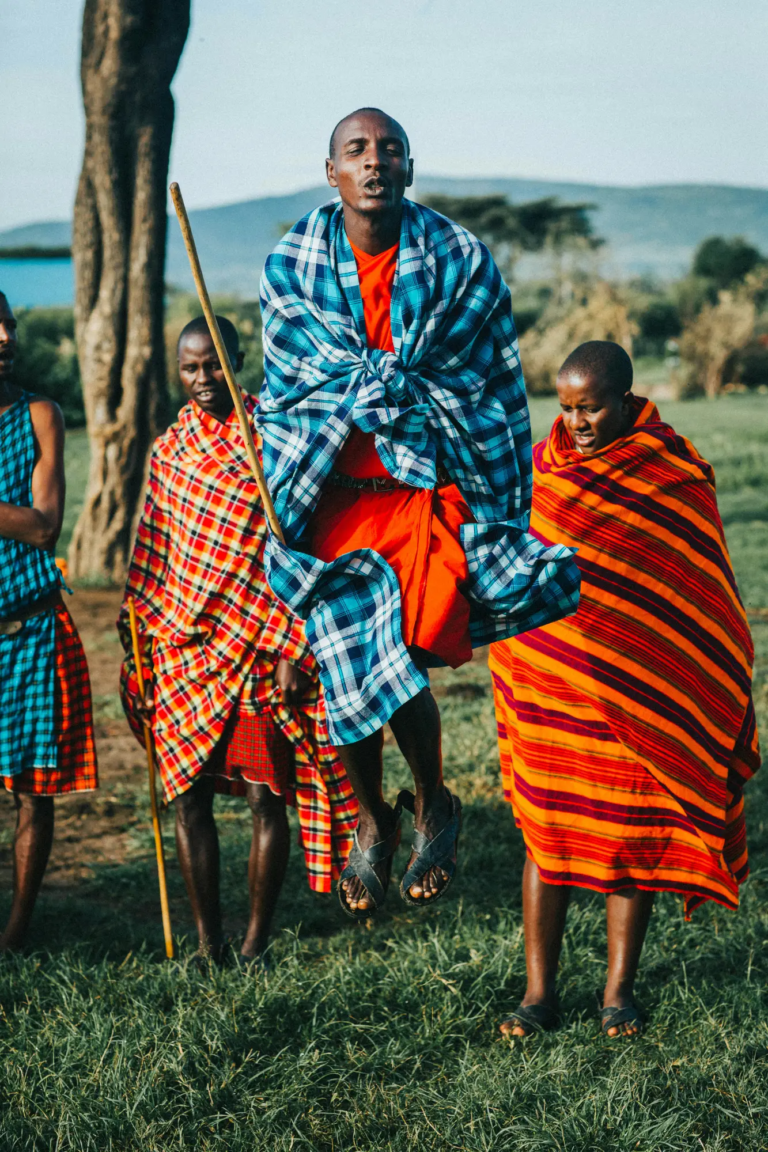
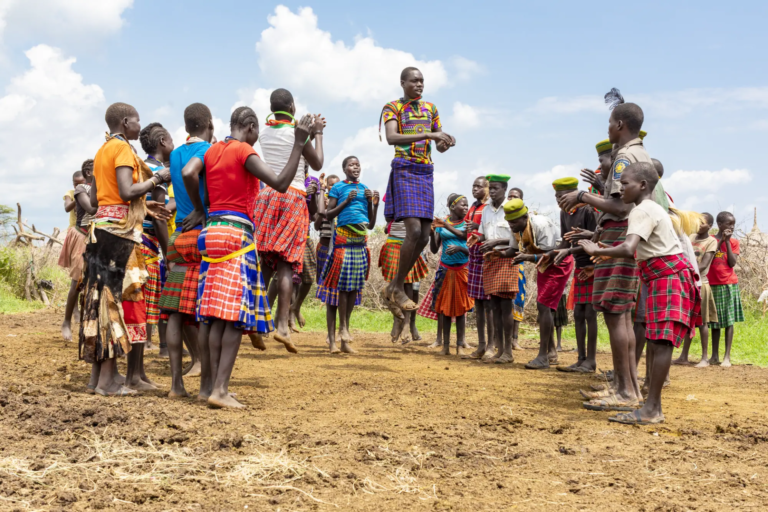
- Hear the traditional cattle praise songs and see the dance and costumes of the Banyankole.
- Combine a cultural morning at Igongo with an afternoon in Lake Mburo.
Practical information
- Getting there: Mbarara is about four to five hours from Kampala on a good highway, and Igongo is just before the town.
- Time needed: two to three hours at Igongo; a night in Mbarara or Lake Mburo makes an easy stopover between Kampala and Bwindi or Kabale.
- Best time: year-round; the region is drier in June to September and December to February.
- Health: see our Health & Safety page.
Ankole with Offmap Safaris
We usually place Ankole between Kampala and the south-west, with Igongo and a cattle farm visit before Lake Mburo or Bwindi. Plan your safari, message us on WhatsApp +256 701 243 304 or email [email protected]. Please also read our Responsible Travel page.
Plan a safari that includes Ankole Kingdom
Our team plans private, tailor-made safaris, so we can build a trip around Ankole Kingdom and adjust the days, lodges and pace to suit you.