Who was Dian Fossey?
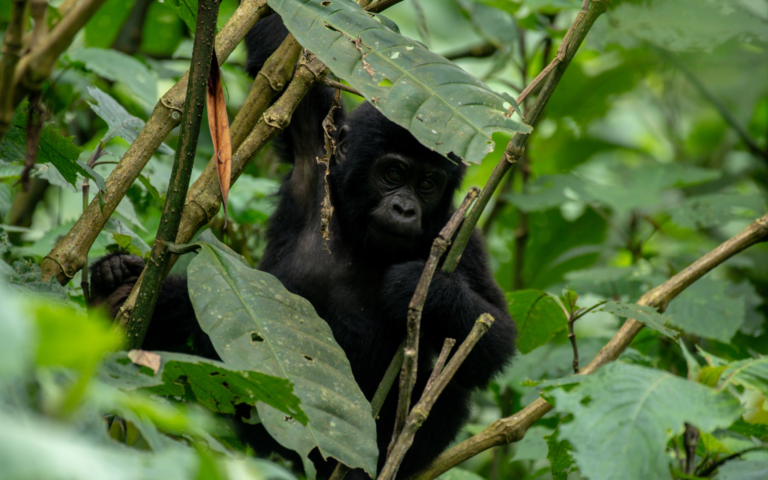
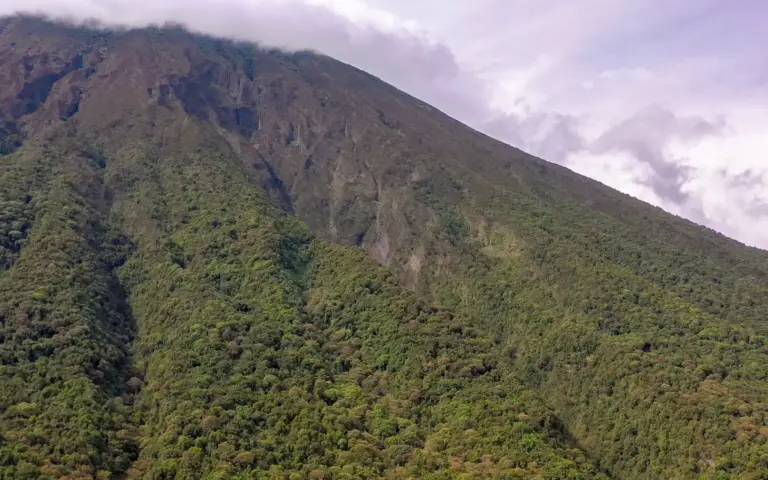
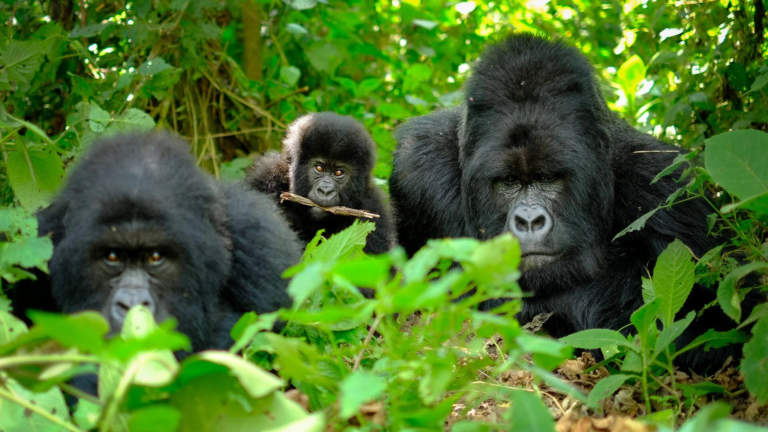
Dian Fossey came to Africa in the 1960s and, in 1967, founded the Karisoke Research Center, a remote camp at around 3,000 metres between Mount Karisimbi and Mount Bisoke. From there she studied mountain gorillas, one of the rarest apes on Earth and fought fiercely against poaching, a struggle that shaped the modern idea of gorilla conservation. She was killed at her camp in December 1985. At her request she was buried beside her favourite gorilla, Digit, in the small cemetery she had made for gorillas killed by poachers.
Her life has been told in books and films, and it remains debated, but few people doubt the effect she had in drawing the world’s attention to the survival of the mountain gorilla.
What survives at Karisoke
- Her grave and the gorilla graveyard, with simple markers for Digit and many other gorillas, among them animals killed by poachers.
- The camp site, where only traces remain. The original buildings are gone, but the setting is atmospheric.
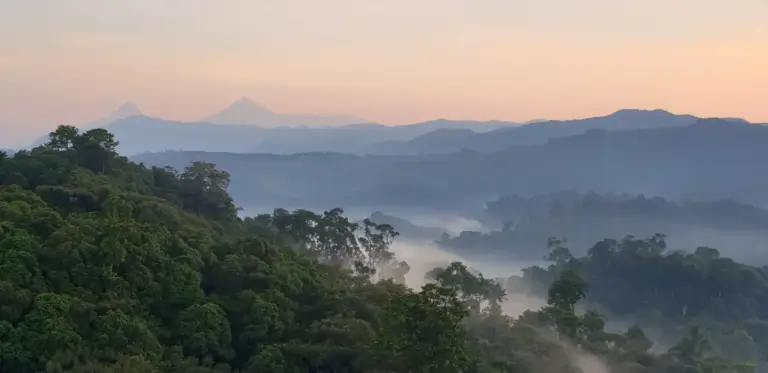
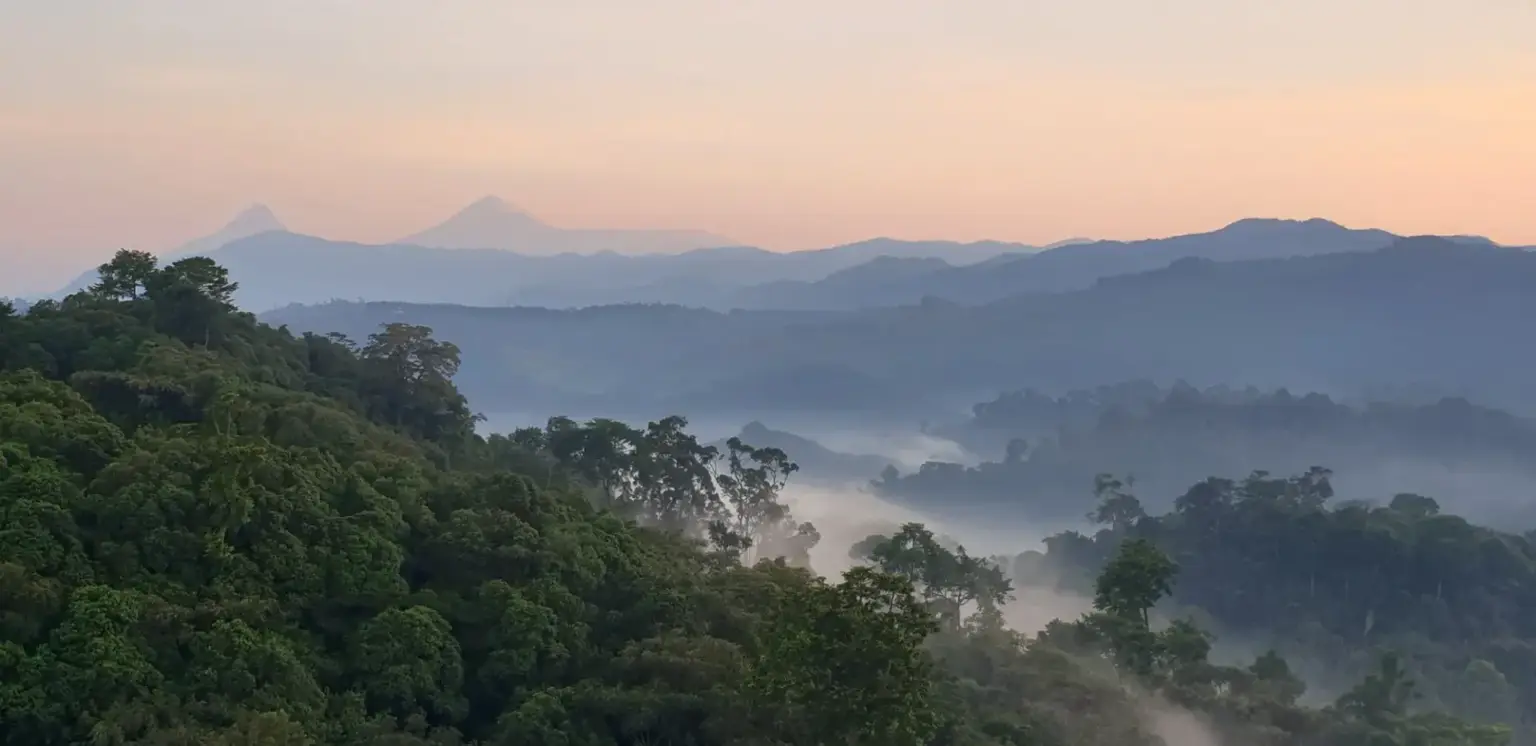
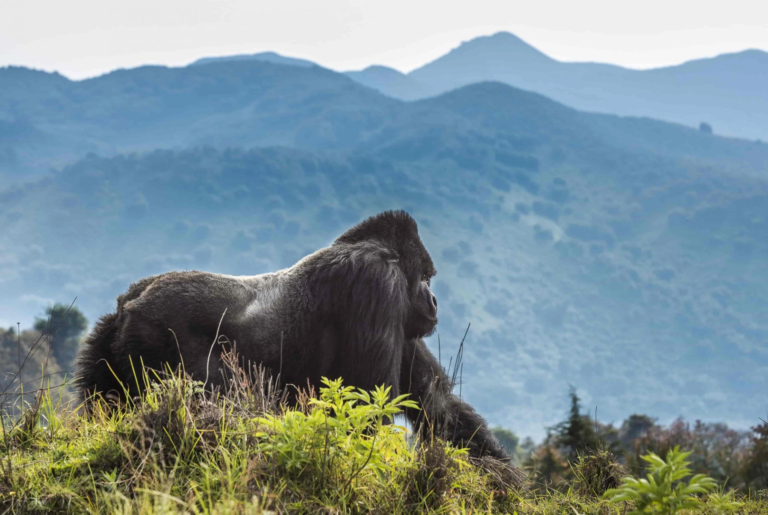
- The landscape: mossy hagenia forest, giant lobelias and views of the two great volcanoes.
The research she began goes on. The Dian Fossey Gorilla Fund continues to run the Karisoke Research Center, now based near Musanze, monitoring gorilla families, supporting anti-poaching patrols and working with neighbouring communities. Mountain gorilla numbers in the Virunga region have risen since her time, one of the rare success stories in conservation.
The hike
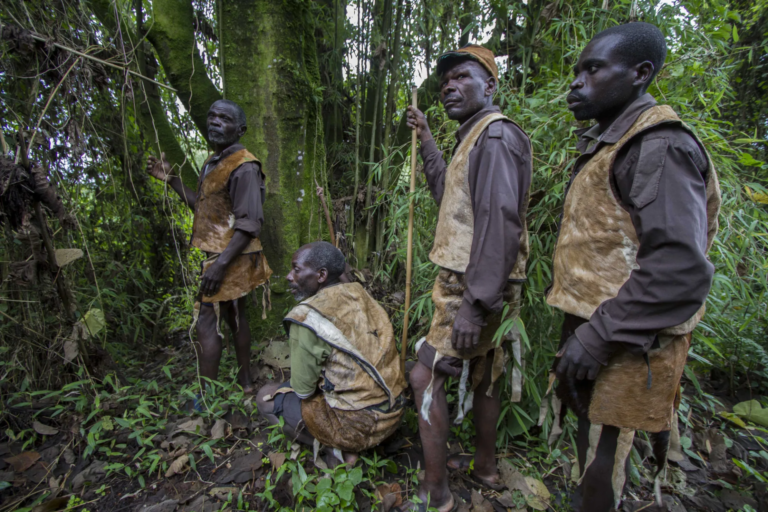
The walk to the grave begins at Kinigi park headquarters early in the morning. After a briefing, you drive to the base of Mount Bisoke and hike up through farmland, across the park wall and into the forest. At around 2,967 metres the trail leaves the Bisoke route and turns toward Karisimbi, crossing a stretch of hagenia and hypericum forest before reaching the site.
- Time: roughly two to four hours there and back, depending on your pace and the mud. It is a moderate to demanding walk.
- Wildlife: golden monkeys, duikers and buffalo are possible, and if gorillas happen to be near the path, rangers may let you pause briefly, but this is not a gorilla trek, and photography of wild gorillas may not be permitted.
- Birds: Albertine Rift endemics, which delight birdwatchers.
- Conditions: paths are muddy and slippery, and it often rains. Good boots and a waterproof jacket are essential.
A meaningful addition to gorilla trekking
Many travellers combine the grave hike with gorilla trekking and see it as the natural counterpart: the trek shows you the animals, and the hike tells you how close they came to being lost. It also supports the park and the local guides and porters. Please treat the graves respectfully. Do not touch markers or remove anything and keep your voice low.
Practical information
- Base: Musanze, about 2 to 2.5 hours from Kigali.
- Permit: a separate permit is required, and fees change so we confirm them at booking.
- What to bring: hiking boots, a rain jacket, layers, a hat, water and a walking stick, which is provided at the start.
- Porters: available at the trailhead and recommended.
- Health: altitude and steep slopes are involved; see our Health & Safety page.
Visit Karisoke with Offmap Safaris
We recommend the grave hike on the day before or after your gorilla trek, or as an alternative if you would like a walk that is gentler than Bisoke or Karisimbi. Plan your safari, message us on WhatsApp +256 701 243 304 or email [email protected]. Please also read our Responsible Travel page.
Plan a safari that includes Dian Fossey Grave and Karisoke
Our team plans private, tailor-made safaris, so we can build a trip around Dian Fossey Grave and Karisoke and adjust the days, lodges and pace to suit you.