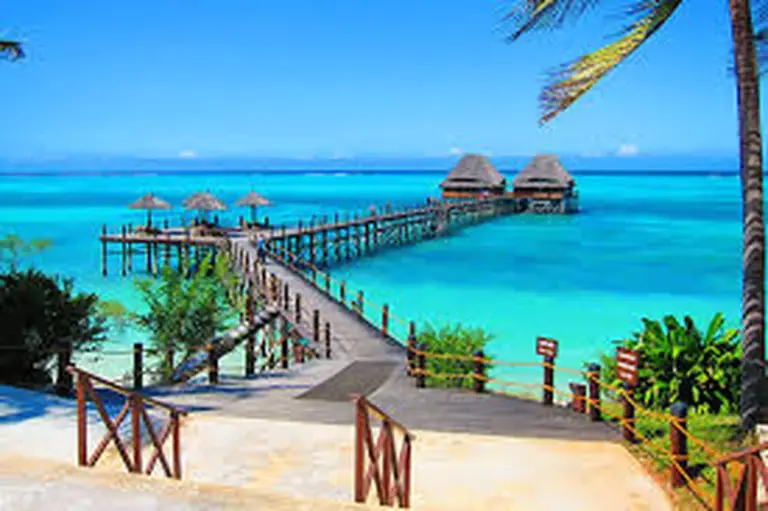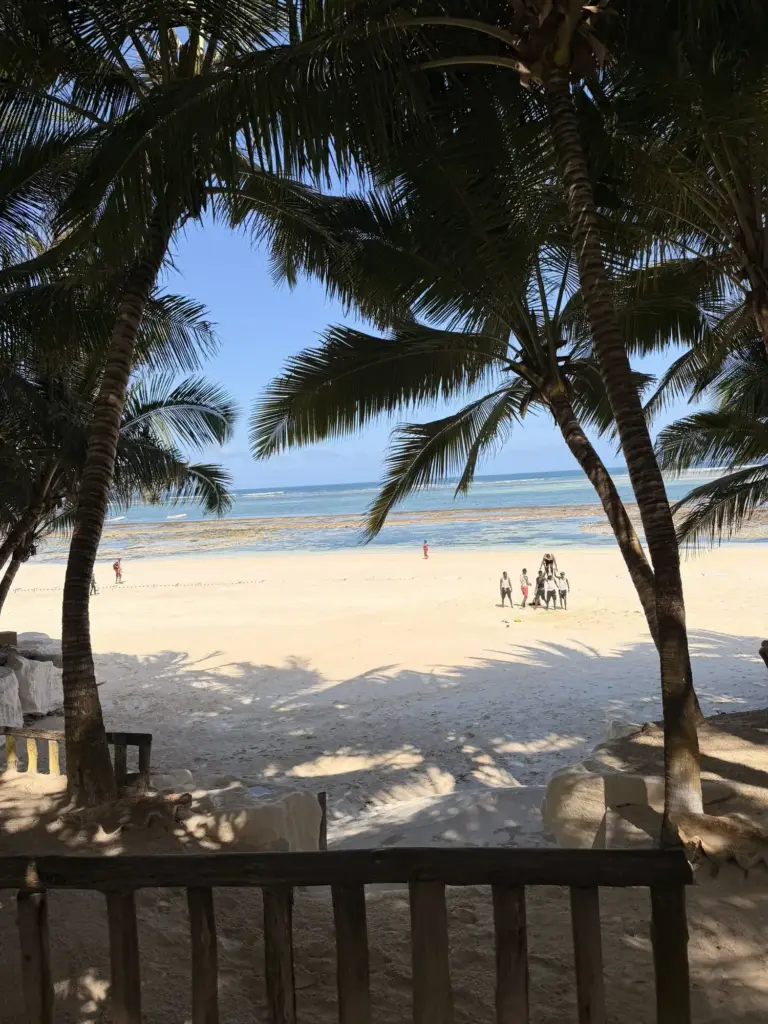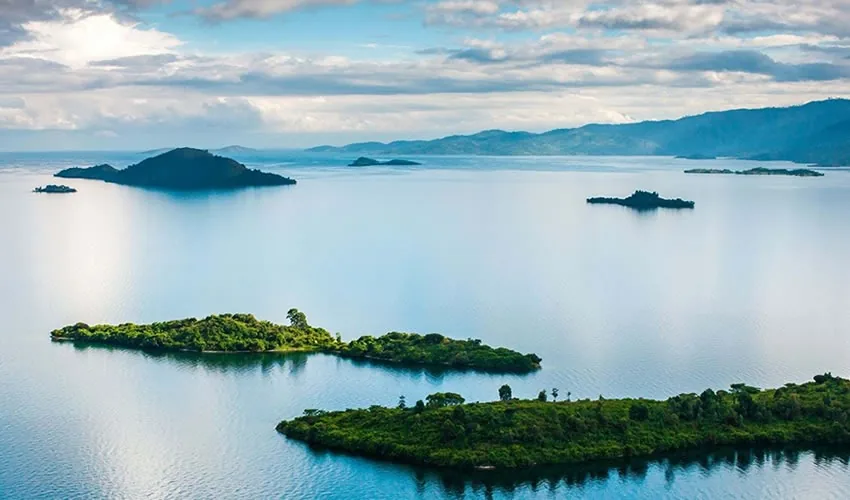
It is a lake for travellers who like their safaris long and their destinations remote. Reaching it takes effort, and the reward is a shoreline of clear blue water, empty beaches, colourful fish and forests that echo with primates.
The lake in numbers
- Length: about 673 kilometres, and up to 72 kilometres wide.
- Depth: a maximum of about 1,470 metres, with an average of around 570 metres. The lake floor lies well below sea level.
- Area: about 32,900 square kilometres.
- Elevation: about 773 metres above sea level.
- Countries: shared by Tanzania, the Democratic Republic of the Congo, Burundi and Zambia. Tanzania and the Congo hold the largest shares.
- Age: among the world’s ancient lakes, older than one million years, and by most estimates nine to thirteen million years old.
- Protected wetland: designated a Ramsar site in 2007.
Much of the coastline is steep escarpment falling directly into the lake. Its water is largely clear and layered, with oxygen near the surface and none in the deep.
Rivers and outlet
The biggest rivers flowing in are the Malagarasi, Tanzania’s second-largest river, the Ruzizi, which carries water from Lake Kivu on the Rwandan border, and the Kalambo, which drops over the Kalambo Falls, one of the highest single-drop waterfalls in Africa at about 215 metres. The only outlet is the Lukuga River, which flows west into the Congo system.
Life in the lake
Because the lake is so old and so deep, its fish evolved in isolation. Up to about 300 species have been recorded, and the great majority, around 95 per cent, are found nowhere else. The most famous are the cichlids, the brightly coloured fish familiar in aquariums. Snorkelling and diving here are exceptional, with clear water and shoals of endemic fish in colours that seem invented. Crocodiles and hippos live in parts of the lake, and around a million people rely on it for food, with fish providing a large share of their protein.
History
The lake sits at the crossroads of East and Central Africa. In 1858, Richard Burton and John Hanning Speke were the first Europeans to reach it. The town of Ujiji, on the eastern shore near Kigoma, was for centuries a hub for caravans and for the coastal slave trade, and it was here in 1871 that Henry Morton Stanley found David Livingstone and greeted him with the famous words. The Livingstone memorial in Ujiji is a modest but powerful place to visit.
The lake was also a theatre of the First World War, when German and British forces fought for control of its waters. A steamer that has carried passengers for over a century, the MV Liemba, has linked Kigoma and Zambia’s Mpulungu, and is part of the lake’s legend. Ferry services change so we always confirm them.
Chimpanzees on the shore
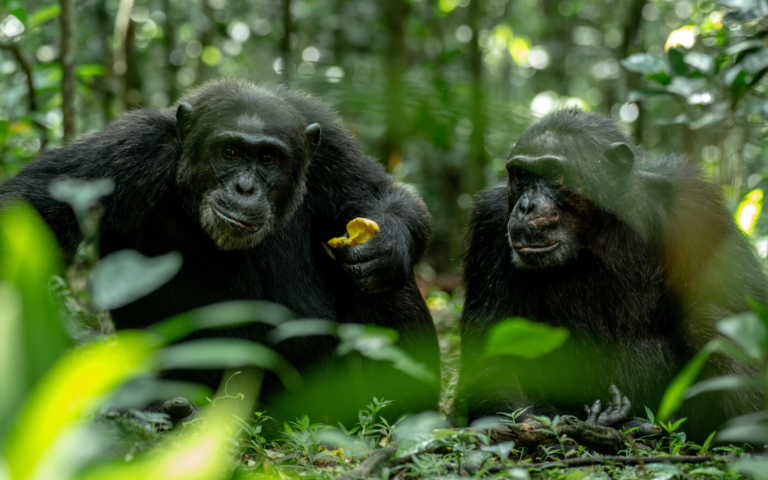
Tanzania’s stretch of shore holds two of the world’s most famous chimpanzee parks, both of which rise directly from the water:
- Gombe Stream National Park: a small park north of Kigoma, where Jane Goodall began her landmark research in 1960. Guided treks find chimpanzees in the forest and, on some days, on the beach.
- Mahale Mountains National Park: a remote, mountainous park to the south, reached by boat where large chimpanzee communities live and lodges sit on the beach. See our page on Mahale Mountains National Park.
Further south, Katavi National Park is one of Tanzania’s wildest, with huge herds of buffalo and hippo pods that squeeze into shrinking pools in the dry season. Together, Gombe, Mahale and Katavi form the Western Safari Circuit.
Things to do
- Trek for chimpanzees at Gombe or Mahale.
- Snorkel and dive among endemic cichlids. Mahale lodges offer snorkelling from the beach.
- Kayak, sail or take a dhow cruise at sunset.
- Visit Ujiji and Kigoma for the Livingstone memorial, the port and the fish markets.
- Relax on the beach. There are stretches of white sand with hardly a person in sight.
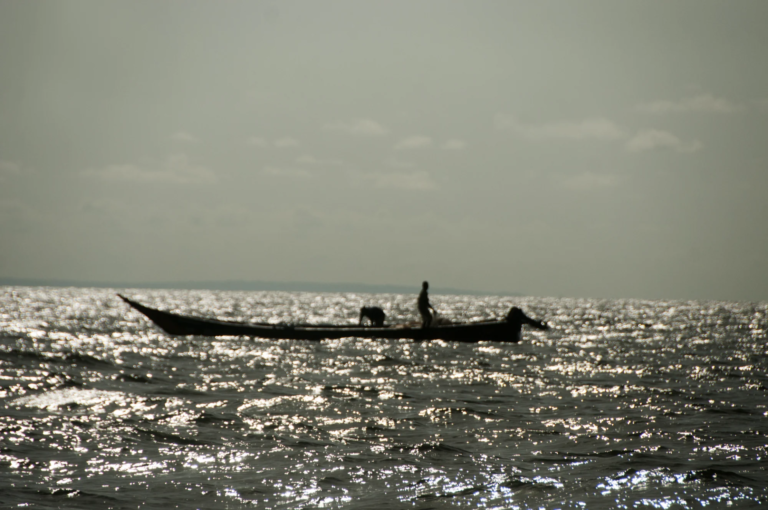
- Go fishing with local fishermen, or watch the lantern boats at night.
Getting there
Lake Tanganyika is remote. Kigoma, the only major Tanzanian city on the lake, is reached most easily by scheduled flight, as the road connections are poor. Mahale is reached by boat from Kigoma or by light aircraft, and Gombe by boat from Kigoma. Lake transport and flight schedules change with the season, and we plan buffer days around them.
Health and safety
- Malaria is a risk year-round. See our Health & Safety page.
- Bilharzia can occur in shallow, weedy shores. Swim only where your lodge recommends.
- Chimpanzee trekking follows strict health rules for the animals’ protection. See our Terms & Conditions on permits.
- Make sure your insurance covers boat travel and remote areas and check Visa & Entry Requirements for the compulsory Tanzania insurance.
Lake Tanganyika with Offmap Safaris
We design Tanganyika safaris of five to ten days around chimpanzee trekking and beach time, often ending a longer Tanzania route. They suit travellers who want wildness and quiet. Plan your safari, message us on WhatsApp +256 701 243 304 or email [email protected]. See our Responsible Travel page too.
Plan a safari that includes Lake Tanganyika
Our team plans private, tailor-made safaris, so we can build a trip around Lake Tanganyika and adjust the days, lodges and pace to suit you.