Rwanda protects its landscapes across four national parks, managed by the Rwanda Development Board; a small number by regional standards, but covering an unusually wide range of habitat for the country’s size, from volcanic highland forest to ancient rainforest and restored savanna.
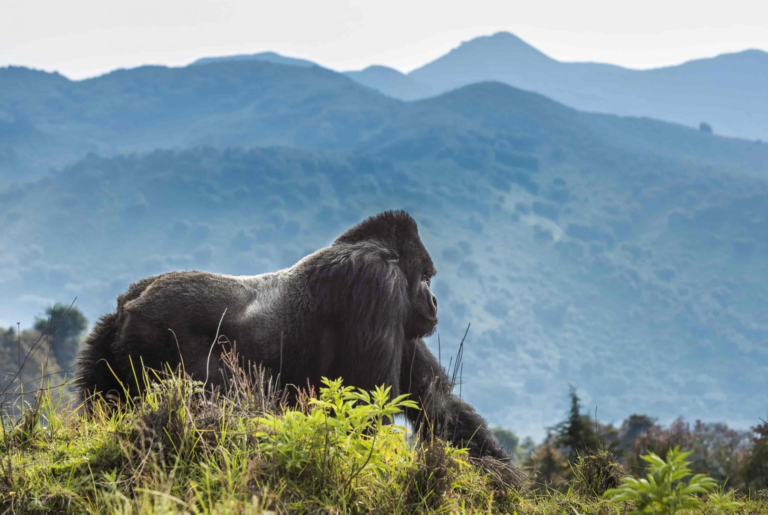
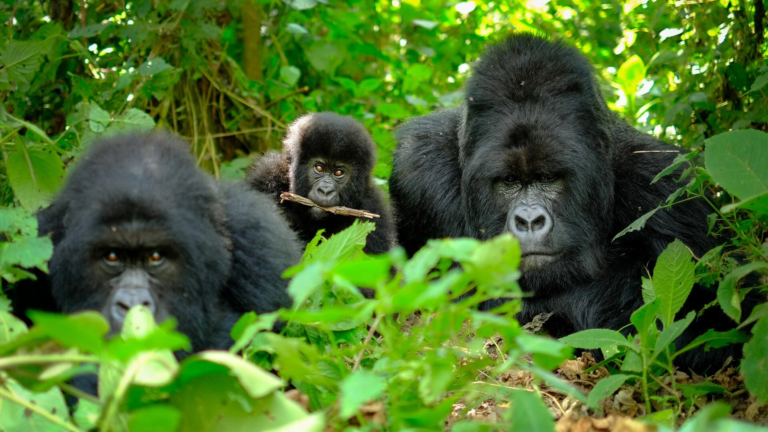
- Volcanoes National Park: Rwanda's mountain gorilla and golden monkey trekking destination, on the slopes of the Virunga volcanoes.
- Nyungwe National Park: One of Africa's oldest rainforests, with chimpanzee tracking, a canopy walkway and exceptional birding.
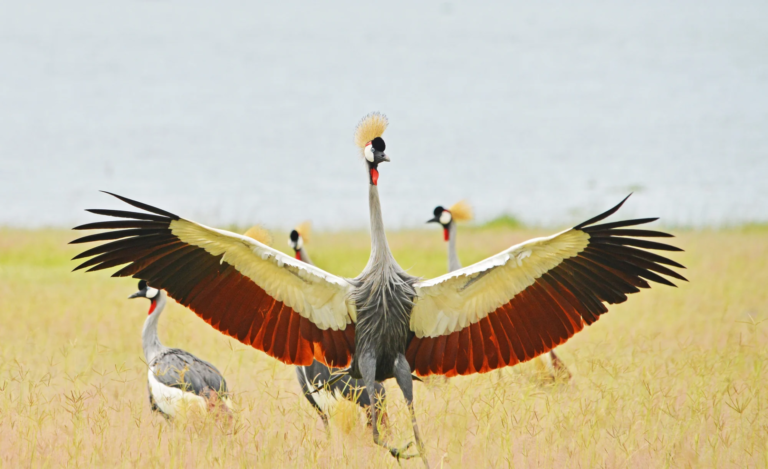
- Akagera National Park: Rwanda's savanna park, restored to hold the full Big Five, with lakes and wetlands supporting strong birdlife.
- Gishwati-Mukura National Park: Rwanda's newest and smallest national park, a restored forest corridor connecting two forest fragments in the west.
Why four parks are enough in Rwanda
Rwanda has four national parks, and each does a different job. Volcanoes is for mountain gorillas, golden monkeys and volcano walks. Nyungwe is for chimpanzees and ancient rainforest. Akagera is for savannah game viewing and lake boat trips. Gishwati-Mukura is a restored forest with chimpanzees and community tourism. Together they can be linked by road in a week, because the country is small. Our Rwanda safaris show routes that join them.
Volcanoes National Park
Volcanoes protects the Rwandan side of the Virunga range, where five volcanoes rise from farmland and bamboo to cloud forest. Gorilla families are trekked from the park office at Kinigi, and golden monkey tracking takes place in the bamboo zone. Longer hikes climb Bisoke to a crater lake and Karisimbi to the high summit. The Dian Fossey research site sits on the slopes above Karisoke. Read our Dian Fossey tomb hike guide and gorilla permits page.
Nyungwe National Park
Nyungwe is one of the oldest and largest montane rainforests in East and Central Africa. Chimpanzee tracking starts early from the Cyamudongo and Uwinka areas, and the canopy walkway hangs above the forest floor for a view into the tree tops. Colobus monkey troops are large, and the forest is a top birding area for Albertine Rift endemics. Read our birding in Rwanda page and our chimpanzee permits page for details.
Akagera National Park
Akagera is a savannah park in the east of the country with lakes, papyrus swamps and rolling hills. Lions and black rhinos were reintroduced after years of absence, and elephants, giraffes, zebras and hippos are easy to see. Boat trips on Lake Ihema and night drives add variety. It makes an easy finish to a gorilla trip, since the drive from Kigali is manageable. See our airstrips in Rwanda guide for the few charter links.
Gishwati-Mukura National Park
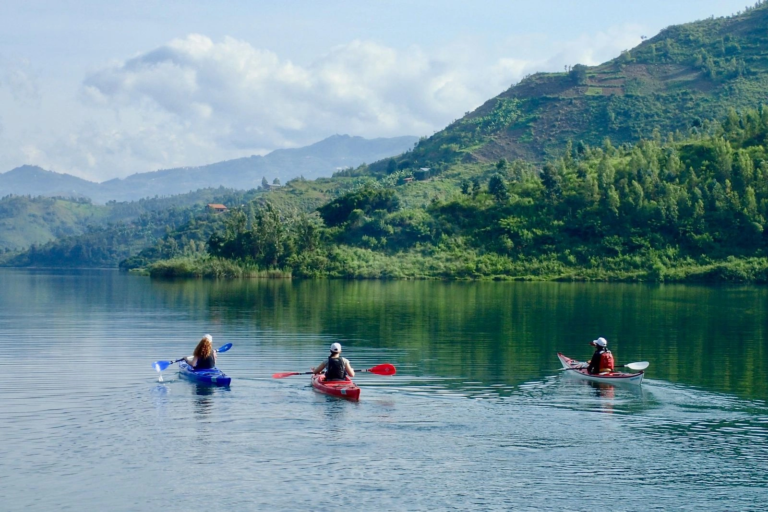
Gishwati-Mukura is the youngest national park, formed from two forest fragments that were restored with community support. It holds a small chimpanzee population, golden monkeys and many birds, and it is visited for guided forest walks and community visits rather than big wildlife. It suits travellers who want quiet, a rural feel and a chance to see conservation work in progress, usually with a day on Lake Kivu.
Fees, rules and the Rwanda Development Board
The Rwanda Development Board manages the parks and sets permit and entry fees, which are among the highest in the region for gorillas. Permits are non-refundable, and the park authority limits visitor numbers each day. Rangers accompany every trek. Rwanda bans plastic bags, and bags are checked at the airport. Read our visa and entry guide and health and safety page before you travel.
Seasons across the parks
The dry months of June to September and December to February give firmer trails at Volcanoes and Nyungwe and the best game viewing at Akagera, where animals gather at the lakes. The long rains of March to May bring mud and cloud but lower numbers of visitors, and the short rains of October and November are lighter. Gorilla trekking runs all year. Nyungwe's chimpanzee tracking is possible in every month, though the forest is wetter from March to May. Read our best time to visit Rwanda guide.
Sample park combinations
A short route is Kigali and Volcanoes in three or four days. A week adds Nyungwe, with a drive across the south and a night at the forest edge. A ten day route adds Akagera and Lake Kivu. Because Rwanda is small, the parks can be done in a loop from Kigali: Akagera first, then Volcanoes, then Lake Kivu and Nyungwe. Read our luxury accommodation in Rwanda and midrange accommodation guides to pick lodges.
What the parks protect and why it matters
The mountain gorillas of the Virunga range were once close to extinction, and Rwanda's tourism revenue funds protection, community projects and revenue sharing with the communities around the parks. Akagera's restoration through a partnership between the government and a conservation group is one of the better known recoveries in Africa. Visitors who take a guide, hire porters and follow the rules help keep this model working.
Visiting more than one park in a day
Because distances are short, you can sometimes visit two parks in a day. A common example is a morning gorilla trek at Volcanoes and a drive to Lake Kivu in the afternoon. Another is breakfast in Kigali, a morning at Akagera and a late return. We avoid trying more than that, since fatigue spoils the trek.
Planning with children and mixed fitness
Gorilla trekking has a minimum age of 15. Golden monkey tracking and Nyungwe's canopy walkway are easier alternatives for mixed groups, and Akagera suits children well. Plan the steep days for fit travellers and rest days for others. Read our family safaris and senior-friendly safaris pages.
How many days each park deserves
Volcanoes needs two nights so that a gorilla trek and a golden monkey or volcano day can both fit. Nyungwe needs two nights for chimpanzees, the canopy walkway and a forest walk. Akagera needs one or two nights for a game drive and a boat trip. Gishwati-Mukura needs one night for a forest walk. Kigali needs one night at least on arrival. A seven day route fits Kigali, Volcanoes, Nyungwe and a night by Lake Kivu.
Plan your Rwanda safari
Tell us which parks interest you and we will shape the route around them. Visit Plan My African Safari, message us on WhatsApp at +256 701 243 304, or email [email protected].