Mabira Forest’s zip-line course
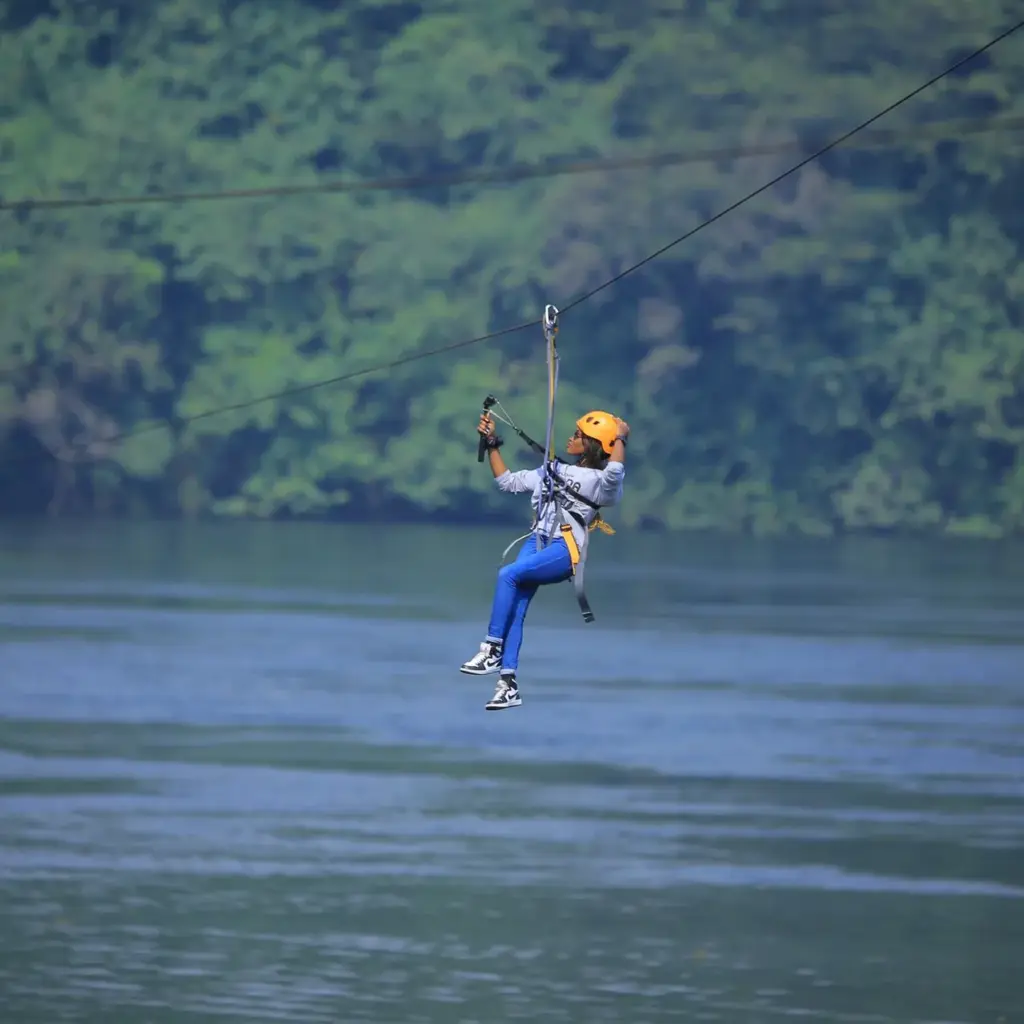
Mabira Forest‘s canopy course runs a series of connected zip lines of varying length and height through the forest, moving riders between raised platforms strung between trees. Lines cater to a range of comfort levels, from shorter, lower runs suited to first-timers and children to longer, higher lines for riders wanting a faster, more exposed ride above the canopy. The forest itself is a haven for birds and primates, and riders often spot monkeys moving through the same trees the zip lines pass between.
What a zip-lining visit involves
Visitors are fitted with a harness and helmet and given a safety briefing before starting the course, which typically takes one to two hours to complete depending on the number of lines and how many riders are in a group. Guides are stationed at platforms throughout to clip and unclip harnesses and manage the pace, so no prior zip-lining experience is needed. Most courses are structured as a loop or a one-way route ending near the starting point, with a vehicle or short walk covering any remaining distance back.
Who it suits
Zip-lining is one of the more family-friendly adventure activities on offer in Uganda, with shorter and lower lines making it accessible to children above a minimum age and height set by individual operators, while longer, higher lines give adults and more confident riders a faster, more dramatic ride on the same visit. A weight range also applies for safety reasons, consistent with zip-line operations everywhere.
Combining Mabira with a Kampala-Jinja transfer
Because Mabira sits directly on the main road between Kampala and Jinja, a stop here works naturally into a transfer day between the two rather than requiring a separate visit. Many travellers combine a few hours of zip-lining with a short forest walk or a stop at a nearby waterfall, before continuing on to Jinja for rafting, kayaking or other Nile activities, or back to Kampala at the end of a Uganda itinerary.
Mabira Forest beyond the zip lines
Mabira is one of Uganda’s most significant remaining rainforest reserves, home to primates including red-tailed monkeys and grey-cheeked mangabeys, along with a wide range of forest birds. Travellers with extra time often pair the zip-line course with a guided nature walk through the surrounding forest, giving a ground-level view of the same trees experienced from above on the course, and a better chance of spotting the wildlife that lives among them.
Safety notes
- Helmets and harnesses are mandatory throughout and fitted individually before starting
- Weight and minimum age or height limits apply and vary by operator; confirming these in advance avoids disappointment on arrival
- Loose items such as hats, sunglasses and phones should be secured or left behind, since a drop from height into dense forest is rarely recoverable
- Closed-toe shoes are required, and sandals or flip-flops are not permitted on the course
Other zip-line options in Uganda
A separate canopy course near Murchison Falls National Park, at Griffin Falls, offers a comparable zip-lining experience in a different setting, useful for travellers whose itinerary runs through northern Uganda rather than the Kampala-Jinja corridor. Both courses follow the same general format of a guided, harnessed ride between forest platforms, differing mainly in location and the specific scenery each passes over.
Best time to visit
Mabira can be visited year-round, though heavier rain can make ground conditions around the platforms slippery and occasionally leads operators to pause the course briefly during a downpour. A dry-season visit generally offers the most reliable, uninterrupted experience.
A quick way to add adventure without full commitment
Compared with a full day of rafting or a multi-day kayaking course, Mabira’s zip-line offers a taste of adventure activity that fits into a transfer day without derailing the rest of an itinerary. It suits travellers who want one memorable, slightly adrenaline-tinged stop on an otherwise straightforward road day, rather than those planning a dedicated adventure-sports stretch of their safari.
The forest beneath the line
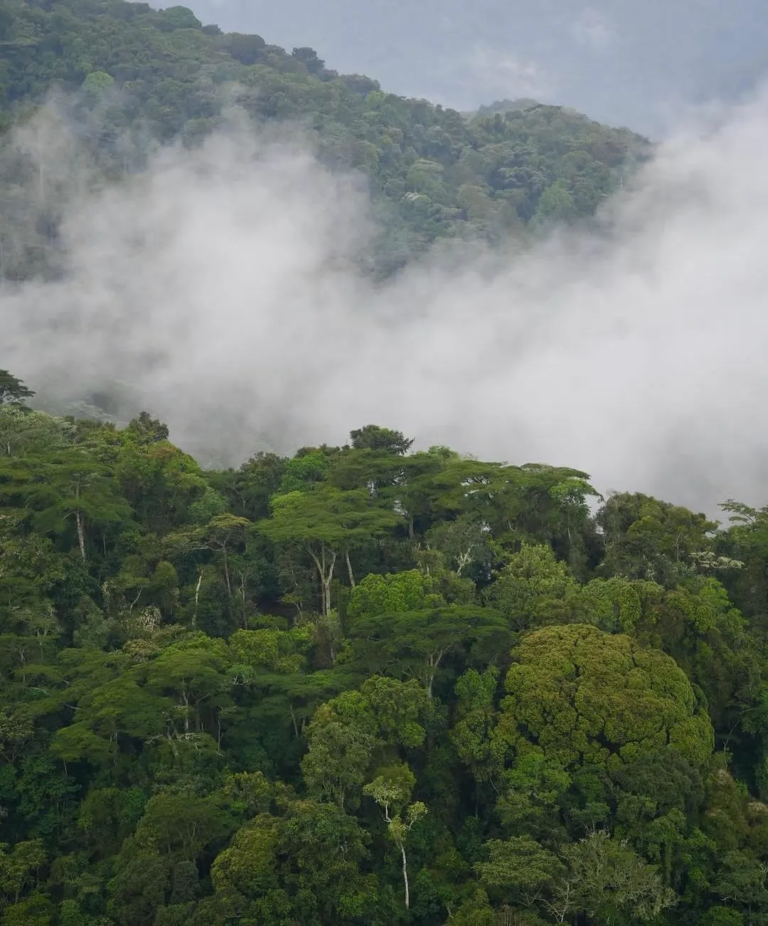
Mabira is one of Uganda’s largest remaining forest reserves, set between Kampala and Jinja. Under the canopy live several primate species, including red-tailed and blue monkeys, along with butterflies and a long bird list. Travelling the line gives a sense of the height of the trees that a ground walk cannot.
If you want to see more of the forest, add a short guided walk before or after the zip lines. Guides know the monkey groups and the trails where birds feed.
Getting ready for the line
Wear closed shoes, long trousers if you prefer and secure anything loose, as phones and sunglasses can fall. Harnesses and helmets are fitted by the team, and a guide goes first on each platform to show the stance and braking. Weight and age limits vary. Ask us before you book for a child or a heavier traveller.
Rain makes the platforms slippery, and operators may pause lines in storms. A flexible morning in your plan helps.
Pairing the zip lines with the Nile
Mabira lies on the road between Kampala and Jinja, which makes it an easy stop on the way to the Nile. Many travellers zip in the morning, reach Jinja by lunch and spend the afternoon on a boat to the Source of the Nile or on a quiet river walk.
We often pair it with rafting the next day so that the adrenaline days are separated by a gentle one.
Planning your Mabira stop
Tell us where Mabira fits on your route between Kampala and Jinja, and we will build in enough time for the zip-line course alongside a short forest walk, without disrupting the rest of your day’s transfer.