Paje, Zanzibar’s kitesurfing hub
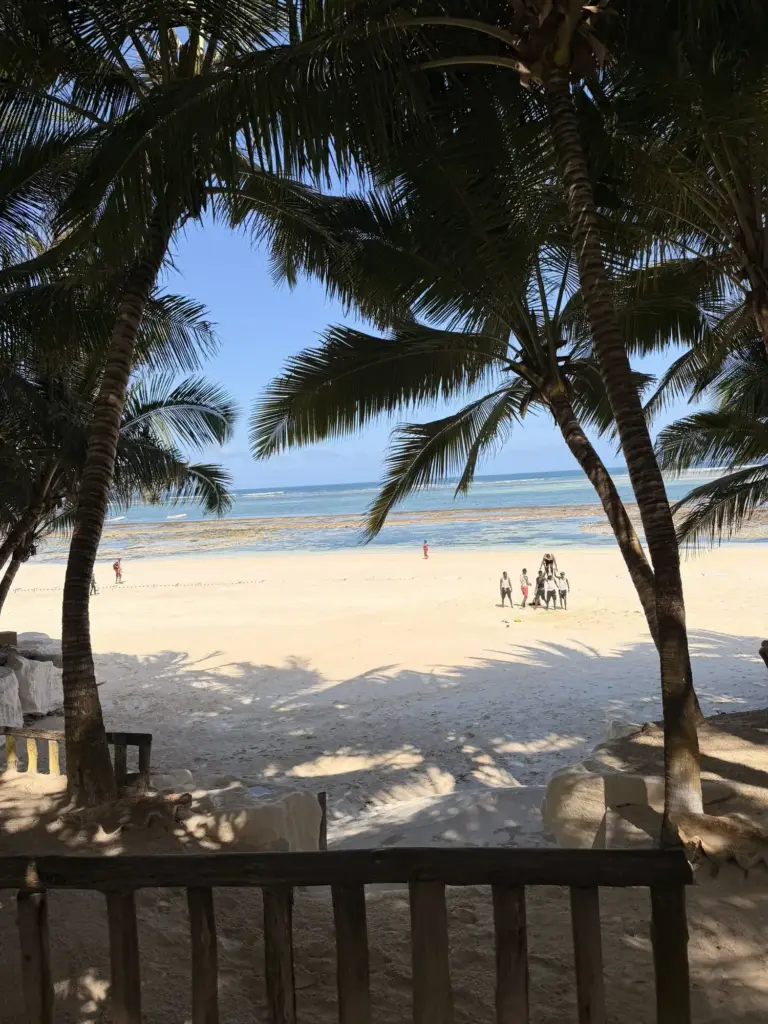
Paje, on the island’s east coast, is the region’s established kitesurfing centre, home to several kite schools offering internationally certified instruction, equipment rental and retail. Its shallow, flat inner lagoon suits beginners and freestyle riders learning to control a kite close to the beach, while stronger riders head further out to where the reef break offers genuine waves.
Two wind seasons
Paje’s wind follows two distinct seasonal patterns. The kaskazi season, roughly December to February, brings a steady north wind at 12 to 25 knots, generally the more reliable window for consistent riding. The kusi season, roughly May to October, tends to start calmer in the morning and build through the afternoon, meaning sessions here are often better timed for midday or later rather than dawn.
Tides shape the day
Zanzibar’s tidal range is dramatic enough to change Paje’s kitesurfing conditions completely between low and high tide. At low tide, the inner lagoon empties out, pushing riders toward outer lagoons and exposed sandbanks; at high tide, the water fills back in with milder chop and, for freestyle riders, small wind-driven kickers to work with. Planning a session around the tide table, not just the wind forecast, is part of kitesurfing here.
Skill levels catered for
Paje’s shallow, flat lagoon at the right tide is beginner-friendly, letting new riders practise kite control and body-dragging in chest-deep water before progressing to riding a board, while the same stretch of coast offers real waves and open-water conditions for advanced riders once they’re ready for them. Four established kite schools run structured beginner courses, refresher sessions for returning riders, and specialised clinics in strapless riding and freestyle tricks.
What a beginner course involves
Most schools structure beginner instruction over several days, starting with kite control on the beach before moving into shallow water for body-dragging and, eventually, getting up on a board. International certification bodies (IKO and VDWS are both represented at Paje) set common safety and teaching standards across schools, so a course booked through any certified school follows broadly the same structured progression.
Progressing beyond a beginner course
Riders who complete a beginner course at Paje typically move next into independent riding in the flat inner lagoon, building board control and upwind riding before venturing toward the reef break where waves become part of the challenge. Intermediate and advanced clinics focused on jumping, strapless riding and freestyle tricks are available for returning visitors who want structured progression rather than simply renting gear and riding alone.
Combining kitesurfing with the rest of Zanzibar
Paje sits far enough from Stone Town and the island’s northern beaches that most kitesurfing-focused travellers base themselves there for the bulk of their stay rather than day-tripping in from elsewhere, though a spice tour or a Stone Town day out works well as a rest day between kite sessions. Riders wanting calmer, non-kitesurfing beach time can also head briefly to Nungwi or Kendwa, a short drive up the coast, without giving up their Paje base entirely.
Equipment and gear rental
Schools at Paje stock a full range of kite sizes to match different wind strengths and rider weights, along with boards, harnesses and safety leashes, meaning travellers can arrive without owning any gear of their own and still ride within a day of arrival. Riders bringing their own equipment still benefit from local knowledge of which kite size suits a given day’s wind, since conditions shift meaningfully between the two seasons and even within a single day around the tide.
What to bring
- Reef-safe sunscreen and a rash guard, since sessions run long under direct sun with little shade on open water
- Booties or reef shoes, useful for the shallow lagoon floor at low tide
- Your own harness if you have one you’re used to, though schools rent full equipment
- A dry bag for phones and valuables left on the beach during a session
When to book ahead
Paje’s established reputation means accommodation and school slots can book out during the strongest weeks of the kaskazi season, so confirming dates several months ahead is worth doing for anyone planning a dedicated kitesurfing stay around the December to February window specifically.
Lessons and safety
Lessons are given by certified instructors, in small groups, with helmets, harnesses and safety leashes provided. Beginners start on the beach learning to control a small kite, then move to the water with a board. Instructors watch conditions and tides closely, and they will stop lessons if the wind becomes unsafe. Listen carefully, follow the rules and enjoy the progress.
Evenings and beyond
Kitesurfing days end early, and the evenings in Paje are relaxed. Restaurants serve fresh fish and Swahili dishes, music plays on the sand and the sky fills with stars. On windless days, you can visit the Jozani Forest, join a spice tour, or simply swim and read. Allow a couple of days beyond your lessons so that you can enjoy the island without the pressure of a schedule.
Spectating and sharing
Non kitesurfers also enjoy Paje. The sight of dozens of colourful kites against the sky is a pleasure, and beach cafés make a good place to watch. Partners and family can learn to paddleboard, take a walk at low tide or relax with a massage, so everyone has something to enjoy while the kiters are out.
Choosing a school
Look for a school with certified instructors, a clear safety briefing, modern equipment and a rescue boat or a team on the beach. Ask about group sizes and whether lessons are in English. Reputable schools will turn lessons away if the wind is wrong, which shows they put safety first.
Planning your kitesurfing stop
Tell us your experience level and which wind season your dates fall in, and we will match you to the right stretch of Paje and the right level of instruction for your stay.