
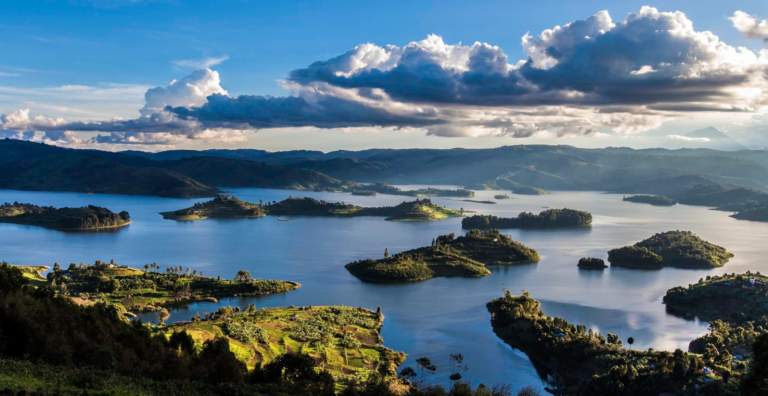
Key facts
- Region of interest: eastern DR Congo, around Goma, Lake Kivu and the Virunga mountains
- Main park: Virunga National Park, Africa’s oldest national park and a World Heritage Site
- Great apes: mountain gorillas in Virunga, and eastern lowland (Grauer’s) gorillas at Kahuzi-Biega
- Volcanoes: Nyiragongo, known for its lava lake, and Nyamulagira
- Neighbours: Uganda to the east, Rwanda to the east and south east
- Current status: treks in Virunga closed until further notice, and eastern provinces subject to government travel warnings
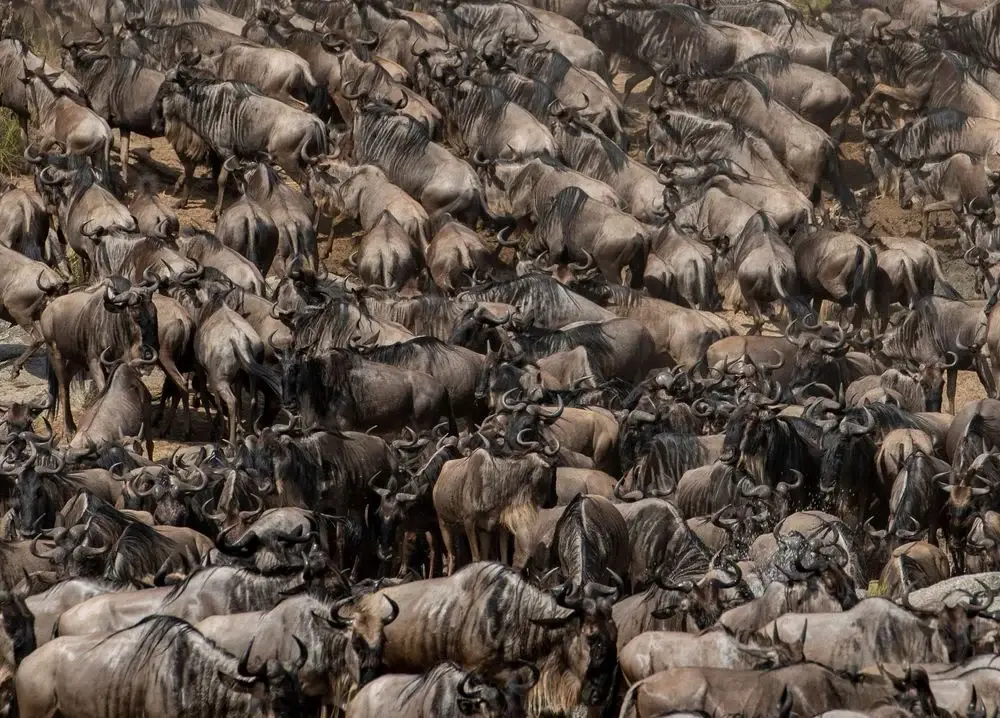
Virunga National Park
Virunga was created in 1925 and covers a remarkable range of habitats, from the glaciers of the Rwenzori to savannah, lakes, lava fields and forest. Its mountain gorilla sector sits on the same Virunga massif as Volcanoes National Park in Rwanda and Mgahinga Gorilla National Park in Uganda. Gorillas do not recognise borders, and a family seen in one country may cross into another. The park also protects chimpanzees, forest elephants, hippos on Lake Edward and a large population of birds, and it runs a sanctuary for orphaned gorillas. Rangers here work in difficult conditions, and the park has lost many of them in its history.
Nyiragongo and the lava lake
Nyiragongo is the volcano that draws many visitors to Congo. The climb takes you to a rim above one of the largest lava lakes in the world, and trekkers have traditionally slept in simple huts on the crater edge. It is a demanding overnight hike at altitude, with cold, wind and steep loose ground, and it is entirely dependent on the volcano’s activity and on security in Goma. Nyiragongo has erupted in living memory, including in 2021, and the city below lies in its path, which is one more reason this is a destination that requires up-to-date, specialist advice before anyone plans around it.
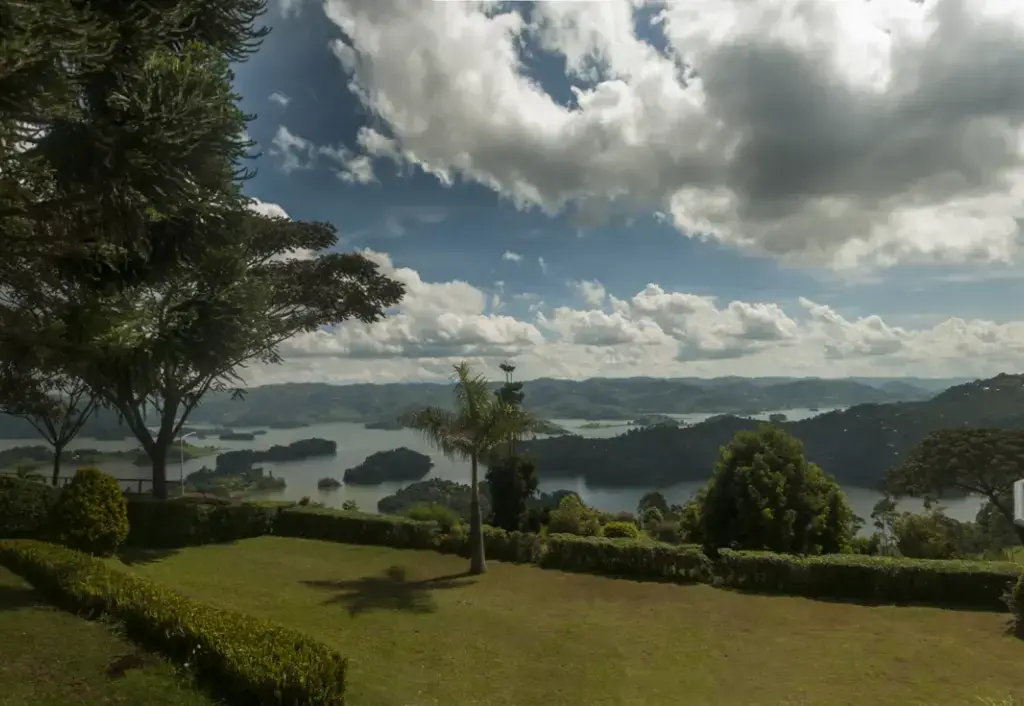
Kahuzi-Biega and other parks
Further south, near the city of Bukavu, Kahuzi-Biega National Park protects eastern lowland gorillas, the largest of all gorilla subspecies, along with chimpanzees and a rich forest. Elsewhere, the Okapi Wildlife Reserve protects the okapi, a forest relative of the giraffe, and Salonga National Park is one of the largest tropical rainforest reserves in the world. These places are remote, hard to reach and, in many cases, closed to ordinary tourism. In Kinshasa, a bonobo sanctuary shelters orphaned bonobos, the great ape found only in Congo.
Where things stand
Eastern DR Congo has experienced serious armed conflict, and many governments advise their citizens against travel to North Kivu and neighbouring provinces. The park’s own website has announced that its gorilla and Nyiragongo treks are closed until further notice. Situations like this can change in either direction, which is why we do not build safaris around Virunga and why we encourage anyone considering a trip to read current government advice for their passport and to speak to the park directly. Offmap Safaris plans safaris in Uganda, Rwanda, Kenya and Tanzania so we do not currently sell itineraries into DR Congo. We would rather say that plainly than promise something we cannot responsibly deliver.
See the same wildlife from Rwanda and Uganda
The good news is that the experiences people hope for in Virunga are available, with established permit systems, in the two neighbouring countries.
- Mountain gorillas: trek families in Rwanda or Uganda, in Volcanoes, Bwindi or Mgahinga. Our gorilla permits page explains how permits work.
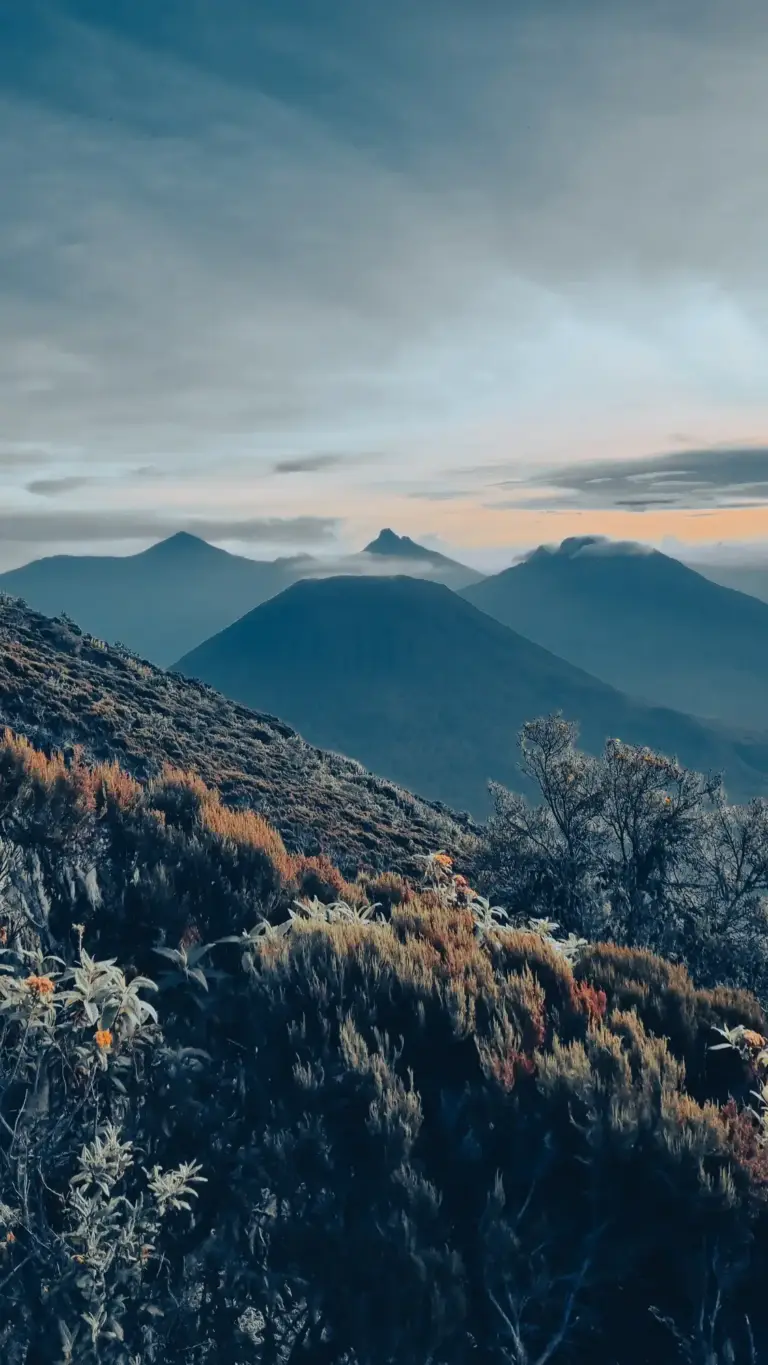
- Volcano hikes: climb the Virunga volcanoes from the Rwandan and Ugandan sides. See the Virunga volcanoes overview.
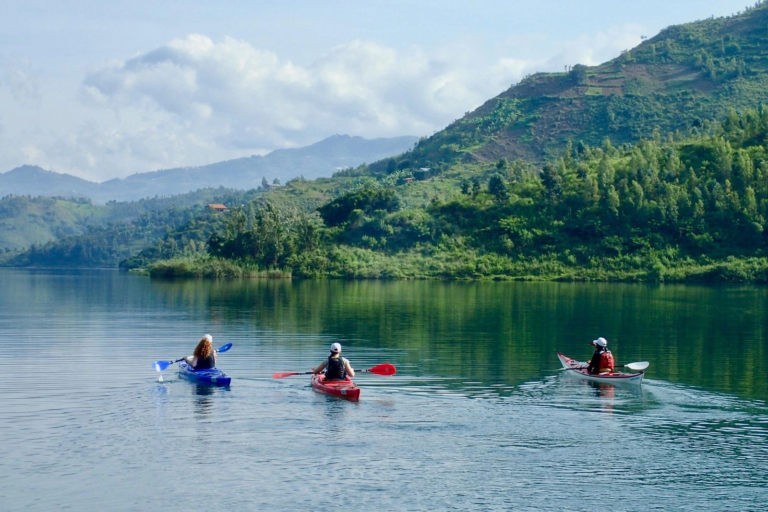
- Lake Kivu: relax on the Rwandan shore at Lake Kivu, which is the same lake that borders Goma.
- Forest primates and birds: track chimpanzees in Nyungwe and Kibale, and look for Albertine Rift endemic birds in Bwindi and Nyungwe.
Many travellers who ask about Congo are most interested in gorillas and volcanoes, and both are well served by a combined Uganda and Rwanda safari.
Why Congo matters for conservation
Even when tourism is closed, Virunga remains one of the most important protected areas in Africa. Its gorilla population is part of the wider Virunga population that has grown slowly in recent decades, a conservation success shared by Rwanda, Uganda and DR Congo. Park rangers, many of them local people, protect gorillas, elephants and forests in a region where poaching, charcoal production and armed groups have all been threats. Tourism revenue once helped pay for that work, which is why the closure matters beyond the lost trips. If you want to support the park, you can follow its updates, donate through its own channels and, when travel to Congo is not possible, support gorilla protection through permits in Rwanda and Uganda, where a share of every permit goes to conservation and to nearby communities.
How to decide where to go
If your main wish is to meet mountain gorillas, choose between Rwanda and Uganda. Rwanda is compact and gives a short, high-altitude trek from a comfortable base while Uganda offers a deeper forest in Bwindi and a quieter experience in Mgahinga. If your main wish is a volcano, Rwanda and Uganda both offer hikes with views over the same chain of peaks. If you want chimpanzees, Uganda’s Kibale and Rwanda’s Nyungwe are the best bets. We can combine these in a single route, and we will tell you honestly which options fit your dates, fitness and budget.
If you are researching Congo
If you are interested in DR Congo for its conservation story, we recommend following the park’s own updates and those of reputable conservation organisations. If you are planning to travel in the region, check your government’s travel advice, make sure your insurance covers the destination and use only operators who are open about the risks. If you would like help choosing the best alternative, see our visa and entry and health and safety pages, or use Plan My African Safari and we will suggest a route in Rwanda and Uganda that follows the same mountains.