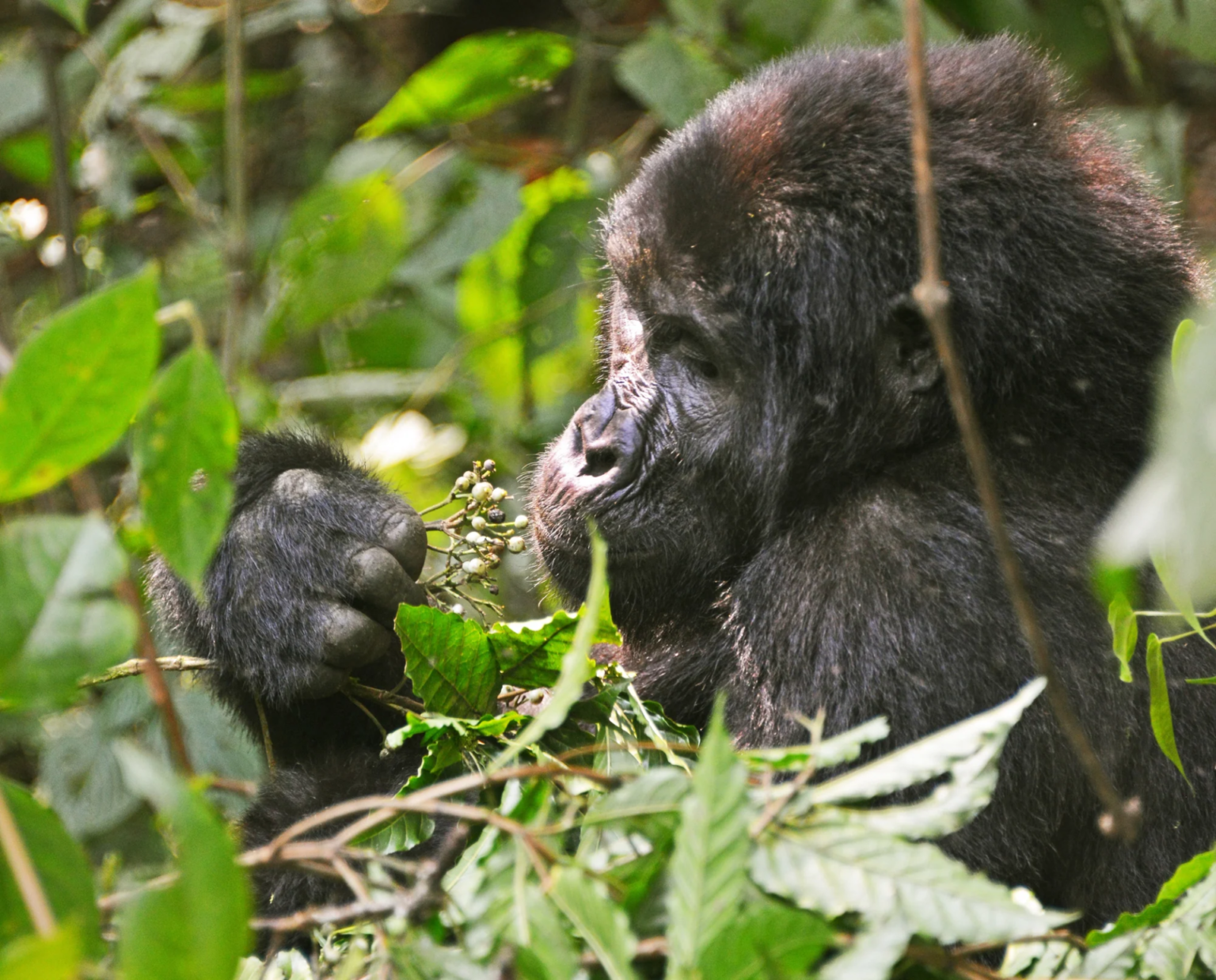
Gorilla trekking in Uganda means walking into a rainforest with a ranger and a tracker, finding a family of wild mountain gorillas, and spending one hour in their company. Uganda is home to roughly half of the world’s mountain gorillas, and most of them live in Bwindi Impenetrable National Park. This guide explains how a trek works, where to do it, when to go, how permits are arranged and what to carry. You will finish it knowing what to book and in what order.
What gorilla trekking in Uganda involves, step by step
Every trek starts early. You arrive at the park headquarters or ranger post at about 7:30 in the morning for a briefing. Rangers explain the rules, check your permit, and assign you to a gorilla family. Each habituated family is visited by one group of up to eight people a day, which keeps disturbance low.
Trackers leave at first light and find the family from the place where it slept the night before. Your ranger stays in radio contact with them so the group knows roughly where it is heading. The walk can last thirty minutes or six hours. It depends on where the gorillas chose to feed overnight and how fast they are moving.
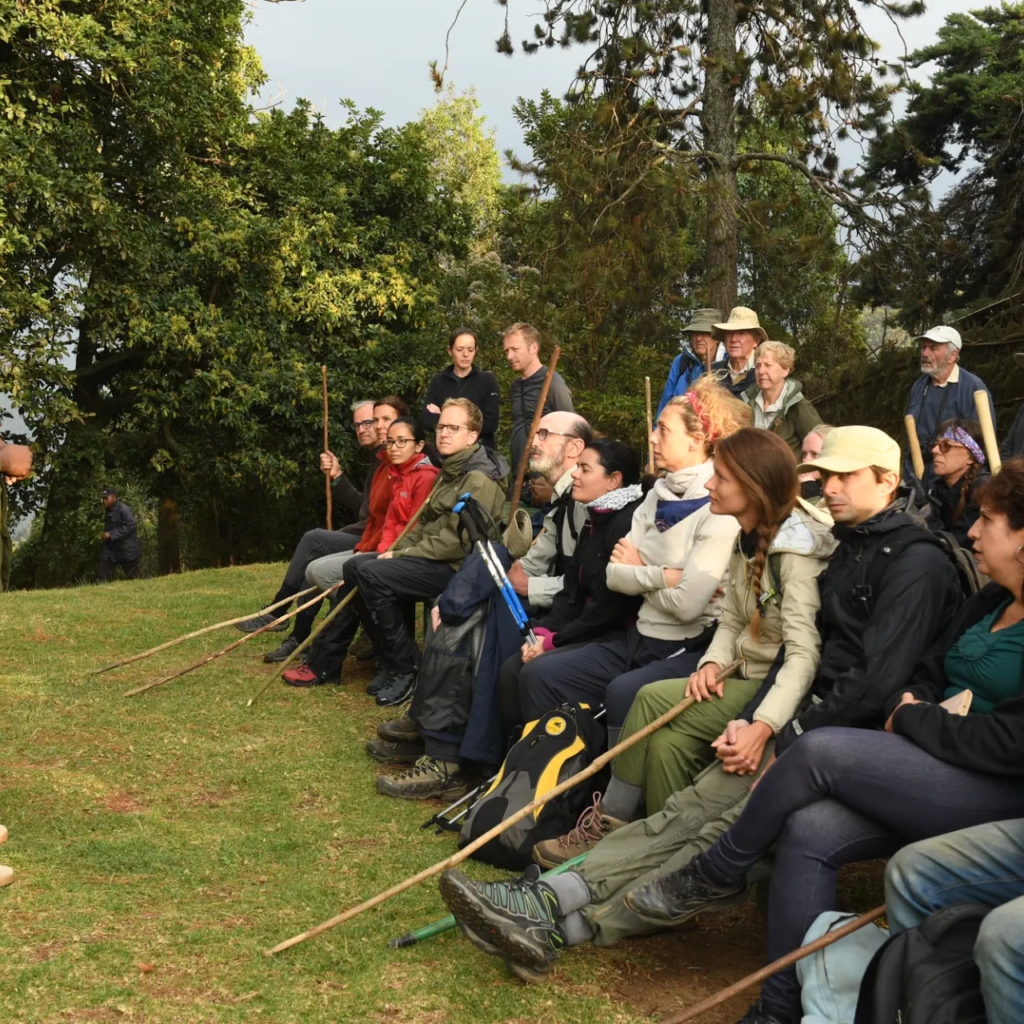
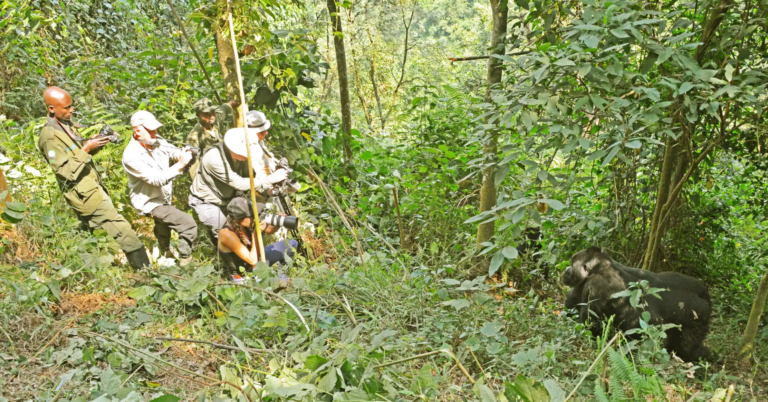
When the group reaches the family, you leave walking sticks and bags with the porters, keep your camera and move in slowly. The rule is to stay about seven metres from the gorillas. Gorillas sometimes ignore that rule themselves, and then the ranger guides you back a few steps. You have one hour from the moment you first see them.
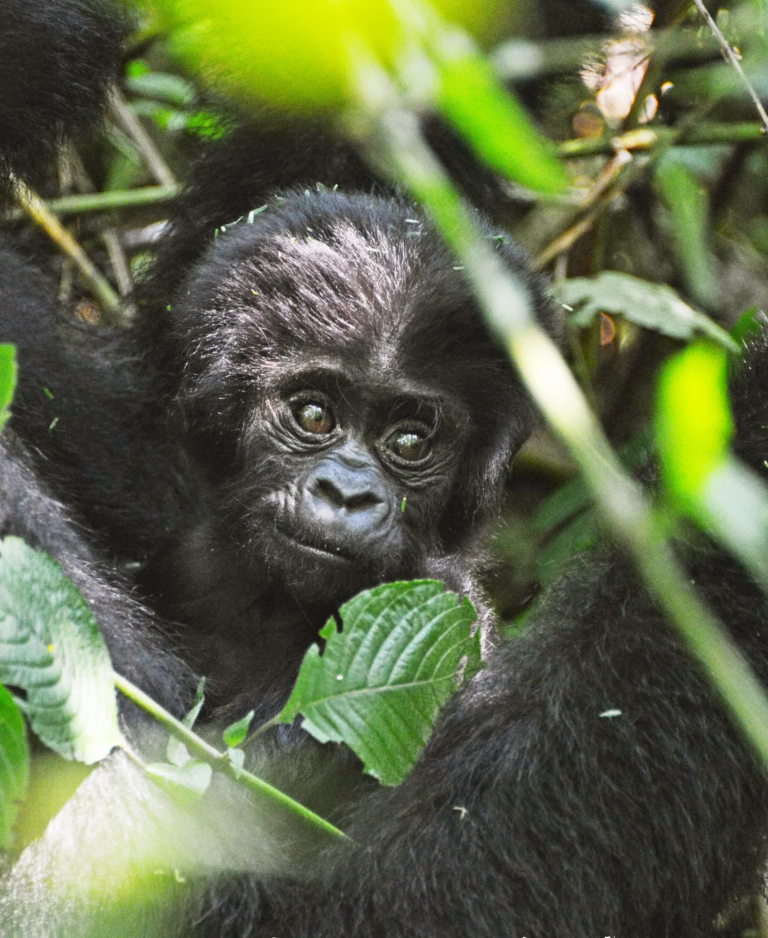
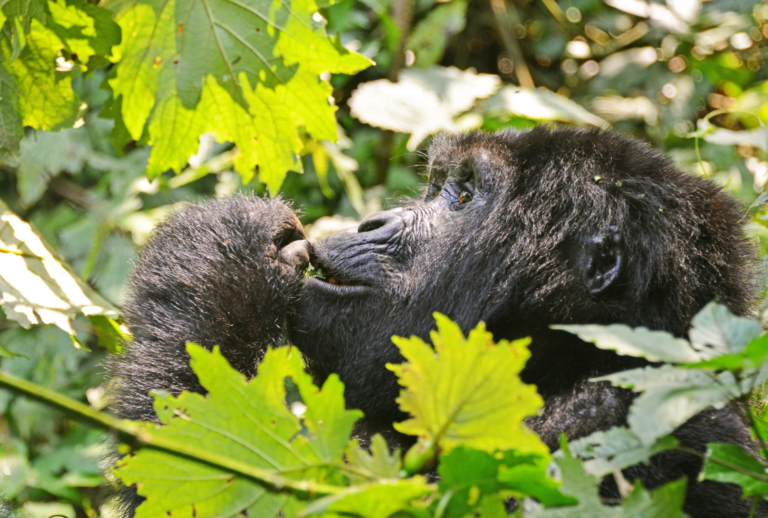
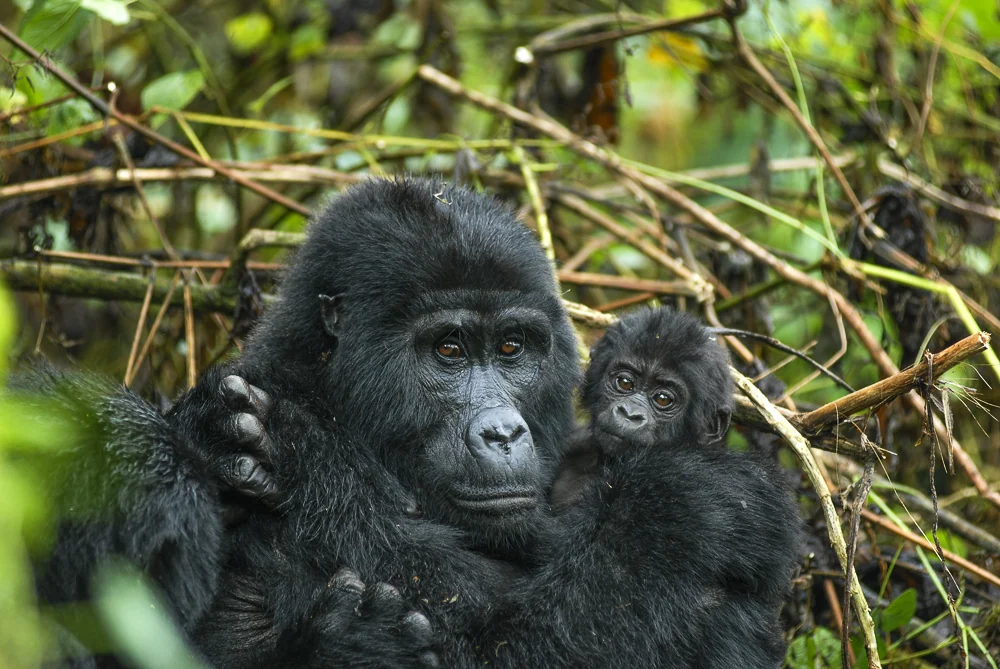
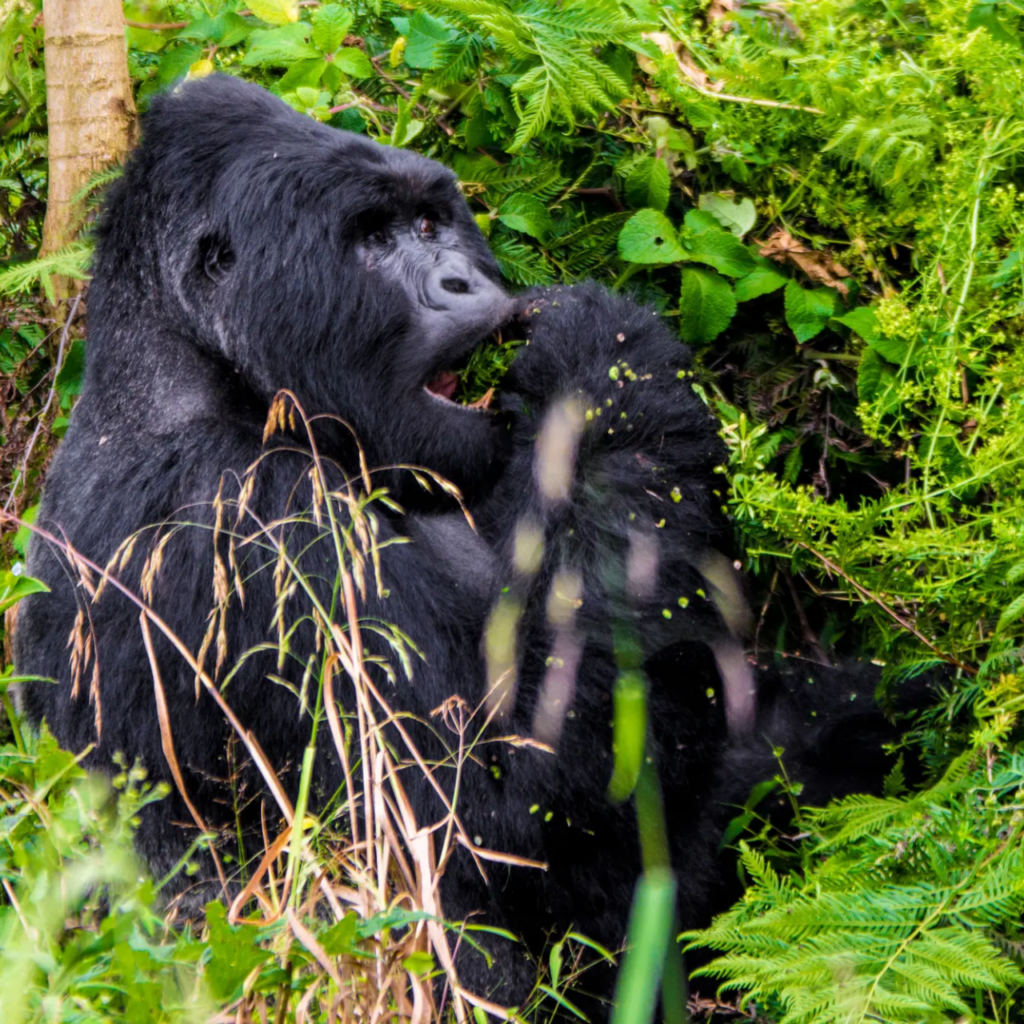
That hour passes quickly. You watch adults feeding on leaves and stems, young gorillas wrestling, and the silverback keeping the family together. Do not use flash. Keep your voice low. Ask your ranger anything you want to know, because the rangers know each family by name and by character.

Where to trek: Bwindi and Mgahinga
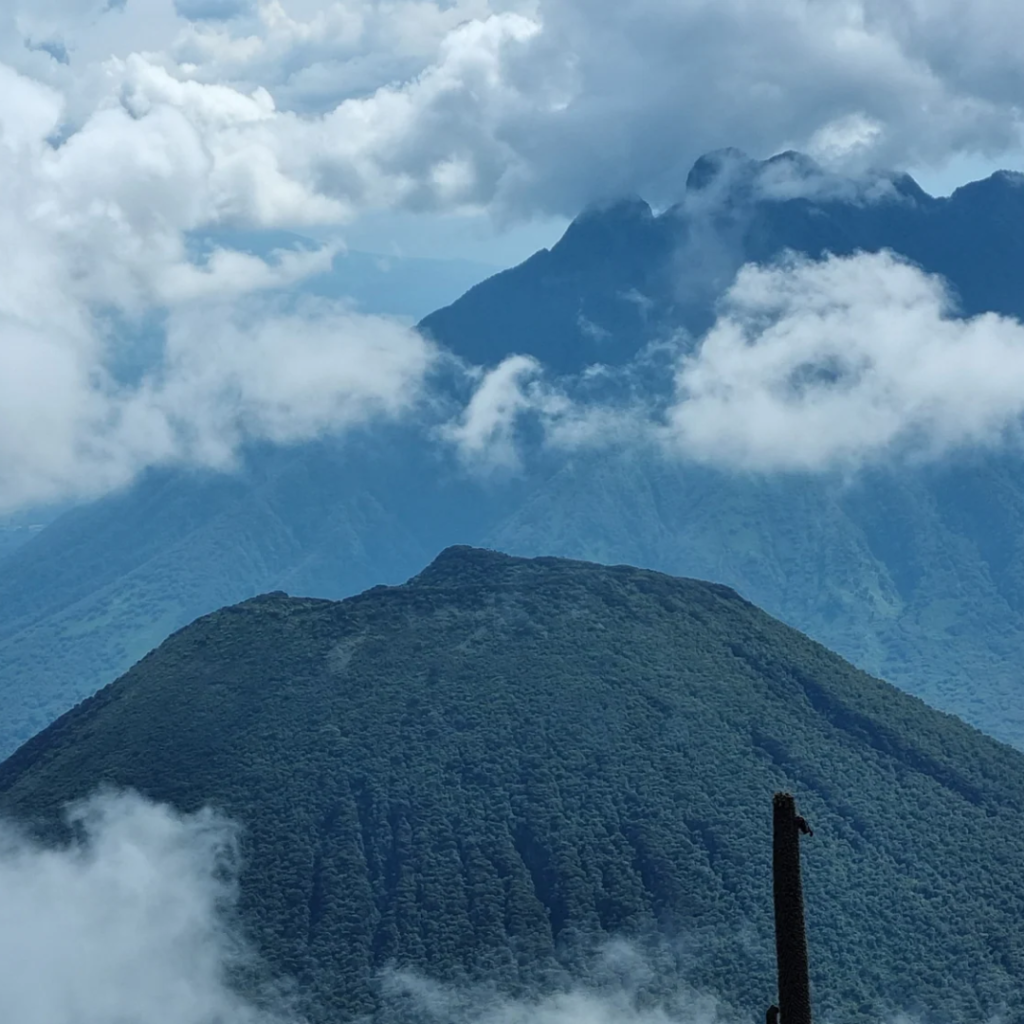
Uganda has two gorilla parks. Bwindi Impenetrable National Park is a UNESCO World Heritage Site with more than twenty habituated families, spread over four sectors. Mgahinga Gorilla National Park is much smaller and sits on the Rwanda and Congo border, with one habituated family and a volcano backdrop.
Buhoma is the original and most visited sector in the north of Bwindi. The trails begin on gentler ground and the lodges are close together. Ruhija sits higher and cooler, and it suits birdwatchers because it holds many Albertine Rift endemics. Rushaga, in the south, has the largest number of gorilla families and is also where gorilla habituation is offered. Nkuringo is steeper and rewards you with long views toward the Virunga volcanoes.

Which sector is best for you depends on your fitness, your route and your other interests. If you are driving from Queen Elizabeth National Park, the Ishasha road leads to Rushaga and Nkuringo through the south. From Kampala by road, every sector is reachable so the open permit dates usually decide. We match the sector to your travel dates and to what you want to see next, and we book permits for the family that suits your fitness level.
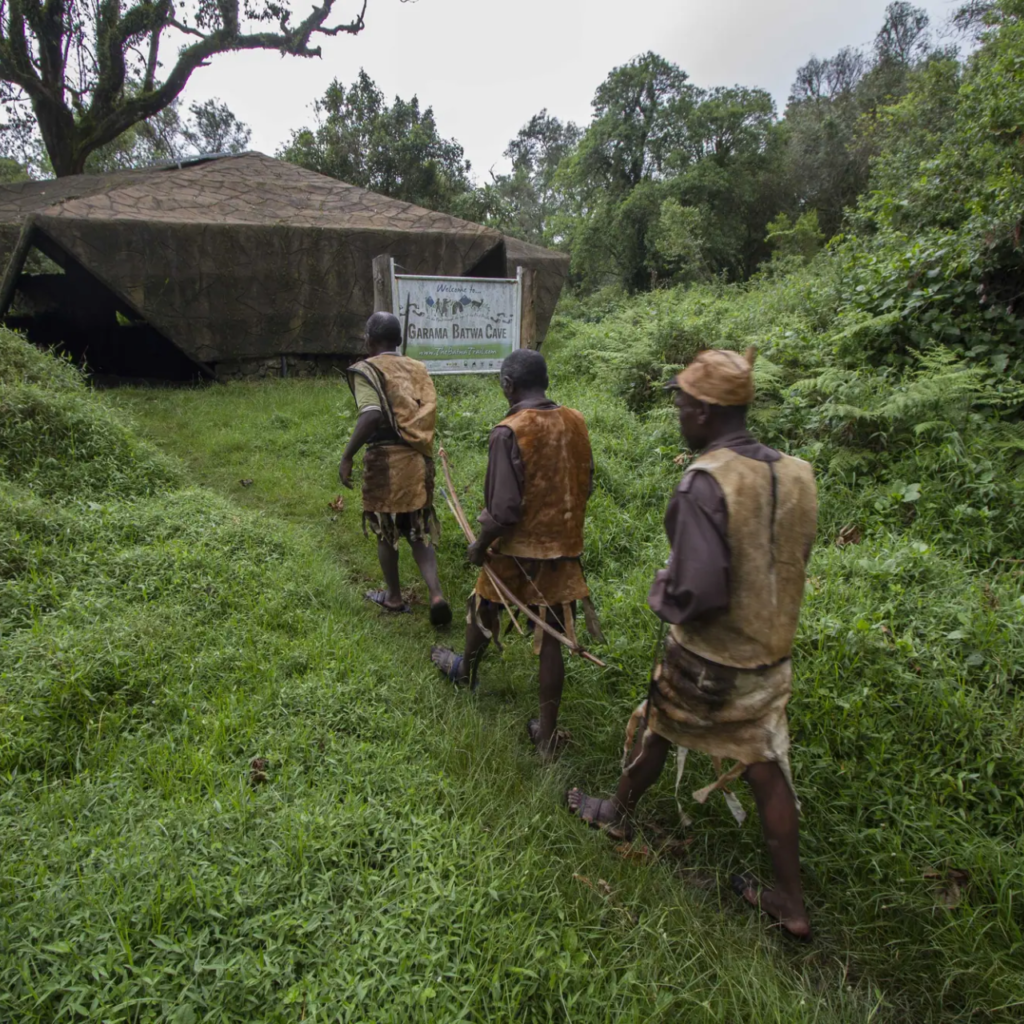
Mgahinga is the quieter option. The volcano slopes are covered in bamboo, and the park is also the home of the golden monkeys and of the Batwa trail, which many visitors add for a cultural day. The gorilla family there sometimes crosses into Rwanda or Congo so a trek is not always possible on a given day.
Other ways to meet the gorillas and their neighbours
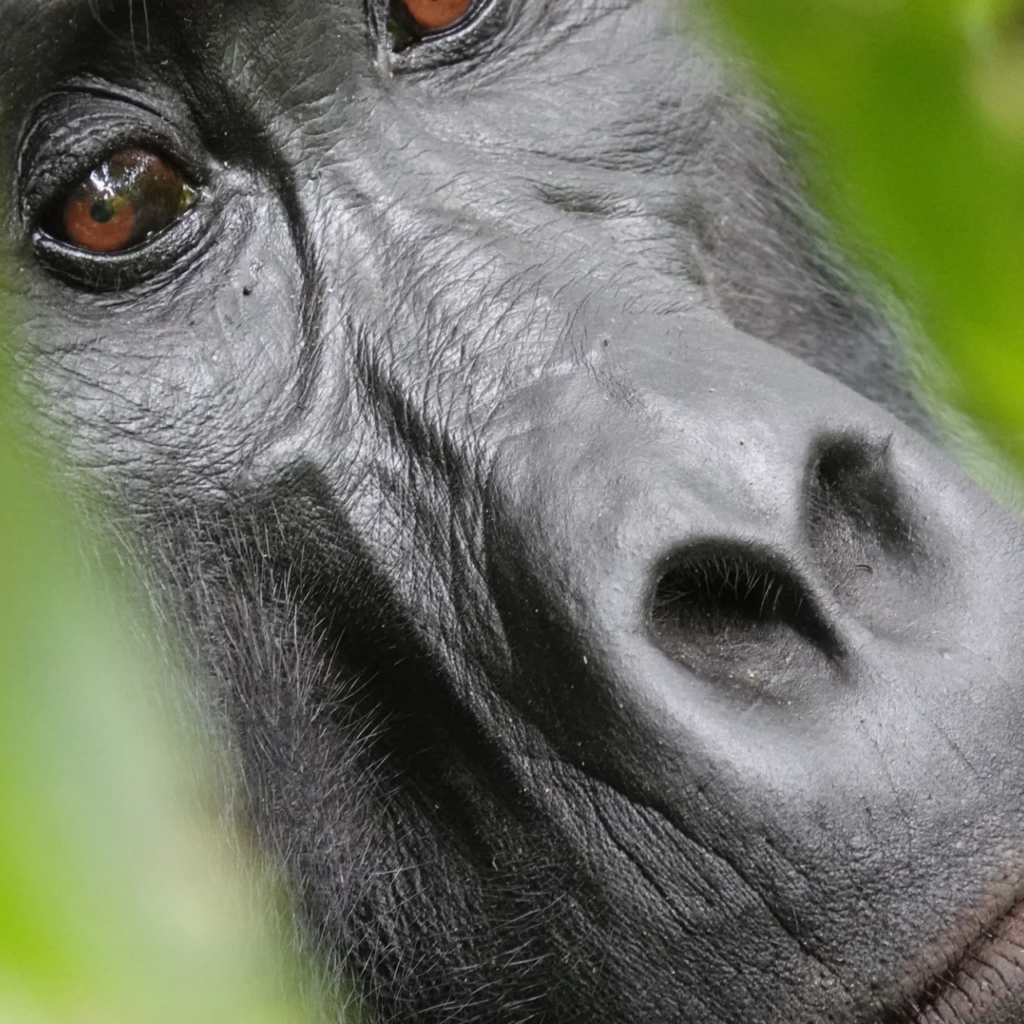
The standard trek is not the only option. Gorilla habituation, offered in Rushaga, lets a small group spend up to four hours with a family that is still becoming used to people. Only a few visitors join each day, and the permit costs more than a standard trek. It suits photographers and anyone who wants time rather than a single hour.
Mgahinga adds two experiences that sit well beside a trek. Golden monkey tracking takes you into the bamboo zone to watch a troop of these rare monkeys, which live nowhere else in Uganda. The Batwa trail is led by Batwa guides, the forest people who lived in these forests for generations, and it shows how they hunted, gathered and sheltered before the parks were created.
When to go and how to get there
Trekking runs through the year. The driest months are June to September and December to February, when trails are firmer and the forest is easier to walk. March to May and October to November are the main rainy seasons. Rain makes paths slippery, but the forest looks greener and the crowds are thinner. For a month by month view, read our guide to the best time for gorilla trekking in Uganda.
Most visitors travel to Bwindi by road from Kampala or Entebbe. The drive takes eight to ten hours with stops, and the final stretch climbs through the Kigezi highlands. The scenery is the reward: terraced hills, lakes and volcano views. If time matters more than the road, small aircraft fly from Entebbe or Kajjansi to Kihihi airstrip, close to Buhoma and Ruhija, or to Kisoro airstrip, close to Rushaga, Nkuringo and Mgahinga. The flight takes about ninety minutes, and the lodge sends a vehicle to the airstrip.
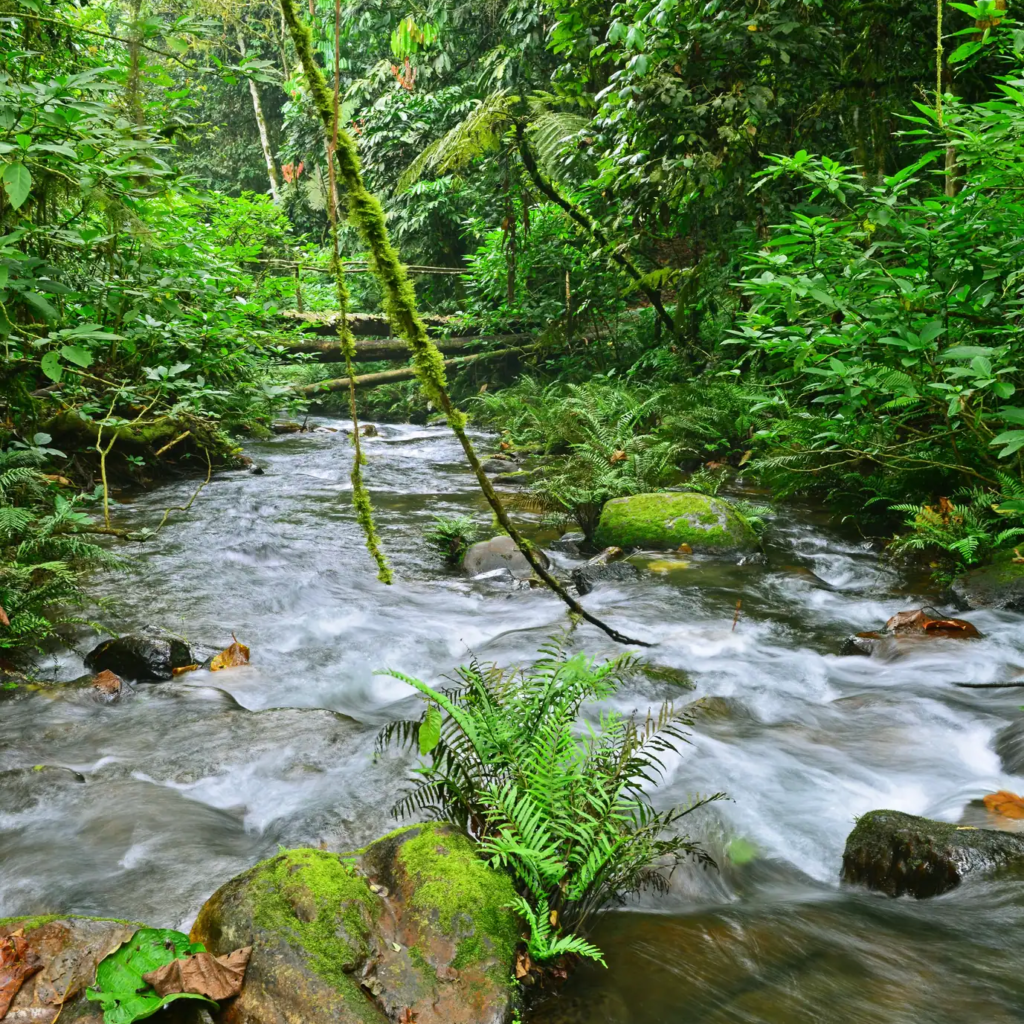
Plan at least two nights near the forest. One night lets you trek the morning after you arrive, and the second gives you a rest day or a cultural visit if you wish. Three nights is better if you want to try a second trek or add the golden monkeys. You can see how we put these days together on the Uganda safaris page.
Gorilla permits: how they work
Every visitor needs a permit to trek, issued by the Uganda Wildlife Authority. A permit is for one person, one family, one day. It is not transferable. The cost changes from time to time. Check current rates before you set a budget. Permits sell out in the dry months so we recommend booking several months ahead and earlier for July, August and December.
Gorilla and chimpanzee permits are non-refundable once they are paid. If you postpone your safari, new permits must be bought for the new dates. Lodges and other services can usually be moved, but permits cannot. We explain this before you commit, and our full walk through the process is in how to get a Uganda gorilla permit.
A permit covers the park entry fee for the trek, the ranger and tracker service, and the one hour with the family. It does not cover your lodge, your transport, your porter or your tips. When we plan a gorilla safari, we confirm the permit date and the sector in writing before anything else is booked.
The minimum age is fifteen. Rangers will not take anyone who is unwell, because mountain gorillas catch human infections easily. If you have a cold on the morning of your trek, tell the rangers honestly. Every visitor is asked to wear a face mask when close to the gorillas.
Practical tips: what to wear, bring and expect
Wear lightweight long trousers and a long sleeved shirt in muted greens, browns or greys. Nettles, thorns and biting ants line the trail. Strong, broken-in hiking boots with good grip matter more than anything else you pack. Gaiters keep ants and mud out. Add light gardening gloves, a hat, a waterproof jacket and a small daypack with water and a packed lunch. Our packing list for gorilla trekking goes through each item.
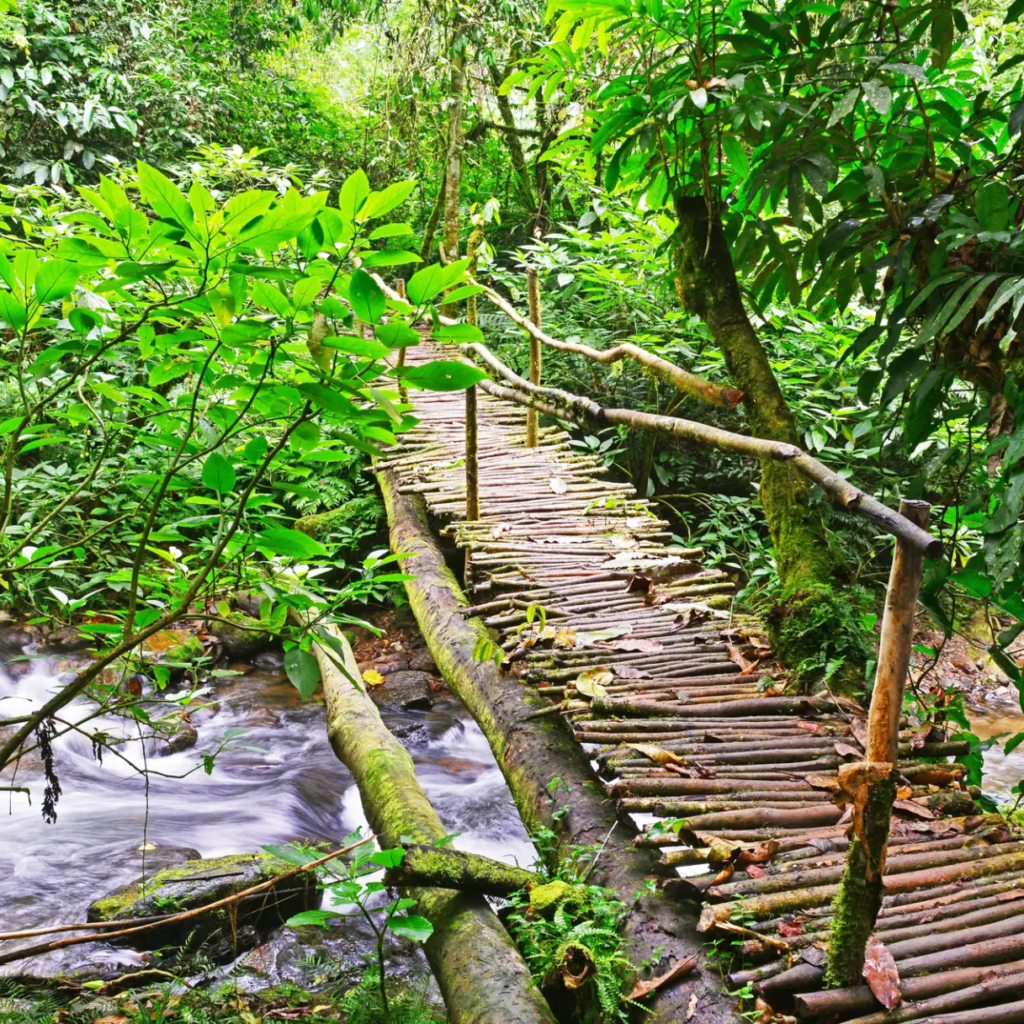
Fitness matters, but you do not need to be an athlete. Treks are graded in difficulty, and we ask for the family that matches how you walk. If a long, steep trek worries you, ask for an easier family, hire a porter and take your time. Porters carry bags and give a steady arm on slopes, and the fee supports local households. Tip your porter and your rangers.
Expect mud, a sweat, and the unexpected. Gorillas move, and the walk can be longer than planned. Our guides bring a spare dry set of socks in the vehicle, and lodges offer laundry and a hot meal when you return. Most trekkers say the effort is forgotten the moment they see the first gorilla.
How Offmap plans a gorilla trek
We start with your dates, your fitness and how much of Uganda you want to see. Then we secure permits first, because they are the limiting factor, and build the rest of the route around them. Lodges, drivers and flights follow. We can combine gorillas with chimpanzees in Kibale, tree-climbing lions in Queen Elizabeth or the Nile at Murchison Falls.
If you would like to see how this works in practice, tell us what you hope to see and when you hope to travel through our Plan My Safari page. You can also message us on WhatsApp at +256 701 243 304, and we will reply with suggested routes and the permit dates that are open.
Frequently asked questions
How long do you spend with the gorillas on a trek?
You spend one hour with the gorilla family once you find them. The walk to reach them can take anything from thirty minutes to six hours, depending on where the family spent the night. Rangers keep time and will lead the group away when the hour ends.
How fit do I need to be for gorilla trekking in Uganda?
You need to be able to walk for several hours on steep, muddy ground, with rests. Rangers assign families by difficulty so you can ask for an easier trek. Hiring a porter helps with bags and balance. Most people of reasonable health manage the trek successfully.
Can children go gorilla trekking in Uganda?
The minimum age is fifteen, with no exceptions. This protects the gorillas from infection and ensures walkers can manage the terrain. Younger family members can stay at the lodge or enjoy other activities such as a nature walk or a community visit while older relatives trek.
Do I need to book gorilla permits in advance?
Yes. Permits are limited to eight visitors per family per day and sell out in the dry months, especially July, August and December. Book several months ahead. Permits are non-refundable once paid. Confirm your dates carefully before you buy.
Is it safe to trek gorillas in Uganda?
Yes. Armed rangers walk with every group, and gorillas are habituated to human presence. Follow the briefing, keep your distance and never run if a gorilla approaches. Stay still, look down and let the ranger guide you. Incidents are very rare.
Plan a safari that includes Bwindi Impenetrable National Park
Our team plans private, tailor-made safaris, so we can build a trip around Bwindi Impenetrable National Park and adjust the days, lodges and pace to suit you.