
Who are the Ik?
- Where: in small clan villages around Mount Morungole in Kaabong District, high on the mountain’s slopes.
- How many: estimates vary, from fewer than 10,000 to around 15,000 people.
- Name: Ik is said to mean “head of migration”, and tradition holds that they were among the earliest people to settle this part of the region.
- Language: Ik, a member of the Kuliak group of languages, which is very different from the languages of their neighbours.
- Way of life: today mostly subsistence farmers, keeping goats and chickens and producing honey.
History
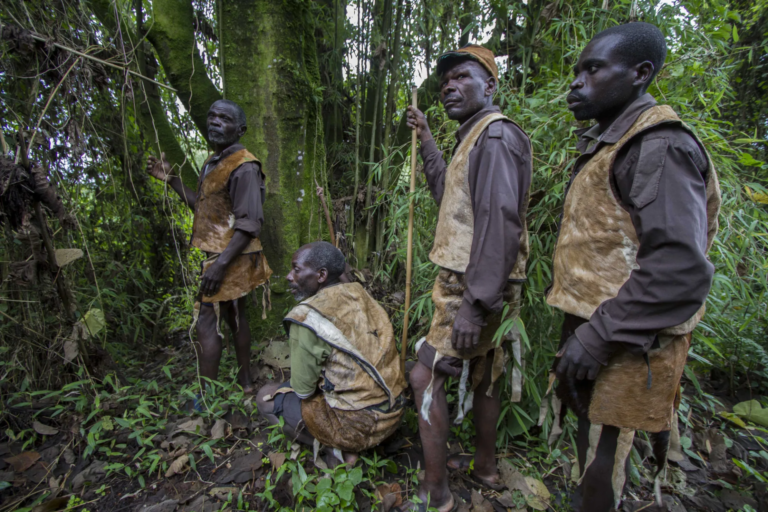
The Ik were traditionally hunters and gatherers, roaming the Kidepo valley. When the valley was set aside as a wildlife reserve in the colonial era and later as a national park, they were displaced from their hunting grounds and moved higher into the Morungole Mountains, where farming was harder. They suffered severe hardship and were vulnerable to raids by neighbouring pastoral peoples, which is one reason they turned from cattle to goats, beekeeping and terrace farming.
In 1972 the anthropologist Colin Turnbull published The Mountain People, a book about the Ik during a time of famine. It portrayed them harshly, and it has been strongly disputed by other researchers since. Many Ik feel that it misrepresented them. We ask visitors to leave that portrayal behind, and to meet the people as hosts.
Homes and customs
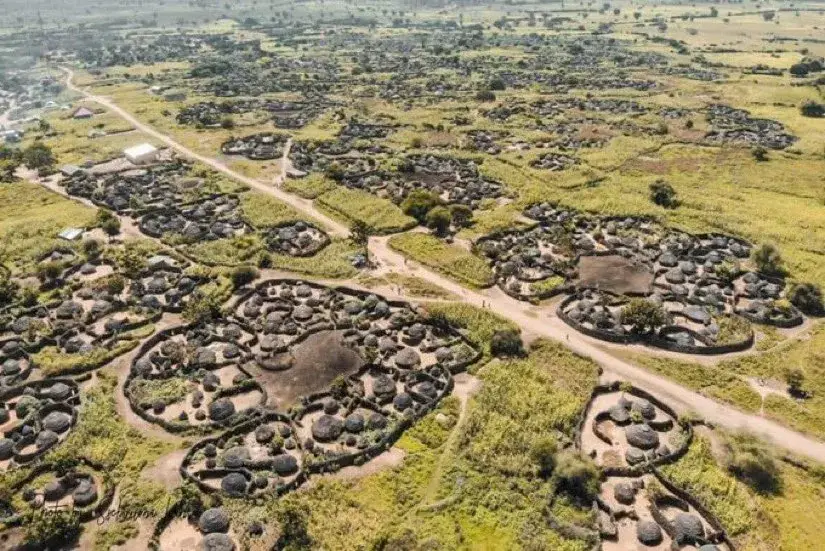
Ik villages are built as clusters of walled homesteads called odoks, each divided into household compounds called asaks, with granaries and a courtyard. Bridewealth is traditionally paid in goats, chickens, beehives or money, rather than cattle. Children are often raised in peer groups or by grandmothers. Honey is an important product and a source of income.
Visiting the Ik
- The hike: the route from the lower slopes to the Ik villages is steep and takes several hours. Fitness and sturdy footwear are needed. Some visits include a night on the mountain.
- Guides: local guides and community representatives manage visits. This is essential, both for respect and for direction.
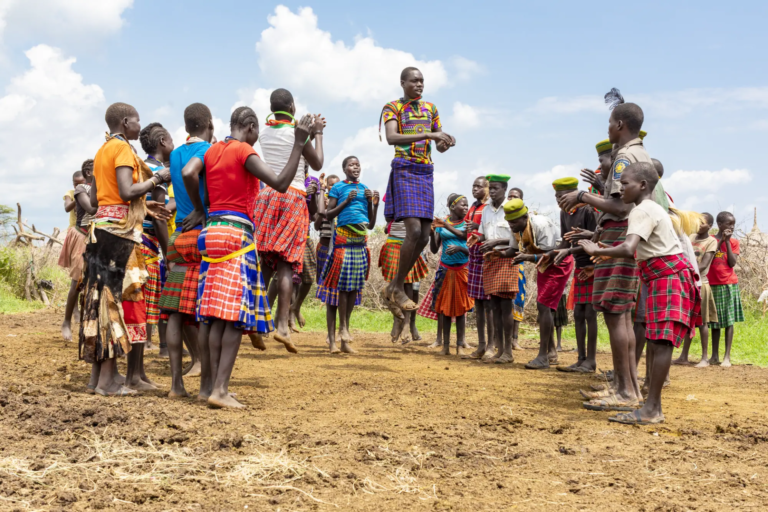
- What you do: meet families, see homes and gardens, learn how honey is collected, join a meal and hear stories. Cultural performances may be offered.
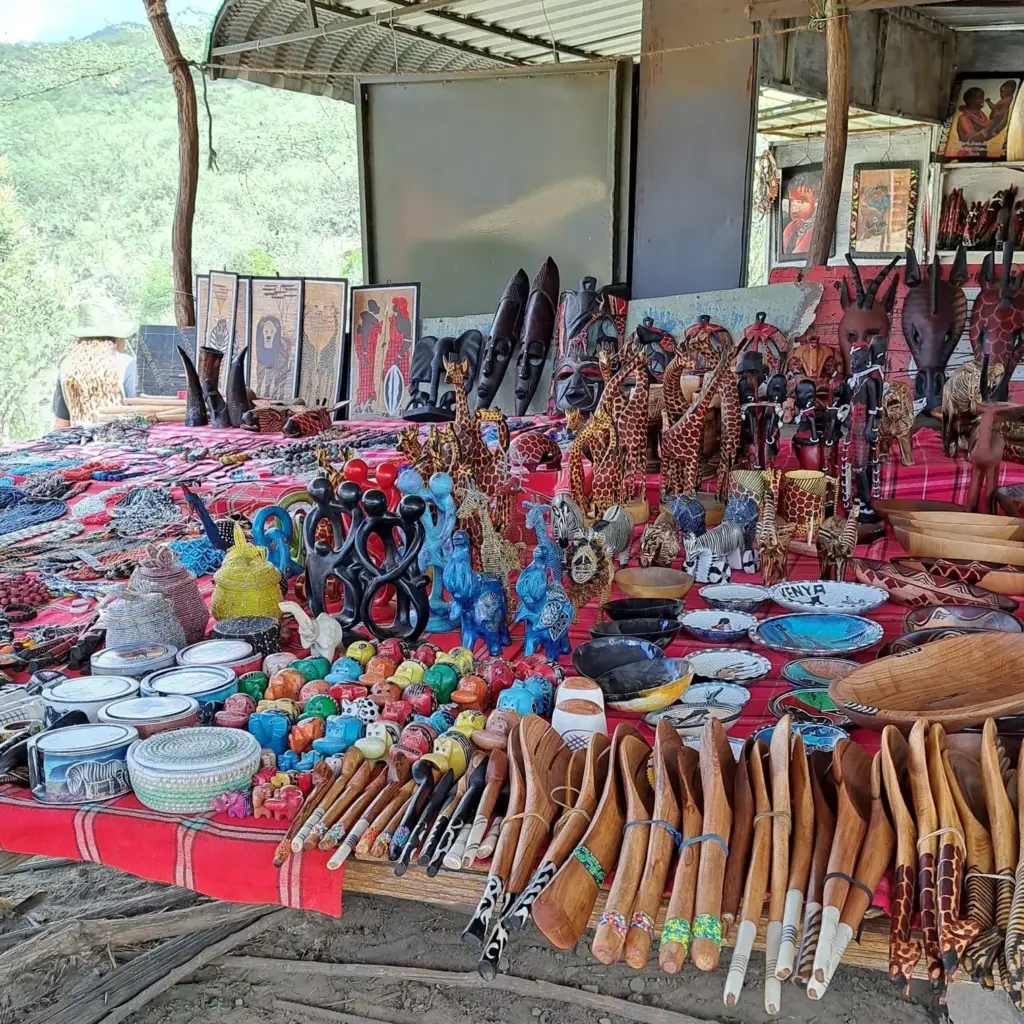
- Behaviour: ask before photographing anyone, agree fees in advance so that the money goes to the community, listen more than you ask and avoid giving gifts or sweets, especially to children. Ask your guide how you can help, and consider buying honey and crafts directly.
Please read our Responsible Travel page.
Combining the Ik with other places
- Kidepo Valley National Park below the mountains: lions, elephants, buffalo and huge plains. See our page on the park.
- Kaabong and Kotido: Dodoth and Jie culture. See our pages on both.
- Mount Moroto: another Karamoja mountain hike.
Practical information
- Getting there: a long way to Kidepo and Kaabong; allow several days from Kampala, or fly to Kidepo.
- Best time: the drier months, roughly November to March.
- Safety and health: conditions in remote border areas can change so we check current advice and use local guides. See our Health & Safety page for heat, altitude and malaria advice.
Meet the Ik with Offmap Safaris
We include an Ik visit in Kidepo and Karamoja routes for travellers who are fit and interested in cultural exchange. Plan your safari, message us on WhatsApp +256 701 243 304 or email [email protected].
Plan a safari that includes The Ik People
Our team plans private, tailor-made safaris, so we can build a trip around The Ik People and adjust the days, lodges and pace to suit you.