How long a safari should run depends far more on what you want to fit in than any fixed rule; a focused gorilla trek can work in under a week, while a multi-country itinerary combining several parks and experiences comfortably fills two weeks or more.
4 to 5 days
This window suits a single, focused experience: gorilla trekking in Uganda or Rwanda, or a short wildlife safari in one park. It’s tight enough that travel days matter, so this format works best when flying directly into the relevant country and back out again, rather than trying to combine destinations.
7 to 10 days
The most common safari length, and usually the most comfortable: enough time to properly cover one country’s highlights, or combine two experiences within it (gorilla trekking plus a savannah park, for instance), without the trip feeling rushed or requiring back-to-back travel days throughout.
12 to 14 days
This length comfortably supports a genuine multi-country itinerary (Rwanda’s gorillas paired with a Kenya or Tanzania wildlife safari, for example) or a single-country trip extended with real depth: multiple parks, a cultural stop, and unhurried time at each rather than a fast-moving checklist.
2 to 3 weeks or more
At this length, a trip can genuinely span three or four countries, add a dedicated beach stretch in Zanzibar, and still leave room to slow down rather than pack every day; the right choice for travellers who see this as a once-in-a-while trip worth doing properly rather than squeezing into a shorter window.
What actually drives the right length
Gorilla permit availability, how many countries and parks you want to include, and how much unhurried time you want at each stop matter more than any general rule about ideal safari length. Tell us what you want to experience and how much time you genuinely have, and we’ll shape a realistic itinerary around it, including telling you honestly if a plan is too ambitious for the time available, rather than cramming it in regardless.
Choosing by interest
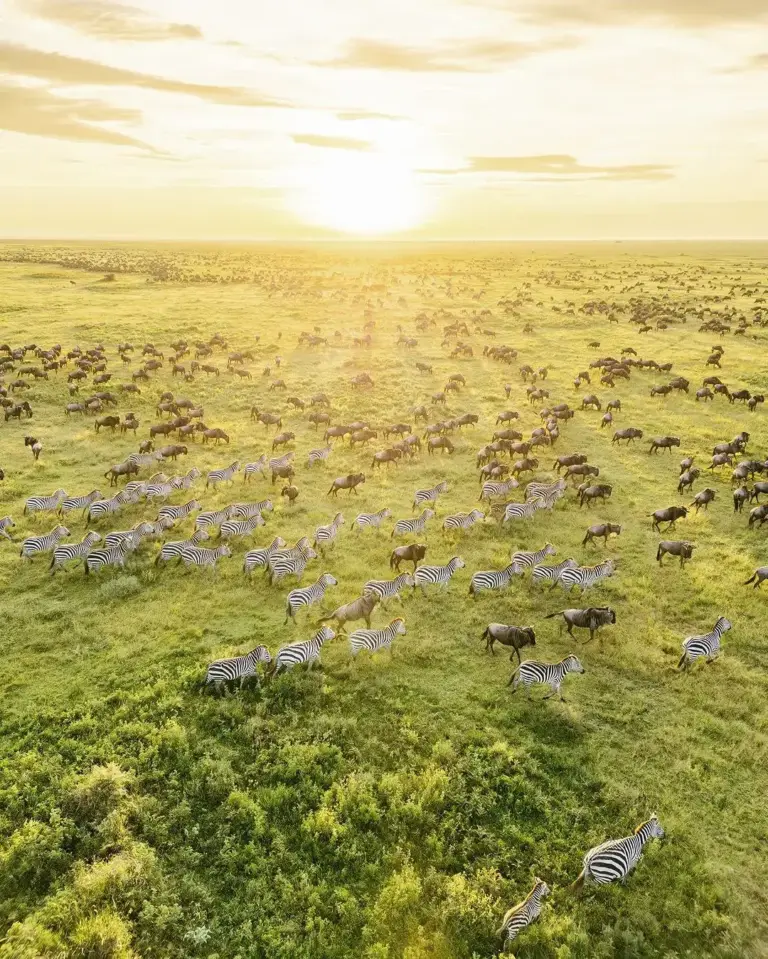
If gorillas are your priority, five to seven days works for one country, and ten to twelve days adds chimpanzees and a savanna park. If the migration is your priority, plan seven to ten days across the Mara or Serengeti. If you want a mix, ten to fourteen days across two countries is comfortable. Read our gorilla tours, Great Migration page and multi-country safaris pages.
Examples by length
Four days: a fly-in Uganda gorilla trek or a Kigali and Volcanoes trip. Seven days: Rwanda gorillas and chimpanzees, or the Mara and Amboseli. Ten days: Uganda's major parks, or Tanzania's northern circuit. Twelve to fourteen days: a two-country route such as Kenya and Rwanda or Uganda and Rwanda. Sixteen days or more: three countries plus Zanzibar.
Travel days and buffers
Every flight or border adds half a day or more. Light aircraft save time but have baggage limits. Gorilla and chimpanzee permits are fixed dates, so we add buffer nights before them. We also recommend a rest day after a gorilla trek. Rushing is the most common mistake in safari planning, and we tell you honestly when a route is too tight.
Seasons and length
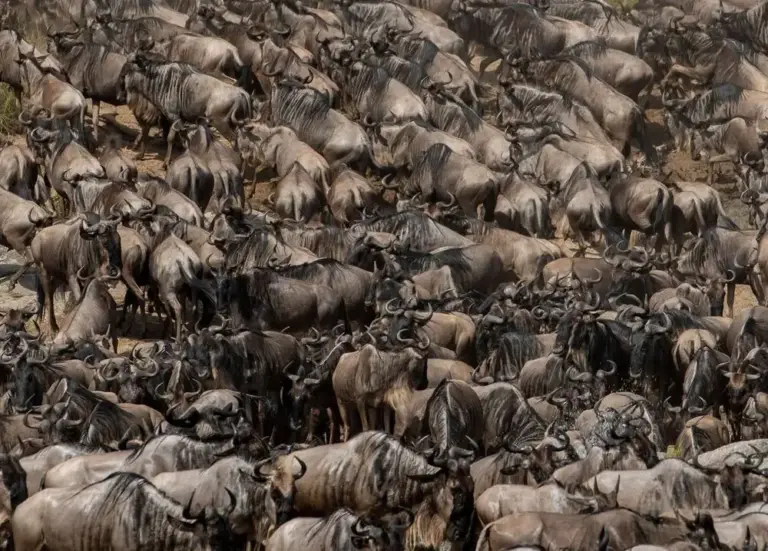
In the dry months you can see more per day, but lodges are busier. In the green months, roads can be slower and some camps close, so we add buffer time. The migration in the Mara and Serengeti needs at least three nights in one area to catch a crossing. Read our Mara river crossings guide.
Length and budget
Fewer nights at higher quality often suits better than more nights at lower quality, because park fees and permits are fixed costs. Add days where the experience deepens, such as a second night at a gorilla lodge or an extra day in the Serengeti. Read our safari budgets guide.
Short safaris: what is possible
A three or four day safari works when you are short of time and your priority is one experience. Examples include a gorilla trek from Kigali, a Mara fly-in from Nairobi, or a Tarangire and Ngorongoro loop from Arusha. You will see a lot, but you will not have time to adjust to the pace, so book fixed-date permits with a buffer night.
Long safaris: how to avoid fatigue
Safaris of two weeks or more can tire even keen travellers because of early starts and long drives. Build in rest days at lodges with pools, mix drives with walks and boat trips, and avoid switching lodges every night. A two or three night stay in each place is a good rhythm. Fly between regions where roads are long.
Gorilla and chimpanzee permit dates
Permits are tied to a date and a sector, so the length of the trip must fit them. Arrive at least a day early, and avoid a flight on the evening of your trek. Our gorilla permits page and chimpanzee permits page explain the rules, and permits are non-refundable.
How we advise on length
We start from your priorities, then count drive hours, flights, permit dates and rest days. Where the total falls short of what you want to see, we propose either more days or a smaller route, and we show both. Read our multi-country trips page and combined safaris page for longer routes.
Matching length to the season
In the migration months, add days, since rivers and herds move and sightings need patience. In the green season, add buffer days for roads and weather. For gorillas, the season matters less, though the trails are drier from June to September and December to February. See our Mara river crossings page.
Jet lag and arrival
Most flights from Europe and North America arrive at night or early morning. A rest day on arrival helps you adjust before long drives. From the UK and USA see our safari from the UK and safari from the USA pages.
Traveller types and length
Families benefit from shorter drives and more nights per place. Honeymooners prefer fewer moves. Seniors prefer slower pacing. Solo travellers can join shared departures. See our family safaris, honeymoon safaris and senior-friendly safaris pages.