
Kampala: hills, markets and a living kingdom
Built across seven hills, Kampala is Uganda’s largest city and the seat of the Buganda Kingdom, whose royal sites sit within the modern capital rather than outside it. A city tour typically combines the Kasubi Tombs, the Uganda Museum’s ethnographic collections, Old Kampala’s mosque with its hilltop views, and a walk through the Owino or Nakasero markets, where produce, fabric and secondhand goods are traded at a scale that takes visitors by surprise. Traffic is heavy so a half-day is usually enough to see the highlights without exhausting the visit.
Kigali: Africa’s tidiest capital
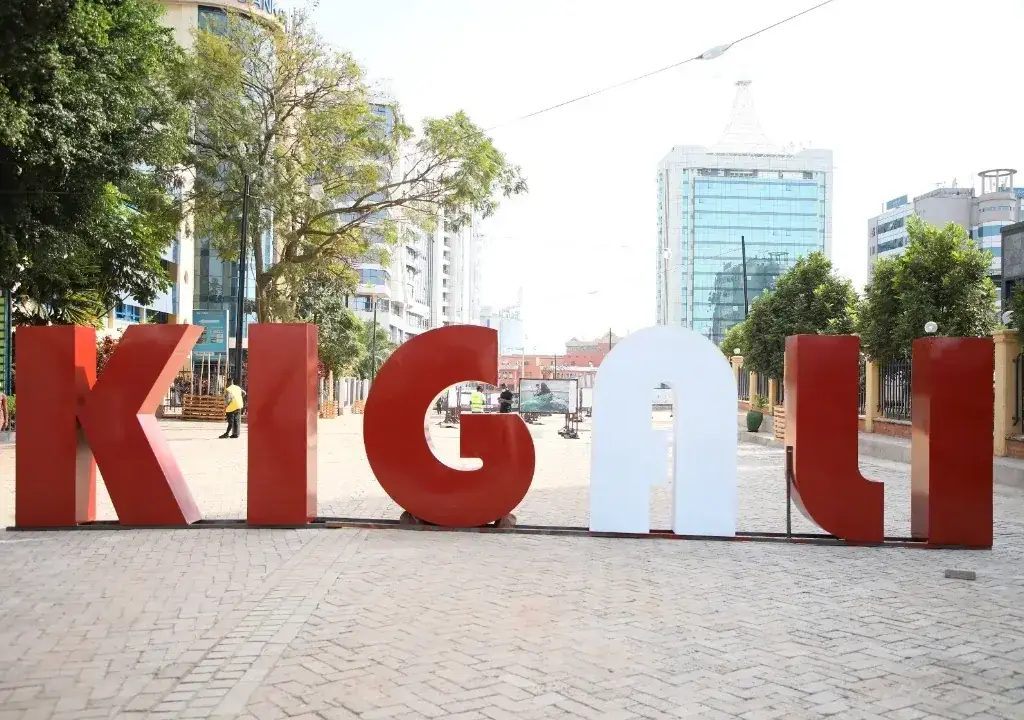
Rwanda’s capital is frequently described as one of the continent’s cleanest and best-organised cities, the result of deliberate government policy including a monthly community clean-up morning, Umuganda, that residents and visitors alike are expected to respect. A Kigali city tour usually includes the Kigali Genocide Memorial as its most significant stop, alongside the city’s contemporary art scene, its hillside neighbourhoods, and craft markets such as Caplaki. Many visitors are struck by how different Kigali feels from the recent history it commemorates.
Nairobi: Africa’s Green City in the Sun
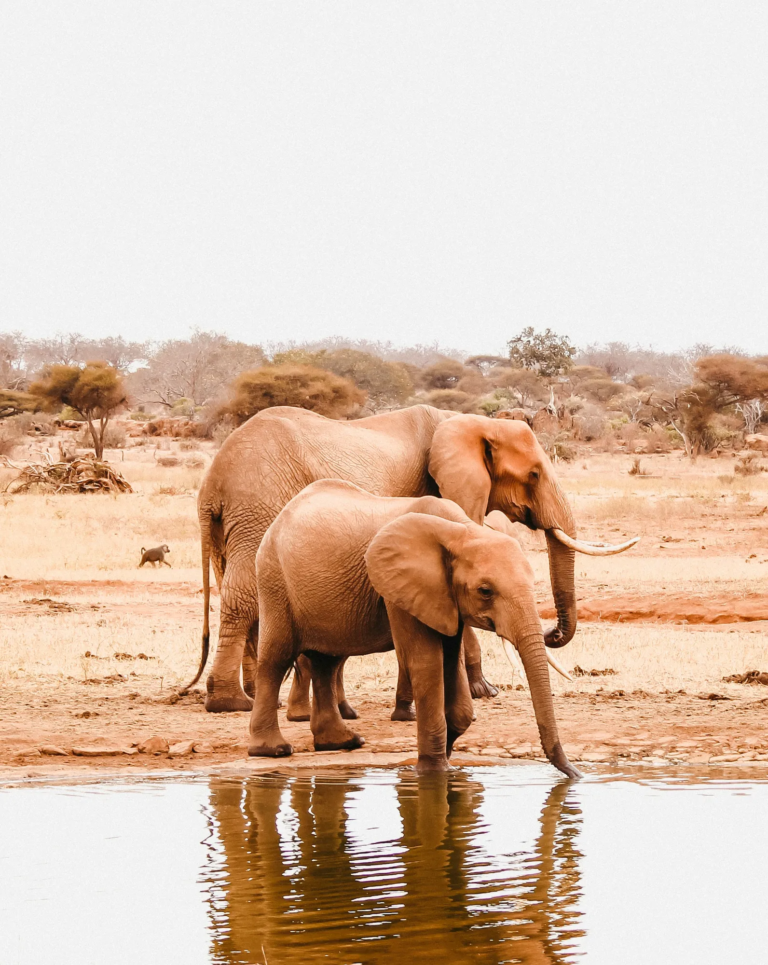
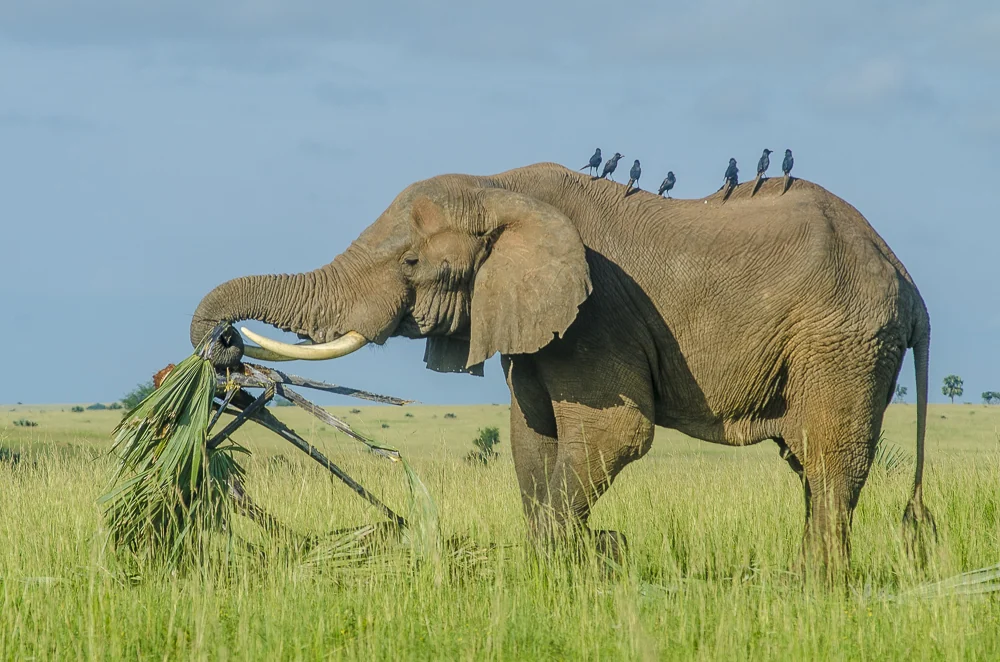
Kenya’s capital combines a modern skyline with genuine wildlife on its doorstep: Nairobi National Park sits within sight of the city’s office towers, and the David Sheldrick Wildlife Trust‘s orphaned elephant nursery is a short drive from the centre. A city tour typically pairs one or both of these with the Nairobi National Museum, the Karen Blixen Museum in the leafy suburb that shares her name, and a look at the informal economy of Nairobi’s markets and matatu culture.
Coastal and northern gateway cities
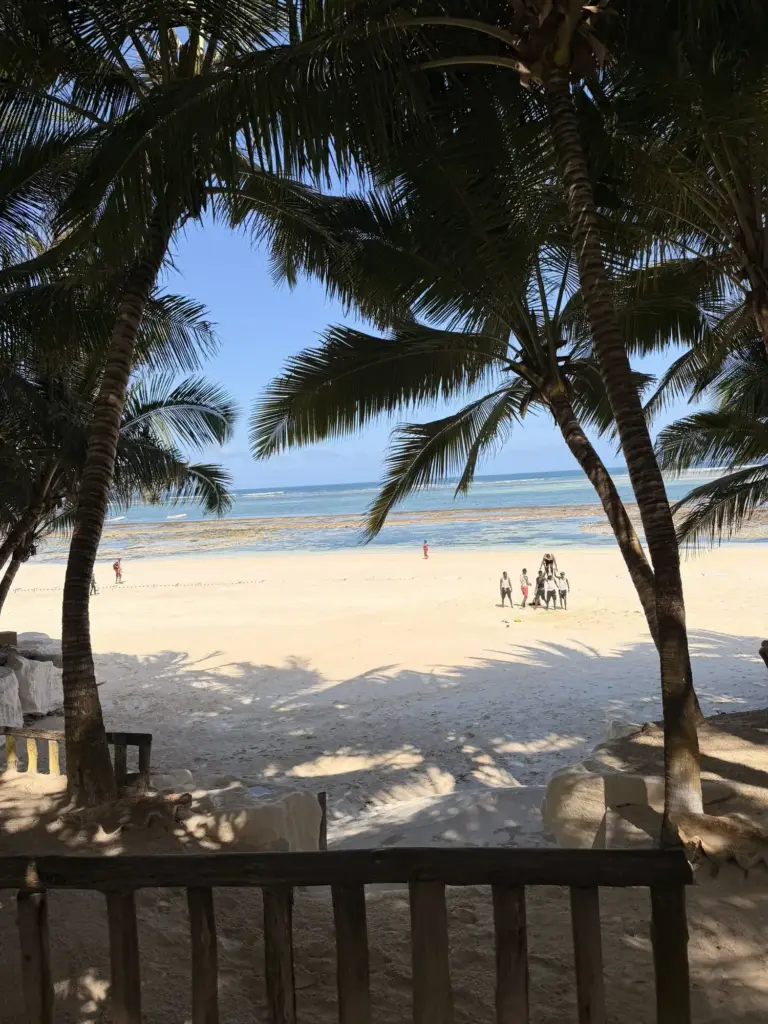
Mombasa, Kenya’s oldest city and its main port, wears its Swahili, Arab, Portuguese and British layers openly, especially around Mombasa Old Town and Fort Jesus. On Tanzania’s coast, Dar es Salaam functions mainly as a transit hub for Zanzibar and southern safari circuits, though its fish market and busy harbour reward an unhurried half-day for travellers with time to spare.
Northern Tanzania’s safari gateways
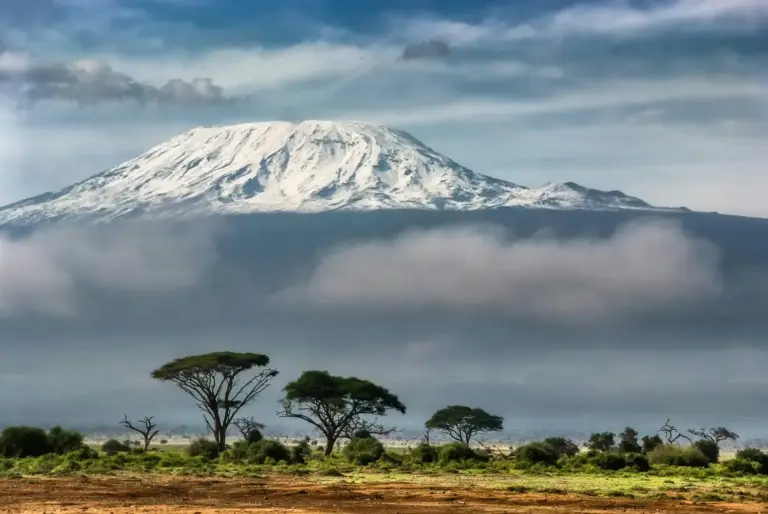
Arusha, headquarters of the East African Community and gateway to the northern safari circuit, has a compact centre built around its clock tower roundabout, along with a busy Maasai market. Moshi, at the foot of Kilimanjaro, built its identity on Arabica coffee since the 1890s and makes an easy stop before or after a climb, with plantation walks available on its outskirts.
Lakeside and island cities
Away from the main capitals, Entebbe on Lake Victoria’s shore offers a gentler, greener alternative to Kampala’s density, with the Uganda Wildlife Education Centre and botanical gardens both within easy reach of the airport, making it a natural first or last stop for international arrivals. Mwanza, Tanzania’s self-styled Rock City on Lake Victoria’s southern shore, is built around striking granite boulder outcrops that give the city a distinctive skyline unlike anywhere else on the lake, and serves as the main gateway for travellers heading into western Serengeti or Rubondo Island.
What a city tour involves
Most city tours run three to five hours with a local guide and driver, moving between two or three stops by vehicle with time on foot at markets and historic quarters. A tour usually blends one cultural or historic site, one market or everyday-life stop, and, where relevant, a wildlife or nature element unique to that city, such as Nairobi’s national park or Kampala’s wetland edges. Comfortable walking shoes matter more than any specific fitness level, since most walking is on paved or well-trodden ground.
Zanzibar’s Stone Town
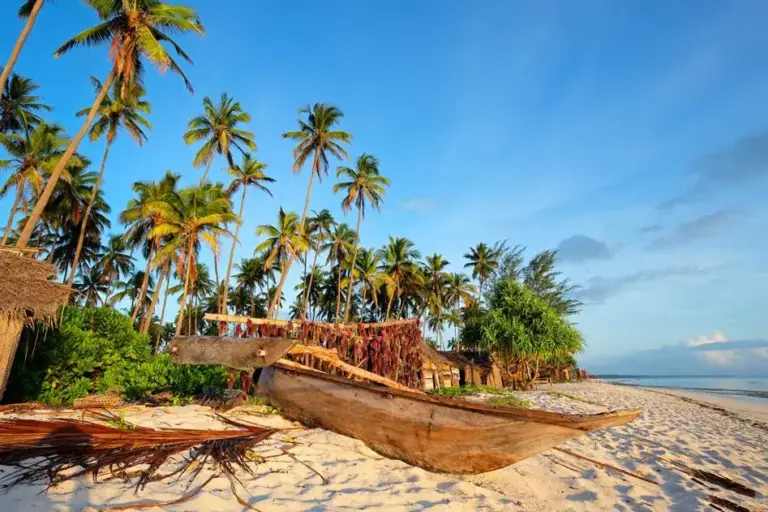
Zanzibar Stone Town deserves a category of its own: a UNESCO-listed old quarter of narrow coral-stone lanes, ornately carved wooden doors and a layered Swahili, Arab, Persian and Indian history, usually combined with a spice tour on the island’s outskirts. Unlike the mainland capitals, Stone Town is explored almost entirely on foot, since its alleys are too narrow for most vehicles, and a local guide is useful for navigation as much as history, given how easily its lanes turn back on themselves.
Why add a city tour to a safari
Game drives and forest walks show East Africa’s wildlife; a city tour shows its people, food and everyday rhythm, which can otherwise be missed entirely on a safari built around parks and lodges. It is also simply practical: an arrival or departure day in a capital is often unavoidable, and a guided half-day makes better use of that time than a hotel room.
Practical notes
- Best added to an arrival or departure day already built into the itinerary, rather than a dedicated extra day
- A local guide is worthwhile for market etiquette, safe navigation and historical context that a self-guided walk would miss
- Photography at markets is usually welcome with a friendly request first; some memorial and religious sites restrict it
- Traffic in Kampala and Nairobi can be heavy at peak hours so timing a tour around the middle of the day often works best
Choosing the right length
A city tour can be as short as three hours or as long as a full day, and the best length depends on your energy. After an overnight flight, a short tour with a lunch stop is ideal. On a rest day in the middle of a safari, a full day lets you see markets, museums and neighbourhoods at an easy pace. We can combine a tour with a cooking class or a craft workshop to make the time more memorable.
Getting around
Traffic in East African capitals can be heavy so we plan routes to avoid peak hours where we can. A private vehicle with a driver guide is the most comfortable way to travel, and in some places walking, a boda boda ride or a short boat trip adds variety. Your guide will advise on where it is easy to walk, where to keep valuables out of sight and which areas are best saved for daylight.
Planning your city tour
Tell us which cities fall on your route and how much time you have between flights or safari days, and we will build a tour that fits naturally around your itinerary rather than competing with it.