

The rapids
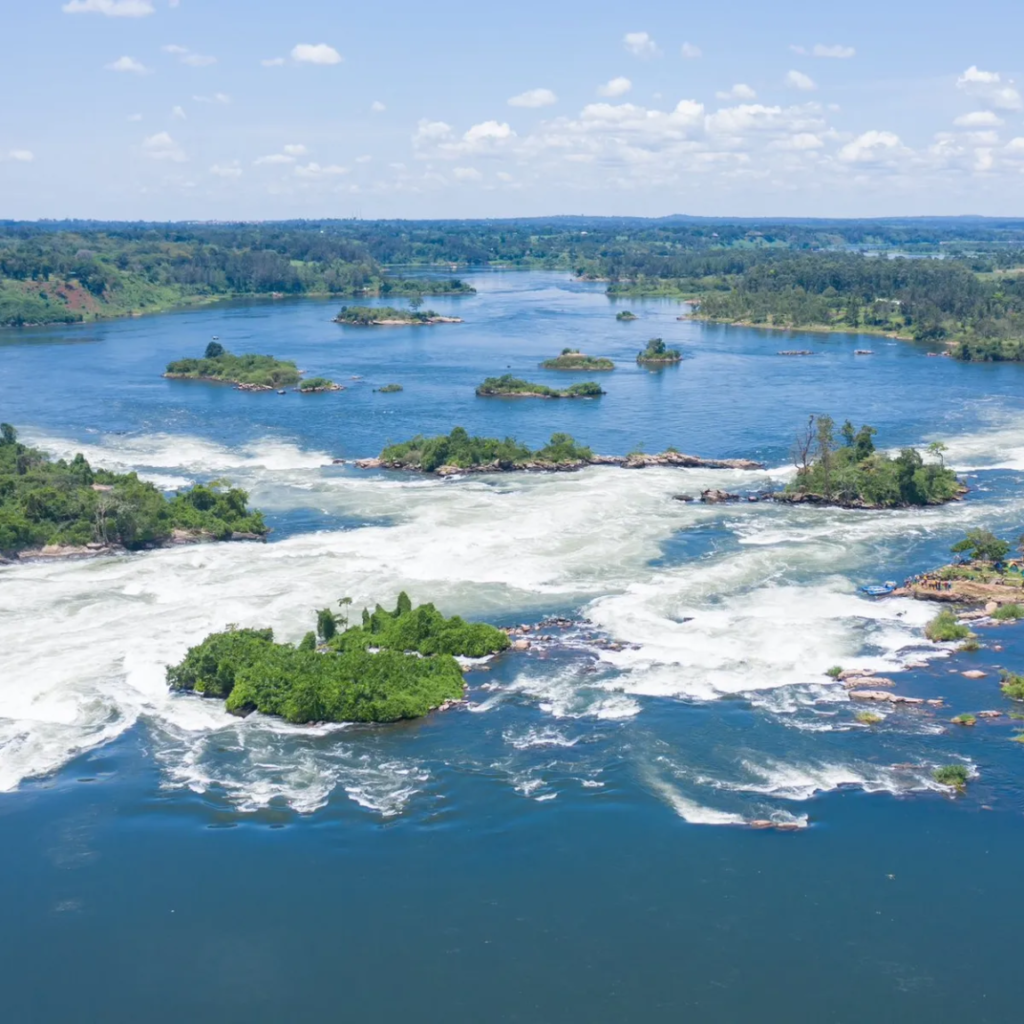
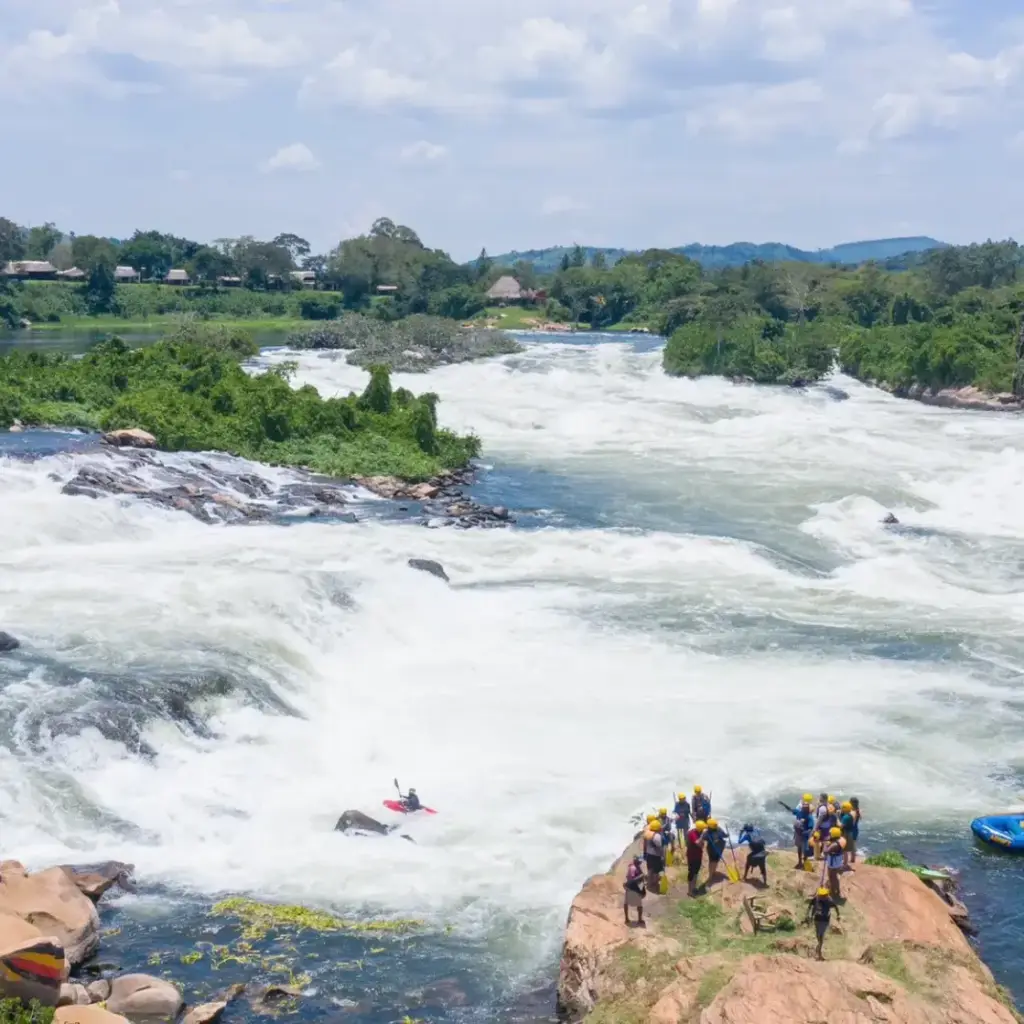
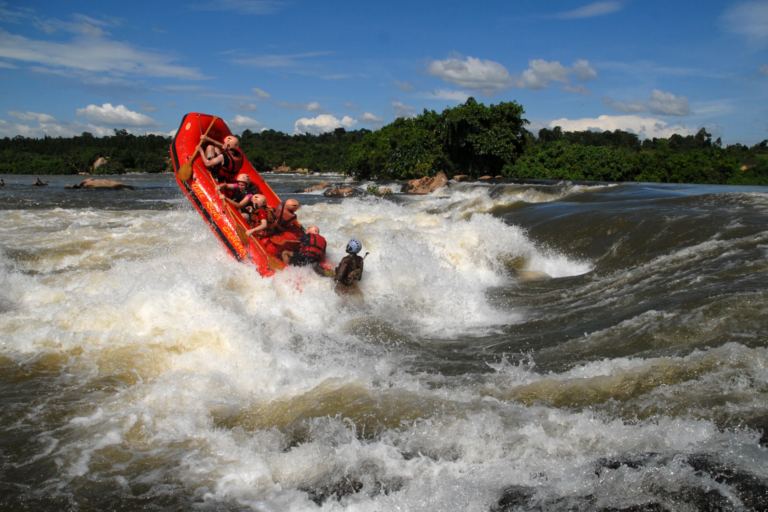
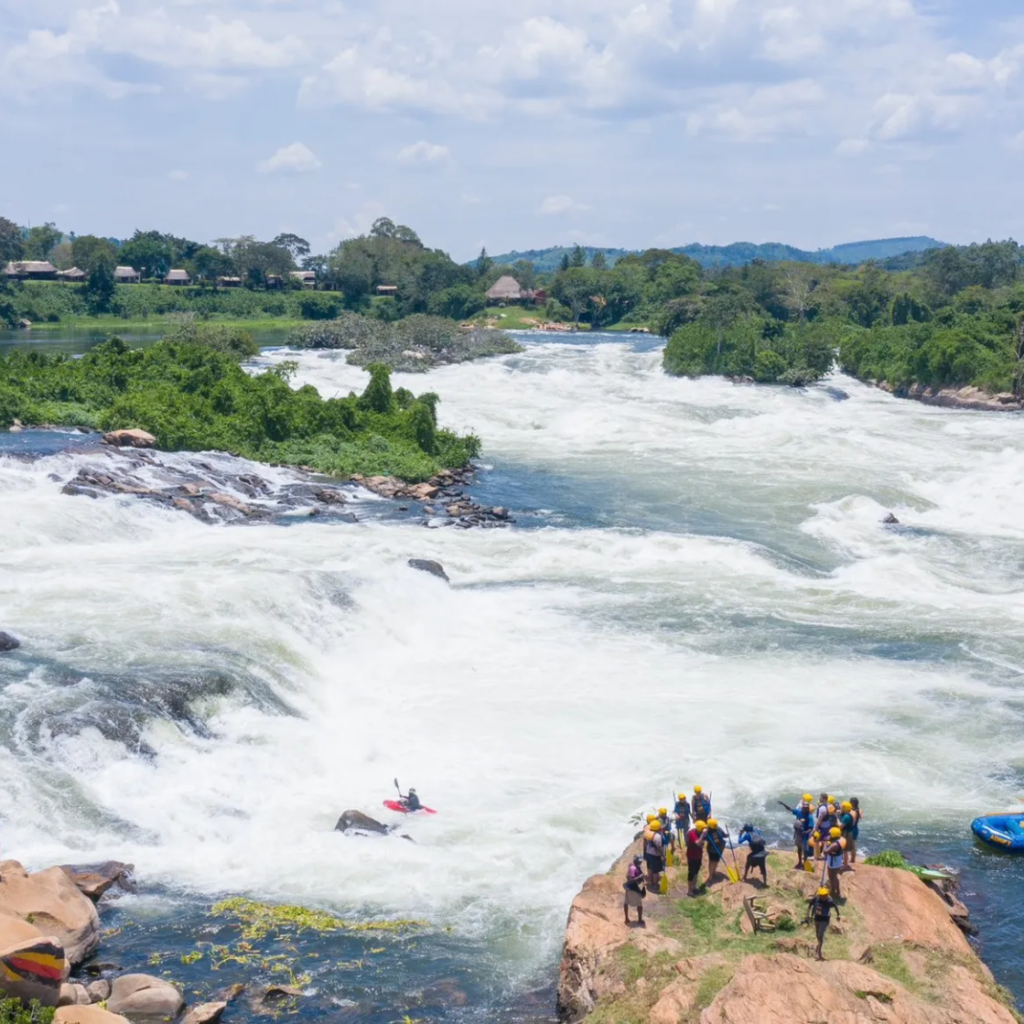
A typical full-day rafting run covers roughly 19 kilometres of river below Bujagali Falls, threading through a series of named rapids that range from gentle grade 2 warm-ups to serious grade 4 and 5 whitewater, including sections such as Overtime and Vengeance that demand genuine paddling teamwork and a properly briefed crew. Itanda Falls itself is too dangerous to run and is portaged around by raft and paddler alike, a reminder that this stretch of the Nile is treated with real respect rather than as a theme-park ride. Our Nile White-Water Rafting page covers the river itself and its rapids in more detail.
Choosing your difficulty level
Most operators offer two versions of the same stretch: a full grade 5 run for participants seeking the maximum whitewater experience, and a grade 3 version that removes or downgrades the most serious rapids for a still-exciting but noticeably gentler day. Minimum ages typically apply, commonly around 14 for the grade 3 run and 16 for the full grade 5 run, and operators generally expect participants to be reasonably fit swimmers in good general health rather than requiring prior rafting experience.
How a rafting day works
The day begins with a safety briefing covering paddle commands, what to do if thrown from the raft, and how to handle a flip, since even experienced crews occasionally capsize on the bigger rapids. Safety kayakers and a support raft accompany each group down the river, positioned to reach swimmers quickly in the event of a flip. Lunch is usually taken on a riverbank partway through the run, and the full day, from briefing to take-out, typically runs six to seven hours including transport to and from Jinja.
Family float outings and non-rafters
Travellers whose group includes younger children or anyone unwilling to run rapids at all are not necessarily excluded from time on the river. Several operators run a separate, gentle float outing on calmer water nearby, giving non-rafters a way to experience the Nile’s scenery and birdlife without any whitewater involved, while the rest of the group takes on the full rafting day.
Kalagala Falls and other Nile activities
The same stretch of river beneath Jinja that hosts rafting also hosts bungee jumping at Kalagala Falls, kayaking, quad biking and gentler boat cruises, so a multi-day stay in the area rarely runs out of water-based options. Many visitors split a longer stay between a full rafting day and a slower activity, such as a sunset boat cruise or a day of quad biking through nearby villages, rather than rafting on consecutive days.
Safety and what to bring
- Life jackets and helmets are provided and mandatory throughout the run
- Closed-toe river shoes or sandals with a back strap are strongly recommended over flip-flops
- Waterproof sunscreen and a hat for the sections between rapids matter more than most rafters expect
- Contact lenses can be lost in a flip; glasses wearers should consider a secure strap
- Reputable operators carry appropriate insurance and safety certification; confirming this before booking is worthwhile
Why Jinja rates among the world’s rafting destinations
Few rivers combine this volume of water with this density of named, runnable rapids in a single day’s outing, which is part of why Jinja established itself internationally as a rafting destination almost as soon as the activity began operating commercially here. The Nile’s sheer scale at this point, still carrying the outflow of the largest tropical lake in the world, gives even its grade 2 sections a pace and power that would count as serious whitewater on a smaller river elsewhere.
Best time to raft
Rafting runs year-round, though water levels and the exact character of individual rapids shift with the season and with upstream dam management on the Nile. Operators adjust their routes to current water levels rather than running a fixed course regardless of conditions, so the specific rapids run on any given day can vary.
Photography and video
Most operators station a photographer at the biggest rapids and offer photo and video packages afterward, since bringing a personal camera on the raft itself is impractical and risky given the likelihood of a flip on the harder sections. These packages are a popular way to keep a record of the day without risking equipment, and many rafters buy them purely for the shots of their own raft mid-flip on one of the larger rapids.
Before you go: preparing for the river
Rafting needs no experience, but a little preparation helps. Practice swimming in a pool if you are not a regular swimmer and bring a swimsuit, a quick drying top and shoes that stay on. Contact lens wearers should bring a strap for glasses. Tell your guide about any health conditions at the briefing.
A good breakfast, water and sunscreen set you up. Leave valuables at the base.
What the guide asks of you
Your guide teaches a handful of commands: paddle forward, back paddle, get down and hold on. They also show how to float feet first on your back if you fall out, which is the safe way through a rapid. Listening to the briefing makes the difference between a great day and a stressful one.
Safety kayakers and a rescue raft travel with every group, and the team counts everyone at every stop.
Planning your rafting day
Tell us your comfort level with whitewater and any swimming concerns, and we will match you with a reputable operator and the right difficulty level, building a rafting day into a wider Jinja stay alongside other Nile activities or a broader Uganda safari.
Photo Gallery