

What cultural experiences include
- Community visits and homestays: walking through a village, learning about farming, weaving, cooking or brewing and sharing a meal.
- Music and dance: performances by community groups, often followed by a chance to join in.
- Heritage sites and museums: royal tombs, memorials, historic towns and museums that explain the region’s past.
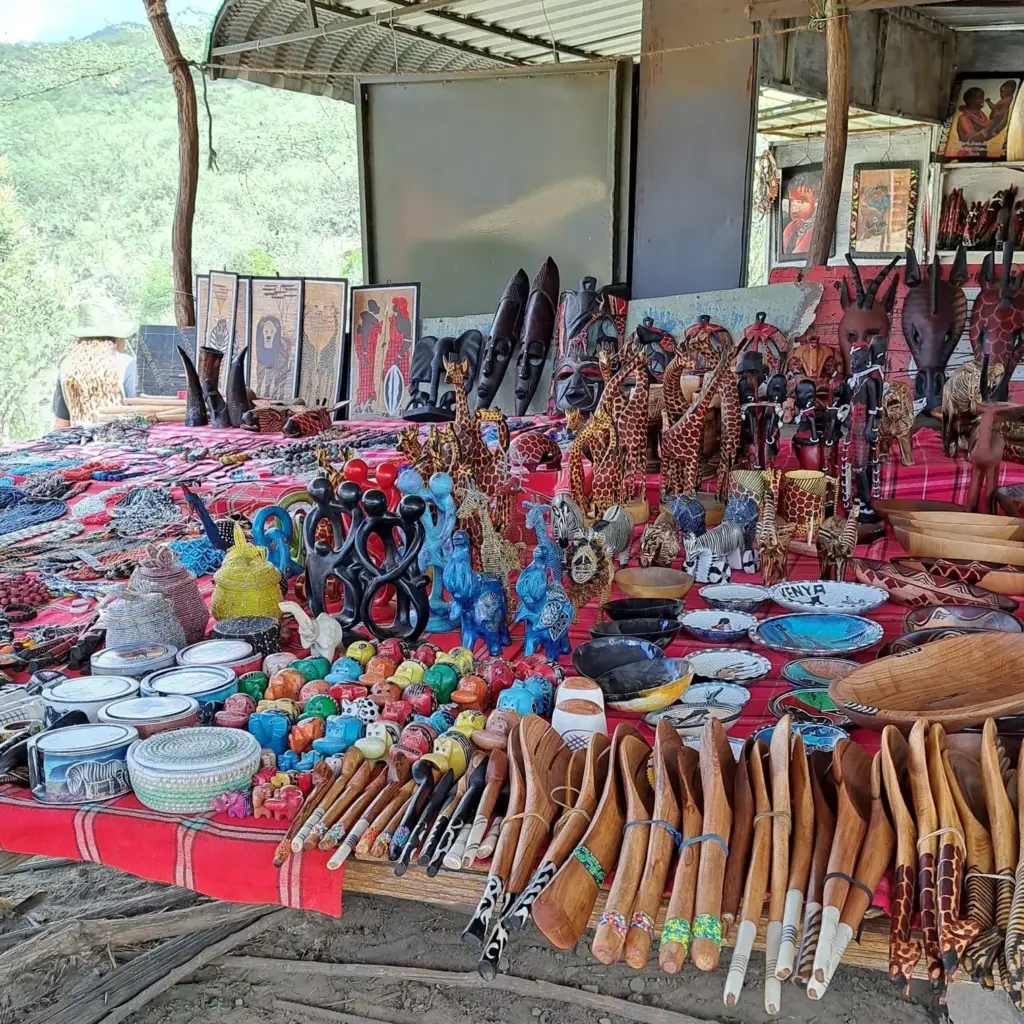
- Craft and market visits: meeting the makers of baskets, beadwork, bark cloth and pottery and buying directly from them.
- Food: local markets, cooking lessons and farm visits, from Ugandan matoke to coastal seafood curries.

Notable experiences by country
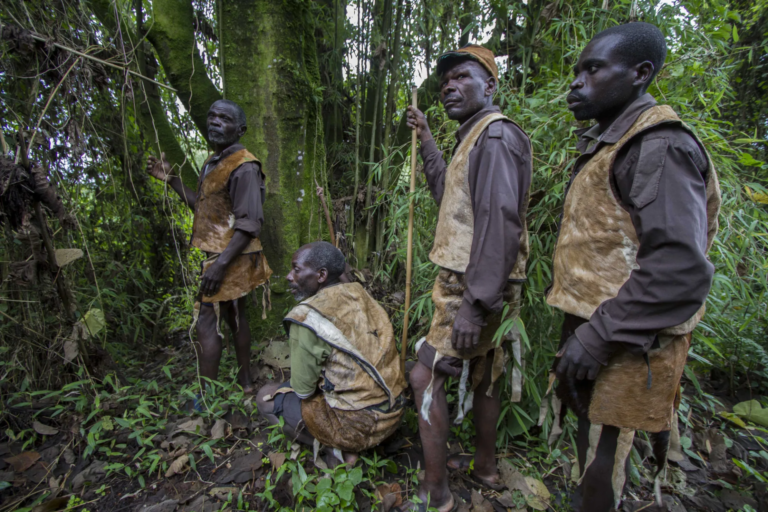
Uganda: The Batwa Cultural Experience near Bwindi and Mgahinga lets former forest-dwelling people share their knowledge of the forest, and the Bigodi Wetland community walk near Kibale supports local development. In the north-east, Karamoja offers a glimpse of pastoral traditions, and Kampala has the Uganda Museum and the palaces and tombs of the Buganda Kingdom.
Rwanda: Iby’iwacu Cultural Village near Musanze presents Rwandan traditions and Intore dance, and the Kigali Genocide Memorial is a sober and essential place for understanding the country’s history and recovery.
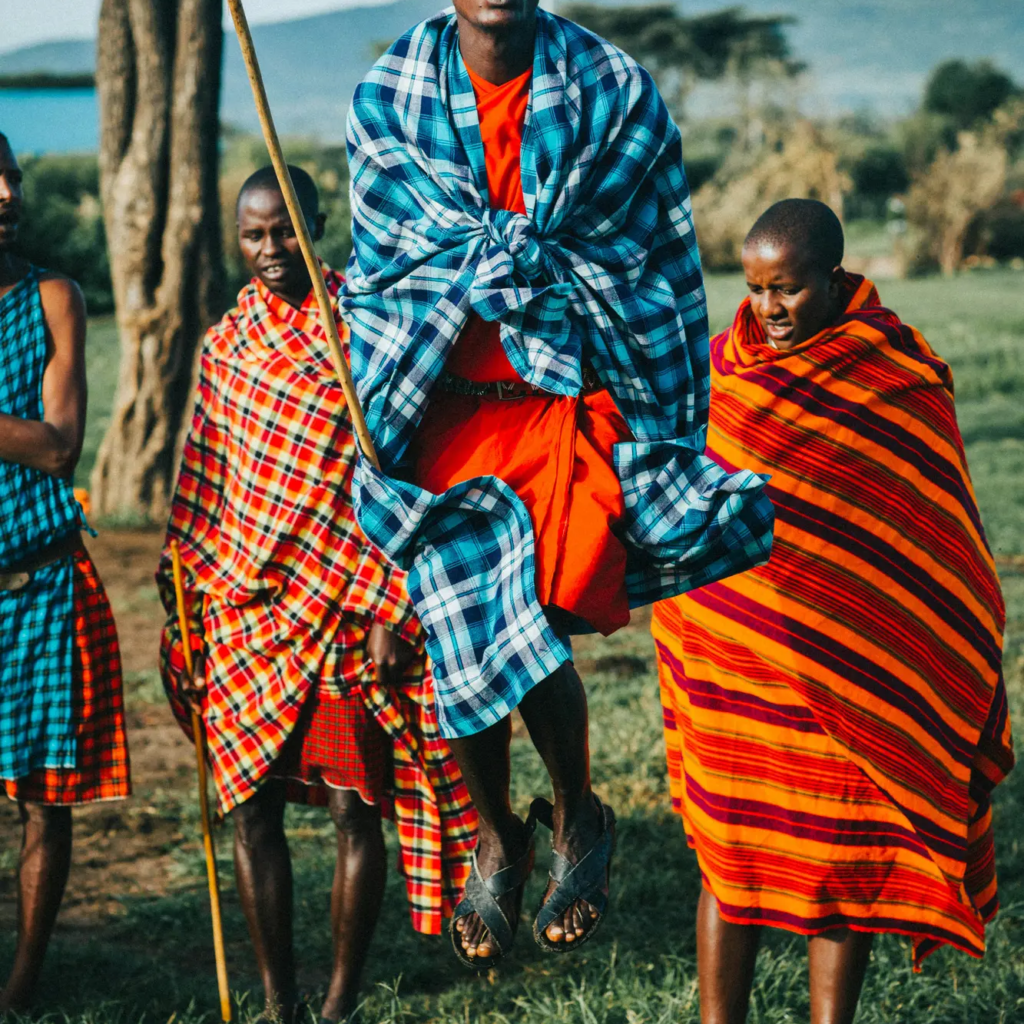
Kenya: Maasai and Samburu communities offer visits near the Maasai Mara and Samburu National Reserve while the coast has Swahili heritage in Lamu and Mombasa.
Tanzania: The Hadzabe and Datoga communities around Lake Eyasi, Maasai villages near Ngorongoro, and Stone Town in Zanzibar, a UNESCO World Heritage Site, give a wide picture of Tanzanian life.
Visiting respectfully
The best cultural experiences are led or owned by the community itself, agreed in advance and paid for openly. Ask before taking photographs of people, dress modestly in villages and at religious sites and be careful with gifts, especially to children, because giving sweets or money can encourage begging. Learning a few words in the local language goes a long way, whether it is Luganda, Kinyarwanda or Swahili. A simple greeting is often the beginning of a real conversation.
Avoiding staged experiences
Not every so-called cultural visit is worthwhile. A performance that treats people as exhibits, or a village where money vanishes into a middleman’s pocket, is worth skipping. We choose partners who are transparent about where your money goes, who share income with the wider community and who welcome questions. If something feels uncomfortable, we want to hear about it so that we can adjust.
Sensitive history
Some places, such as genocide memorials in Rwanda, carry heavy history. Visit them with time and quiet, follow the guidance on photography and allow yourself space afterwards. They are not entertainment, but many travellers find them among the most meaningful parts of a safari.
How much time to allow
A cultural visit can be as short as a two-hour village walk or as long as a night in a homestay. Most travellers add one or two cultural experiences to a wildlife safari rather than dedicating a whole safari to them, although dedicated cultural itineraries can be shaped for those who prefer them.
A closer look: the Batwa
The Batwa lived for generations as hunter-gatherers in the forests of south-western Uganda. When Bwindi and Mgahinga became national parks in 1991, they lost access to the forest that had sustained them. Today the Batwa Cultural Experience allows them to share their knowledge of medicinal plants, hunting and fire-making, and to tell their own story. Income from visits supports Batwa communities directly, which is why we recommend this kind of experience over less transparent alternatives.
Food, markets and cooking
Food is one of the easiest and most enjoyable ways into a culture. In Uganda you might try matoke, steamed green banana, with groundnut sauce, or a Rolex, an omelette rolled in chapati, from a street stall. Rwanda is known for brochettes and its coffee, Kenya for nyama choma and ugali, and Tanzania for pilau and Zanzibar’s spice-rich seafood curries. A market walk with a local cook followed by a cooking lesson is a memorable way to spend an afternoon.
Music, dance and festivals
Music is everywhere. Rwanda’s Intore dancers perform athletic, drum-driven routines, the Maasai are known for their jumping dances, and Buganda has a long tradition of royal drumming and dance. If your dates line up, festivals add colour: Zanzibar’s Sauti za Busara music festival is usually held in February, and Rwanda holds its annual gorilla-naming ceremony, Kwita Izina. We can check current dates for you.
Homestays and longer visits
A night in a homestay is a rare chance to see daily life close up: helping prepare supper, learning to draw water or dig cassava, and hearing families talk about their hopes for the future. Facilities are simple but clean, and hosts are usually keen to share. If you have a week or more to spare, a homestay can be the most rewarding part of your safari, and it channels income directly to households.
Meeting people with respect
The best cultural experiences are those where visitors arrive as guests rather than spectators. Ask before taking photographs, accept hospitality graciously and let your hosts set the pace. Choose visits that are run by or in genuine partnership with the community where fees reach local families and where dance, craft, cooking or storytelling are offered as shared moments rather than staged shows.
Plan cultural visits for the quieter parts of a safari, such as a rest afternoon after a trek or a transfer day between parks. They add context to the wildlife you have seen and give the journey a human face. We can include homestays, market mornings, craft workshops and heritage sites and match them to your interests and the time you have.
Planning your cultural safari
Tell us which traditions and places interest you, how much time you have and how comfortable you are with simple facilities. We will build cultural experiences into your route, choose community partners with care and make sure your visit leaves something behind.
Cultural experiences by country
Every country has its own peoples, heritage and ways to meet them respectfully: