



In detail
Discover Zanzibar.
Geography and landscape
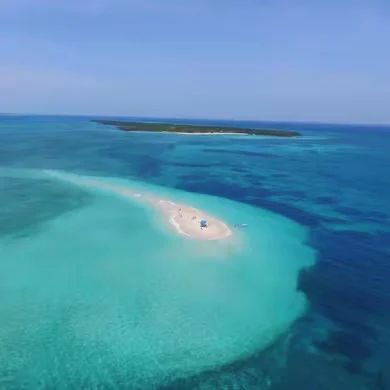
Zanzibar is an archipelago in the Indian Ocean, roughly 25 to 50 kilometres off the coast of mainland Tanzania forming a semi-autonomous part. Two main islands make up the archipelago: Unguja island generally the one people mean when they say “Zanzibar” and the quieter less-visited Pemba Island to the north, alongside a scatter of much smaller islets.
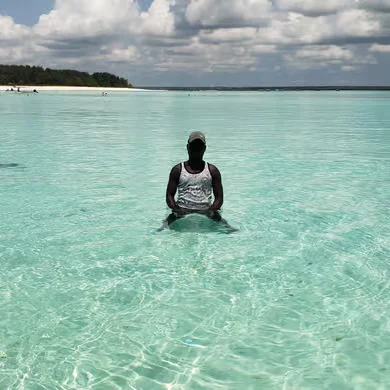
Unguja’s terrain is low and largely flat ringed by white coral-sand beaches and fringing reef with a fertile, humid interior that has supported spice cultivation for centuries. A coastline shaped very differently on each side of the island, sheltered and calmer in the west while exposed to steady trade winds and pronounced tides in the east.
Marine parks and protected areas
Jozani-Chwaka Bay National Park established in 2004 and covering around 50 square kilometres, is Zanzibar’s only national park and protects the largest remaining stand of near-natural forest on the island. its comprised of mangrove forest and salt marsh along Chwaka Bay.
The offshore is scattered with protected marine areas which guard the coral reef surrounding the archipelago including the well-known reef around Mnemba Atoll off the northeast coast. Together they protect a small but genuinely distinct slice of habitat: island forest and mangrove found nowhere else in this form on the East African mainland. The reef as well draws its own dedicated diving and snorkelling visitors rather than simply serving as a beach backdrop.
Wildlife
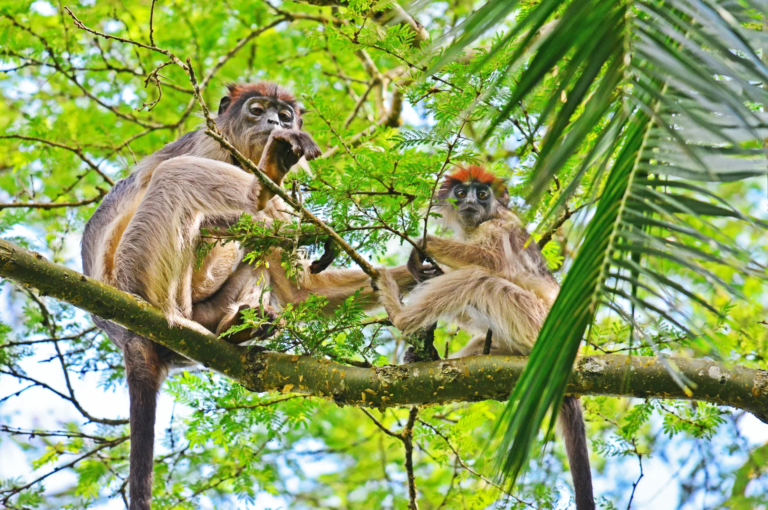
Zanzibar’s standout wildlife credential is the Zanzibar red colobus, a monkey found nowhere else on Earth outside this archipelago. The great majority of its population is estimated at around a thousand individuals. These are concentrated in and around Jozani-Chwaka Bay National Park.
Troops here are well habituated and reliably seen at close range while they feed in the forest canopy alongside Sykes’ monkeys and bush babies. The park’s mangrove boardwalk gives a second, quieter kind of wildlife encounter which is threading over tidal mudflats and root systems that support fish, crab and bird life distinct from the forest above.
Offshore, the reef around Mnemba Atoll and other dive sites holds a full tropical reef community and dolphin encounters are a regular feature of boat excursions from the southeast coast around Kizimkazi.
Stone Town and the spice trade in detail
Stone Town, Zanzibar’s old quarter, was inscribed as a UNESCO World Heritage Site in 2000 in recognition of a trading settlement. In UNESCO’s own description, bound Asia to Africa through centuries of maritime commerce.
What grew from that trade was a genuinely fused Swahili urban culture, its narrow coral-stone streets lined with buildings that carry Arab, Persian, Indian and European architectural influence side by side. This is most visibly in the town’s famous carved wooden doors not two quite alike, each door’s motifs reflecting the trade connections and taste of the household that commissioned it.
In the nineteenth century, Stone Town became the seat of the Sultanate of Zanzibar and one of the Indian Ocean’s principal trading ports. Its wealth built substantially on cloves, a crop introduced to the islands in the early 1800s that Zanzibar went on to dominate as a global exporter for much of that century. This legacy is still visible on any spice tour through the island’s plantations today.
That same history has a harder edge: Stone Town was also, for a period in the nineteenth century one of East Africa’s largest slave-trading ports. The Anglican cathedral built after abolition on the site of the former slave market, remains one of the town’s most visited and sobering landmarks.
Beyond Stone Town: beaches and the reef
The rest of a Zanzibar itinerary is usually built around which coast suits the traveller. Nungwi and Kendwa beaches are located at the island’s northern tip sitting largely outside the archipelago’s significant tidal swing. These keep their beaches swimmable at most hours of the day and have grown into the island’s liveliest beach towns with sunset boat outings a standard evening activity.
Paje, Jambiani and Bwejuu run down the southeast coast trading that tidal convenience for wide, shallow lagoons and steady trade winds that have made Paje in particular one of East Africa’s leading kitesurfing destinations.
A short boat ride from Stone Town, Prison Island (Changuu) combines a colonial-era former quarantine station with a resident population of giant Aldabra tortoises introduced in the nineteenth century. Snorkelling and diving excursions to Mnemba Atoll and other reef sites give the island’s underwater side equal billing with its beaches.
Culture and people
Zanzibar’s culture is Swahili coastal culture at its most concentrated: a genuine blend of African, Arab, Persian, Indian and, later, European influence shaped by more than a thousand years of Indian Ocean trade rather than any single inherited tradition. That blend shows up everywhere in daily life from the call to prayer carried across Stone Town’s rooftops and the spiced, coconut-rich character of Zanzibari cuisine to the Swahili language itself. This took much of its vocabulary from Arabic through exactly this trading contact.
Spice tours through inland plantations remain one of the clearest ways to experience that heritage directly, walking through cloves, nutmeg, cinnamon, cardamom and vanilla under cultivation much as they have been for close to two centuries.
Best time to visit
Zanzibar’s two dry windows roughly June to October and December to February offer the most reliable sunshine and are generally the best months for beach time, snorkelling and diving. This is when underwater visibility tends to be at its clearest.
The long rains roughly March to May bring heavier and more sustained rainfall and are the island’s quiet season. Some smaller lodges closing altogether; the short rains around November are typically lighter and briefer and rarely disrupt a well-planned visit.
Kitesurfing conditions on the southeast coast follow their own separate calendar, with the steadiest winds generally from December to February and again from June to September.
Getting there
Zanzibar has its own international airport, Abeid Amani Karume International Airport (ZNZ) just outside Stone Town. This serves both direct international flights and short connecting flights from Dar es Salaam and from the northern safari circuit’s airstrips near Arusha and Kilimanjaro. This makes a combined safari-then-island itinerary straightforward to arrange.
A fast ferry also runs between Dar es Salaam and Stone Town, typically taking around two hours, a practical alternative for travellers already on the mainland without a tight schedule.
Practical travel tips
- Zanzibar is part of Tanzania so the Tanzanian shilling is the local currency and the same visa arrangements apply as for the mainland; US dollars are widely accepted for tourism payments, generally expected in good condition and printed after 2009.
- Swahili is the everyday language and Zanzibar is predominantly Muslim so modest dress is appreciated in Stone Town and other non-beach areas, even though swimwear is entirely normal at beach resorts.
- The east coast’s dramatic tidal swing can leave the sea a long walk from shore at low tide; travellers who want to swim at any hour generally do better based in the north, around Nungwi or Kendwa.
- Stone Town’s alleys are narrow, largely traffic-free and easy to lose track of time in; a guided walking tour on arrival makes the rest of a stay much easier to navigate independently.