How the salt is made
Salty soil is scraped from the ground around the springs and packed into raised, funnel-shaped filters. Hot spring water is poured through the soil to wash out the salt, and the strong brine that drips out is boiled down in clay pots over open fires until the crystals form. The work is done mostly by women and has been passed from mother to daughter for generations. Kibiro salt was once traded across the region, and it was part of the economy of the Bunyoro Kingdom.
What you will see and do
- Walk through the salt gardens with a local guide and watch each stage of the process
- See the hot springs, steaming at the edge of the lake
- Meet the salt makers and buy a small bag of salt directly from them
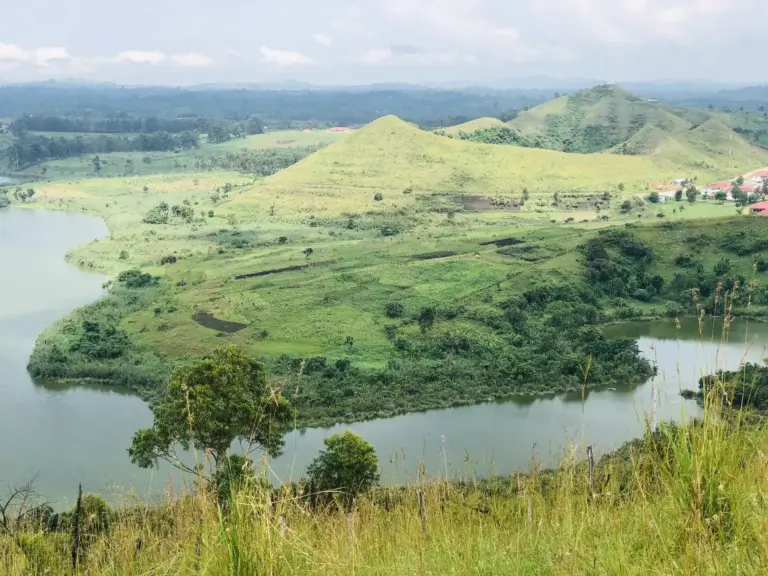
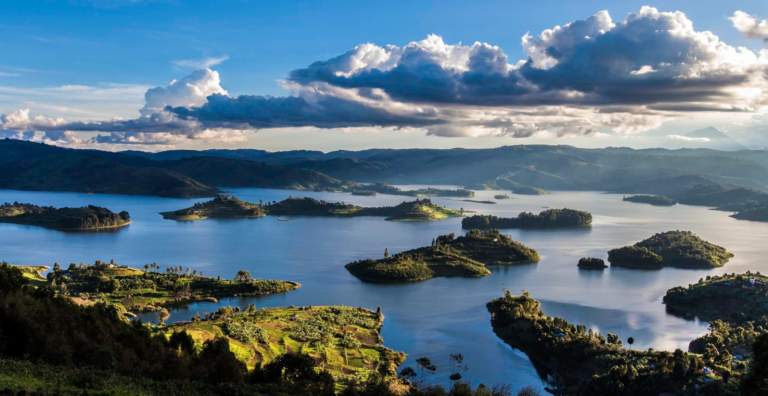
- Take in the views over Lake Albert to the Congo hills across the water
- Combine the visit with a boat trip on the lake or a night in Hoima
The history of Kibiro salt
Salt was once a precious commodity in the interior of East Africa, where animals and people needed it and few places produced it. Kibiro salt was traded across Bunyoro and beyond, and its makers were important to the kingdom. Some traditions link the village to the earliest rulers of Bunyoro, and the springs and gardens are regarded as part of the area’s heritage. Today the trade is much reduced, but the craft continues.
Life in the village
Kibiro is a small fishing and salt making village on the lake shore. Houses are simple, fishing boats line the beach and women work at the salt gardens through the day. Visitors are welcomed, and many locals are proud to explain their work. Buying salt directly, paying fair fees to guides and following local advice on photographs are the best ways to support the community.
What to carry
The escarpment road and the heat of the lake shore make preparation important. Carry plenty of water, a hat, sunscreen, sturdy shoes and a small amount of cash for salt and tips. A light rain jacket is useful in the wet months. Bring binoculars for birds on the lake and keep your valuables simple.
Combining Kibiro with Bunyoro heritage
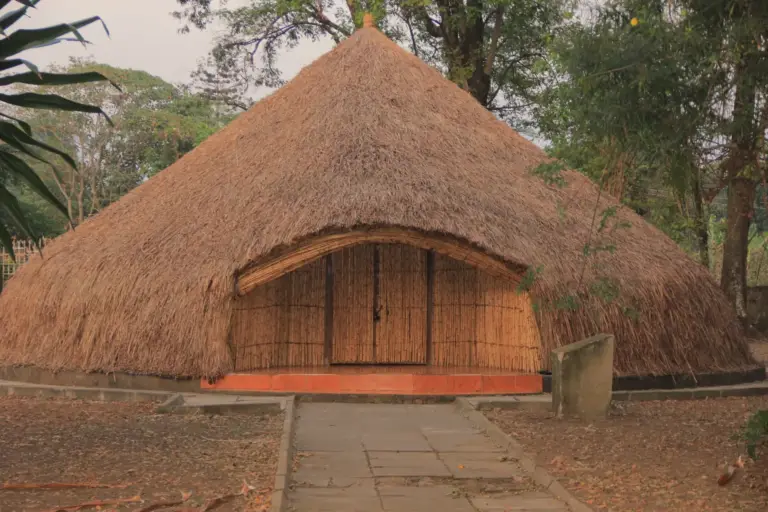
Kibiro fits beautifully with the Mparo Tombs and the palace in Hoima. A day that starts at the tombs, continues to the salt gardens and ends at the lake shore shows how kingship, trade and daily life were linked. Read about the Bunyoro kingdom heritage experience, and ask us to include both on your route through western Uganda.
A slow, thoughtful stop
Kibiro is not a place to rush. Spend time watching the process, ask questions and walk along the shore. The combination of steaming springs, glittering salt and the wide lake is one of the most unusual settings in Uganda. Many guests say that it was a surprise highlight, because it offered something they had not expected and a connection to local life that stayed with them.
Seasons and conditions
In the dry months, the road is firmer and the salt making is at its busiest. In the rains, the steep escarpment can be slippery, and trips may need to be postponed. We check conditions before travel and have alternatives ready, such as a boat trip on Lake Albert or an extra night in Hoima.
Why Kibiro is worth the detour
Few places in Uganda combine history, craft and scenery so well. The salt making is real work, not a show, the setting beside the lake is dramatic and the people are quietly proud of what they do. For travellers who enjoy meeting communities and seeing how things are made, a half day here becomes one of the most memorable parts of a western Uganda journey.
Questions guests ask
Guests often ask whether the salt can be eaten, how long it takes to make and why it tastes different from shop salt. The salt is edible, though it is less refined than supermarket salt and has a stronger mineral flavour. A batch takes several days of work, from scraping soil to boiling brine, and the result is a grey white crystal prized for cooking.
Respecting the salt makers
Salt making is skilled, hot and hard. Ask before you photograph, avoid stepping on prepared soil beds and keep children close to the springs. Pay the community guide fees directly, and buy salt from the women who made it. Small gestures like these help ensure that the village welcomes visitors for years to come.
If you are travelling with children, explain beforehand that the springs are very hot and that they should stay close to an adult. Older children often find the process fascinating, particularly the moment when brine is turned into crystals. Allow time for a cold drink in the village afterwards, and a walk along the beach where fishing boats come in with the day’s catch of lake fish and small silver fish known as muzungu.
The journey itself is part of the experience. The road drops hundreds of metres from the plateau to the lake shore, with wide views across the water to the Congo hills and passes small farms and villages on the way. Stop at viewpoints to take photographs and travel with a driver who knows the escarpment and is used to the bends and the surface.
Getting there
Kibiro lies about two hours by road from Hoima, down a steep escarpment road that is best taken in a 4×4. We usually include it as a half-day stop on a safari that links Murchison Falls and Kibale or Toro, or as part of a Bunyoro heritage journey that also takes in the Mparo tombs and the kingdom’s palace in Hoima.
Visits are best in the dry seasons, from December to February and June to August, when the track is firm. Wear sturdy shoes and bring sun protection, because there is little shade by the lake.
To add Kibiro to a safari, tell us what you would like to see and we will build it into your route.