A leopard sighting is one of the most prized moments on safari. Leopards are solitary, mostly nocturnal and beautifully camouflaged, which is why finding one feels like a reward and not a routine part of the day. This guide explains how leopards live, where to see leopards in East Africa, how guides find them and how to improve your chances on a leopard safari in Kenya, Tanzania or Uganda.
How leopards live
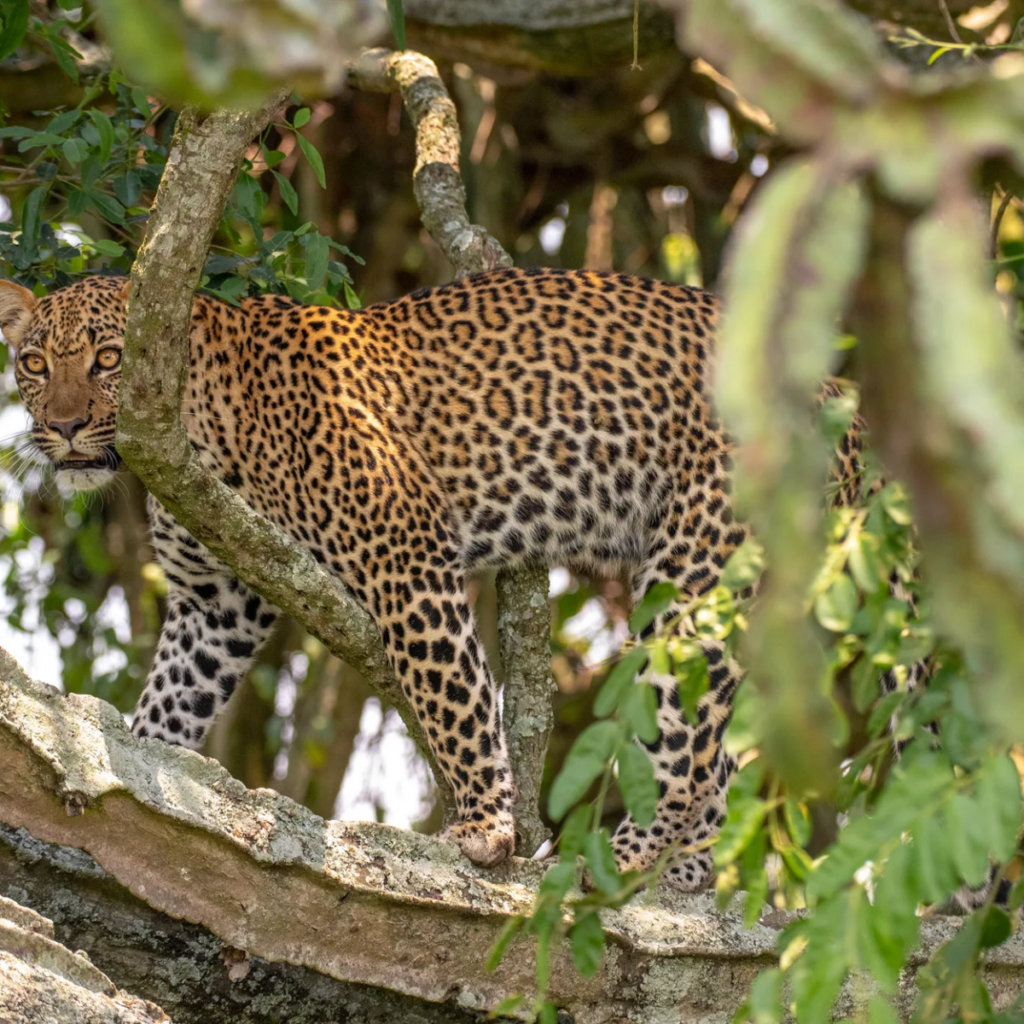
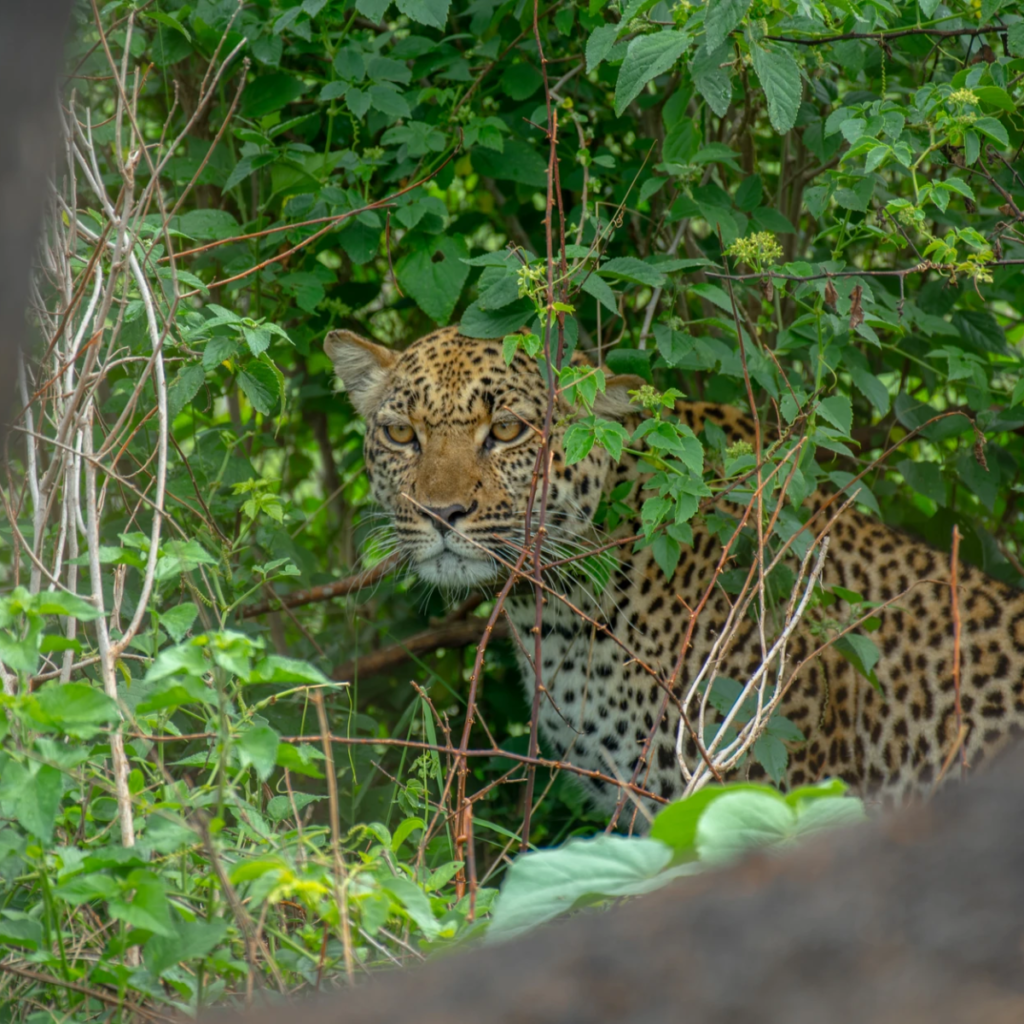
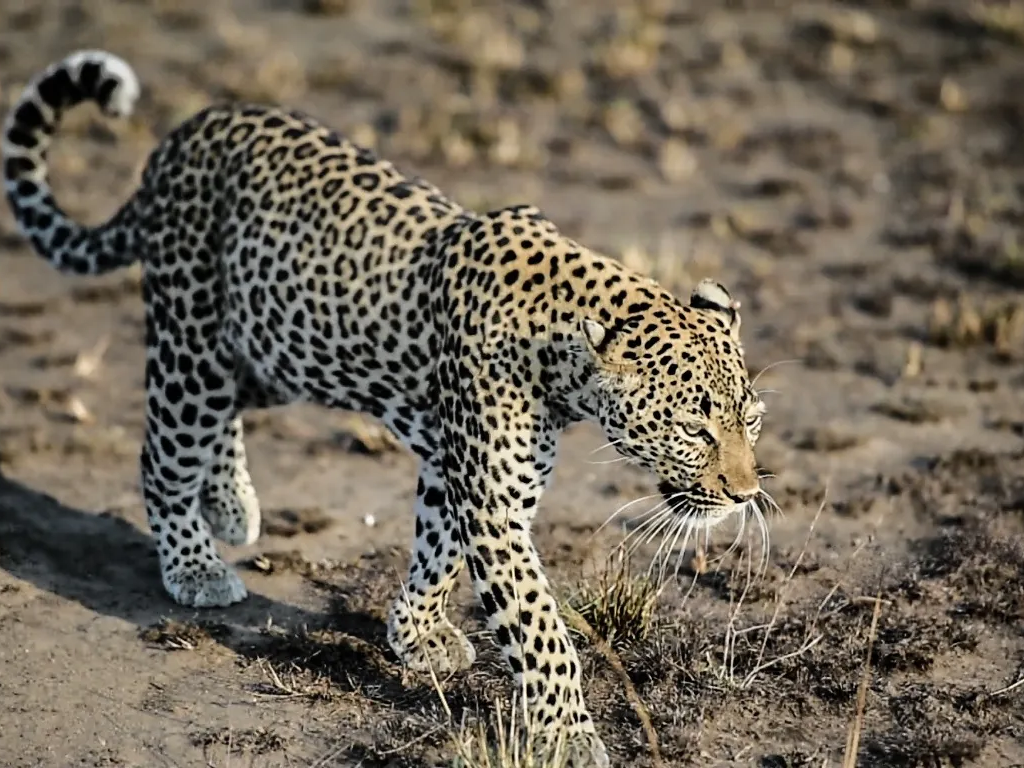
Leopards hunt alone, usually at night or in the quiet hours around dawn and dusk. They are strong climbers and often rest in trees, where they also store kills out of reach of lions and hyenas. Their rosette-patterned coats break up their outline in dappled light, so even a leopard in plain view can be missed.
Best places to see leopards in Tanzania
The Seronera area of the Serengeti is among the most famous leopard areas in Africa, with sausage trees and rocky outcrops that leopards use as resting spots. The Ngorongoro highlands and Tarangire also hold leopards, though sightings there are less predictable.
Best places to see leopards in Kenya
The Maasai Mara has strong leopard populations, particularly along the riverine woodland of the Talek and Mara rivers and in the conservancies. Samburu National Reserve is another reliable area, where leopards use the Ewaso Nyiro riverbank.
Leopard behaviour and signs to look for
Leopards often drag kills into trees, and a hanging carcass is a sure sign that one is nearby. Alarm calls from baboons, impala and birds also point to a predator. Leopards use the same resting trees and territories for years, which is why experienced guides know specific spots. Fresh pug marks along a dusty track are another clue, and the sound of a leopard's sawing call at night is unforgettable if you are camping in the bush.
Leopards and the Great Migration
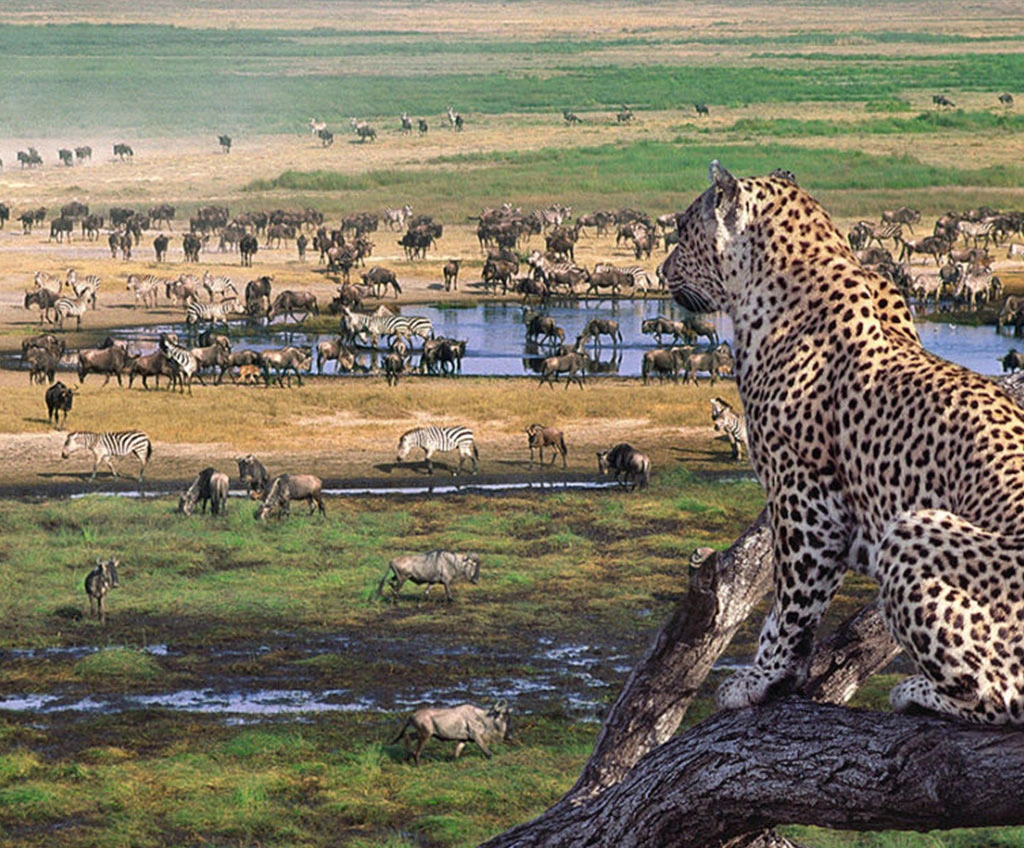
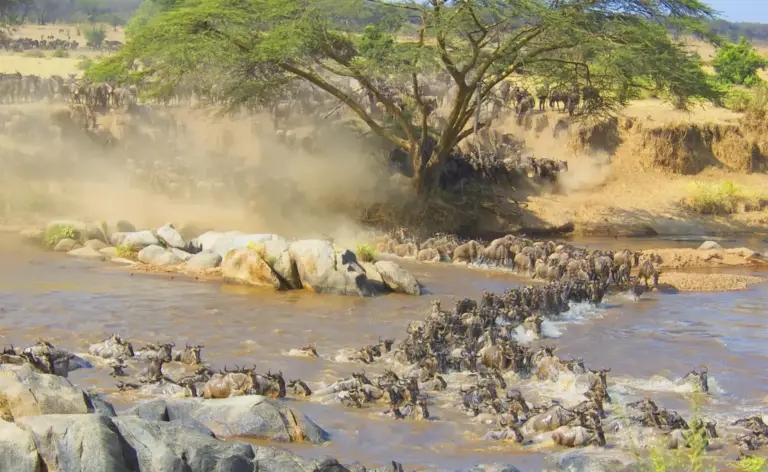
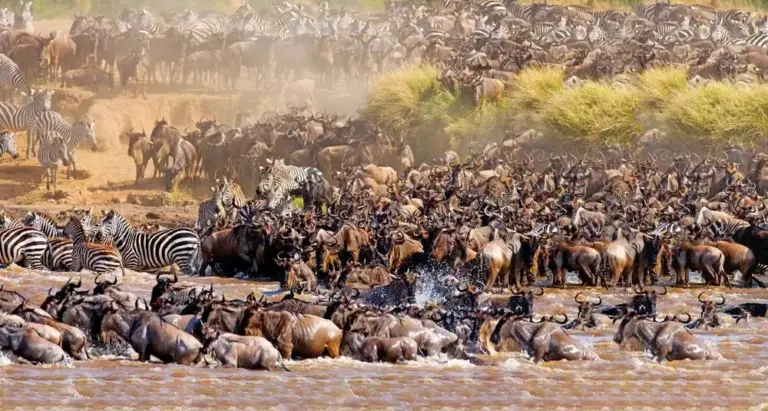
During the Great Migration, leopards in the Mara and the Serengeti benefit from the abundance of prey, and lions and hyenas become more active, so leopards often keep to the trees and riverine thickets. A long stay in the right area lets you watch how the whole predator system shifts when the herds arrive. Combine leopard areas with the migration for a safari with both quiet, patient sightings and big spectacle.
Leopard safari seasons
Leopards live in the same territories throughout the year, so they can be seen in any season. In the dry months the vegetation is thinner and leopards are somewhat easier to spot. In the wet season the grass is long, which can make sightings harder, though the landscape is lush and visitor numbers are lower. A longer stay always improves your chances.
Leopards in Uganda and Rwanda
Uganda's savanna parks, including Queen Elizabeth National Park and Murchison Falls, hold leopards, though they are seen less often than in Kenya and Tanzania. Akagera in Rwanda also has a small leopard population. If leopards are your top priority, East Africa's northern Tanzania and Kenya are the stronger choices.
How guides find leopards
Guides look for fallen branches with claw marks, alarm calls from monkeys and birds, impala behaving nervously and radio updates from other vehicles. They check trees, rock outcrops and riverside thickets in the cooler hours. A guide with local knowledge of leopard territories is the single biggest factor in a successful sighting.
Night drives and leopards
In some private conservancies and areas where night drives are permitted, nocturnal drives can add a chance of seeing leopards, along with other night animals. In national parks, night drives are generally not allowed, and early morning and late afternoon drives are the usual way. We tell you which options apply to each area before you book.
Improving your chances
Spend several days in a good leopard area, go out at dawn and late in the day, and stay patient when a likely tree or outcrop is in view. Choose a lodge or camp in a territory with known leopards, and take binoculars and a camera with a good lens.
Leopards and the rest of the Big Five
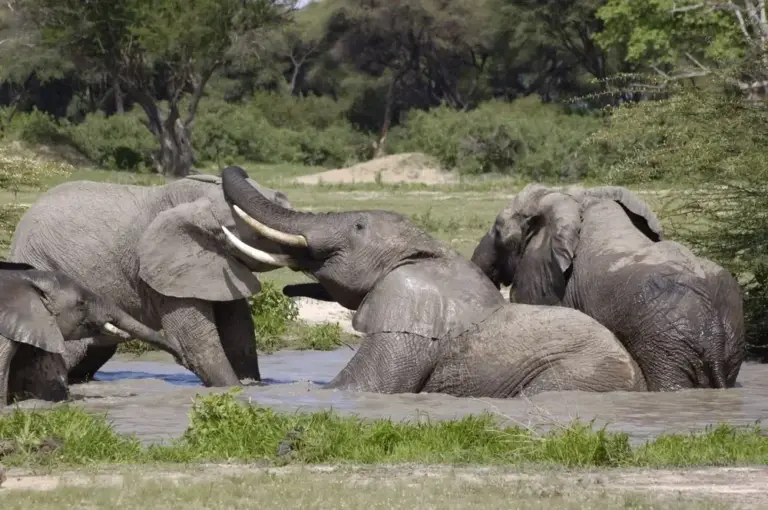
A leopard safari rarely means leopards alone. The same areas that suit leopards also hold lions, elephants, buffalo and plenty of antelope. Many travellers plan a Big Five safari and let the leopard be the bonus. Our big-five and lion guides explain how the animals fit into a wider route, and we can design an itinerary that gives you the best odds without rushing.
Photographing leopards
Use a fast shutter speed, a long lens and steady support from a beanbag on the vehicle. Light is often low and dappled, so be ready to raise your ISO. Remember to respect distance and avoid noise or sudden movement, which can send the animal away.
Leopard safari: how we plan it
We build routes that spend several nights in each leopard area and choose camps in territories with known resident leopards. We also add other highlights, including lions, elephants and the Great Migration, so the safari remains rewarding even when a leopard stays hidden. Tell us your dates and we will suggest the right combination.
At a glance
- Allow several days in a leopard area
- Early starts and late finishes
- Choose a camp in known leopard territory
- Take binoculars and a camera with a long lens
Keep exploring
- The Big Five
- Lions
- Cheetahs
- Serengeti National Park
- Maasai Mara National Reserve
- Samburu National Reserve
- Queen Elizabeth National Park
- Wildlife safaris
Plan a safari around Leopards in East Africa: Where to See Leopards and How to Find Them
Tell us your dates and what you most want to see, and we’ll time your safari to match it as closely as nature allows. Talk to us, or browse our safari packages to see how a migration-timed itinerary is put together.
Leopards in East Africa: Where to See Leopards and How to Find Them