Mountain gorillas (Gorilla beringei beringei) are among the rarest great apes on Earth, found in the wild in exactly three countries (Uganda, Rwanda and the Democratic Republic of Congo) and nowhere else. Offmap Safaris arranges gorilla trekking in the two of those that are genuinely safe and well set up for travellers: Uganda and Rwanda. After decades of conservation work pulled the species back from the edge of extinction, the global population now stands at just over 1,000 individuals, split almost evenly between Uganda’s Bwindi Impenetrable and Mgahinga Gorilla National Parks and the shared Virunga Massif that spans Rwanda, Uganda and DR Congo.
What makes a mountain gorilla different
Larger and more thickly furred than their lowland cousins, adult male mountain gorillas, silverbacks, can weigh over 180kg and lead a troop of females and young through a fiercely territorial but largely peaceful daily routine of foraging, resting and socialising. They live almost entirely on vegetation (stems, leaves, bamboo shoots and wild celery), rarely drink standing water since their diet supplies enough moisture, and build a fresh nest to sleep in most nights. A troop can range from under five to over twenty-five individuals, led by a dominant silverback whose role is protection as much as leadership.
Where to see them
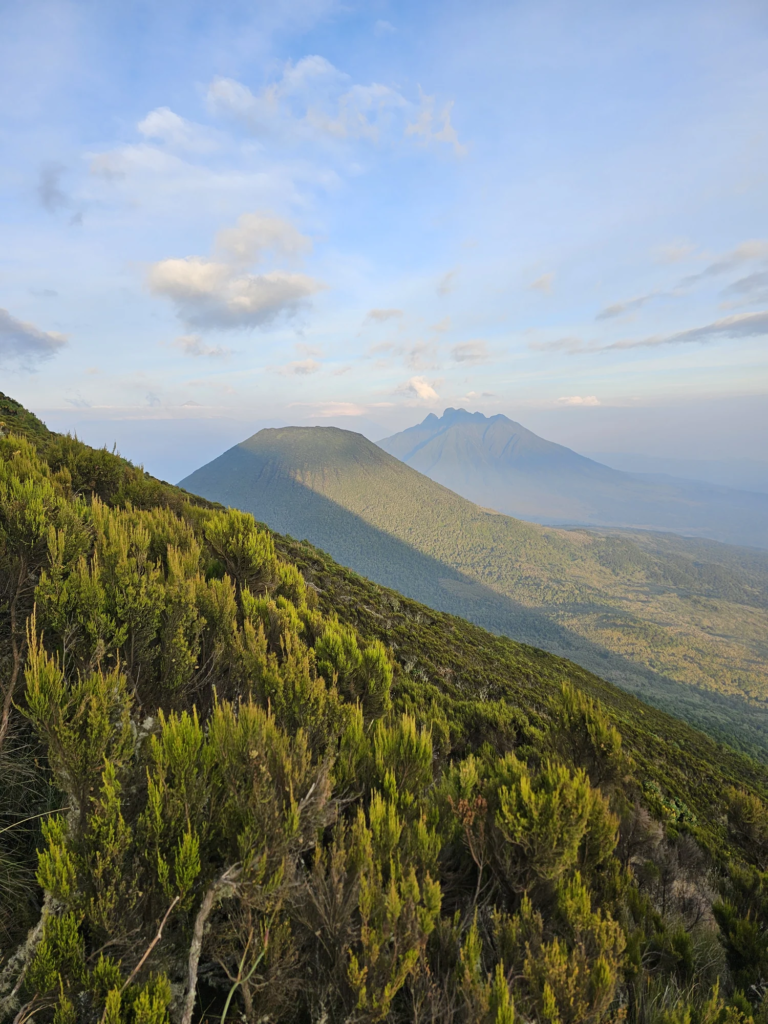
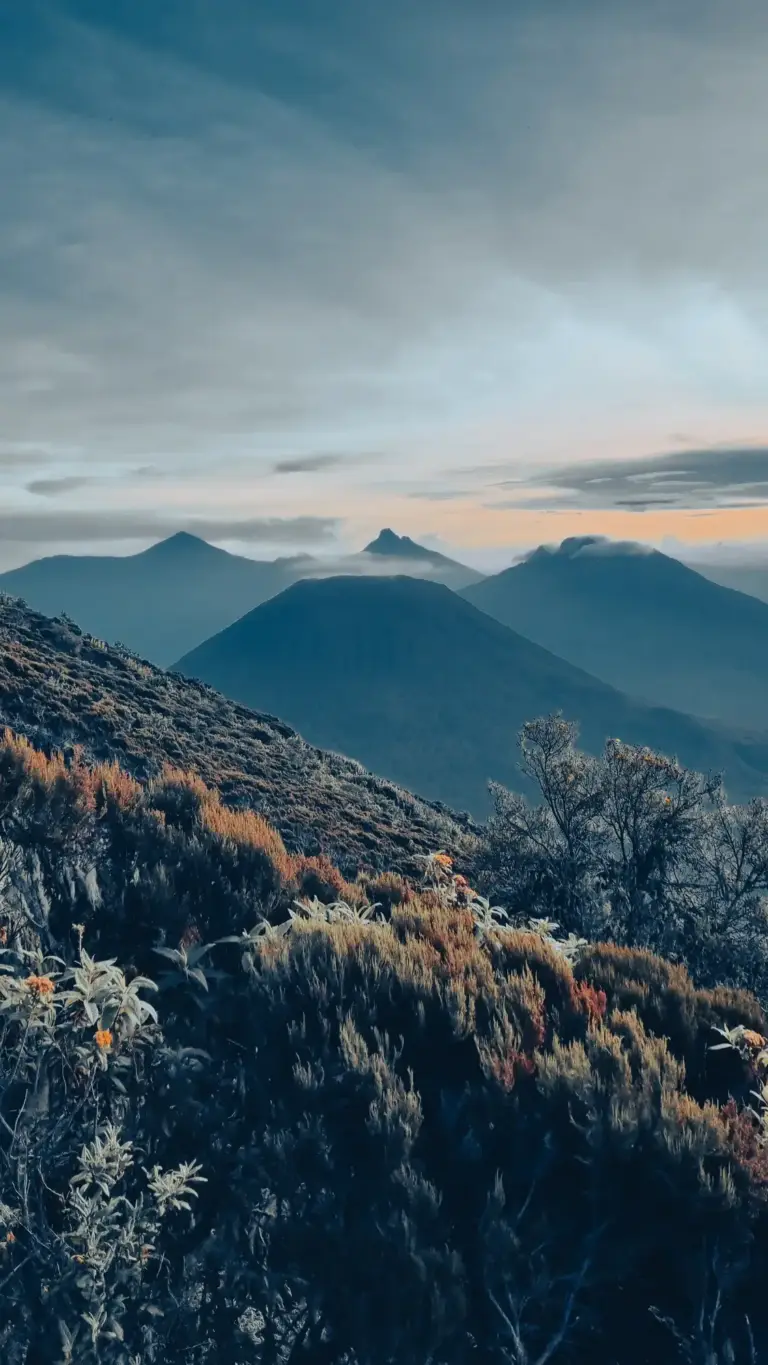
In Uganda, the great majority of habituated families live in Bwindi Impenetrable National Park, split across its four trekking sectors, with a smaller population in Mgahinga Gorilla National Park. In Rwanda, every habituated family lives in Volcanoes National Park, on the lower slopes of the Virunga volcanoes. Both countries assign trekkers to a specific family each morning based on fitness level and a family’s last known location, rather than letting trekkers choose in advance.
Conservation: a rare good-news story
Mountain gorillas were once projected to disappear entirely by the end of the twentieth century. Sustained anti-poaching patrols, veterinary monitoring of habituated families, and revenue from trekking permits funding park protection and neighbouring communities have instead produced one of conservation’s genuine recoveries; the only great ape species whose numbers are currently increasing rather than falling. Permit fees are the single largest reason this funding model works, which is part of why permits are priced as they are.
Trekking, permits and getting close
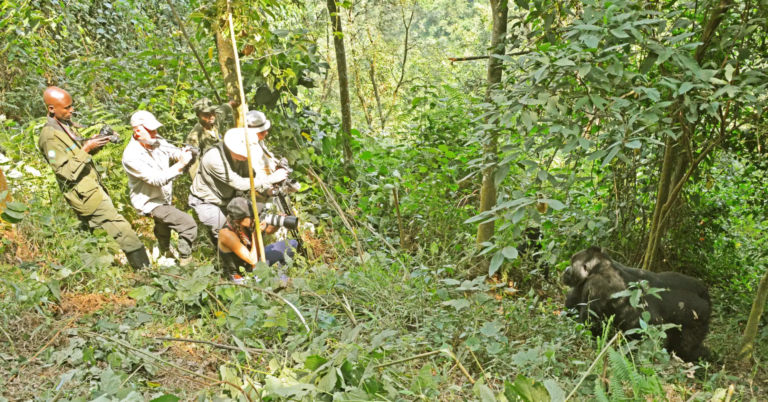
Spending an hour with a wild mountain gorilla family requires a gorilla trekking permit, issued by the Uganda Wildlife Authority or Rwanda Development Board depending on country, and a trek of anywhere from under an hour to several hours through rainforest or volcanic slopes to reach the family’s location that day. The minimum age for gorilla trekking is a strict 15 in both countries.
How many mountain gorillas are left?
Mountain gorillas are one of the great conservation recoveries of Africa. Around a thousand individuals survive in the wild, split between two populations: the Virunga massif, shared by Rwanda, Uganda and the Democratic Republic of Congo, and Bwindi Impenetrable National Park in Uganda. The population has grown steadily, and in 2018 the species was moved from critically endangered to endangered, a rare piece of good news in conservation. Gorilla tourism, through permit fees and the jobs it supports, is a major reason the animals are protected.
Gorilla family life and the silverback
A mountain gorilla family usually numbers around ten to twenty animals, led by a dominant silverback. Adult males can weigh around 200 kilograms and develop the silver saddle that gives the silverback his name. The family also includes females, juveniles and infants, and the silverback decides where the group feeds, rests and sleeps. Babies ride on their mothers' backs and learn by watching, and the whole group communicates with grunts, chest beats and a calm, almost human gaze.
What mountain gorillas eat
Mountain gorillas are herbivores, eating leaves, stems, bamboo shoots, wild celery, thistles and nettles, and a little fruit when it is available. An adult male can eat many kilograms of vegetation a day. Their diet explains why they live in cool, high forests with plenty of ground-level plants, and why the same habitat suits golden monkeys and many forest birds.
Mountain gorilla trekking rules
Gorilla trekking follows strict rules to protect the animals. Visitors go in small groups of up to eight, spend one hour with a habituated family, keep a distance of around seven metres and must be at least 15 years old. Anyone who is ill, even with a cold, may be refused for the gorillas' safety. Rangers brief every group and lead the trek, and trackers go ahead to locate the family. Read more in our guide to gorilla trekking in Uganda and gorilla trekking in Rwanda.
Mountain gorillas versus lowland gorillas
Mountain gorillas live in cool, high-altitude forests and have thicker, longer fur than the lowland gorillas of central and western Africa. They are the animals visitors meet on a gorilla trek in Uganda and Rwanda. Lowland gorillas are more numerous but harder to see, and nearly all gorilla tourism in East Africa is built around mountain gorillas.
Best time for mountain gorilla trekking
Mountain gorilla trekking is possible all year. The drier months, roughly June to September and December to February, make the trails easier and are the most popular, so permits sell out early. The wetter months, roughly March to May and October to November, bring muddier trails and fewer visitors, and gorillas are often lower on the slopes. Book your gorilla permits as early as you can, since permits are limited and non-refundable once issued.
Mountain gorillas and the people who protect them
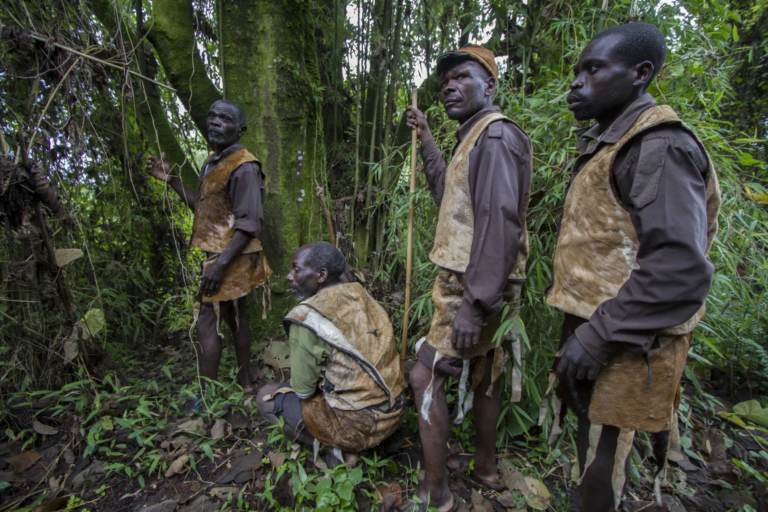
Rangers, trackers, veterinarians and community conservation programmes work every day to protect mountain gorillas. Permit fees pay for ranger patrols and community projects, and a share of revenue goes to the villages around the parks. The Batwa, who once lived in the forests, now share in the benefits through cultural experiences. When you trek, you are contributing directly to the survival of the animals and the wellbeing of the communities beside them.
Plan your mountain gorilla safari
Tell us your travel dates and preferred country, and we will secure the right permits and build the itinerary around them. Visit Plan My African Safari, message us on WhatsApp at +256 701 243 304, or email [email protected].