A race built to showcase a region
The marathon held its first edition on 3 September 2022, founded as a private-sector initiative by Ugandan tour operator Amos Wekesa and Robert Kabushenga, a former Vision Group chief executive. Its stated purpose from the outset was to promote tourism, sport and conservation in the Rwenzori region together, using the race itself as a reason for international runners, media and spectators to visit a corner of Uganda that had never previously had a marathon-scale event to its name.
Uganda’s first internationally certified marathon
In February 2026, the race was awarded World Athletics Label Road Race status, a designation requiring strict international standards in course measurement, timing, safety and organisation. This made it Uganda’s only World Athletics Label event and one of just seven such marathons across the whole of Africa, and it qualifies as a recognised entry route toward premier international races such as South Africa’s Comrades and Two Oceans marathons. For a race barely three years old at the time, that certification marked a rapid rise in international standing.
The route
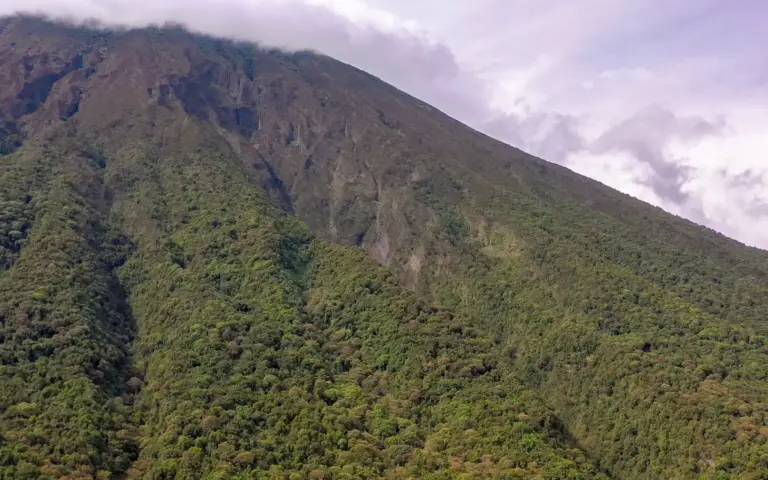
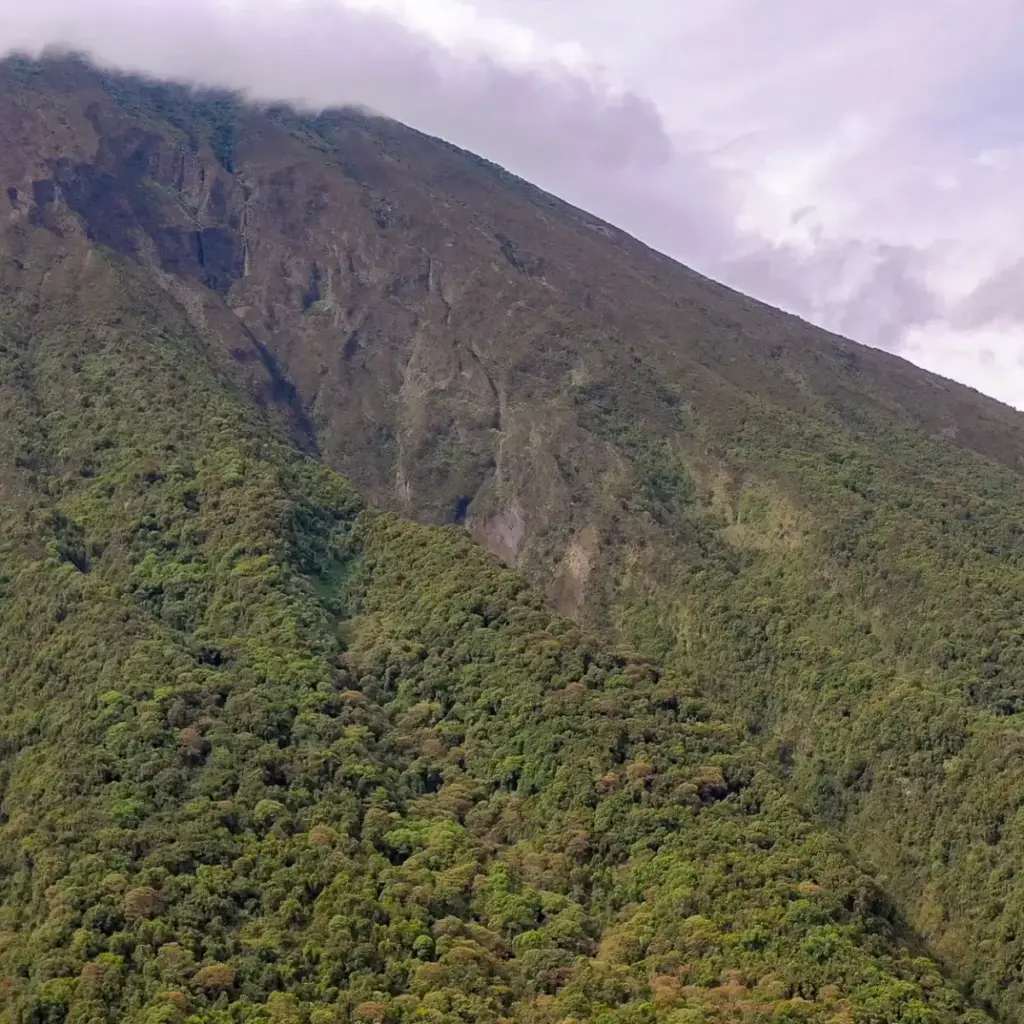
The course is an out-and-back road route starting and finishing in Kasese town, run on certified tarmac that crosses the equator itself partway along the route, a detail organisers have made a deliberate feature of the race. Runners pass through local communities and along roads with the Rwenzori foothills rising directly beside them, with dramatic elevation changes built into the course rather than a flat, featureless road race. On a clear day, the mountains’ upper glaciated peaks are visible in the distance, a rare sight for a road race anywhere in Africa.
Distance categories
- Full marathon: 42.195 km, for experienced distance runners and the category that carries the international certification
- Half marathon: 21.1 km, the most popular category among visiting runners
- 10 km run: a shorter timed race suited to recreational runners
- 5 km fun run: an untimed or lightly timed category open to families, casual runners and first-timers
When it runs
The race is held annually in August, with the 2026 edition scheduled for 22 August. Race weekend typically fills Kasese’s limited accommodation well in advance so travellers planning to run or simply attend as spectators should book lodging early, particularly given the town’s modest size relative to the numbers the race now draws.
Combining the marathon with a wider Uganda safari
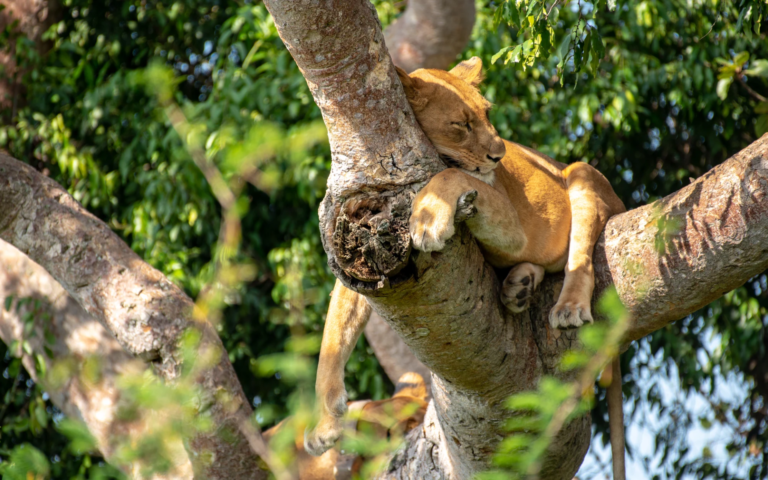
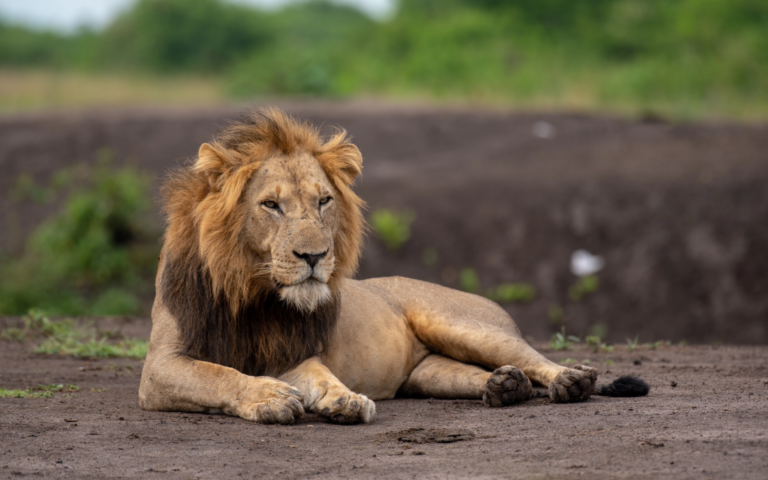
Kasese sits directly beside Queen Elizabeth National Park and at the foot of the Rwenzori Mountains National Park, so runners rarely travel to Kasese purely for race day. A common pattern pairs the marathon with a few days of game drives in Queen Elizabeth beforehand, followed by the race itself, with a Rwenzori foothills walk or a longer trek on one of the mountain’s established routes afterwards for those recovering with an extra few days on hand. Runners should note that a serious multi-day Rwenzori trek and marathon training are demanding in combination; most visiting runners treat the race and any mountain walking as separate efforts rather than attempting both at peak intensity in the same week.
Training and altitude
Kasese itself sits at a relatively modest elevation for Uganda, but the course’s elevation changes and the region’s equatorial heat mean visiting runners used to cooler or flatter conditions should allow time to acclimatise before race day if possible. Runners flying in from lower-altitude, temperate countries in particular often underestimate how much both heat and the course’s rolling terrain add to effort compared with a flat road marathon at home, and organisers recommend arriving at least a few days ahead rather than flying in the night before.
Who the race is for
The marathon and half-marathon categories suit competitive and experienced recreational runners, given the course’s elevation changes and the growing field of serious international entrants drawn by the World Athletics certification. The 10 km and 5 km categories, by contrast, are accessible to most reasonably fit visitors, including travellers who want to take part in the event’s atmosphere without training for a full or half marathon beforehand.
Why it matters locally
Beyond the race itself, organisers and local reporting both credit the marathon with reshaping outside perceptions of Kasese and the wider Rwenzori region, and with a measurable boost to local accommodation, food and transport spending around race weekend. Conservation messaging around the Rwenzori Mountains National Park is built into the event’s promotion, tying the race’s growth directly to the region it showcases rather than treating Kasese as an interchangeable backdrop.
Race day atmosphere
Race day brings a festival feel to the mountains. Runners from many countries line up with local athletes, supporters cheer at roadsides and music plays in the villages. The mix of effort, celebration and mountain scenery makes the day unlike any city race, and many runners say the welcome from villagers was the highlight of the event.
Beyond the race
Non runners can enjoy the weekend too. Walk in the foothills, visit a craft market, take a cultural tour or join a tea estate visit, and cheer on the runners at the finish. Many families pair the race weekend with a safari to Queen Elizabeth National Park or a chimpanzee trek in Kibale, so everyone has a reason to come.
Planning your visit around race weekend
Tell us whether you want to run or simply attend, which distance suits you, and how much time you have either side of race day, and we will book accommodation early, given how quickly Kasese fills around the event, and build in Queen Elizabeth game drives or Rwenzori walking to round out the visit.