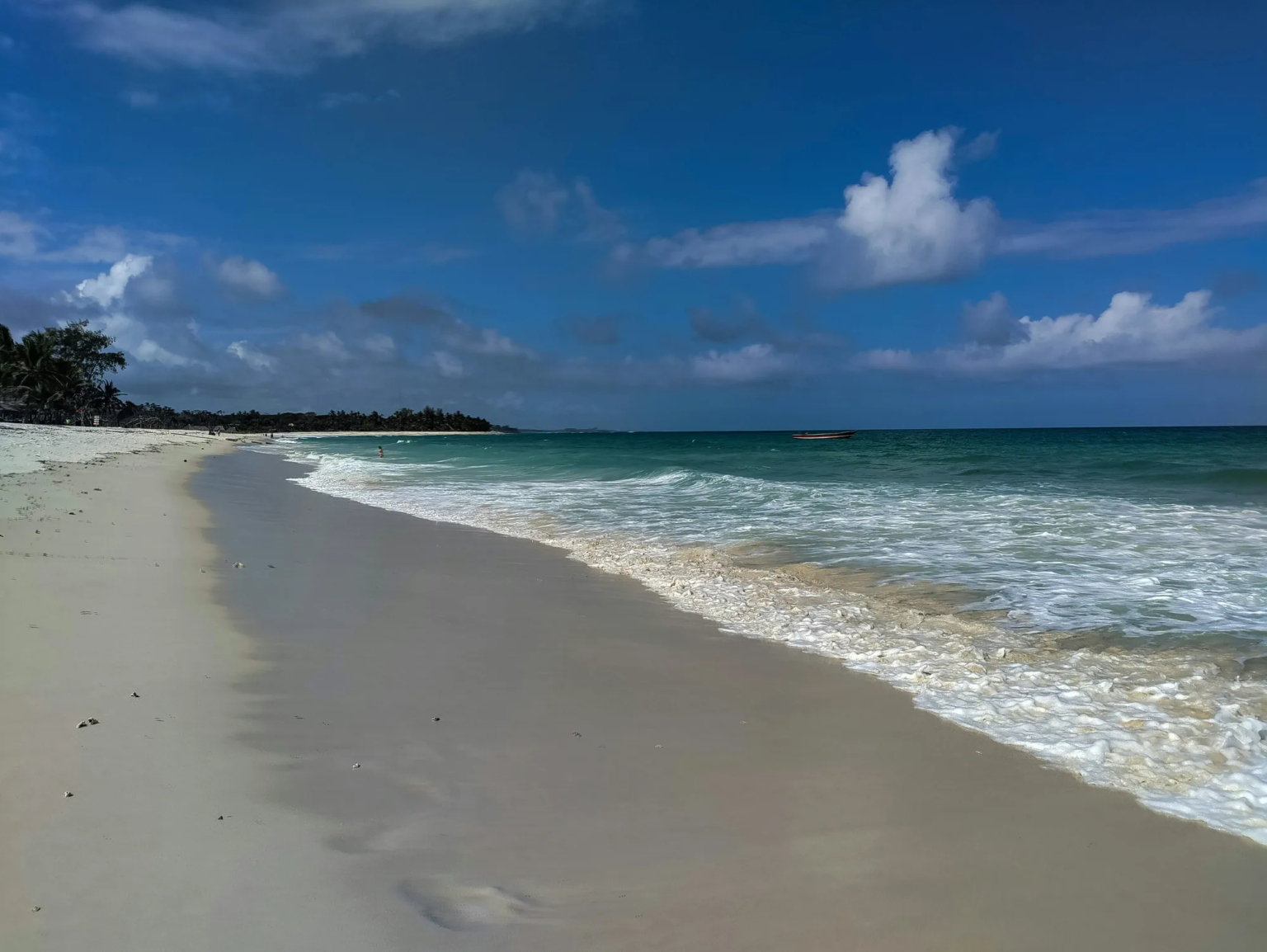

The beach at a glance
- Located on Zanzibar’s southeast coast, a former fishing village turned kitesurfing hub
- A coral barrier reef about 1 to 2 km offshore creates a wide, shallow lagoon
- Two main wind seasons: Kusi, from June to September, with steady 15 to 25 knot winds, and Kaskazi, from December to February, lighter and warmer at 12 to 18 knots
- Home to several established kitesurfing schools
Kitesurfing conditions
Paje’s shallow lagoon is one of its biggest draws for kitesurfers: riders can often stand almost anywhere in the water at low to mid tide, making it an unusually forgiving spot for beginners while still offering strong, consistent wind for experienced riders during the Kusi season. Several international kitesurfing centres operate directly on the beach, offering lessons and equipment rental.
Beach life
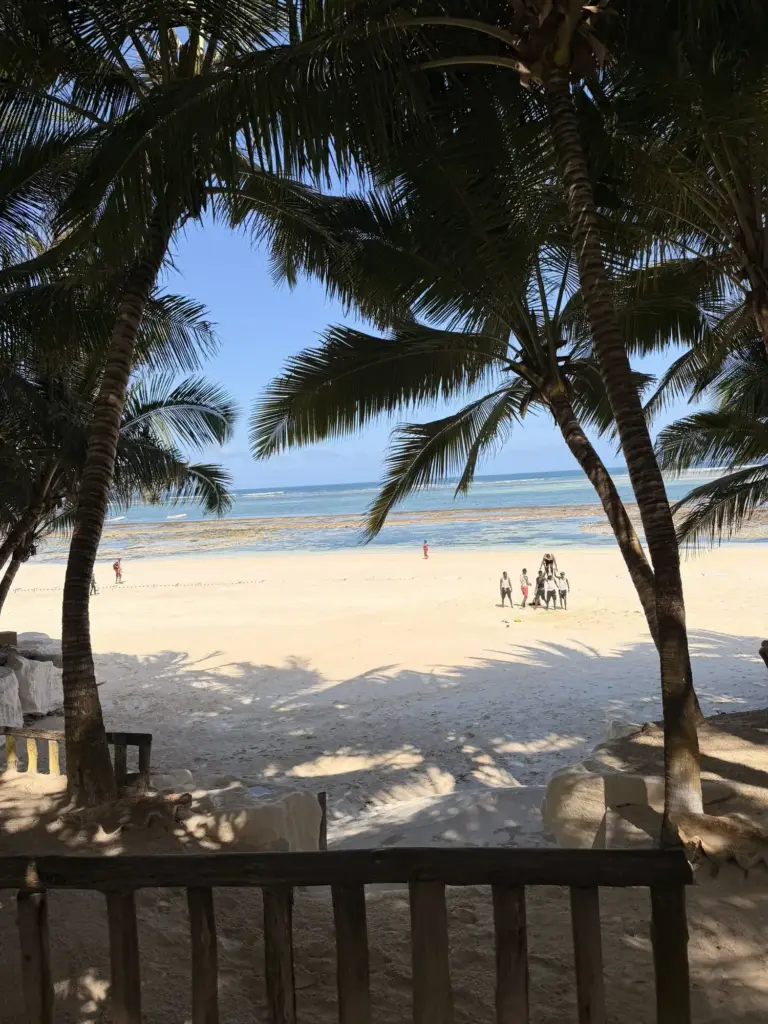
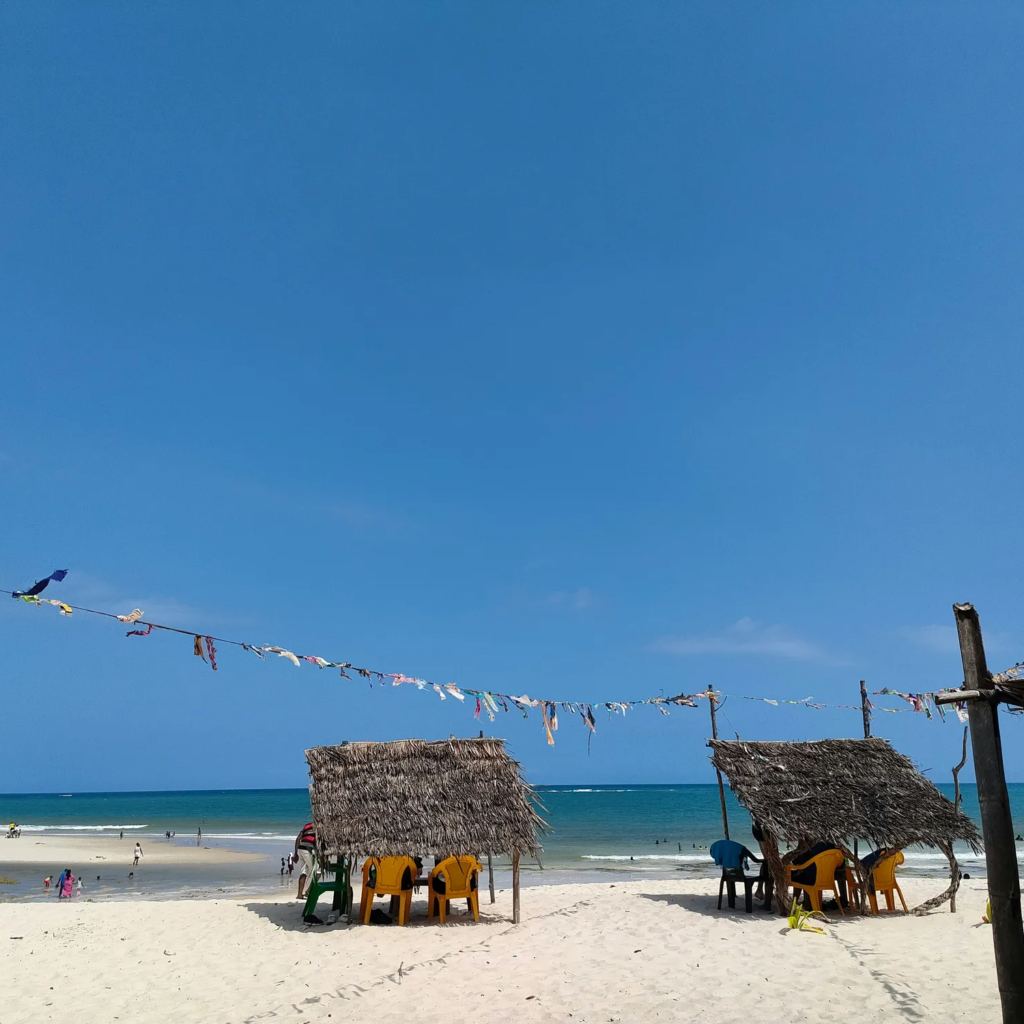
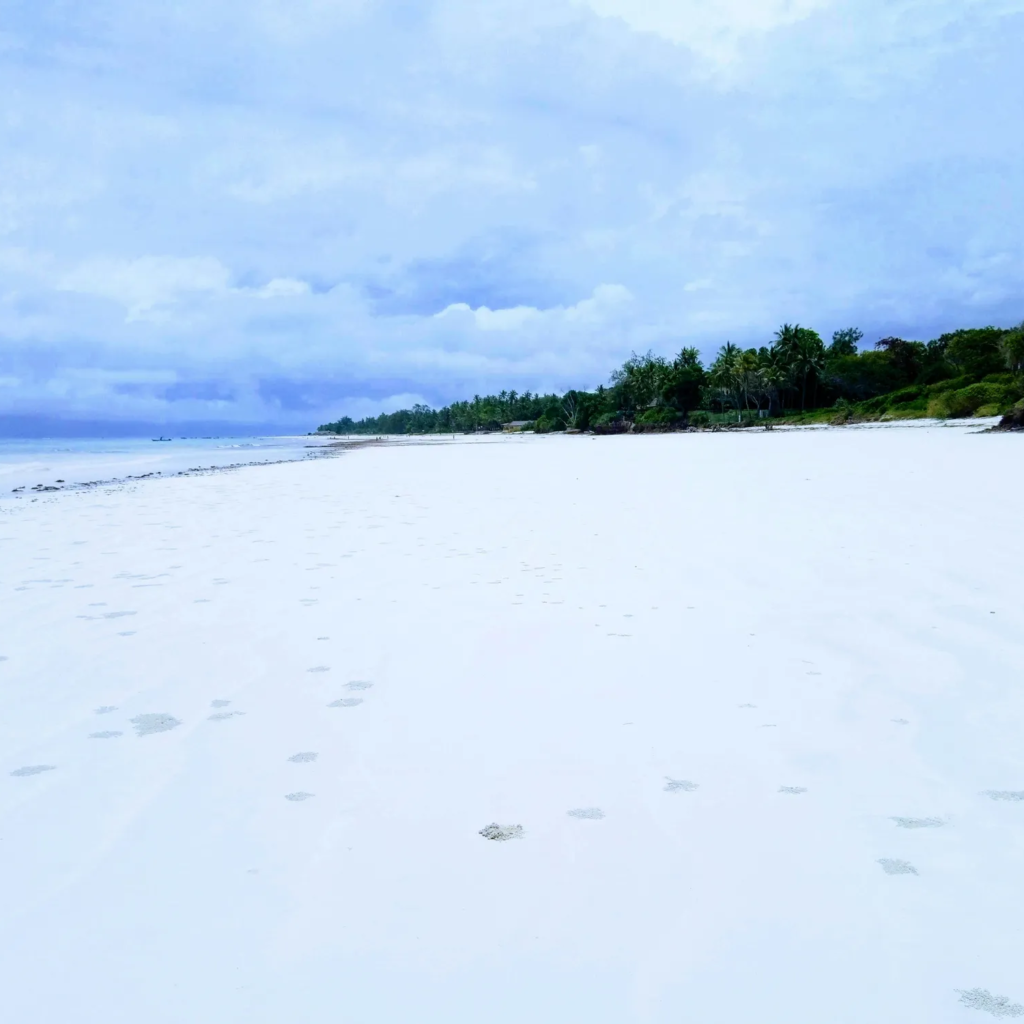
Beyond the water sports, Paje retains some of its original fishing village character, with a laid-back mix of beach bars, guesthouses and small hotels. The wide, flat sand at low tide is also popular for walking and yoga sessions offered by several beachfront operators.
Things to do
- Kitesurfing lessons and rentals through the beach’s established schools
- Swimming and walking on the wide, shallow lagoon at low tide
- Yoga sessions offered by several beachfront operators
- Day visits to nearby Jambiani for a quieter beach experience
Practical information
- Reached by road from Stone Town, about 45 minutes to an hour
- Kitesurfing conditions are strongest during the Kusi season from June to September
- Tides significantly affect swimming conditions so it’s worth checking timing with your accommodation
Tides and the east coast
Paje lies on Zanzibar's southeast coast where a barrier reef holds back the ocean and the tide goes out far. At low tide, the water retreats a long way, leaving sandbars and rock pools, and at high tide it returns to turquoise shallows. Plan your swimming around the tide table and enjoy walks on the flats when the sea is out. The trade winds blow steadily, which makes this the island's kitesurfing capital.
Kitesurfing and water sports
Paje has shallow lagoons, steady wind and flat water, ideal for learning to kitesurf. Schools offer lessons for beginners and rentals for experienced riders, and the best winds usually blow from June to September and from December to February. Safety rules apply, including helmets and distance from swimmers. Spectators enjoy watching from the beach cafes.
Seaweed farming and village life
Seaweed farming is a major source of income for women in villages along the coast. They plant lines of seaweed in the shallows at low tide and harvest it for export, then make soap and cosmetics. Visitors can walk with a guide, learn about the process and buy local products. Please ask before taking photographs.
Food, music and evenings
Beach restaurants serve fresh fish, curries and cold juices. Evenings are relaxed, with music at some bars and quiet tables on the sand. The east coast is more laid back than the north, and many guests go to bed early after a day on the water.
Practical tips for Paje
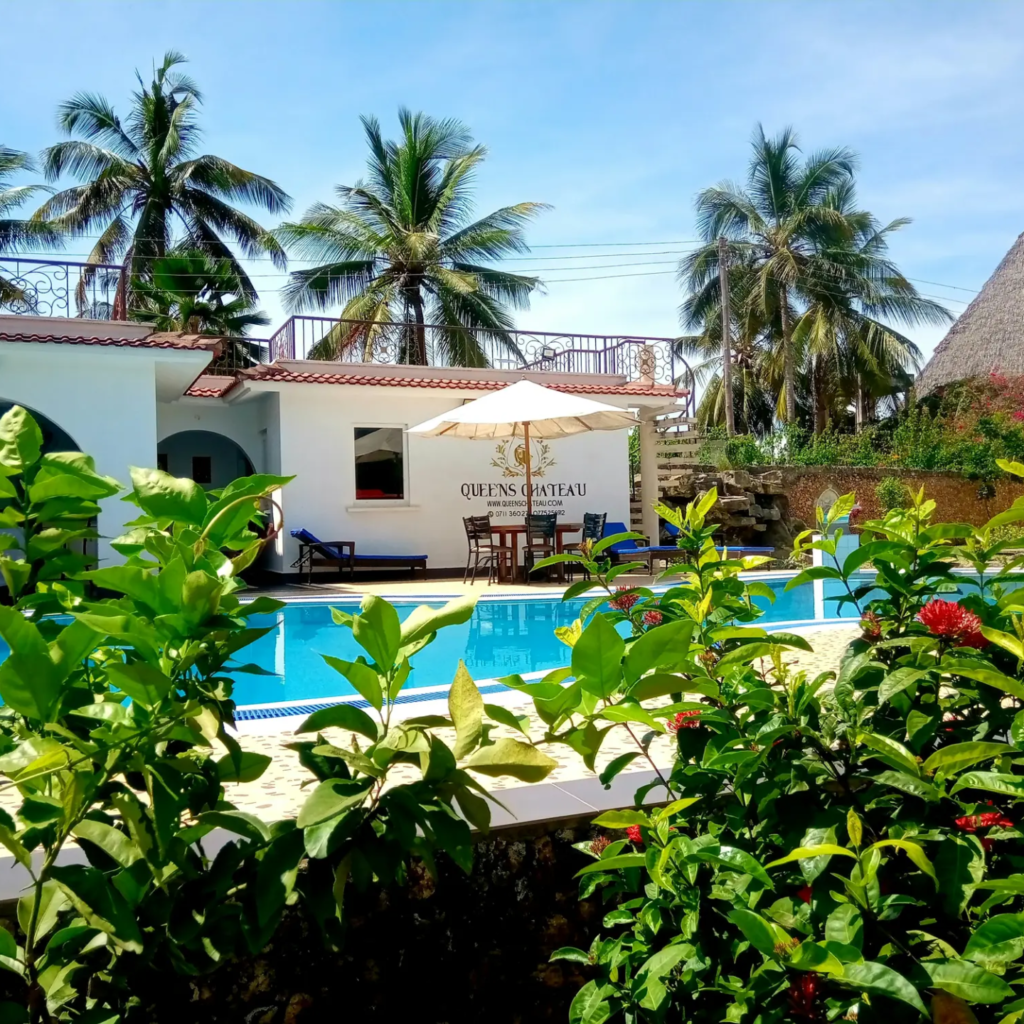
Paje is about an hour from the airport and the same from Stone Town. Choose a hotel with a pool for high tide. Protect against the sun, wear reef shoes for walking on rocks and carry water. Jozani Forest is nearby. Add Jozani Forest to the plan. Our team can arrange transfers on the Plan My African Safari.
Low tide walks and rock pools
When the sea draws out, you can walk across the flats to see starfish, sea cucumbers, crabs and small fish in the pools. Wear reef shoes to protect your feet, and do not take shells or living animals. Guides lead walks and explain the tides. Return before the water rises, because it comes in quickly.
Yoga, wellness and slow days
Paje has a growing wellness scene, with yoga studios, massage and healthy cafes. Many visitors spend mornings in a class and afternoons in a hammock. If this is your style, choose a lodge with a calm garden and a pool. The east coast suits slow travel.
Paje for different travellers
Kiters and active guests enjoy the wind, couples enjoy quiet evenings and families enjoy the flats at low tide. Budget travellers find simple guesthouses, and luxury travellers find private villas. Tell us what you prefer and we will match the lodge and the activities.
Eating in Paje
The village has simple restaurants serving fresh fish, octopus, pizza and juice, and a few beach clubs with music. Fruit and vegetables are sold at stalls in the morning. Water and soft drinks are widely available. Respect local customs in the village and avoid walking in swimwear away from the beach.
Sunrise and stars
The east coast faces the sunrise, and an early walk on the sand is a highlight. At night, the sky is dark and full of stars. Take a torch for the walk back to your lodge. Visitors often say the quiet is what they remember best.
Staying safe in the water
Shallow does not mean risk free. Currents near channels can be strong, the sea urchins are sharp and boats move through the lagoon. Swim near other people, wear reef shoes and stay clear of kite zones. Ask your hotel about local conditions each day.
Questions visitors often ask
Can I swim at any time? Not at low tide, when the water is far out. Is it good for beginners in kitesurfing? Yes, with a school. Is it windy? Often, which is an advantage for kiting. Is it quiet? Mostly. What is the best time? June to October and January to February.
Paje is the natural choice for a Zanzibar beach stay built around kitesurfing or water sports. Offmap Safaris can combine it with Stone Town or a quieter east coast stay in Jambiani. To start planning, visit Plan My African Safari, message us on WhatsApp at +256 701 243 304, or email [email protected]. See also our notes on health and safety and responsible travel.
Photo Gallery
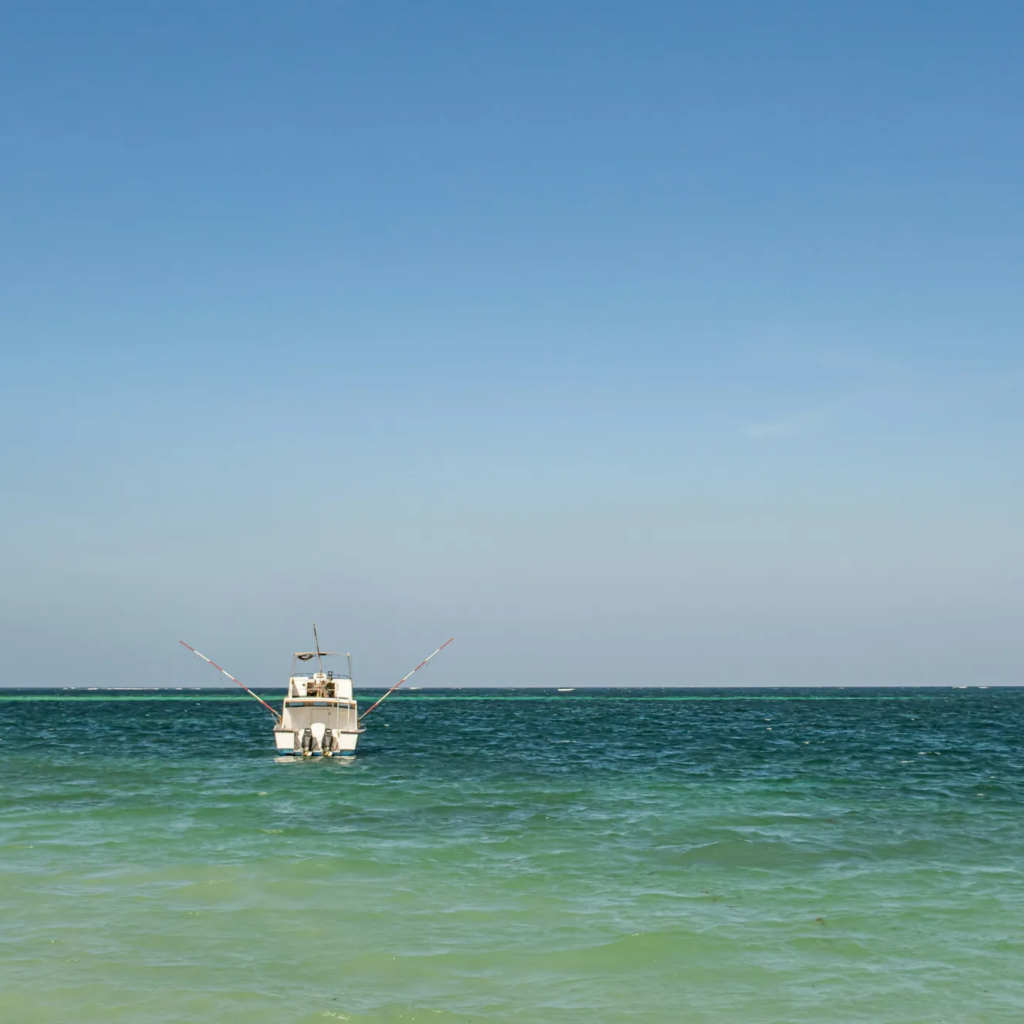
Plan a safari that includes Paje Beach
Our team plans private, tailor-made safaris, so we can build a trip around Paje Beach and adjust the days, lodges and pace to suit you.