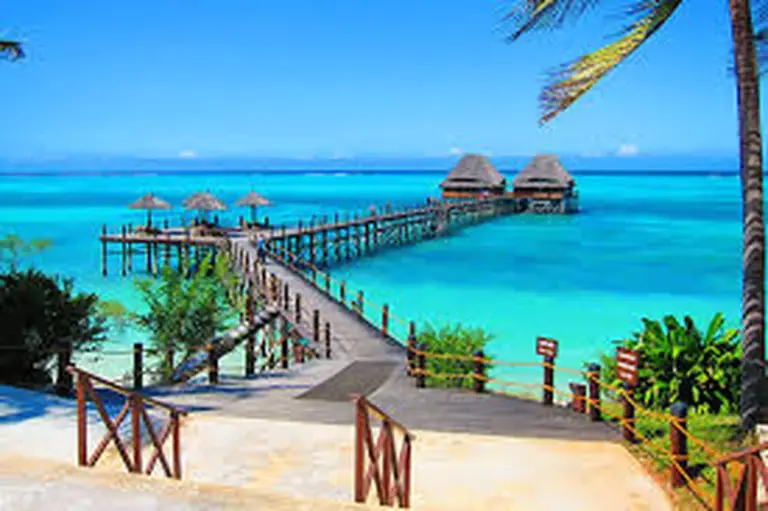
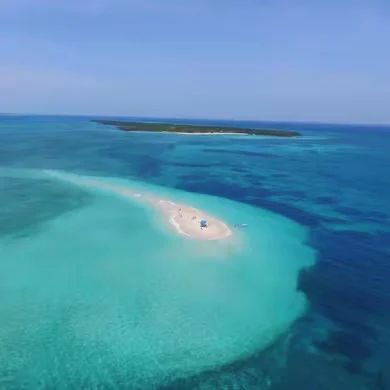

The beach at a glance
- Located on Zanzibar’s northwestern tip, about an hour from Stone Town
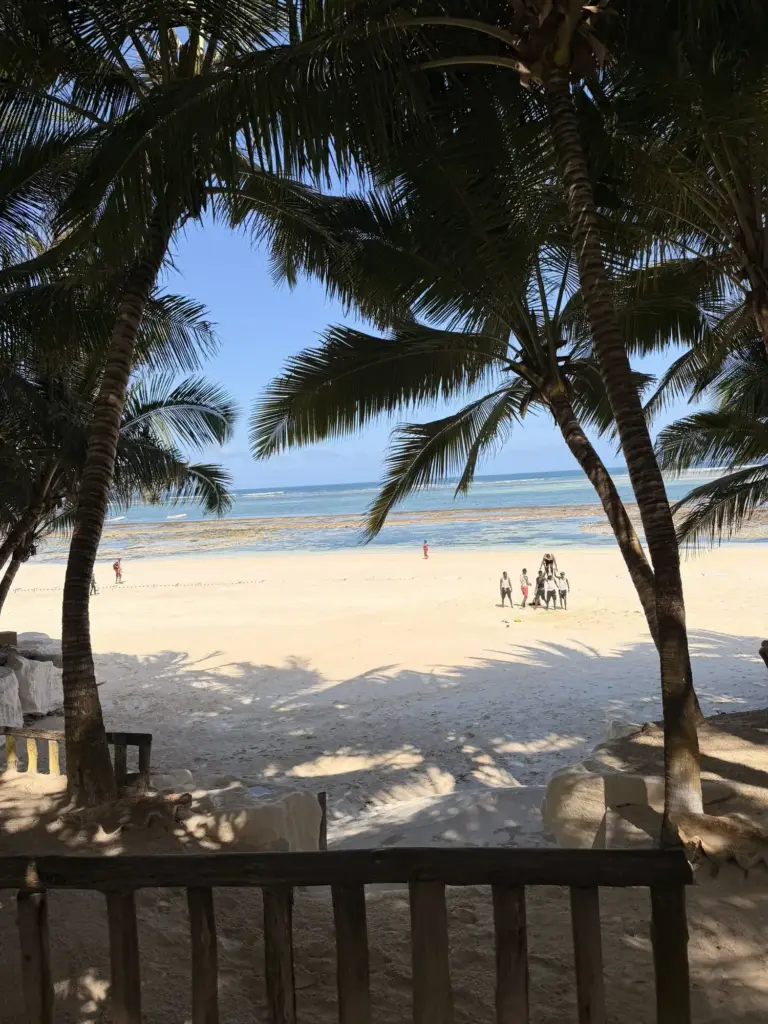
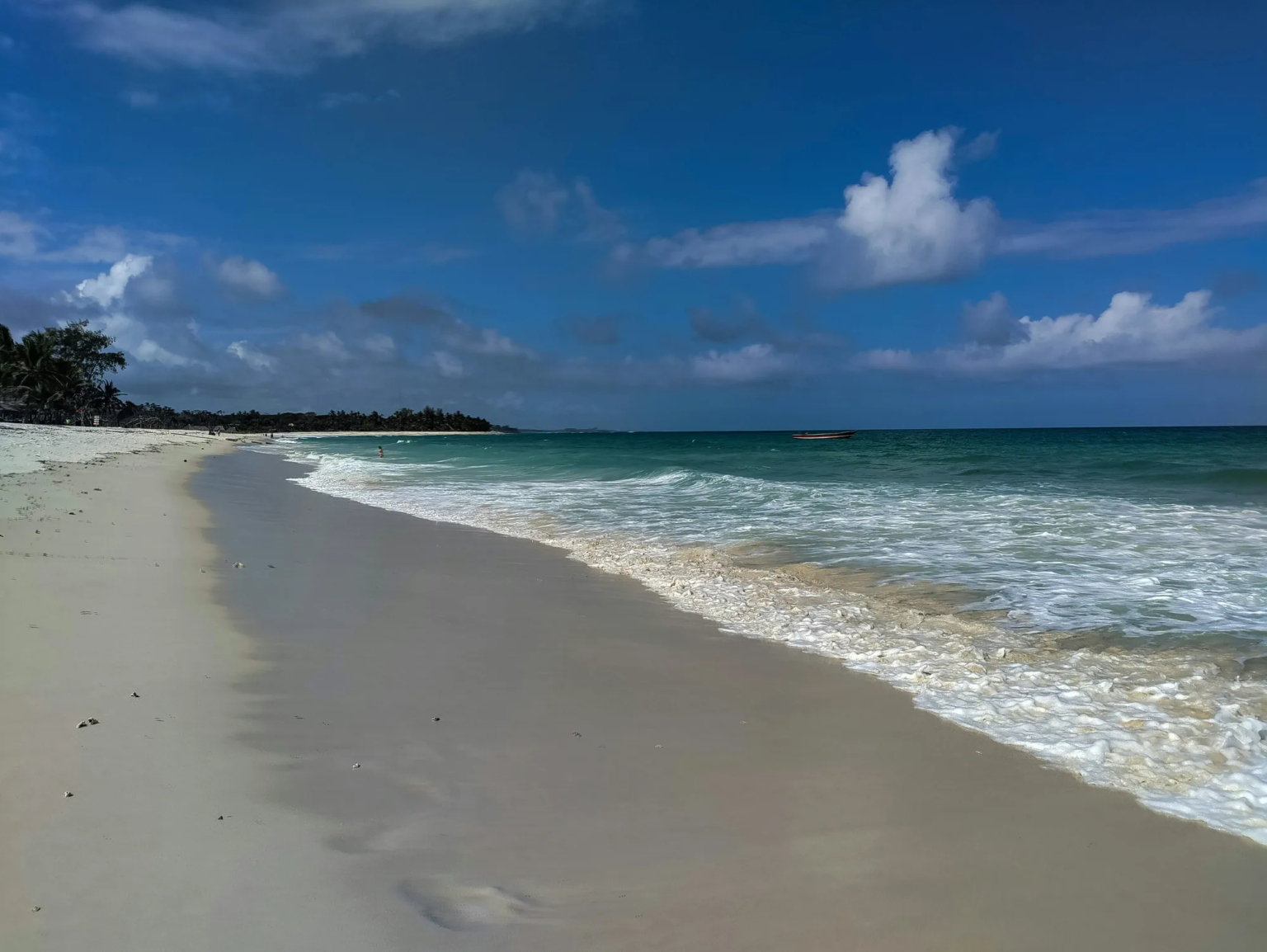
- Minimal tidal variation compared with the east coast, keeping the water swimmable all day
- West-facing beach known for some of Zanzibar’s best sunset views
- A centuries-old centre for traditional wooden dhow building
Dhow building
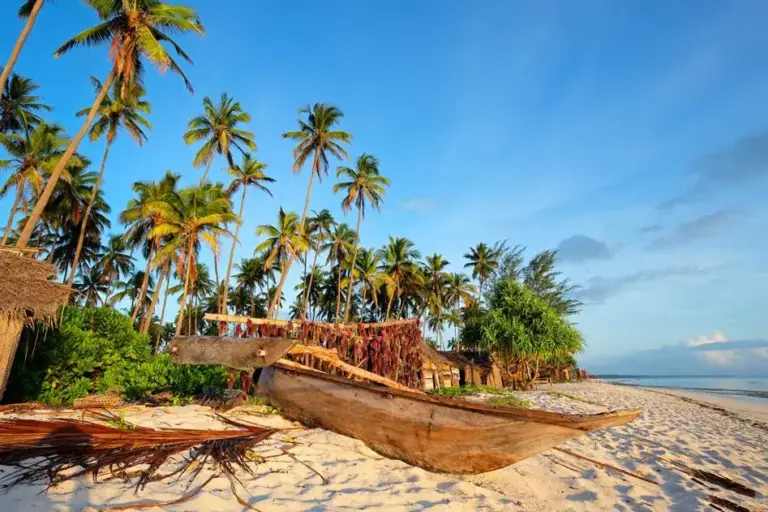
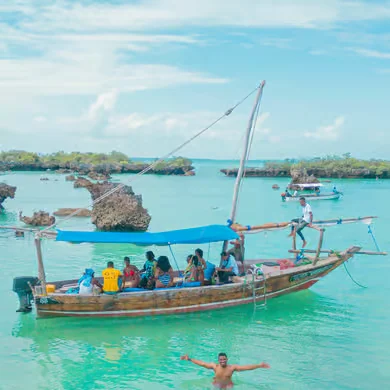
Nungwi has long been known for its dhow-building tradition, with craftspeople still constructing wooden sailing vessels by hand using techniques passed down over generations, including hand tools, fire-bent timber and shark oil as a traditional sealant. The boats built here have long supported the wider archipelago’s fishing industry.
Marine conservation and wildlife
The Mnarani Marine Turtles Conservation Pond, a community-led project near Nungwi, rehabilitates injured hawksbill and green sea turtles before releasing them back into the ocean, giving visitors a chance to see conservation work up close alongside the beach experience.
Things to do
- Swimming and relaxing on a beach with consistent tides throughout the day
- Visiting the Mnarani Marine Turtles Conservation Pond
- Watching traditional dhow building along the shore
- Enjoying sunset views and the village’s beachside dining scene
Practical information
- Reached by road from Stone Town or Zanzibar’s airport, about an hour
- Year-round warm coastal climate, with the wettest months typically March to May
- A wide range of resorts and guesthouses make it one of Zanzibar’s more developed beach areas
The tip of the island
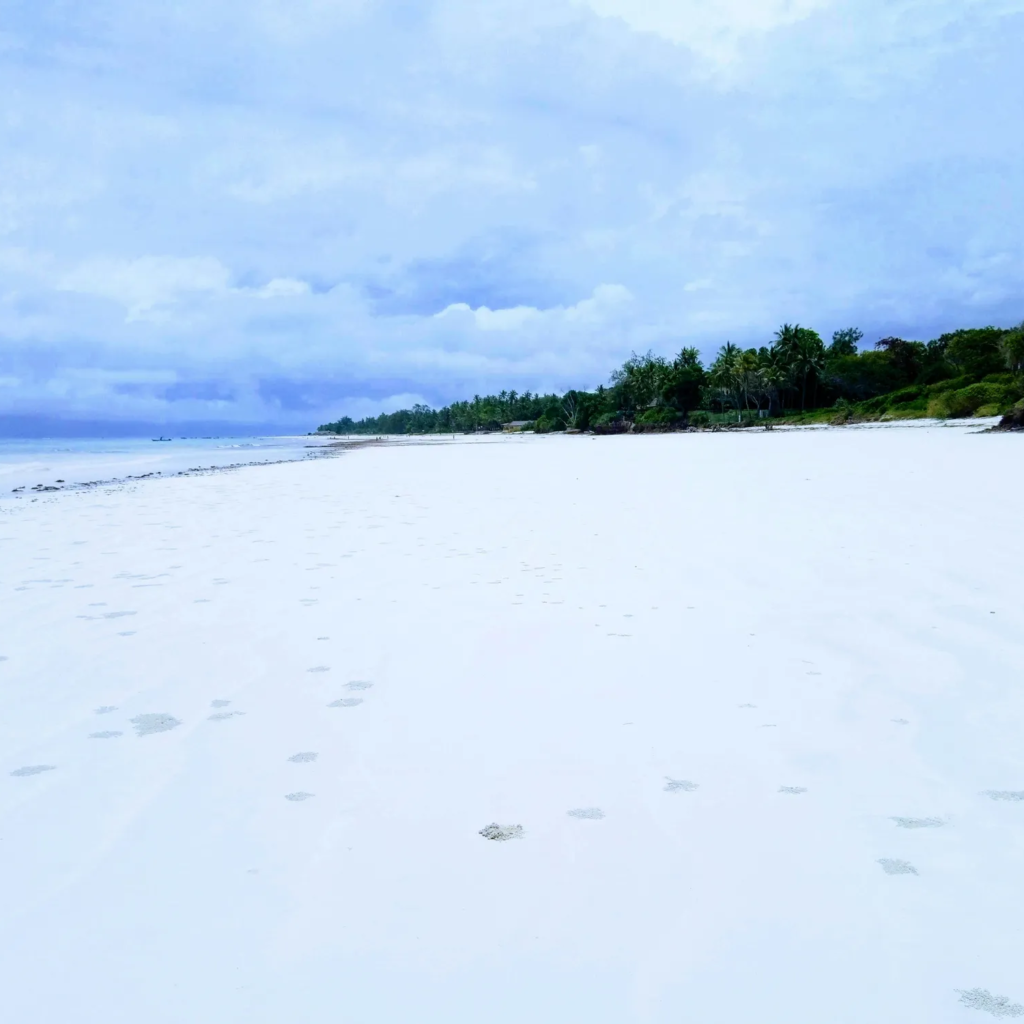
Nungwi sits at the northern tip of Zanzibar and combines a traditional fishing village with some of the island's liveliest beach life. Dhow builders still work on the shore, women sell seaweed products and fishermen mend nets, while resorts, bars and dive centres line the sand. The beach has deep water at all tides so swimming is possible whenever you like, unlike on the east coast.
Turtles at the natural aquarium
The Mnarani Natural Aquarium, a rocky tidal pool, shelters green turtles rescued from fishing nets or found weak. Visitors can see them, feed them with permission and learn about conservation. Fees support the project, and the staff are friendly. Please keep a respectful distance and follow the rules.
Dhow building and village life
Nungwi has been a dhow building centre for generations, and craftsmen shape hulls from local timber with simple tools. Visitors can watch from the shore and learn about the process. Sunset dhow cruises depart from the beach. Walk through the village with a guide to meet families and learn about local customs.
Evenings and the full moon
The beach is lively at night, with bars, music and restaurants serving fresh grilled fish. Full moon events draw crowds, and noise can carry. Choose a resort away from the busiest area if you want quiet. Evening walks on the beach are safe near hotels, but avoid isolated spots late at night.
Getting there and staying well
Nungwi is about an hour to an hour and a half from the airport. Rooms range from simple bungalows to spa villas. Use reef safe sunscreen, drink bottled water and watch for sea urchins. Beach vendors are friendly but persistent. Pair it with Kendwa Beach or Stone Town on the Plan My African Safari.
Snorkelling, diving and boat trips
Boats leave from the beach for snorkelling at Mnemba atoll and local reefs, and dive centres offer courses. Dolphin trips run from the southern coast more often than here, but sunset dhow cruises are popular. Ask about reef fees, life jackets and group size. Early trips are calmer, and mid day sun is strong.
The village beyond the resorts
Behind the hotel strip, Nungwi is a working village of fishing families, small shops and mosques. A walk with a guide shows the market, the dhow yards and the school. Dress modestly in the village, greet people politely and ask permission for photographs. Buying a drink or a craft item supports local families.
Best season for Nungwi
The dry months from June to October and January to February are the best, with clear water and steady breezes. April and May are the wettest, and some places close for the season. The tides are less dramatic than on the east so you can plan swims at any time. Always check the forecast for storms.
Safety, scams and manners
Nungwi is friendly, but visitors should take care. Keep valuables in a safe, avoid isolated beaches at night and agree prices before boat trips or massages. Beach boys may offer tours, and a polite refusal works. Tip fairly for good service. Treat the village with respect and ask before walking through family land.
Eating well in Nungwi
Restaurants serve grilled kingfish, lobster, octopus, rice and chapati, and cafes offer fruit and smoothies. Evening seafood stalls near the beach are good and cheap, but choose a busy one. Vegetarians can find curries and salads. Bring cash for small restaurants.
Nungwi for honeymoon and groups
Couples can book private villas with pools and sunset dinners on the sand. Groups of friends can book beach houses and boat trips together. We help with arrangements, from airport pickup to flowers and transport, on the Plan My African Safari page.
Questions visitors often ask
Can I swim at low tide? Yes, it is one of the best spots on the island. Is it noisy? Parts are, especially on full moon nights. Is it suitable for families? Yes, in quieter resorts. What is the best season? June to October and January to February. How do I get to Stone Town? By taxi or shuttle in about an hour.
Nungwi’s reliable swimming conditions and lively atmosphere make it a strong choice for a Zanzibar beach stay. Offmap Safaris can combine it with Stone Town or a wider Tanzania itinerary. To start planning, visit Plan My African Safari, message us on WhatsApp at +256 701 243 304, or email [email protected]. See also our notes on health and safety and responsible travel.
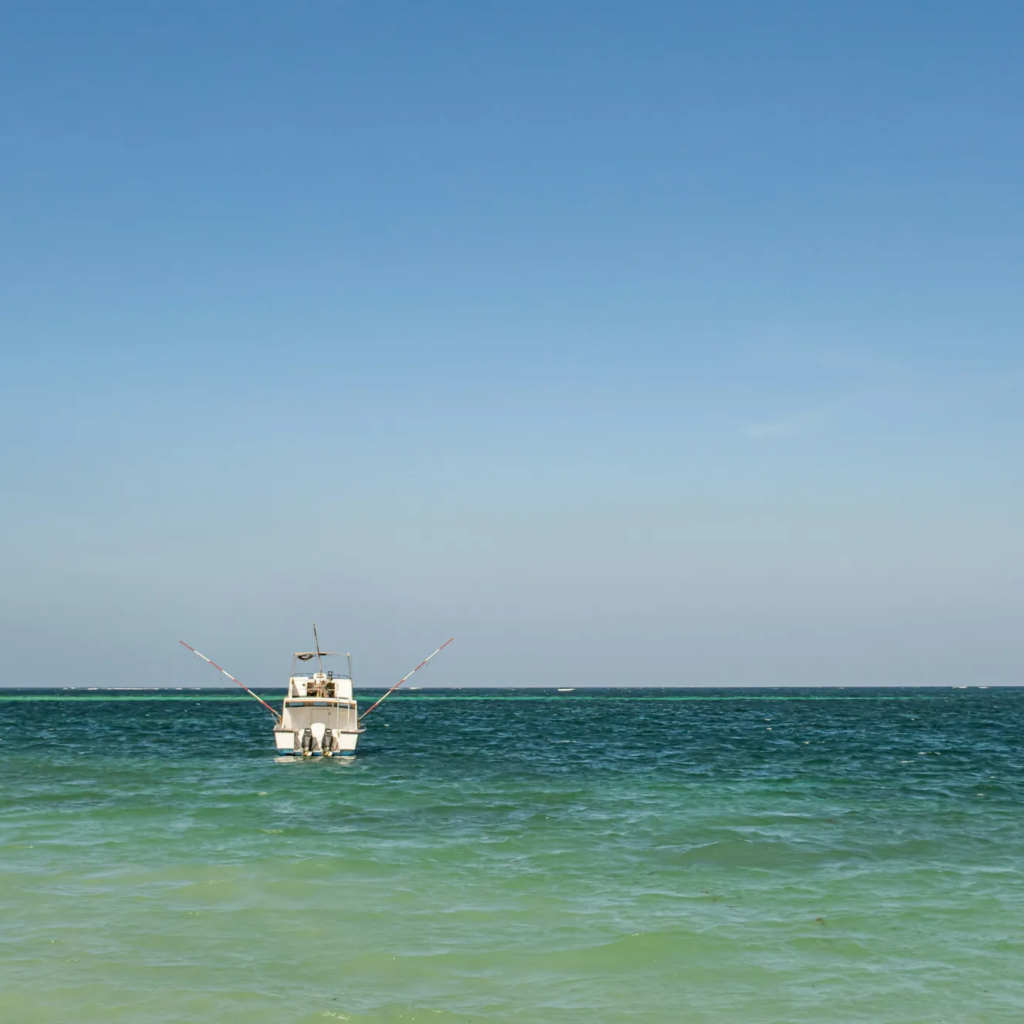
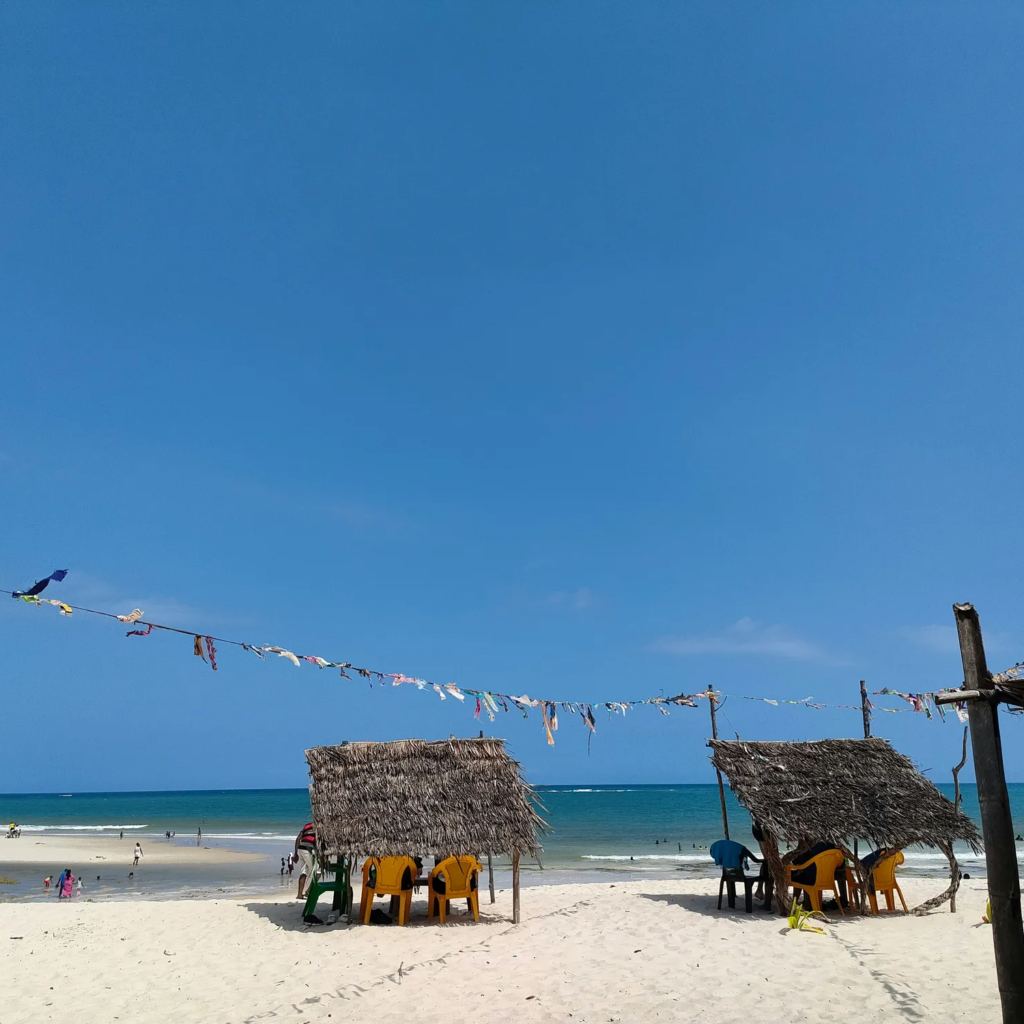
Photo Gallery
Plan a safari that includes Nungwi Beach
Our team plans private, tailor-made safaris, so we can build a trip around Nungwi Beach and adjust the days, lodges and pace to suit you.