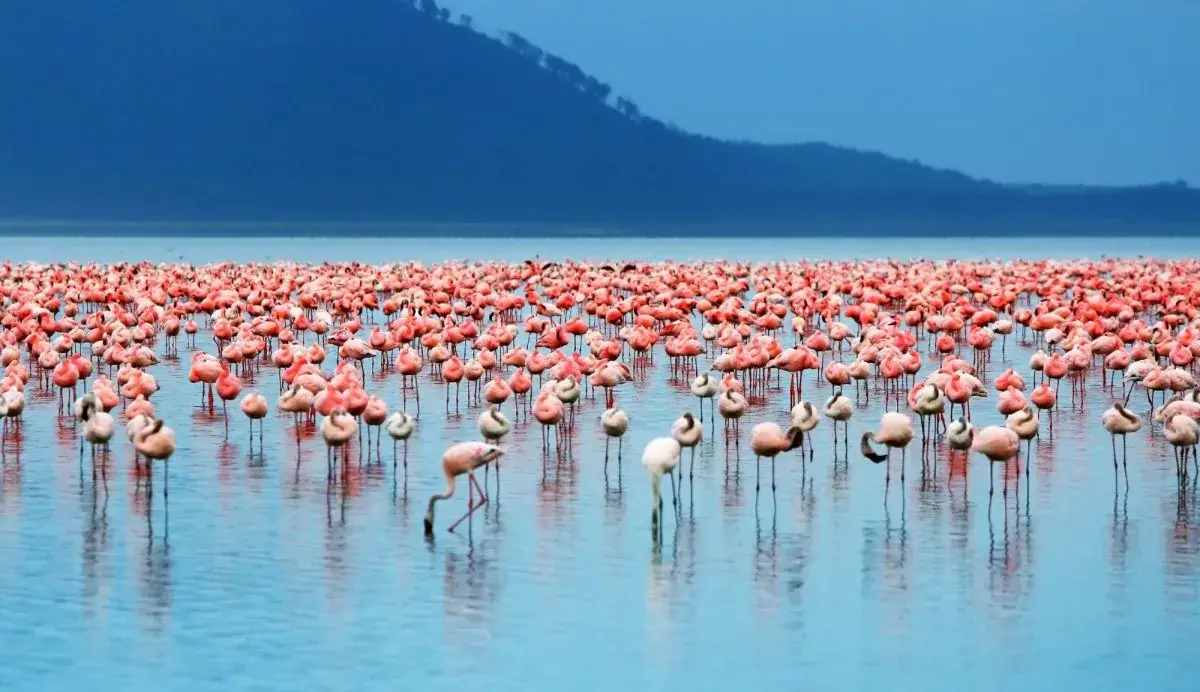
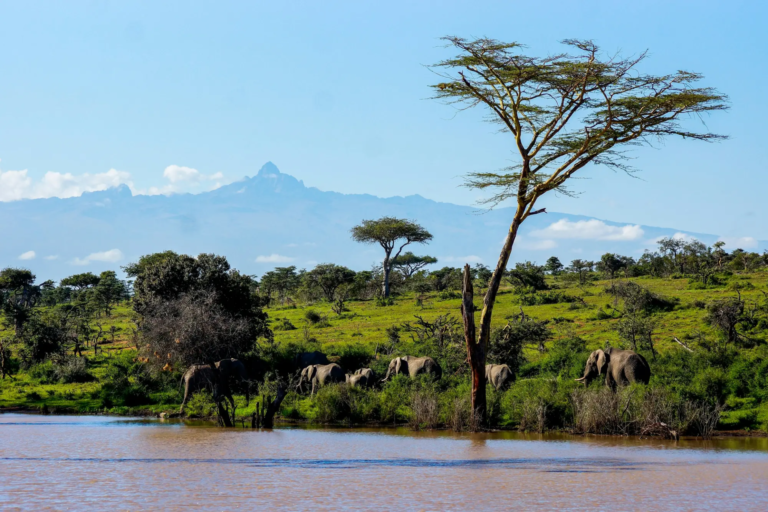

It sits in the dry, hot country of the Njemps people, framed by red cliffs and volcanic hills. It is a place for slow boat rides, dawn birdwatching and cultural encounters, and it is far less visited than the Maasai Mara or Nakuru.
Why Baringo is special
- Fresh water in a soda-lake valley: Baringo and Naivasha are the Rift Valley’s only freshwater lakes in Kenya so wildlife here is quite different from Nakuru, Bogoria or Elmenteita.
- Birds: more than 470 species have been recorded, with some near-endemic and rarely seen elsewhere. It is one of Kenya’s best birding destinations.
- Hippos and crocodiles: hippos are active around the lake and often seen grazing on land at night. Crocodiles are common, though local people say they are less dangerous than elsewhere.
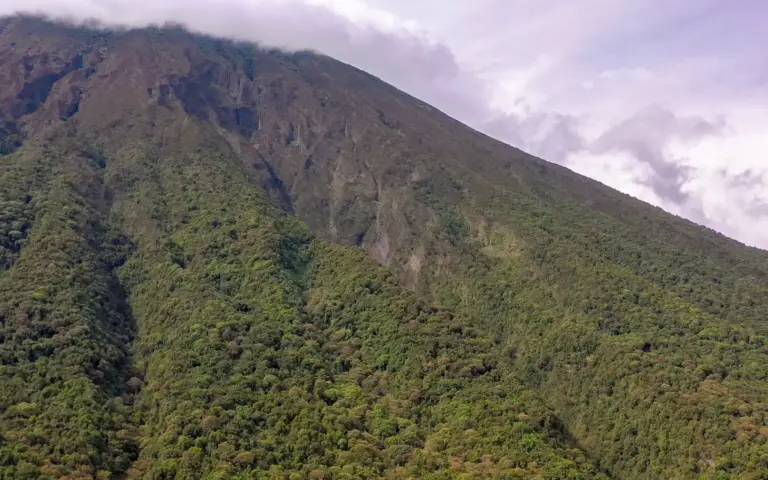
- Islands and cliffs: several small islands dot the water, and towering escarpments frame the shores.
- Rising water: the lake has been rising for years, flooding shoreline homes and lodges, and changing the lives of the communities living on its edge.
The Njemps and Pokot
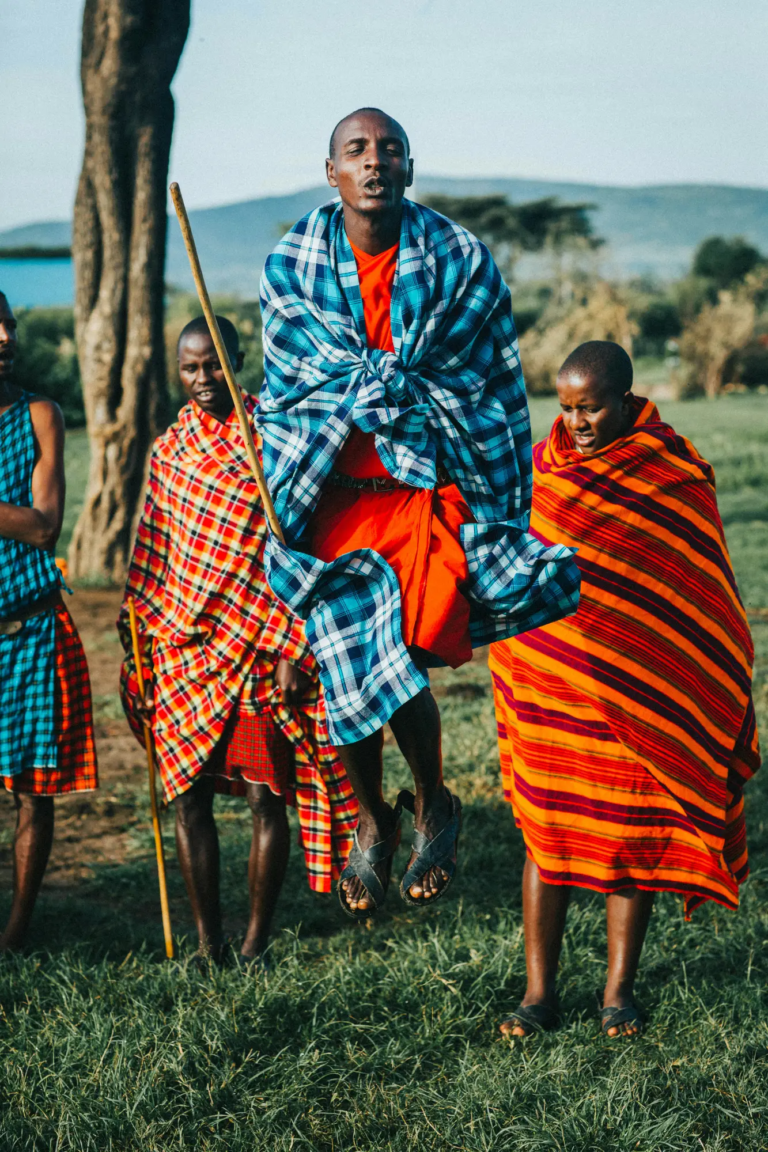
The Ilchamus, also known as the Njemps, are the traditional fishing people of Lake Baringo. They are related to the Maasai but have a very different way of life, based on fishing from small balsa-wood rafts and on irrigated farming. The Pokot live in the hills nearby. Community visits and guided village walks offer insight into both cultures. As always, ask before you photograph people and make sure your fee goes to the people who host you.
What to do
Boat rides
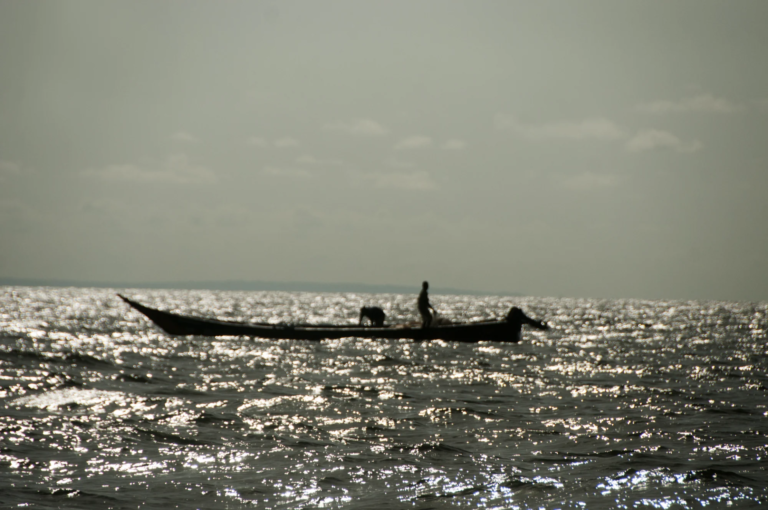
A motorboat or paddle around the lake, usually leaving from the Kampi ya Samaki landing, takes you close to hippos, crocodiles, herons and pelicans and out to the islands. The most spectacular moment for many visitors is watching fish eagles swoop for fish thrown by the boatmen. Sunrise and late afternoon boat rides are magical.
Birdwatching
A birding walk with a local guide along the shore, in the acacia scrub and at the base of the cliffs is likely to produce hornbills, kingfishers, bee-eaters, weavers and, if you are lucky, Verreaux’s eagle. Night walks can show nightjars and owls.
Snakes and reptiles
The Lake Baringo Snake Park displays local snakes, monitor lizards, tortoises and crocodiles, a useful introduction to the region’s reptiles.
Water sports and cultural visits
Some lodges offer water sports and swimming in designated areas, though hippos and crocodiles mean you must follow local advice. Visits to Njemps and Pokot homesteads, fishing demonstrations and craft visits are available.
Fossils and history
The nearby Tugen Hills hold important fossil sites, with finds dating back millions of years, and small local museums tell the story. Kabarnet has a national museum.
Combining Baringo with other places
- Lake Bogoria: about an hour south, famous for flamingos and geysers.
- Lake Nakuru and Lake Elmenteita: the classic Rift Valley circuit.
- Samburu and Lake Turkana: north for a wilder Kenya.
- Kakamega Forest: to the west for rainforest.
Practical information
- Getting there: roughly five to six hours by road from Nairobi via Nakuru and Marigat. Lodges are spread around the shore, some on islands.
- Best time: the lake can be visited year-round. The dry season is hot; the rains are greener, with more migrant birds around November to April.
- Health and safety: the region is hot and dry, with malaria risk; use repellent and follow local guidance on swimming. See our Health & Safety page.
Lake Baringo with Offmap Safaris
We add Baringo to Rift Valley circuits, birding safaris and routes to the north. Plan your safari, message us on WhatsApp +256 701 243 304 or email [email protected]. Read our Responsible Travel page.
Plan a safari that includes Lake Baringo
Our team plans private, tailor-made safaris, so we can build a trip around Lake Baringo and adjust the days, lodges and pace to suit you.