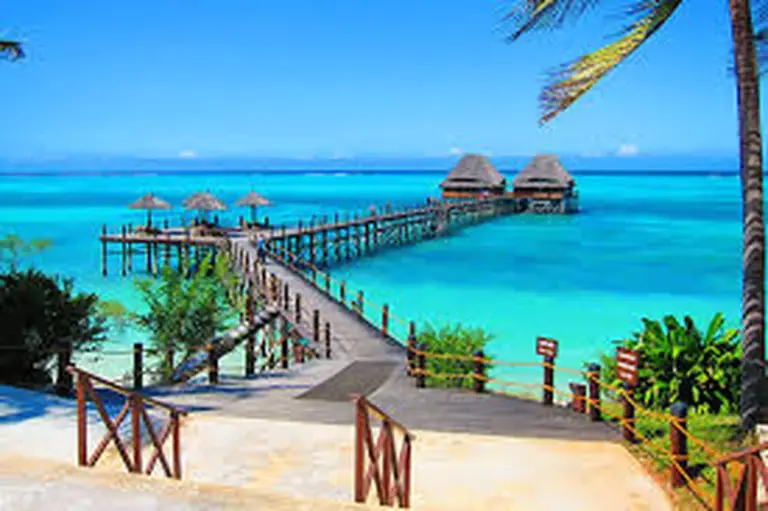
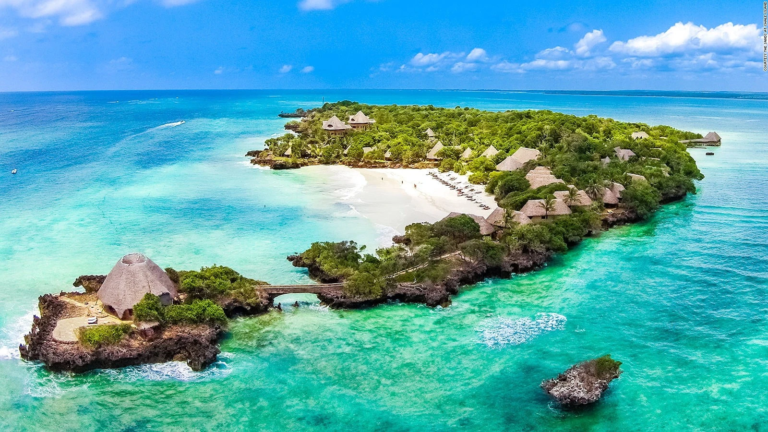
Zanzibar and Pemba
Zanzibar‘s surrounding reefs offer a wide range of dive sites suited to different experience levels, from shallow coral gardens close to shore to deeper drop-offs further out. Pemba Island, north of Zanzibar and considerably less developed for tourism, is generally regarded as the stronger diving destination of the two, its steep coral walls and strong currents drawing more experienced divers specifically for the more dramatic underwater terrain and healthier, less-visited reef.
Mafia Island
Mafia Island, further south along the Tanzanian coast, is best known among divers for its marine park and, seasonally, for whale shark encounters, since these filter-feeding giants gather in the island’s plankton-rich waters at predictable times of year. It draws a different kind of diving visit than Zanzibar or Pemba: fewer dive sites overall, but a strong chance of a rare large-animal encounter for those visiting in season.
Kenya’s coast
Watamu‘s marine national park protects one of the Kenyan coast’s healthiest reef systems, with clear, current-swept water and a good range of coral and fish life for a moderate-depth dive. Kisite-Mpunguti Marine Park, further south near the Tanzania border, is Kenya’s other major dive destination, known for dolphin encounters alongside its reef diving.
Certification and beginner options
Most dive operators along the coast offer full certification courses over three to four days for divers with no prior experience, alongside shorter introductory dives for visitors who want a single guided experience without committing to a full course. Certified divers can typically join a two-tank dive day straight away, provided they bring or can show a valid certification card.
Best time to dive
Visibility and conditions are generally strongest from roughly October to March, avoiding the heavier long rains of April to June, which can cloud the water with runoff and rougher seas. Whale shark season at Mafia Island runs roughly October to March as well, making it the strongest window for divers hoping to combine reef diving with a whale shark sighting.
Wreck diving
Beyond reef diving, several sites along the Kenyan and Tanzanian coast include shipwrecks accessible to divers with intermediate experience, adding an extra dimension to a multi-day dive stay for travellers who want variety beyond coral and fish life. Wreck sites are generally deeper and require more careful buoyancy control than a typical reef dive, so operators usually reserve them for divers with a reasonable number of logged dives already behind them.
Marine life beyond the reef
Alongside reef fish and coral, the coast’s deeper water regularly turns up larger marine life: reef sharks, rays, turtles and, seasonally at Mafia Island, whale sharks, along with a wide variety of moray eels and lionfish in the reef crevices themselves. Currents vary considerably by site, and stronger-current locations, particularly around Pemba, are generally reserved for more experienced divers comfortable navigating moving water.
Diving versus snorkelling
Diving reaches considerably greater depths and a wider range of coral and marine life than snorkelling from the surface can, and suits travellers specifically wanting a more immersive, technical experience with proper certification behind it. Snorkelling remains the simpler, no-certification option for a shallower look at the same reef systems, and many travellers do both on the same visit depending on the day and site.
What to bring
- Your dive certification card if already certified, to avoid delays booking dives on arrival
- Reef-safe sunscreen, since standard sunscreen can damage the coral these dive sites protect
- A rash guard or wetsuit top for sun protection and warmth on longer dive days
- Motion sickness medication if you’re prone to it, since some dive sites require a longer boat transfer
Dive shop standards
Established dive operators along the coast are generally affiliated with international certification bodies such as PADI or SSI, maintaining equipment servicing schedules and small group ratios that matter for both safety and enjoyment. Choosing an affiliated operator over an informal, unaffiliated one is worth the small extra cost, particularly for a first certification course where instructor quality shapes the entire experience.
What makes East African diving special
Diving here is about variety. Warm, clear water, soft and hard corals, walls, drift dives and wrecks all sit within a short boat ride of the coast. Divers can see reef fish, turtles, rays, octopus and, in season, larger visitors such as whale sharks and humpback whales. Visibility is best in the calmer months, and dive centres brief you honestly on what is likely during your stay.
Safety and insurance
Check that your insurance covers diving and the depth you plan to reach. Reputable centres follow international standards, supply well maintained equipment and carry oxygen and first aid kits. Avoid flying within the recommended period after your last dive and plan your itinerary so that your diving ends at least a day before your flight home. Tell the dive centre about medical conditions in advance.
Planning a diving week
A week on Zanzibar, Pemba or Mafia can include six or seven dives, with a rest day for a spice tour or a dhow trip. Beginners can take a discover scuba session or a full course, and experienced divers can pick sites by depth and current. We will help you choose the island and the centre, and pair the dive stay with a safari for a trip that offers both land and sea.
Training before you travel
If you plan to learn to dive, consider completing the theory part of a course at home and the open water dives on holiday, so that your time on the coast is spent in the water, not in a classroom. Experienced divers should bring their certification card, log book and a personal computer if they have one and check that their insurance and fitness are up to date.
Planning your diving stop
Tell us your certification level and how many dive days you want, and we will match you to Zanzibar, Pemba, Mafia or the Kenyan coast depending on what you’re hoping to see underwater.