Zanzibar’s reefs
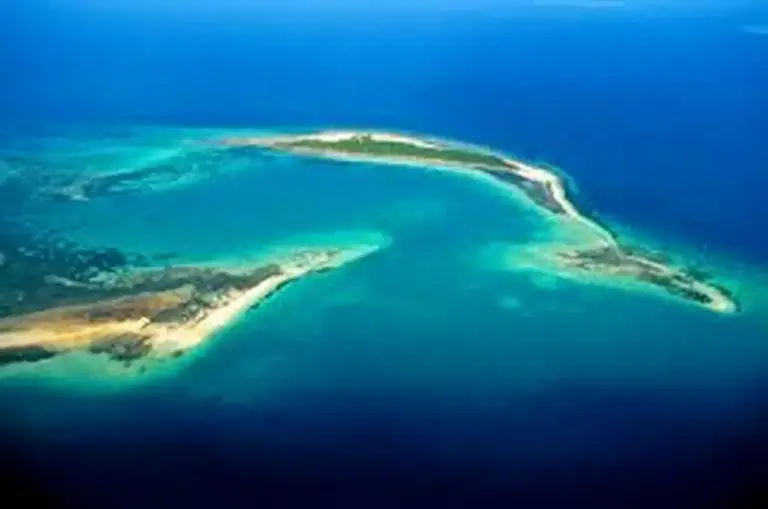
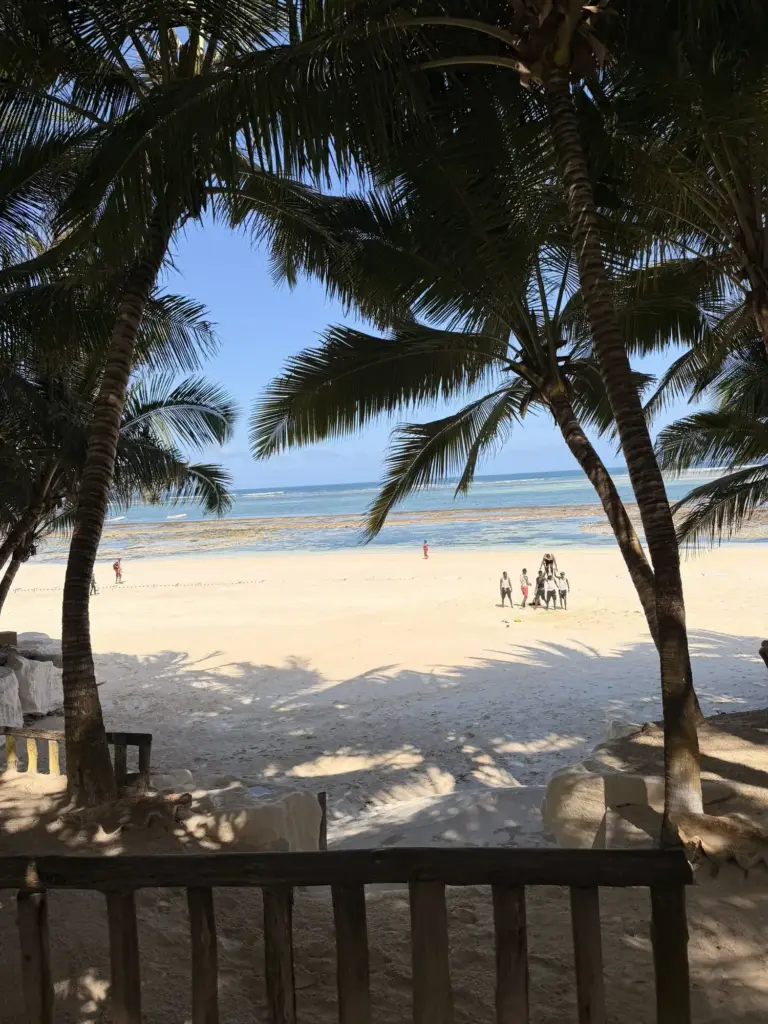
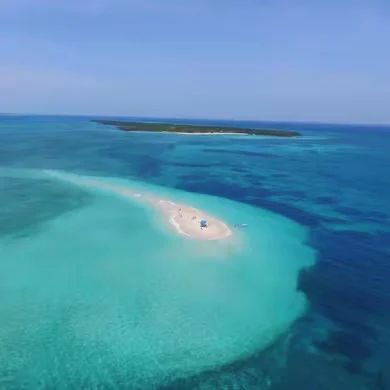
Zanzibar’s shallow fringing reefs, particularly around Nungwi and offshore sandbanks like Mnemba Atoll, offer some of the coast’s most consistent snorkelling conditions, with clear water and a good depth range for snorkellers rather than divers. Boat outings to these sites are widely available and typically combine snorkelling with a stop on a sandbank at low tide.

Watamu’s marine national park
Watamu‘s protected marine park is one of the Kenyan coast’s best snorkelling destinations, its reef close enough to shore for an easy boat crossing and its protected status helping keep coral and fish populations healthier than at less-regulated sites. Sea turtles are a regular sighting here, part of the same conservation programme that runs Watamu’s turtle nesting work on the beach itself.
Kisite-Mpunguti and dolphin encounters
Further south near the Tanzania border, Kenya’s Kisite-Mpunguti Marine Park combines snorkelling with a strong chance of spotting dolphins in the surrounding water, a pairing that makes it a popular half-day outing from Diani or the wider south coast for travellers wanting both in one outing.

Pemba and Mafia Islands
Pemba Island‘s reefs, generally considered Tanzania’s best for underwater visibility and coral health, suit snorkelling as well as diving, with several shallow sites close to the island’s western shore. Mafia Island‘s marine park similarly offers strong snorkelling, and its whale shark season, roughly October to March, occasionally allows snorkellers, not just divers, to swim alongside these filter-feeding giants under proper guide supervision.
What a snorkelling outing involves
Most snorkelling is arranged as a half-day boat outing, combining one or two reef stops with a beach or sandbank break, and equipment is generally provided by the boat operator rather than needing to be brought from home. No swimming test or certification is required, though basic swimming ability and comfort in open water are assumed, and life jackets or flotation aids are available for less confident swimmers.
Snorkelling with children
Because it requires no certification and can be done at a slow, shallow pace close to a boat or shore, snorkelling is generally the more family-friendly of the coast’s two reef activities, suiting children old enough to swim comfortably and wear a mask without distress. Several operators offer shorter, gentler sessions specifically aimed at younger or first-time snorkellers, staying in shallower water than a standard adult-paced outing.
Combining snorkelling with a beach stay
Most snorkelling sites sit within a short boat ride of the beaches already covered elsewhere on this site, meaning a snorkelling morning slots easily into a beach-focused stay without requiring a change of base. Nungwi, Watamu and Diani in particular combine well-established beach infrastructure with snorkelling access close enough that half-day outings rarely eat into an entire day.
Snorkelling versus diving
Snorkelling stays at the surface, limiting depth and the range of marine life visible compared with scuba diving, but requires no certification, training or specialist equipment, making it the simpler and more flexible option for travellers who want a shorter, lower-commitment look at the same reef systems divers explore in greater depth.
What to bring
- Reef-safe sunscreen, since standard sunscreen can harm the coral these sites protect
- A rash guard or light long-sleeved top for sun protection during extended time in the water
- Waterproof sandals for sandbank or beach stops between snorkelling sessions
- Your own mask if you have a well-fitting one, though boats generally provide equipment
Best time to visit
October to March generally offers the clearest water and calmest conditions across the coast, avoiding the heavier long rains of April to June that can cloud visibility and roughen the sea.
Responsible snorkelling
Coral is a living, slow-growing organism easily damaged by a careless fin kick or a hand reaching out for balance, and good operators brief every group on maintaining distance from the reef itself and avoiding standing on coral even in shallow water. Choosing an operator that visibly follows these practices, rather than one that lets snorkellers touch or stand freely, is a meaningful way to help keep these reefs healthy for future visitors.
Choosing a snorkelling spot
Spots differ in conditions. Some reefs are close to shore and calm, ideal for beginners and families while others lie further out and need a boat and some experience. Tell us your comfort level and we will pick a site and a time of day that suits you. Slack tide gives the calmest conditions and the best visibility.
Marine life to look for
Colourful reef fish, parrotfish, angelfish, clownfish, sea urchins, starfish, turtles and rays are often seen, with octopus and moray eels hiding in crevices. Look closely at corals, because small creatures hide among them. A guide can point out species you might miss, and an underwater camera brings the memories home.
Staying safe in the water
Use a snorkel vest if you are not a confident swimmer, wear sun protective clothing and apply reef safe sunscreen. Stay with your guide and the group, watch for boats and currents and never stand on coral. If you feel tired or cold, return to the boat. A calm, unhurried approach makes snorkelling safe and enjoyable for almost everyone.
Gear and fit
A well fitting mask is the key to enjoying snorkelling. Test it by pressing it to your face without the strap and breathing in through your nose. If it stays in place, it fits. Choose a snorkel with a dry top, and fins that fit snugly without pinching. Most operators provide gear, though some travellers prefer to bring their own mask for comfort and hygiene.
Planning your snorkelling stop
Tell us which stretch of coast is already on your route, and we will build in a snorkelling outing that matches how much time and activity you want alongside your beach days.