What habituation means
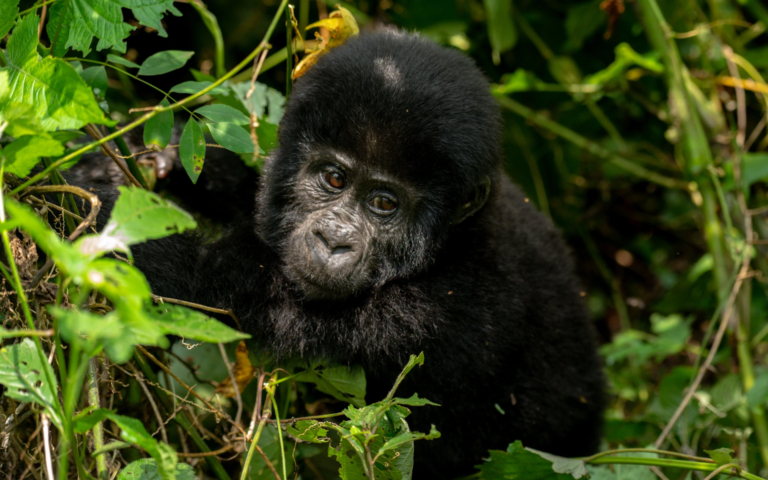
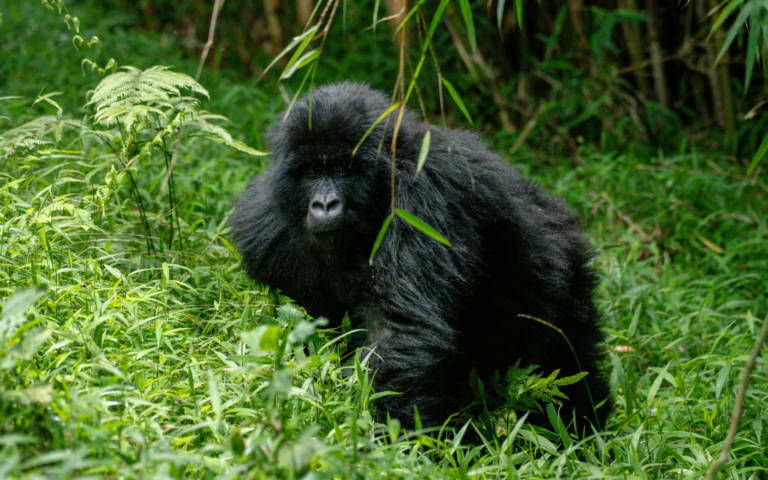
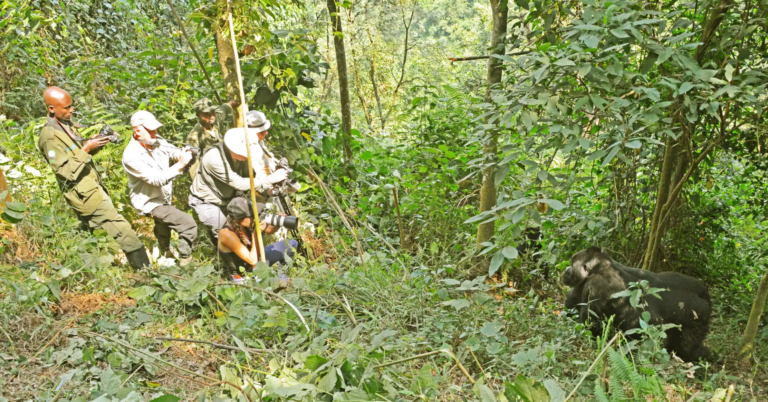
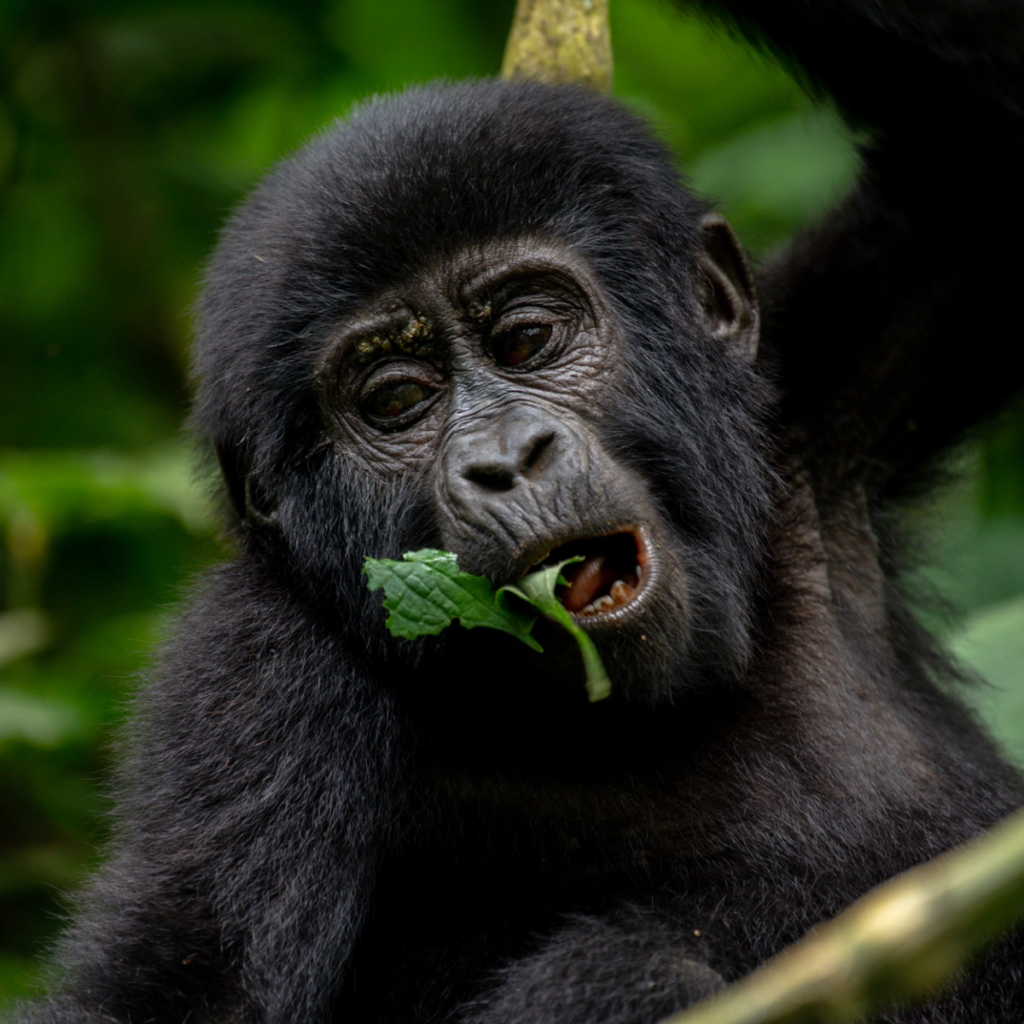
A gorilla family that has never met people will flee or charge when it sees them. Habituation is the slow process of changing that. Trackers visit the family daily, keeping a respectful distance at first and moving a little closer each week, until the gorillas carry on feeding, playing and resting while people are nearby. The process usually takes two to three years, and only once it is complete is a family opened to regular trekking.
Because the gorillas are still learning, the behaviour you see is less rehearsed. A habituation group can be a little more wary than a fully habituated family, and the rangers manage your position accordingly.
Where it is offered
The experience is offered in the Rushaga sector of Bwindi Impenetrable National Park in southwestern Uganda, where rangers run habituation for gorilla families still being prepared for tourism. Rwanda’s Volcanoes National Park does not offer it to visitors. Rushaga is also one of Bwindi’s busiest sectors for gorilla families so it is easy to add a standard trek on another day.
How it differs from a standard trek
- Time: up to four hours with the gorillas instead of one.
- Group size: a maximum of four visitors a day, compared with eight for a standard trek.
- Access: you follow the trackers on the same day-long schedule they keep so your day is longer.
- Cost: the permit is priced well above a standard permit, and fees can change.
- Pace: slower and less scripted, with more time to watch individual behaviour.
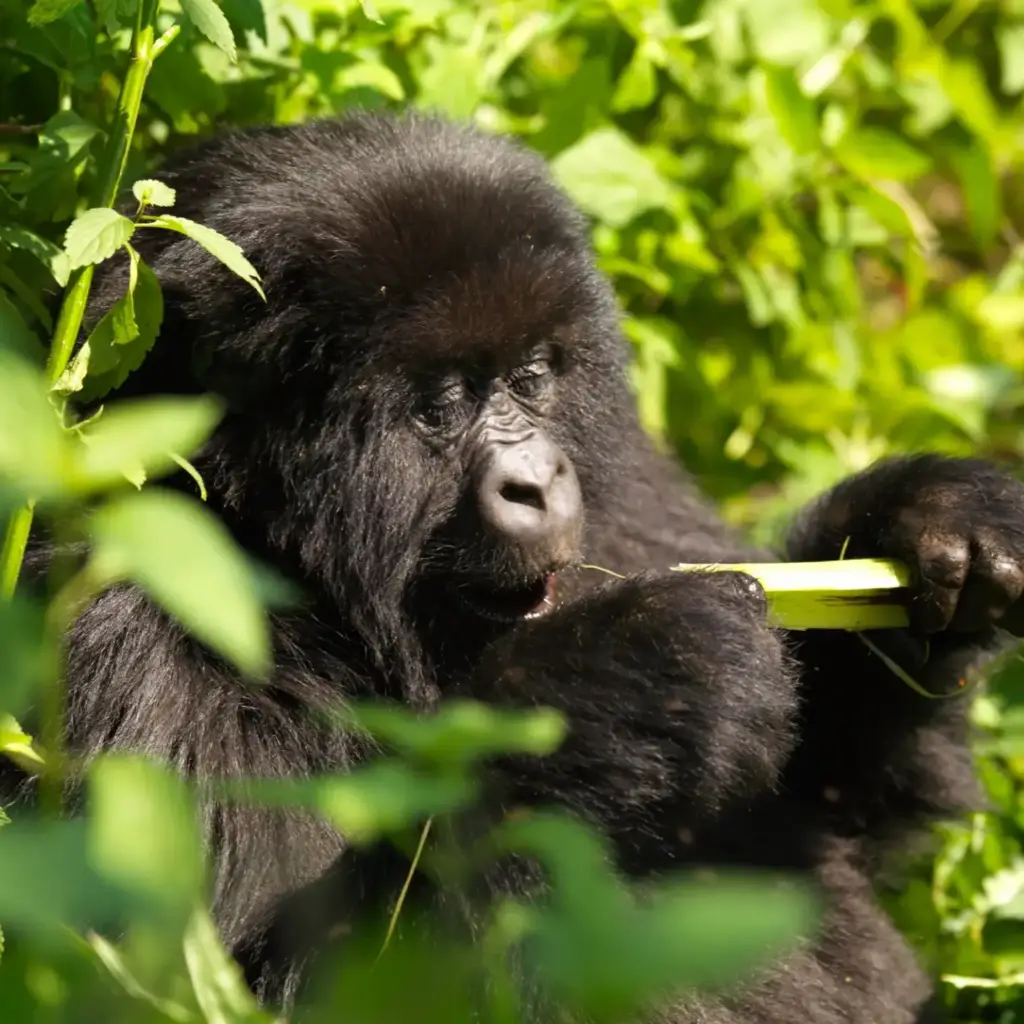
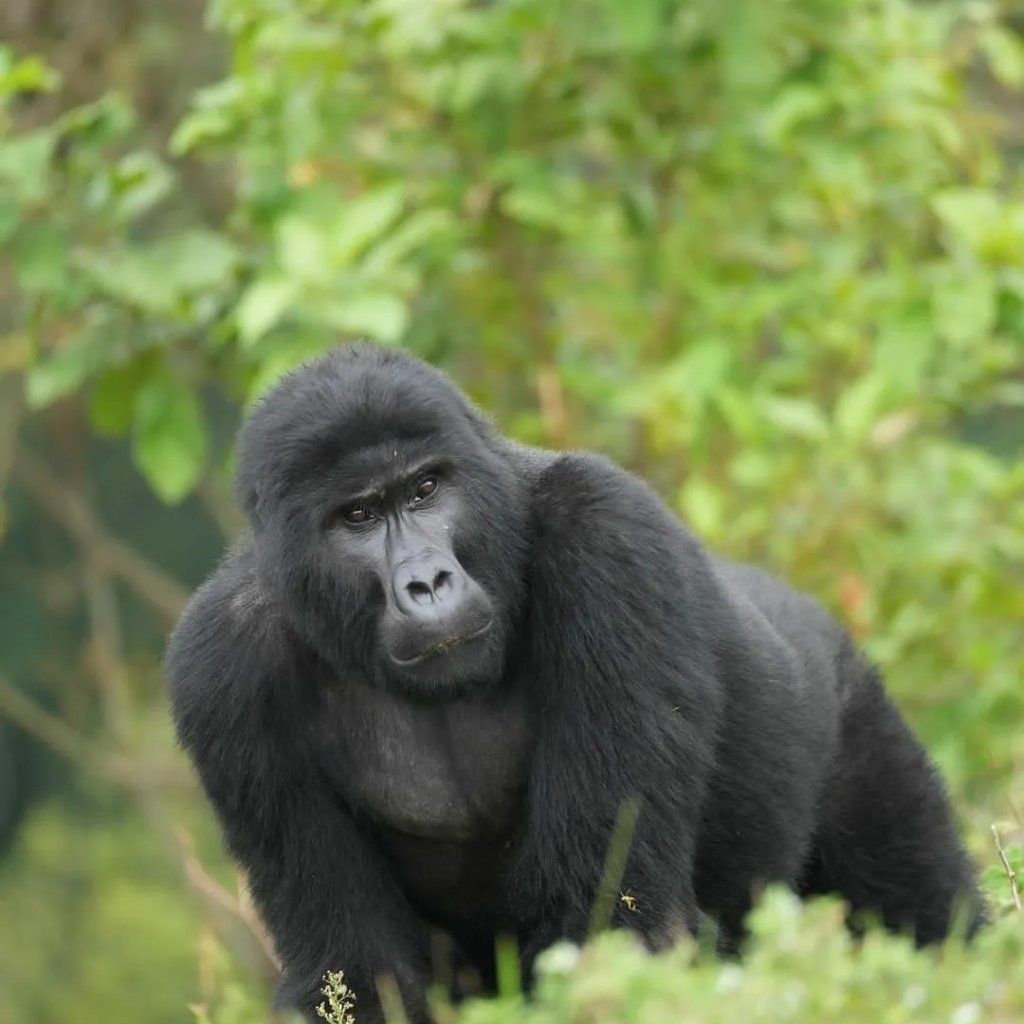
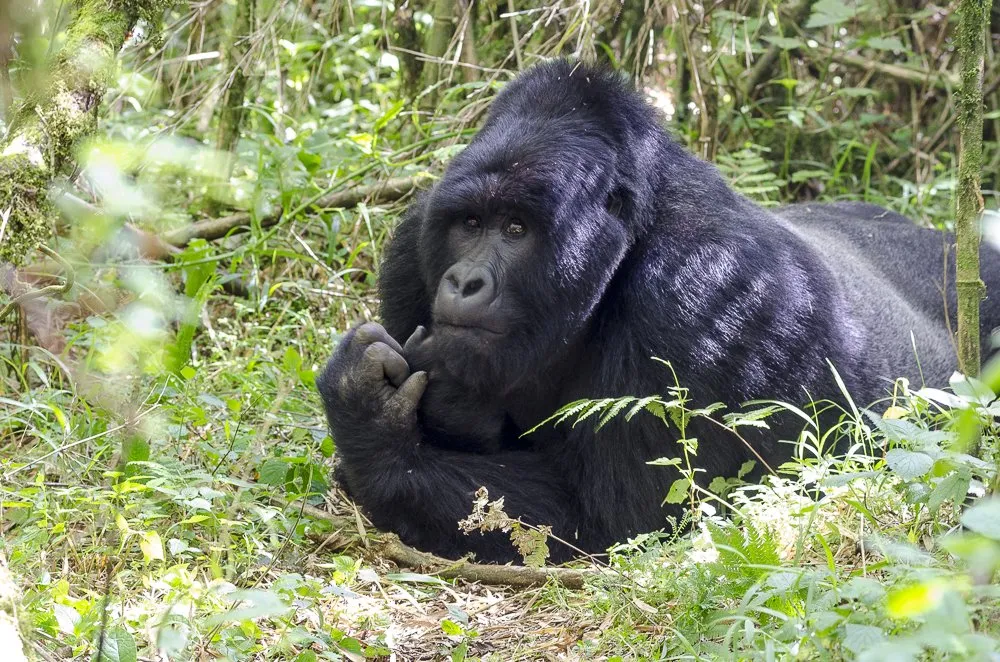
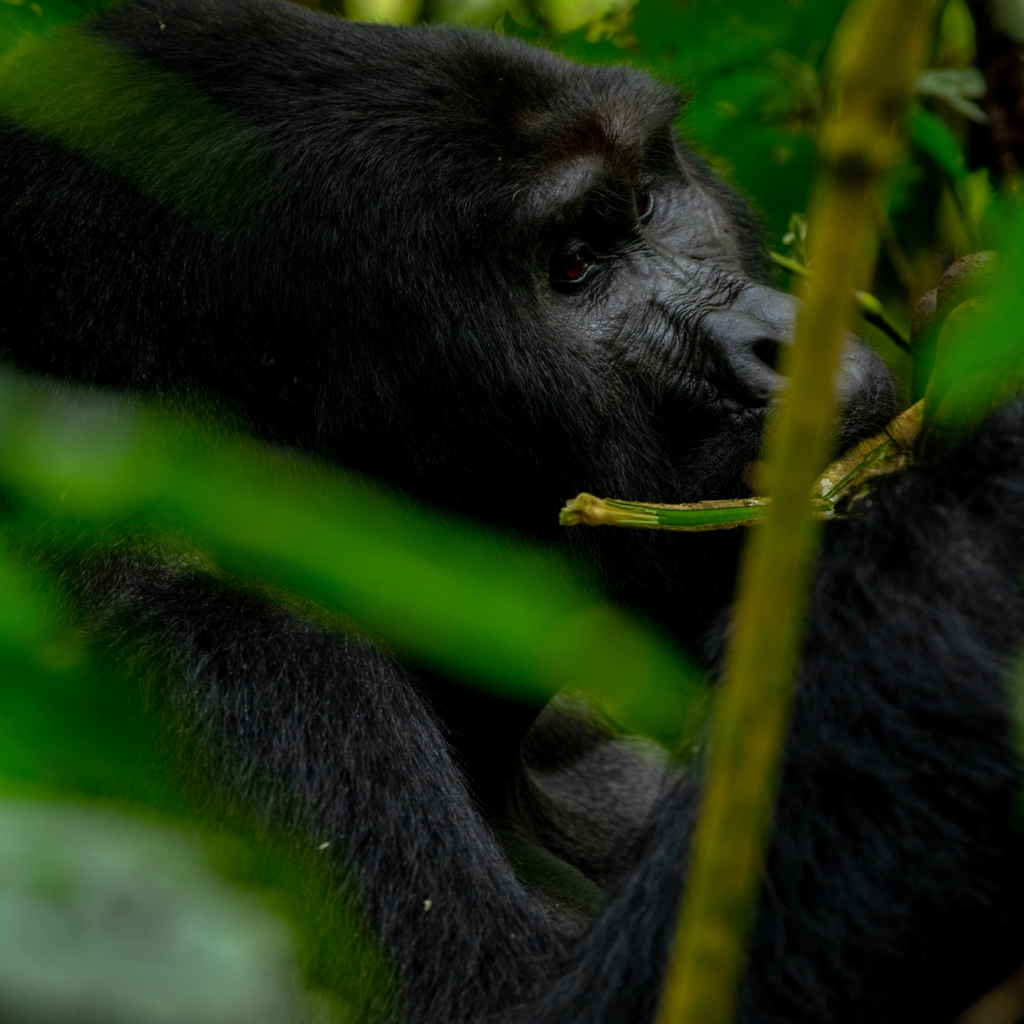
Those four hours change the experience. In an hour you see a family. In four you begin to see individuals: who steps aside for whom, which juvenile is always in trouble, how the silverback settles a quarrel without raising his voice.
A typical day
You meet at the Rushaga park office at dawn for a briefing, then walk into the forest with the trackers who found the family the day before. The walk in can take from one hour to several through steep, forested country. Once you reach the gorillas, you stay with them for up to four hours, moving when they move. You will usually eat a packed lunch in the forest and walk out with the trackers in the afternoon. The whole day can run to eight hours or more so an early night beforehand is a good idea.
Who it suits
This experience suits people who care more about time with the animals than about ticking a list, and who are comfortable walking steep terrain for a long day. The minimum age is 15, and you need to be reliably fit, because a habituation group can be several hours from the trailhead and you will spend long periods standing or sitting in awkward positions. It is a rewarding second gorilla experience for someone who has already trekked once, and equally memorable as a first.
Why habituation matters for conservation
Habituation is part of how gorilla conservation pays for itself. A family that has been habituated can be visited safely, which creates income for the park and jobs for trackers, guides and porters. The daily follows also give researchers detailed records of births, deaths, health and group movements, and the constant human presence deters poachers. Visitors who join a habituation experience contribute directly to that work.
Common questions
Is it safe? Yes. Armed rangers accompany every group, and the gorillas are managed carefully by experienced trackers. The risks are the terrain and the weather, not the animals.
Can I combine it with a standard trek? Absolutely. Many people do a standard trek on one day and the habituation experience on another, which shows the difference between a fully habituated family and one still learning.
Will I get good photographs? Usually, but this is not a photographer’s set-piece. Light is dim, the gorillas move often, and the trackers set the pace. Bring a camera you can use quickly and be ready to put it down and watch.
What if the gorillas are nervous? The trackers read their behaviour and will move the group back or wait, so patience is part of the experience.
Preparing for the day
Start walking on hills a few weeks before you travel, and break in your boots. Pack a light rain jacket, gloves, plenty of water and energy snacks and wear layers, because the forest is cool at dawn and warm by midday. Rangers can arrange a porter to carry your bag, which makes the long day considerably easier.
Booking and planning
Only a handful of permits exist each day, and they sell out well ahead, especially between June and September and from December to February. We recommend booking at least nine to twelve months in advance and confirming the dates before you buy flights. Fees change so we quote the current price in writing.
The rules that protect gorillas apply throughout: keep your distance, keep your voice low, never eat where they can see you and stay away if you feel ill. Wear long trousers, waterproof boots, gloves and a rain jacket and carry plenty of water.
Combining it with the rest of your safari
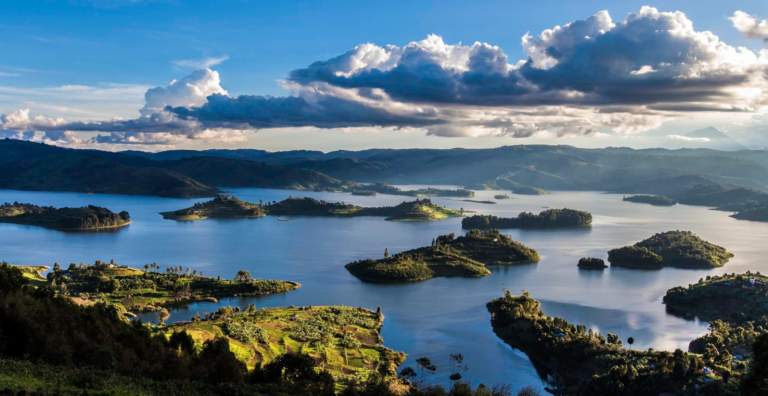
Rushaga sits in the south of Bwindi, which makes it a natural companion to a standard trek in the same sector, to a stay at Lake Bunyonyi, and to the long road between Queen Elizabeth National Park and the Rwandan border. Tell us your dates, your fitness and your group size, and we will check availability, arrange your permit and build the surrounding safari.
Photo Gallery