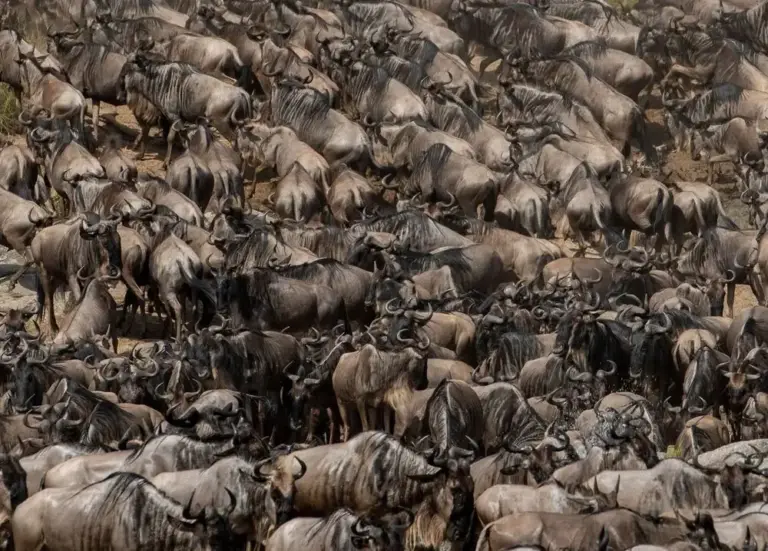
We believe a safari should leave wildlife, communities and landscapes better off for having been visited, not just the traveller. That belief shapes how we plan every itinerary, and it also asks something of you. This page explains what we do, the rules you will meet, and simple things every visitor can do to help.
Wildlife and conservation
Much of what makes East Africa special depends on protected areas that are funded, in large part, by the people who visit them. Permit and park fees pay for rangers, trackers, anti-poaching patrols and veterinary care, and a share of park revenue goes to the communities living beside the parks. Gorilla and chimpanzee permits in particular are limited each day because the animals are vulnerable, and their price is part of how they are protected. We follow the rules of the authorities on group sizes, distances and time limits at all times, including the Uganda Wildlife Authority, the Rwanda Development Board, Tanzania National Parks and the Kenya Wildlife Service. Where we can, we favour lodges and operators with a genuine conservation record.
Watching wildlife well
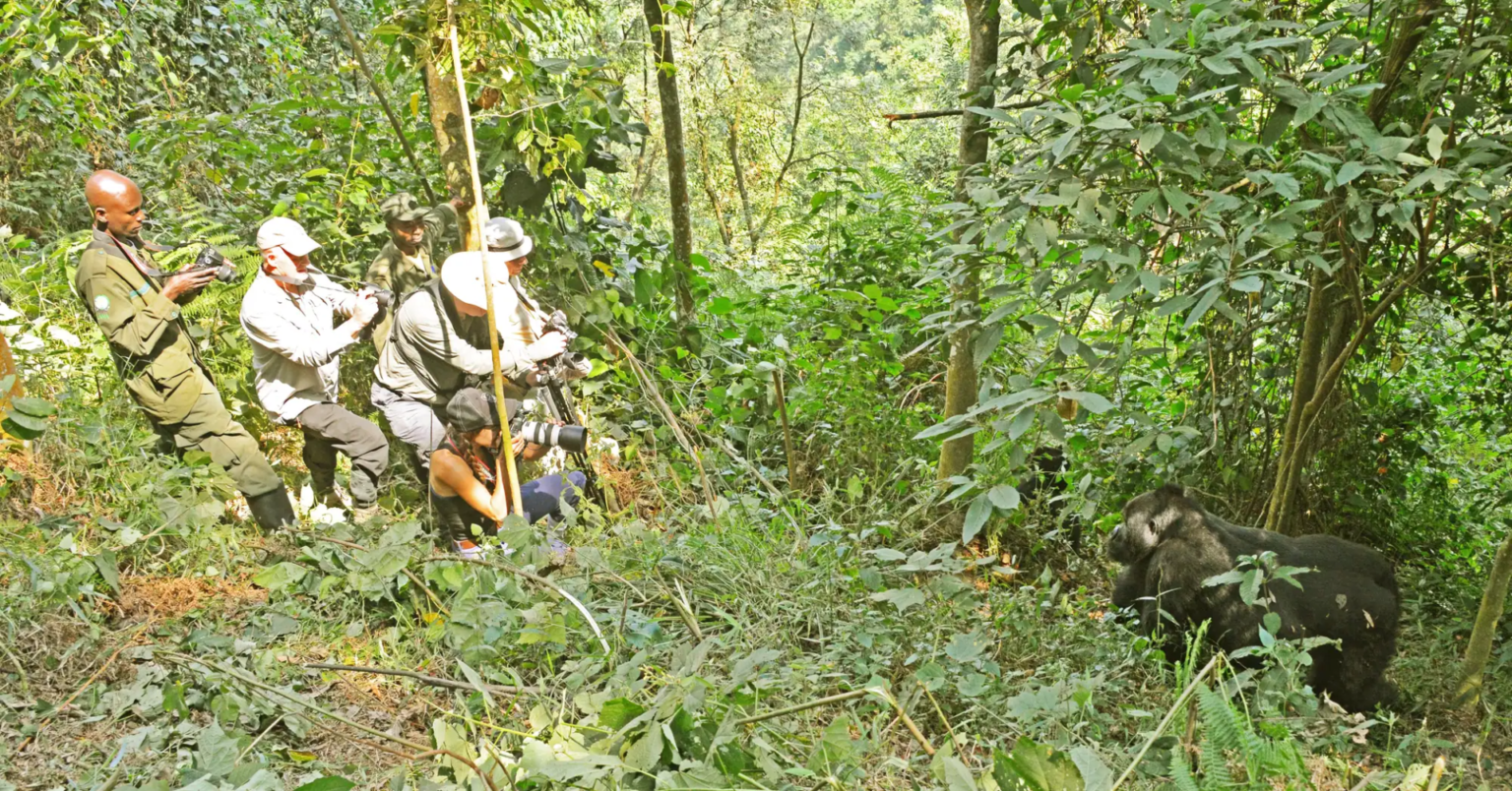
- Keep your distance. Follow your guide’s instructions. Around gorillas this is usually about seven metres, and you may be asked to wear a mask.
- Stay quiet and calm. Loud voices and sudden movements frighten animals and spoil the moment for everyone.
- Never feed, touch or call animals, and do not ask your guide to break the rules to get a better photograph. Good guides will decline, and they should.
- Stay in the vehicle unless your guide says otherwise and keep to tracks and trails so that habitats are not damaged.
- If you are unwell, say so. Great apes catch human illnesses easily, and rangers may ask you to stay behind. It protects the animals. See our Health & Safety page.
- No flash near primates, and no drones in protected areas without permission.

Communities and local economies
Tourism does the most good when the money stays close to the people who live alongside these landscapes. Where possible, we build cultural experiences and community visits around genuine, respectful encounters instead of staged performances, and we favour locally owned guides, lodges and operators.
- Choose community-led experiences and ask how the fee is shared. Good hosts are happy to explain.
- Pay fairly, and do not bargain hard over handmade crafts. A small difference matters far more to the maker than to you.
- Buy local: crafts, food, coffee and tea bought directly from makers and growers keep income in the community.
- Tip your guide, driver, rangers and porters if you were well looked after. Ask us or your guide what is customary.
- Do not visit orphanages. Most children in orphanages have living family, and visits can do harm. If you want to help children, we can suggest better ways.
- Avoid handing out sweets, pens or money to children, which encourages begging. Give through a school, health centre or community project instead.
Respecting people and places
- Ask before photographing people, and respect a “no”. Offer to show them the picture.
- Dress modestly in villages, towns and at religious and cultural sites, in keeping with local norms.
- Greet people. A few words of Luganda, Kinyarwanda or Swahili are always appreciated.
- Visit memorials with care. Sites such as the Kigali Genocide Memorial and Namugongo Martyrs Shrine are places of remembrance. Follow guidance on photography and give yourself time and quiet.
- Never buy wildlife products. Ivory, animal skins, shells and similar goods are illegal to export and harm the animals we come to see.
Plastics and the environment
East Africa has some of the strictest plastic laws in the world, and visitors are expected to follow them.
- Rwanda has banned plastic bags since 2008, and any found in your luggage will be confiscated at the airport or border.
- Tanzania does not allow visitors to bring plastic carrier bags into the country, and there are surrender desks at entry points. Sealable bags used for toiletries are usually allowed.
- Kenya has banned plastic bags since 2017, including duty-free carrier bags and has banned single-use plastics such as disposable cups, plates and straws in national parks, forests and beaches since June 2020.
- Uganda has restricted plastic bags since 2009, although enforcement is uneven.
Pack a reusable water bottle and a cloth bag, refill your bottle from filtered water where offered, take your litter with you and leave nothing behind on trails. Use water and electricity sparingly, and reuse towels at lodges. See the Visit Rwanda note on the plastic ban.
Choosing your safari
- Fewer, longer stays spread benefits more widely and use less fuel than moving every night. We would rather do fewer places well.
- Smaller groups and private vehicles put less pressure on wildlife and let your guide take more care.
- Travel in the quieter months if you can. They bring lush landscapes, fewer visitors and support for lodges through the low season.
- Ask us questions. Ask where we stay, who owns it, how staff are treated and where fees go. We would rather answer honestly than promise more than we can.
Tell us what matters to you
If responsible travel is a priority for your safari, for example supporting a particular conservation cause, seeking out community-run lodges or reducing your footprint, tell us when planning and we will shape your itinerary around it. You can start planning here, use our Contact page, email [email protected] or message us on WhatsApp +256 701 243 304.
You may also want to read our Terms & Conditions and Privacy Policy.