Tourism security arrangements
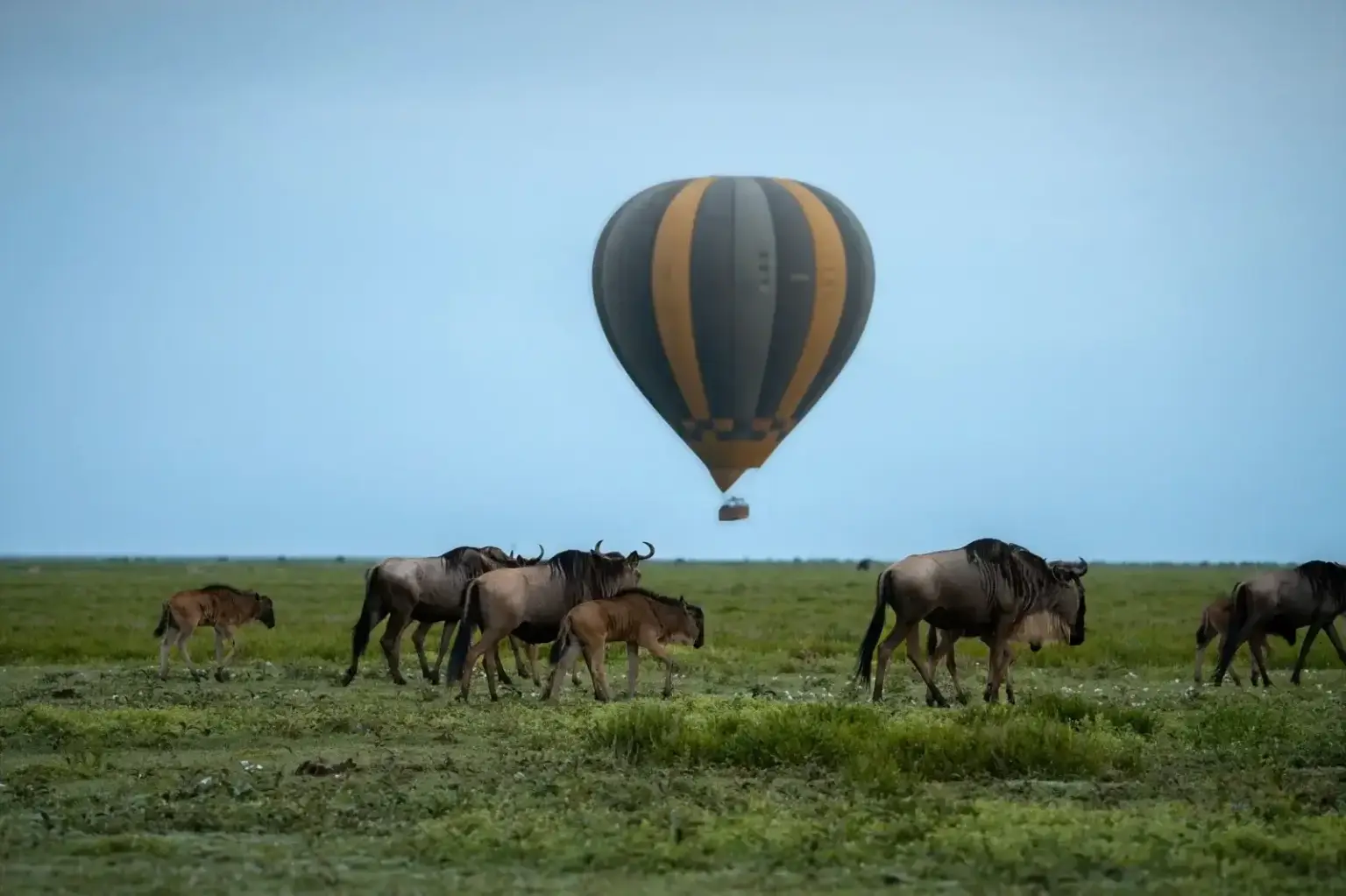
- The Tanzania Tourist Police Unit works alongside the Tanzania National Parks Authority (TANAPA) and the Ngorongoro Conservation Area Authority to protect visitors in major parks and reserves.
- Park rangers patrol the Serengeti, Ngorongoro and other major protected areas, with controlled entry gates and visitor registration at each site.
- Zanzibar maintains its own tourist-focused police presence given the island’s high volume of beach and coastal visitors.
- Licensed safari operators coordinate closely with lodges and camps on guest movements, particularly in remote areas such as the southern circuit (Ruaha, Selous/Nyerere).
Diplomatic presence
Dar es Salaam hosts the bulk of Tanzania’s diplomatic missions, including embassies and high commissions for the United States, United Kingdom, Germany, China and other major partners, with additional consular presence in Zanzibar given the island’s tourism volume. Tanzania is a member of the East African Community, the Southern African Development Community, and the Commonwealth, reflecting its position bridging East and Southern Africa diplomatically.
Practical guidance
- Register your travel with your embassy or consulate if your government offers that service.
- Yellow fever vaccination requirements can apply depending on your travel history: confirm current entry requirements before you fly.
- Comprehensive travel insurance that covers medical evacuation is strongly recommended, particularly for remote southern circuit parks reached mainly by light aircraft.
Travel safety guidance changes over time and varies by nationality. Always check your own government’s current travel advisory before you travel and again shortly before departure. We build this into our planning process and keep clients briefed throughout.
Travelling to Tanzania with confidence
Our team monitors conditions on the ground throughout your stay and builds every itinerary with licensed operators, vetted guides and reputable lodges. Talk to us about your plans, or browse our safari packages to see how a guided itinerary is put together.
How safe is Tanzania for safari travellers?
Tanzania has a long history of peaceful tourism, and the northern circuit and Zanzibar welcome large numbers of visitors every year. The risks are mostly ordinary: petty theft in cities, road accidents, illness and weather. Government advice varies by nationality and is updated so read yours before booking and before you fly. Our Tanzania safaris routes follow well used circuits.
Regions and borders
Some governments advise caution in a few border areas, including parts of the far south east near Mozambique. The parks of the northern and southern circuits are well established, and routes avoid areas that your government advises against. We check advice before every booking and tell you if anything changes. Read our national parks of Tanzania page.
Arusha, Dar es Salaam and Zanzibar
Arusha is the usual base, and tourist areas are generally calm. In Dar es Salaam and Stone Town, bag snatching and scams occur. Use a named driver or licensed taxi, avoid walking alone after dark and keep valuables out of sight. Zanzibar is conservative. Dress modestly. Read our Abeid Amani Karume International Airport page for arrival advice.
Wildlife and walking
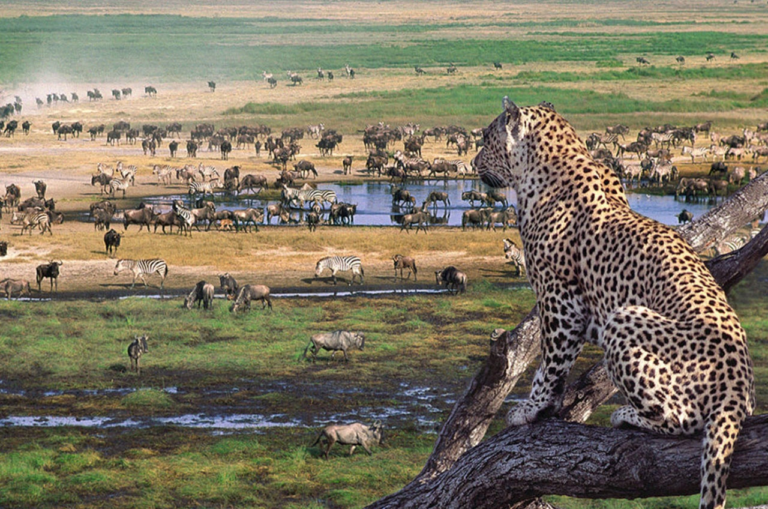
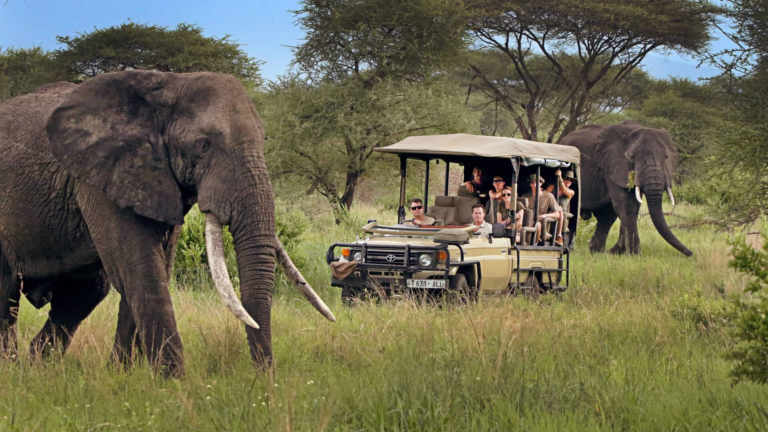
Safari vehicles keep a safe distance from wildlife, and guests do not leave them except at approved spots. Walking safaris are led by armed rangers. Follow instructions, stay together and never approach animals on foot. These rules protect you and the animals. Read our health and safety page.
Laws and customs
Tanzania has strict laws on drugs, public conduct and photographing military or government sites. Same-sex relations are criminalised so LGBTQ+ travellers should read our LGBTQ+ friendly safaris guide. Ask before photographing people, and note that Maasai villages expect a fee for visits and photographs.
Embassies, emergencies and insurance
Register with your embassy if it offers the service and carry a copy of your passport. Medical evacuation insurance is strongly advised, particularly for remote southern parks. Yellow fever certificate rules can apply depending on your travel history. We share our WhatsApp number, +256 701 243 304, and our emergency plan before you travel.
How we manage risk on a Tanzania trip
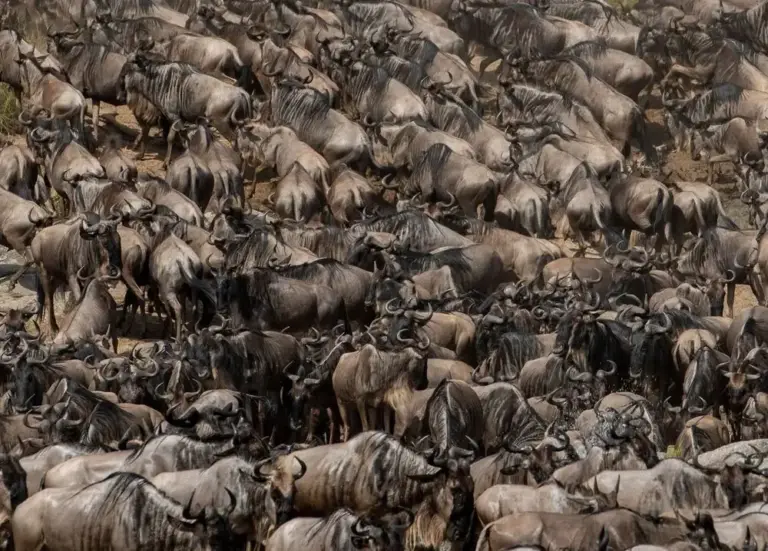
Every traveller receives a written briefing before departure, covering arrival at Kilimanjaro, road safety, health, money, local rules and what to do in an emergency. Our driver guides know the circuit well and avoid night driving. Camps are chosen for their security as well as their setting. If conditions change, we adjust the route and tell you at once. Read our Great Migration page to see how seasons shape the route.
What embassies in Tanzania can and cannot do
Most embassies are in Dar es Salaam, with consular help in Zanzibar for some nationalities. Embassies can replace lost passports, advise in emergencies and keep in touch with relatives, but they cannot pay for medical care or evacuation, which is why insurance matters. Tanzania has separate visa rules from Kenya and Uganda, covered in our visa and entry guide.
Health emergencies and evacuation in Tanzania
Dar es Salaam and Arusha have private clinics, and air ambulances serve remote camps. Rural clinics near the parks handle basic care. Insurance with evacuation cover is strongly advised, particularly for the southern and western parks. Tell us about any condition before you travel. Read our health and safety page.
Money, phones and scams
Use cash for small purchases and cards at lodges. Dollars should be recent notes in good condition. Beware of touts at the airport and in Stone Town, and do not hand your passport or phone to strangers. Mobile money is common but best used with a guide's help. Buy a local SIM at the airport.
Staying informed during your trip
We check news and government advisories before you fly and again during your trip. If a flood, road closure or flight change affects your route, we tell you and propose a change. Keep your phone charged, save our WhatsApp number, +256 701 243 304 and share your itinerary with someone at home. Read our travel updates page.
Insurance for adventure activities
Check that your policy covers game drives, walking safaris, balloon flights and any trekking you plan, including Kilimanjaro if you intend to climb. Some policies exclude small aircraft or altitude. Keep your policy number and emergency line on your phone.
Plan a safari that includes Tanzania
Our team plans private, tailor-made safaris, so we can build a trip around Tanzania and adjust the days, lodges and pace to suit you.